&imwidth=800&imheight=600&format=webp&quality=medium "3I/Atlas could release tiny probes that may 'self-replicate' - 'Technological mothership' could reveal itself")
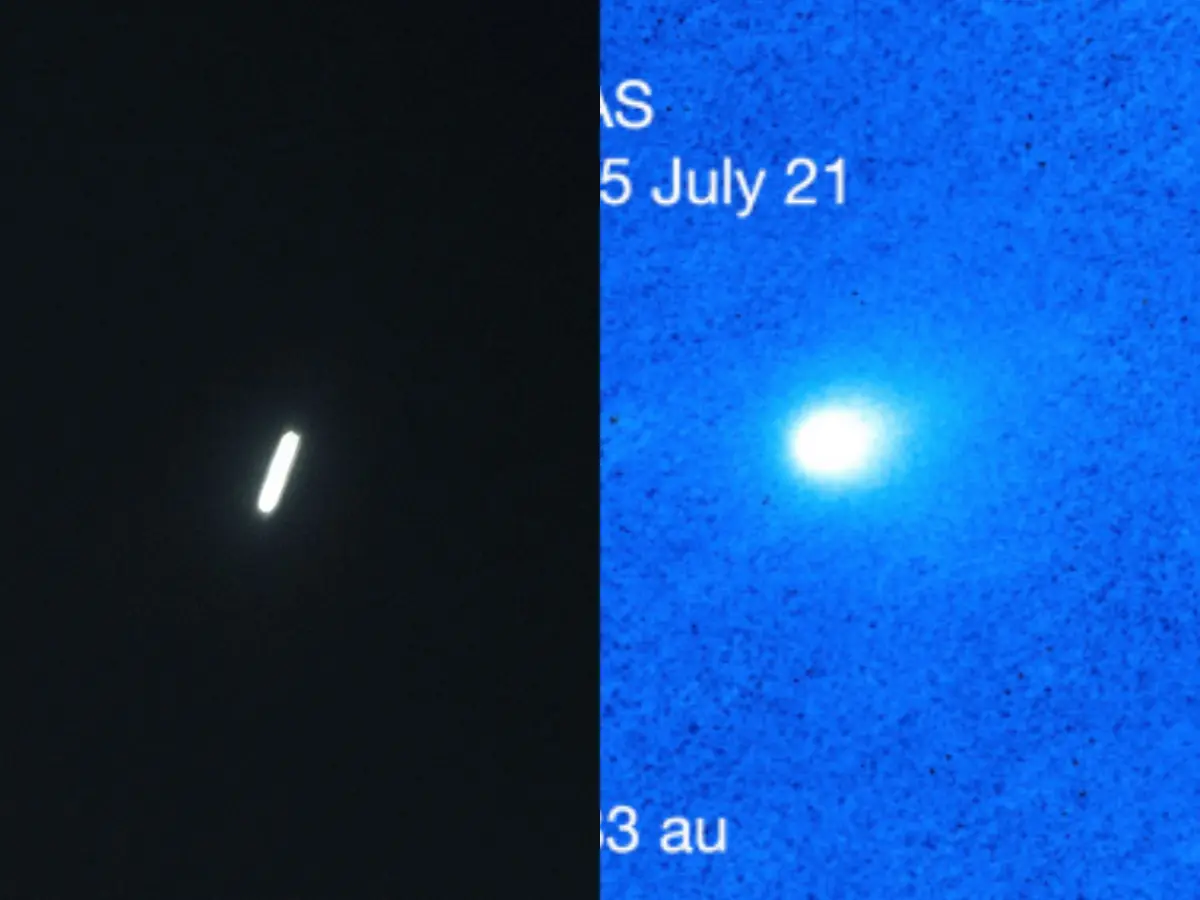
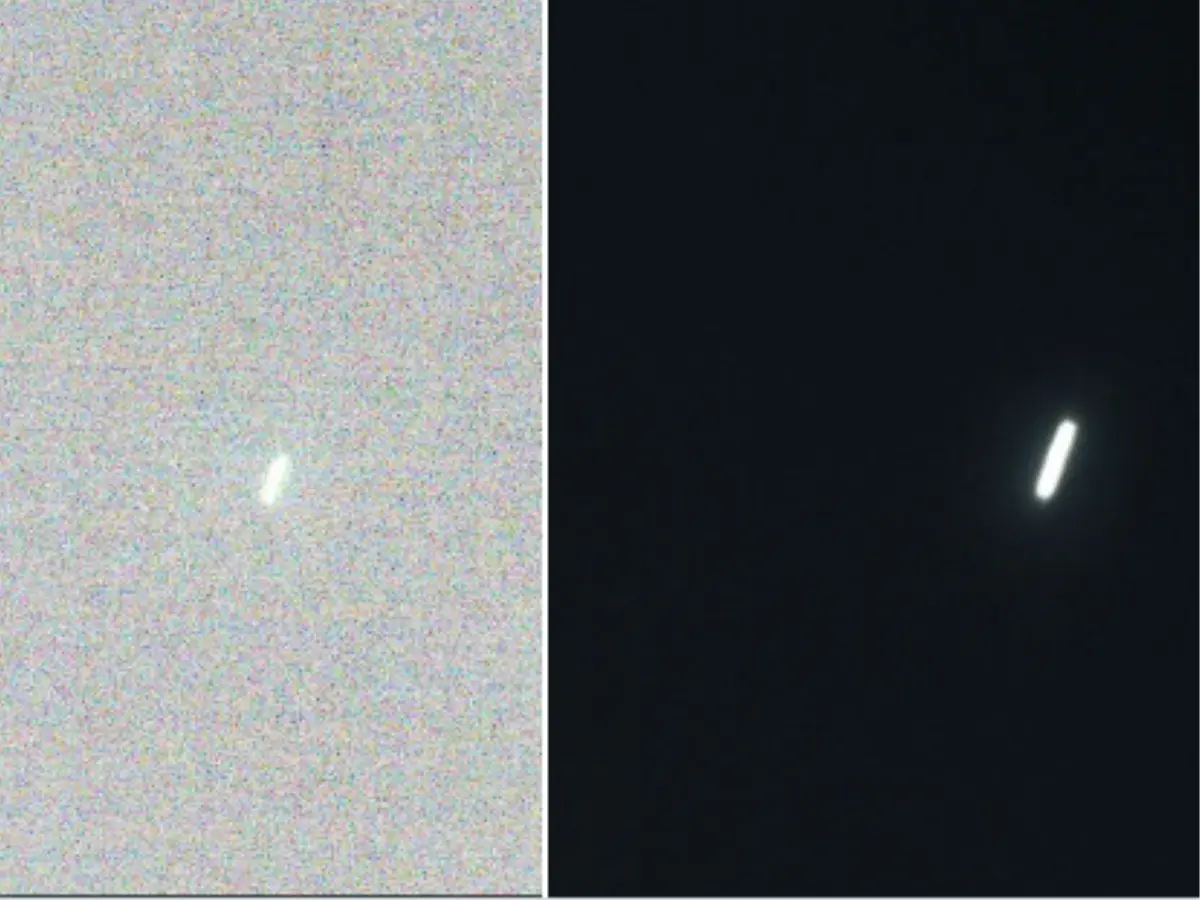
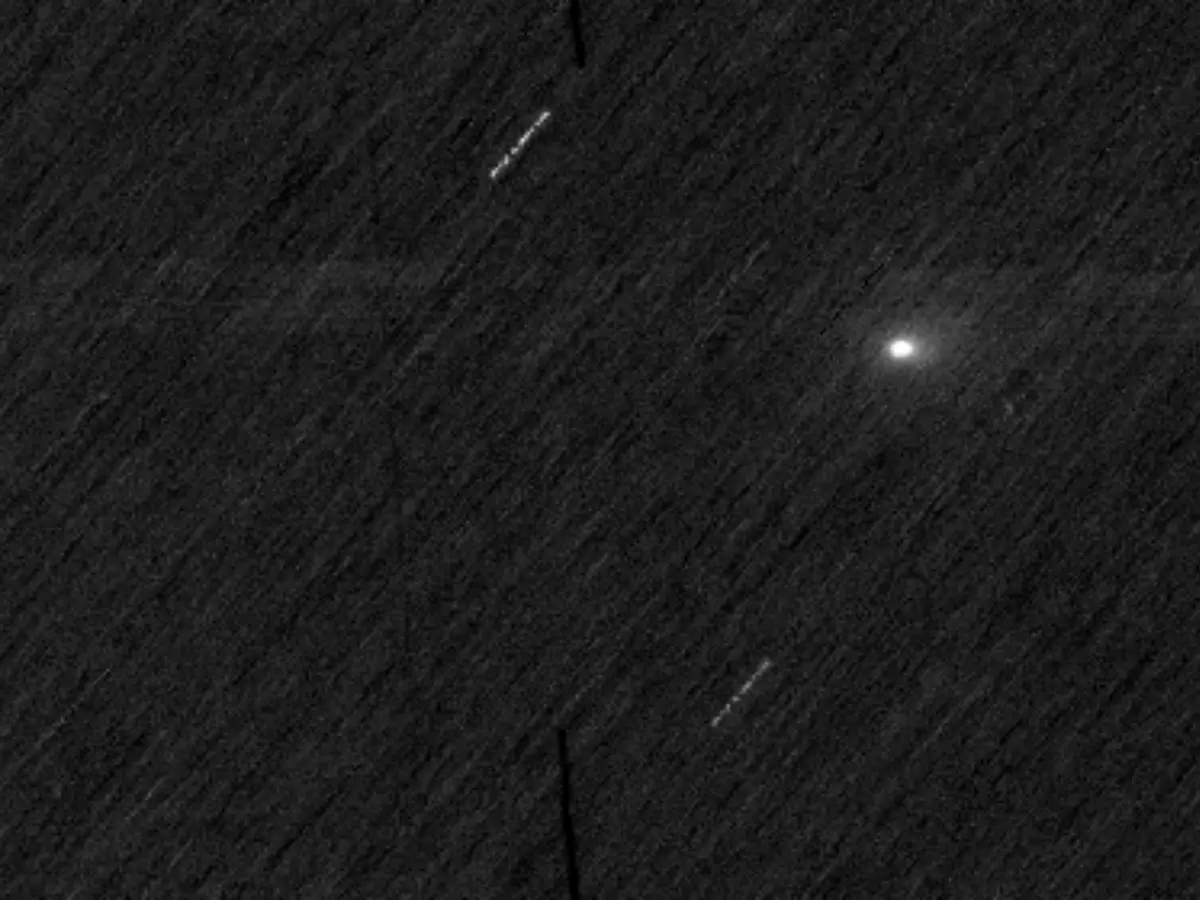
Interstellar object 3I/Atlas will reveal itself in the coming weeks. Just as it reaches perihelion, that is, its closest point to the Sun, it might disintegrate into several pieces. This happens to a comet because of several reasons, such as outgassing or the gravitational force. If 3I/Atlas is a comet, the same thing is expected to happen. However, if it is not a natural object, as suspected by one scientist, it will skip this process. But in that case, he expects it to launch several mini probes that could go on to study our solar system. Harvard scientist Avi Loeb has once again raised the question of whether or not 3I/Atlas is a comet. He wrote in his blog, "If 3I/ATLAS is a comet of natural origin, it could disintegrate into fragments as it comes closer to the Sun."
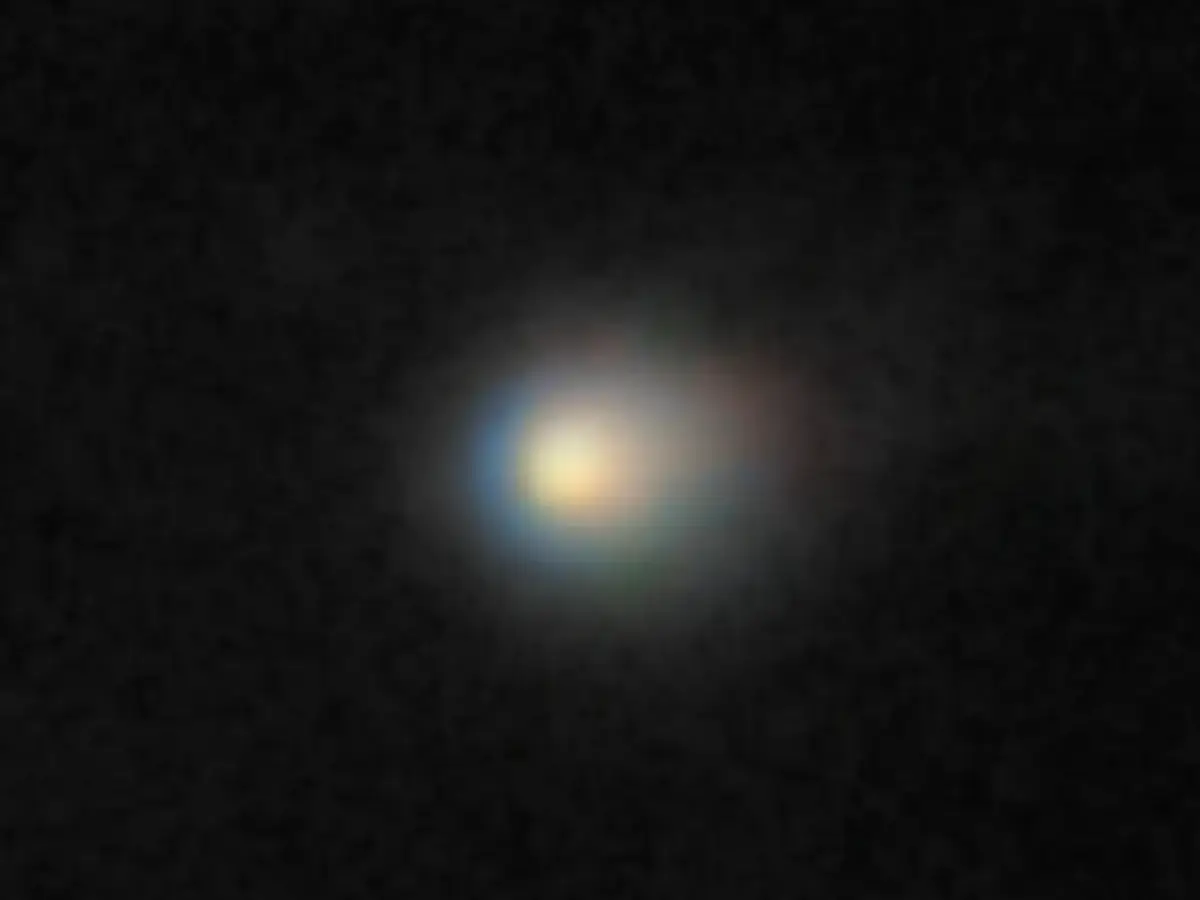
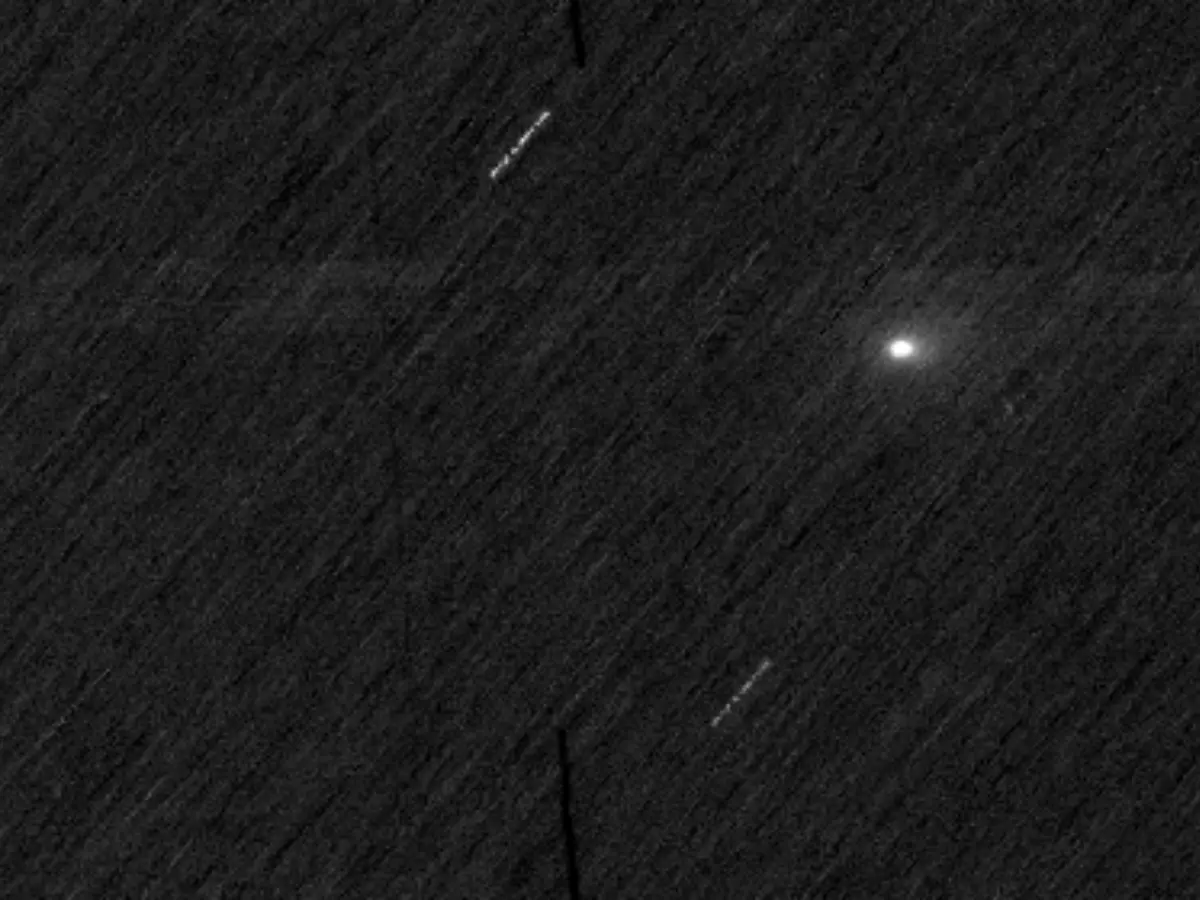
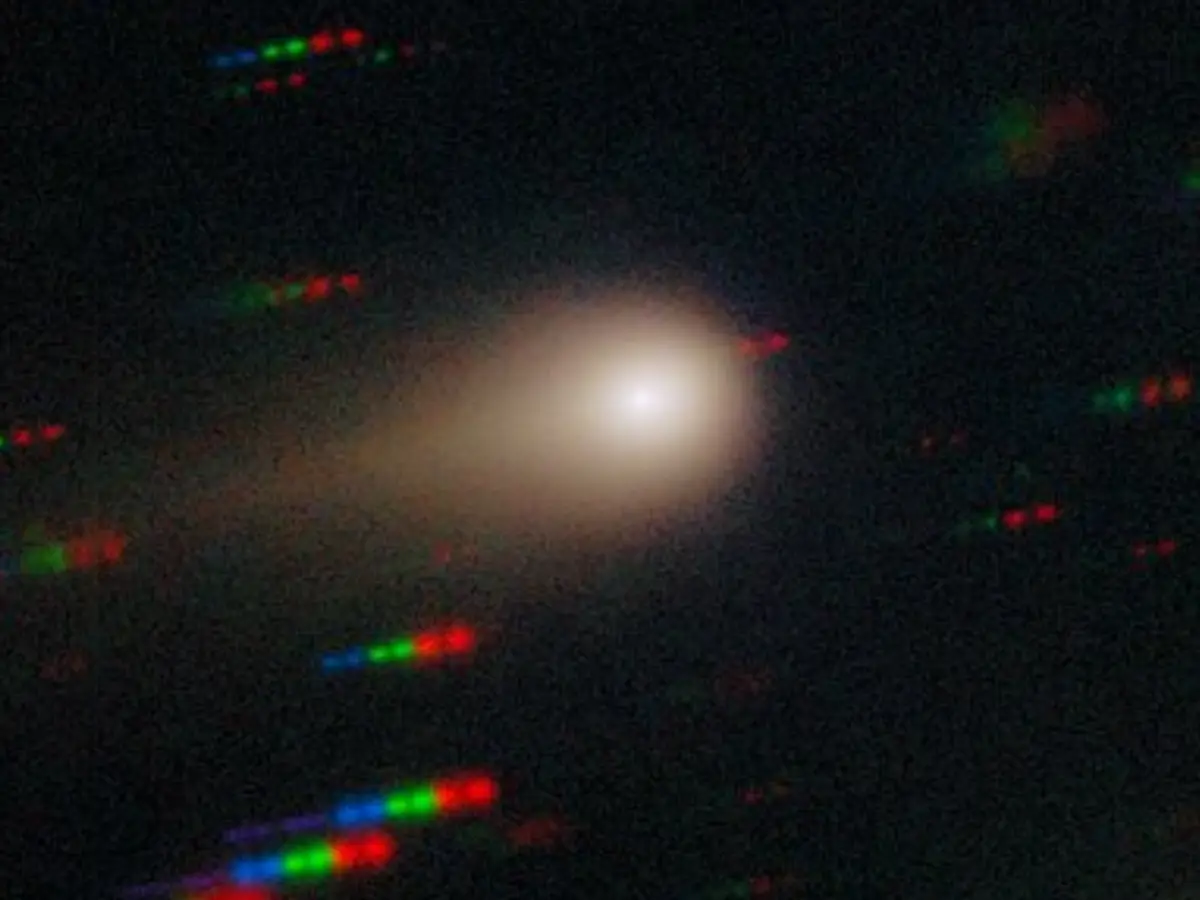
"We should keep our eyes on this fuzzy ball of light and check whether it breaks up into independent, smaller dots of light," he added. This happens because of the heating by the sun. Some other reasons comets break up include gravitational tides and rotational stress from outgassing. However, this breaking up depends on the composition and material strength of the comets. Sometimes comets are weaker, such as 67P/Churyumov-Gerasimenko, which was formed from smaller pieces that joined. Such comets can break up easily. Smaller comets are also vulnerable to falling apart because of thermal stress. Some comets, like 332P/Ikeya-Murakami, break apart because of rapid spin.

3I/Atlas could release tiny probes that might replicate themselves
Which category 3I/Atlas falls into could be known after October 29. However, Loeb once again raised the possibility that it is an alien spaceship. He had earlier claimed that if the interstellar object is a "mothership", it could release tiny probes to plant them on the planets. "A fleet of smaller objects could also appear as a result of a technological mothership which releases min-probes to study multiple targets simultaneously," he wrote. However, this time, he made a fresh claim that these tiny probes meant for exploration could even "self-replicate", meaning create copies of themselves to cover several locations at once.
Trending Stories
)
What’s in a name? Trump’s 'Lake America' move gets a tit-for-tat response from Canada
)
Outrage erupts after 3-year-old is married to 60-year-old man in Pakistan, link to her sister's murder being probed
)
Trump gifts Xi a bald eagle sculpture at White House dinner: Here’s what it symbolises
)
‘Not just a local tragedy’: Nepal PM Shah warns UN of growing climate threat, says Nepal floods were 'a warning to the world'
)
Farhan, who went viral for AK47 celebration vs India in Asia Cup, hopes to lead Pakistan beyond Asian Games
)
CNN, Politico and MS NOW back in White House after judge blocks Trump’s media ban
Don't Be Shy movie review: A frothy coming-of-age tale that is too shy to experiment
)
IIT Bombay CCTV footage emerges: Sahil Wakode seen looking at phone in examination hall
)
Tesla is preparing something big for Optimus: new Gen 3 models surface in app
)
Bias or safety concerns? Bengaluru CEO says firm will not hire men from UP, Bihar, Rajasthan, MP. Here's why
)
Trump's welcome to Xi demonstrates 'attraction' to dictators: Chuck Schumer
)
Nations League: Germany draw on Klopp debut; Portugal, Norway win
)
WION Iconic Tourism Summit 2026: Union Minister Shekhawat on 'experiential travel', peace diplomacy
)
Scientists detect first radio signals directly from faraway planet
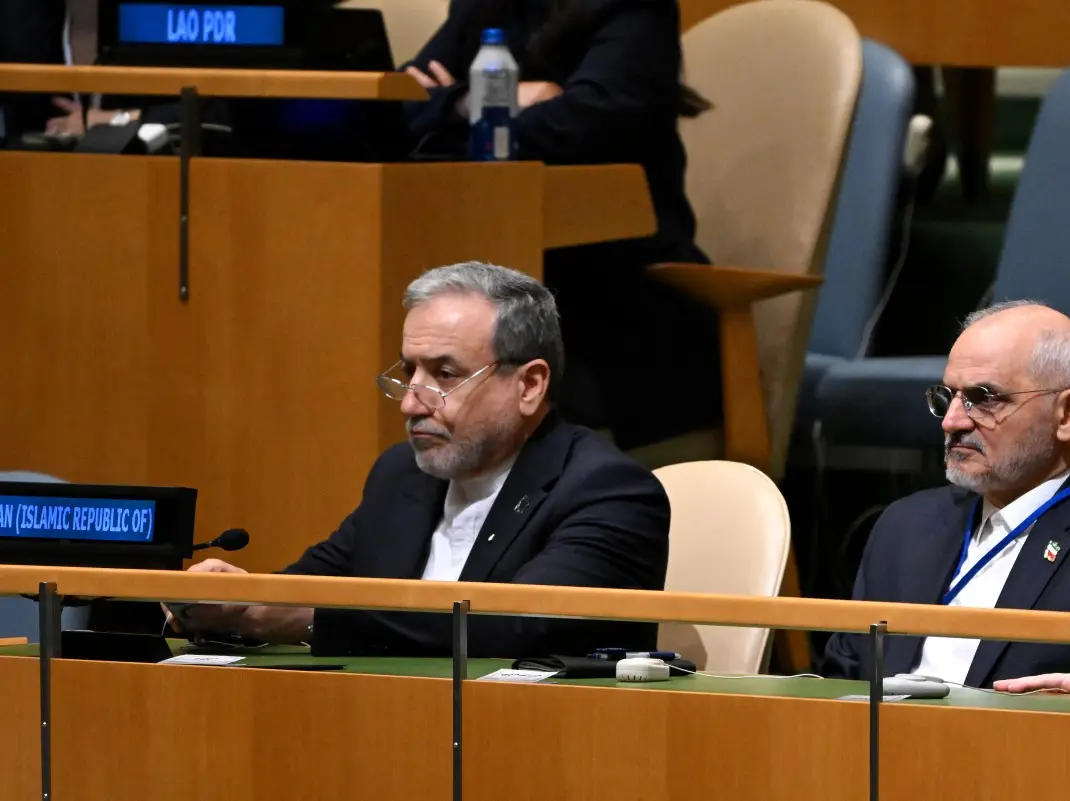)
A seven-day roadmap? Iran proposes plan to end war, reopen Strait of Hormuz and resume nuclear talks
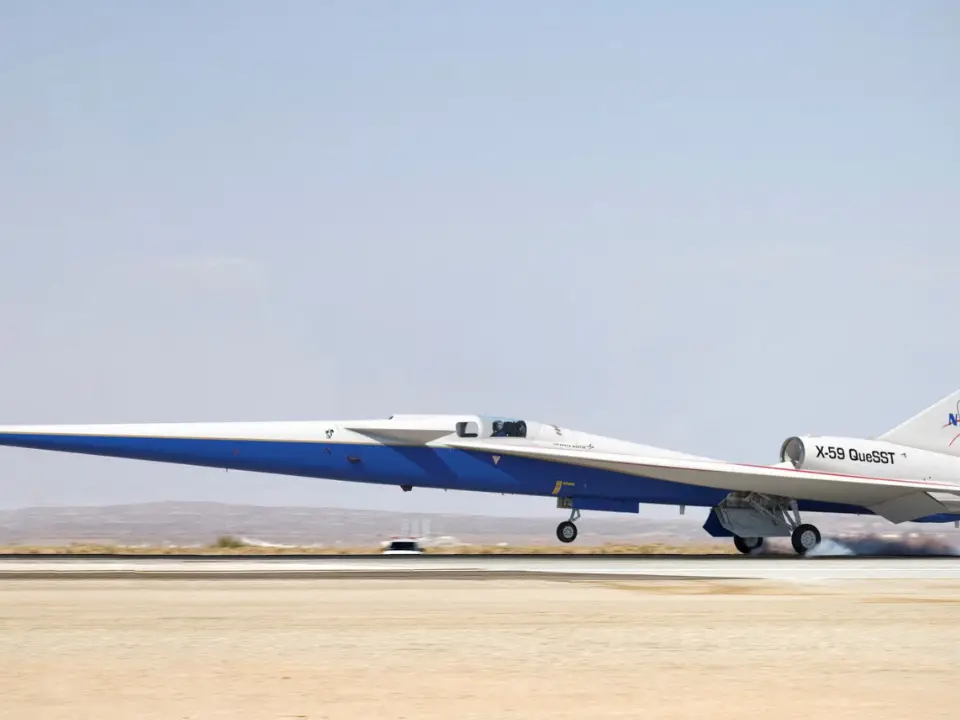)
China to test supersonic jet that moves at Mach 2, double the speed of sound
)
The Vvaan Review: This Ekta Kapoor's Tulsi Virani-coded world can't be saved by Sidharth Malhotra and Tamannaah Bhatia
)
Xi Jinping's 'special plane' vs Trump's Air Force One: What's the difference?
)
UNGA 2026: Israeli PM attacks Britain, France for past colonialism
)
West Indies coach Sammy looking at India series as opportunity to finetune ahead of ODI World Cup 2027 qualifiers
)
‘We’ve never gotten along better’: Trump praises Xi, jokes about White House ballroom at high-stakes state dinner
)
Air India pilot suspended after failing pre-flight alcohol test on Zurich-Delhi route
)
Yemen called Trump for US military support in fight against Houthis: Official
)
2,000-foot tube, laser tests and more: China builds towns to expand nuclear arsenal, satellite images show
)
Meet Adrian Abraham: 9-year-old Indian-origin guitar prodigy aiming for a Guinness World Record
)
US faces fresh cost crunch as mortgage rates hit 7%, oil tops $107 and gas prices surge
)
'Blockbuster' nor'easter develops an eye similar to hurricanes as warnings are issued
)
Alarming video emerges as landslide damages houses in Sikkim’s Rimbi village. Watch
)
OpenAI is building AI to fight cyber threats: What GPT-6 Cyber means for security
)
'Making history': Xi Jinping praises Trump as US-China leaders dine at White House
)
'What kind of confession is this?': Pakistan PM Shehbaz Sharif’s 'terrorists would be roaming New York' remark goes viral, raises alarm online. Watch
&im=FitAndFill=(700,400))
Netanyahu at UN: Mass walkout, attack on Mamdani and Iran threats | In Pics
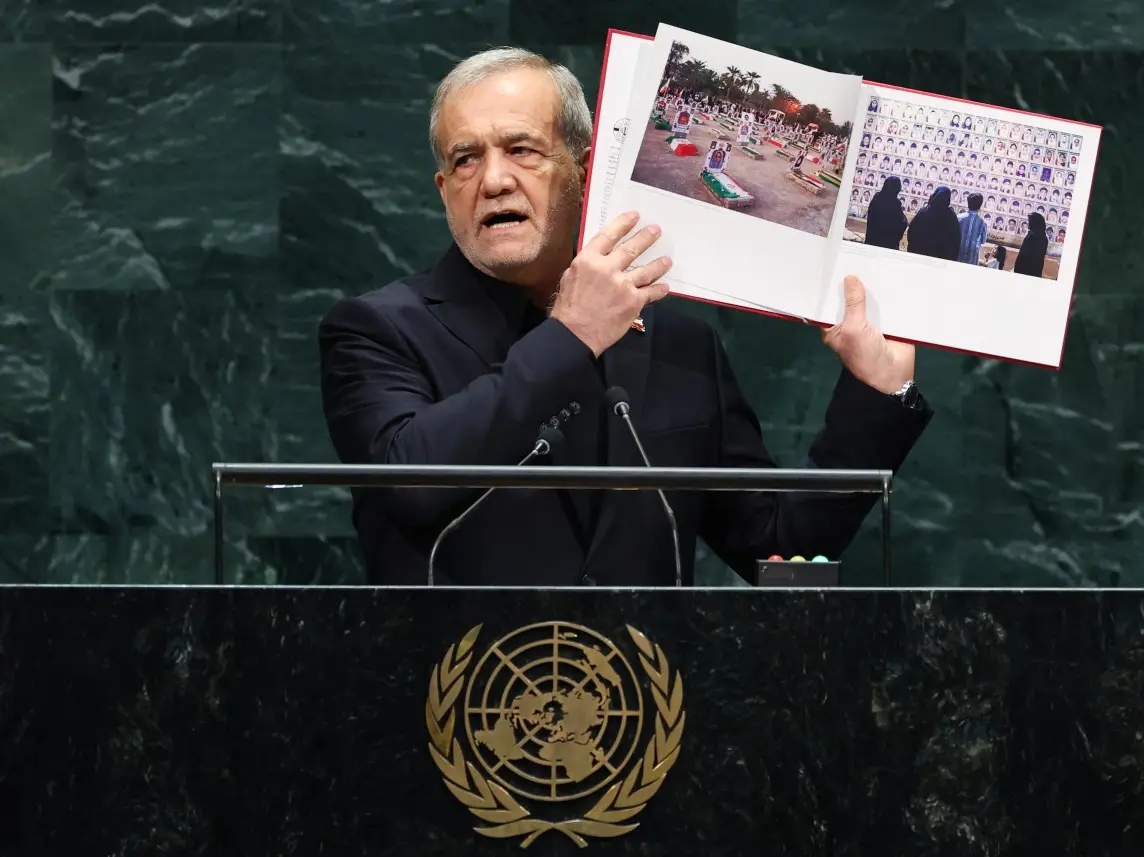)
'We do not wish to continue. It's America that must choose': Iran president Pezeshkian calls on US to end war
)
WION Iconic Tourism Summit: How local tourism MSMEs must upskill for AI integration
)
Bollywood mourns Mushtaq Khan: Sunny Deol, Rajpal Yadav and others pay tribute
)
'FIRST LOOK from inside Noah’s Ark': Researchers share video from inside mysterious mound in Turkey
)
Israeli envoy to US Yechiel Leiter’s son critically injured in West Bank ramming attack
)
'Fund people, not bombs': Hundreds take to New York streets as Netanyahu delivers speech at UN; dozens arrested
)
After 3I/Atlas comes out of the glare of the Sun, things could change dramatically. Loeb has earlier said that it could use the gravitational force of the Sun to fling itself towards Earth. That is quite a fat-fetched claim, but Loeb cites several anomalies he has noted since its discovery on July 1.