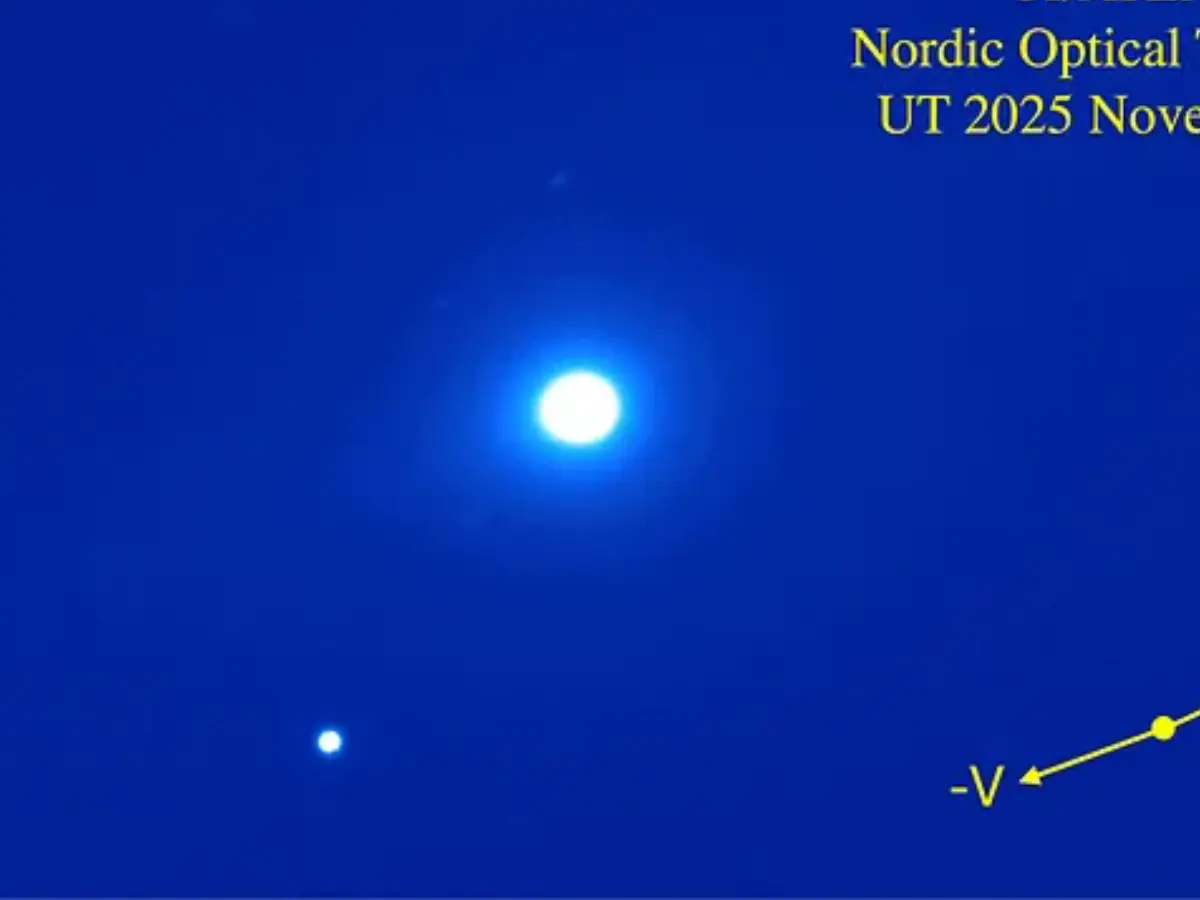
3I/ATLAS could be coming from a star that is already dead: 'A star that’s so ancient...'

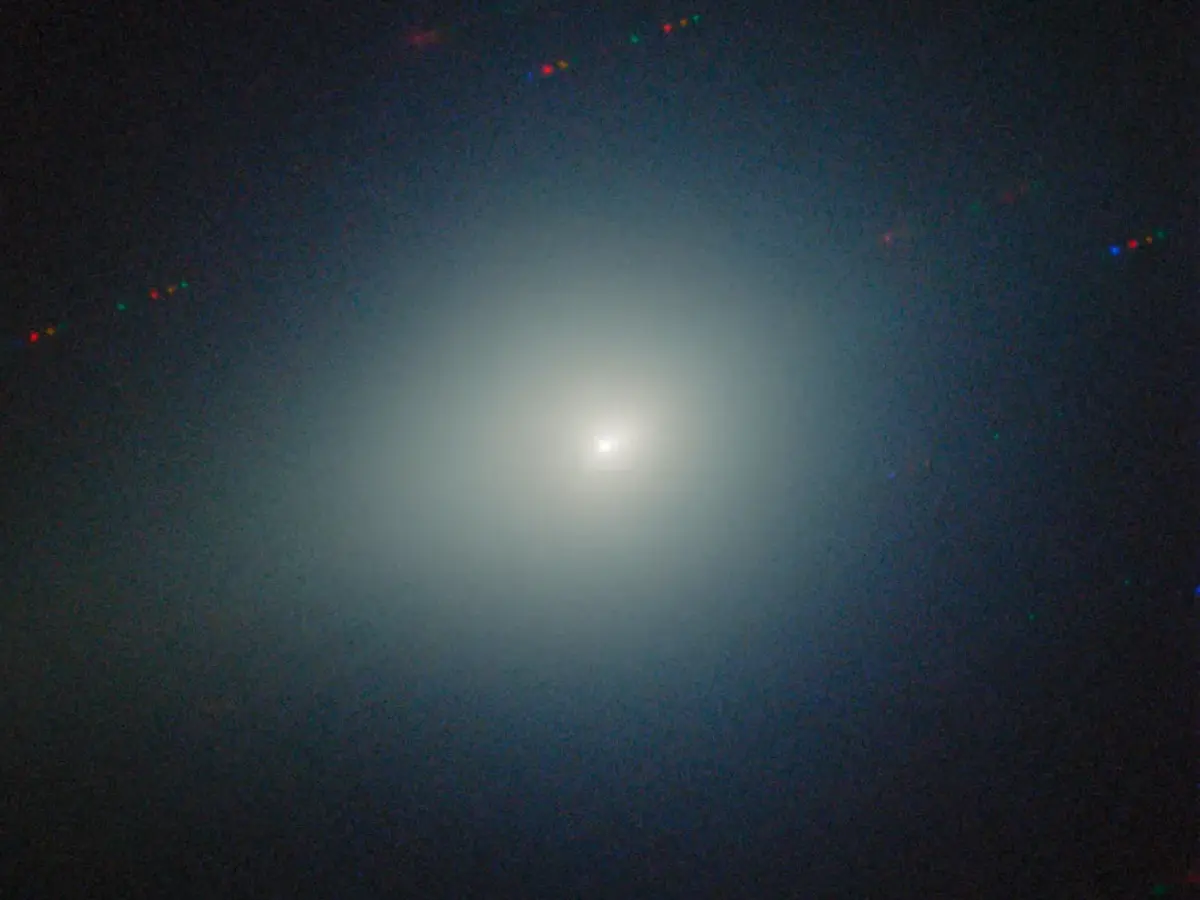&imwidth=600&imheight=450&format=webp&quality=medium "3I/ATLAS could be coming from a star that is already dead: 'A star that’s so ancient...'")
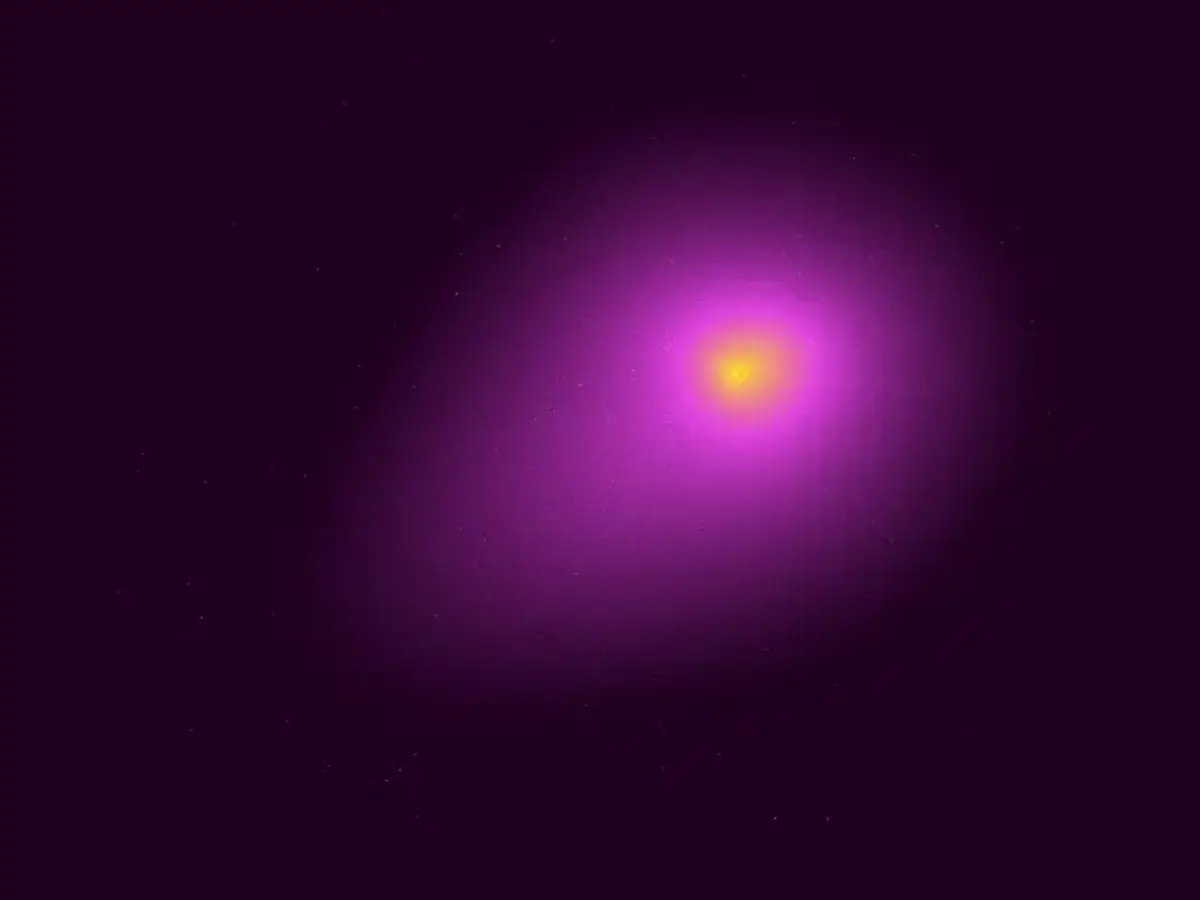
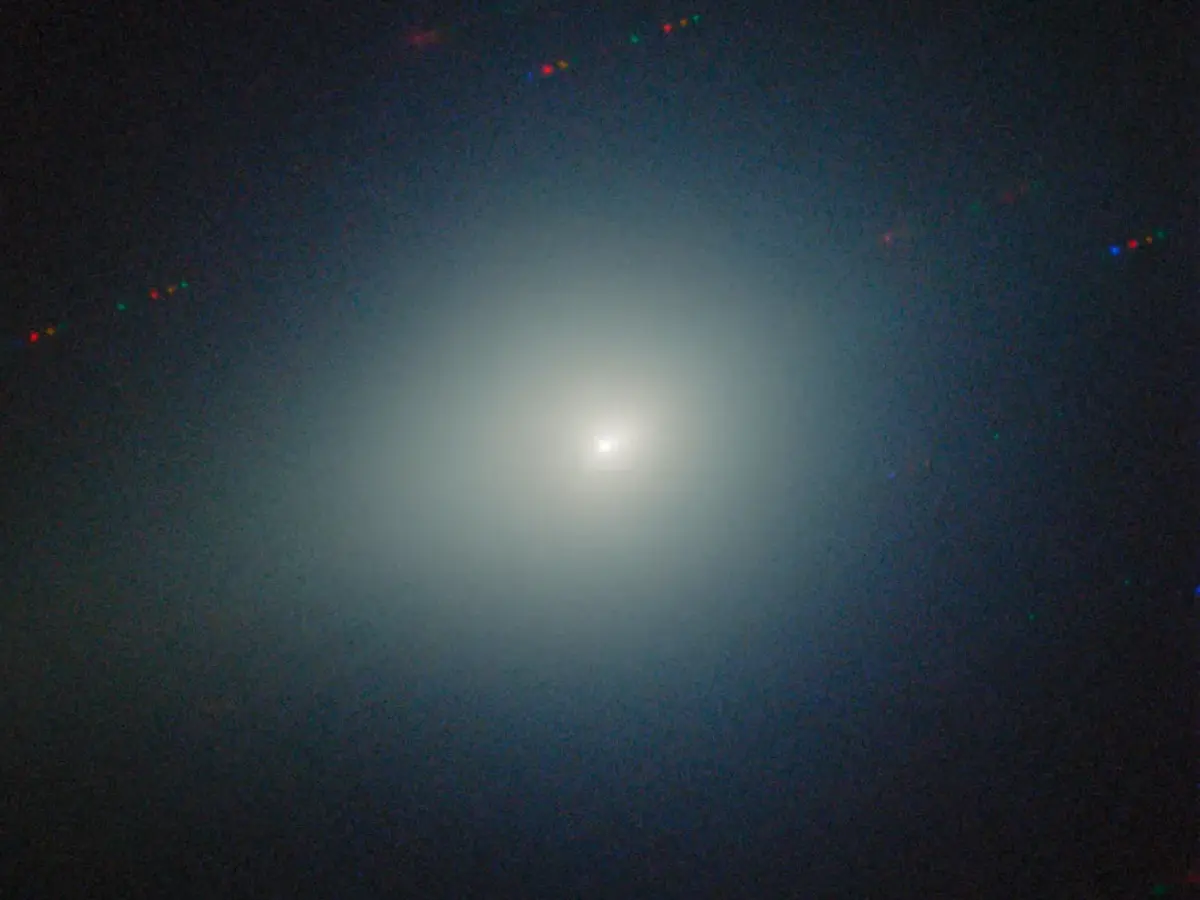
3I/ATLAS is so old its star could already be dead. Photograph: (Gemini North Telescope)
3I/ATLAS update: The interstellar comet is on its way out of the solar system. Scientists studying it have observed its composition and velocity, which reveal what the comet's home would have been like, a star that might not even exist today.
Interstellar comet 3I/ATLAS is believed to be between 8 and 14 billion years old, much older than our solar system, which was born only about 4.6 billion years ago. This dating means that it could even belong to a star that no longer exists. Associate Professor Michele Bannister, from the School of Physical and Chemical Sciences at Te Whare Wānanga o Waitaha | University of Canterbury (UC), who has been studying the comet, has made several revelations about the comet ever since it was discovered in July 2025. Calling it a "once in a lifetime opportunity" that she has spent her career preparing for, Bannister says interstellar objects like 3I/ATLAS offer a peek into the building blocks of planet formation in other corners of the Milky Way. "This comet is a calling card from the past, and we only have a few hundred days to try and interpret what it’s telling us," she told Astrobiology.
“That’s the great joy of interstellar objects, they’re giving us clues, because they’re made up of the building blocks of planet formation elsewhere in the galaxy. They’re telling us about a star that’s so ancient it might not even exist anymore," she said. The UC team, in collaboration with Professor Chris Lintott at the University of Oxford, was the first to offer a theoretical insight into the age of 3I/ATLAS based on its velocity days after it was discovered.
Studying the coma and tails of 3I/ATLAS
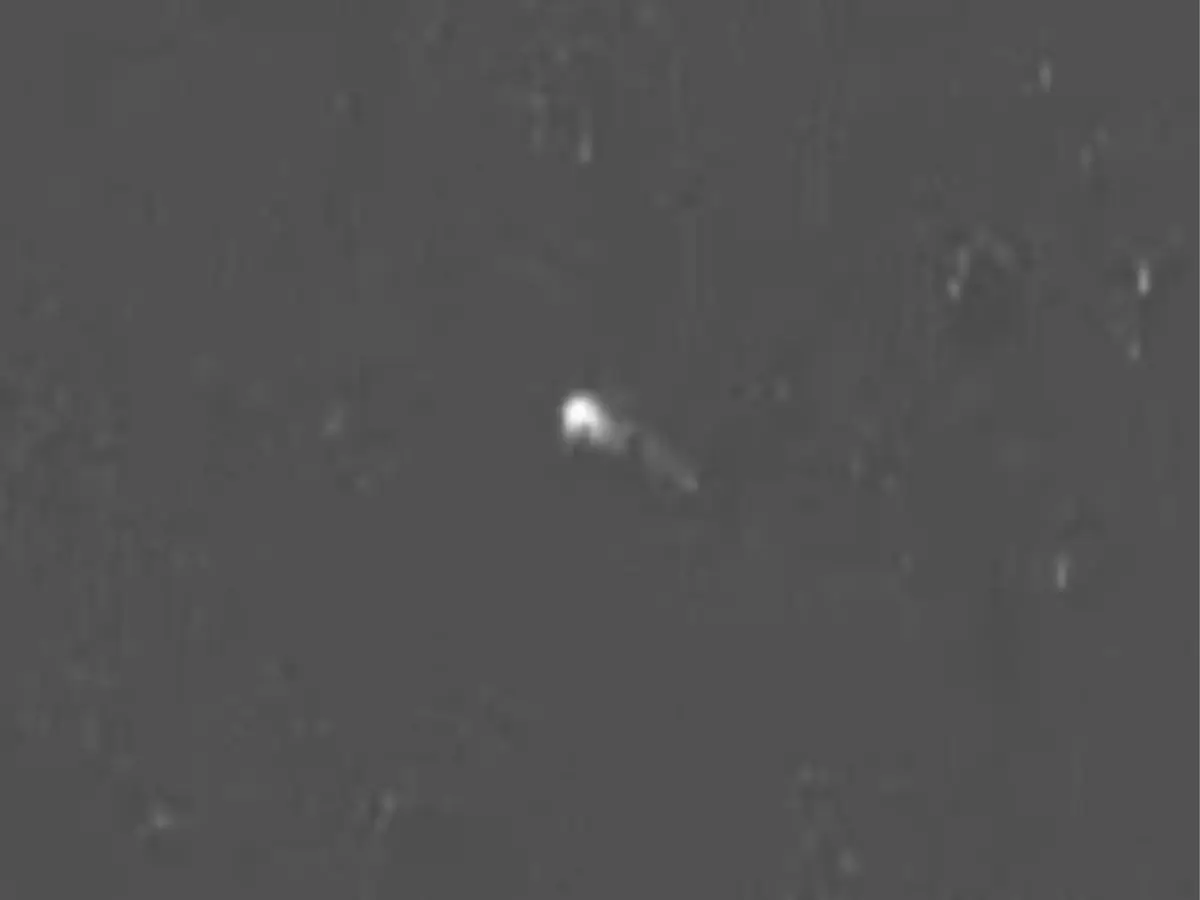
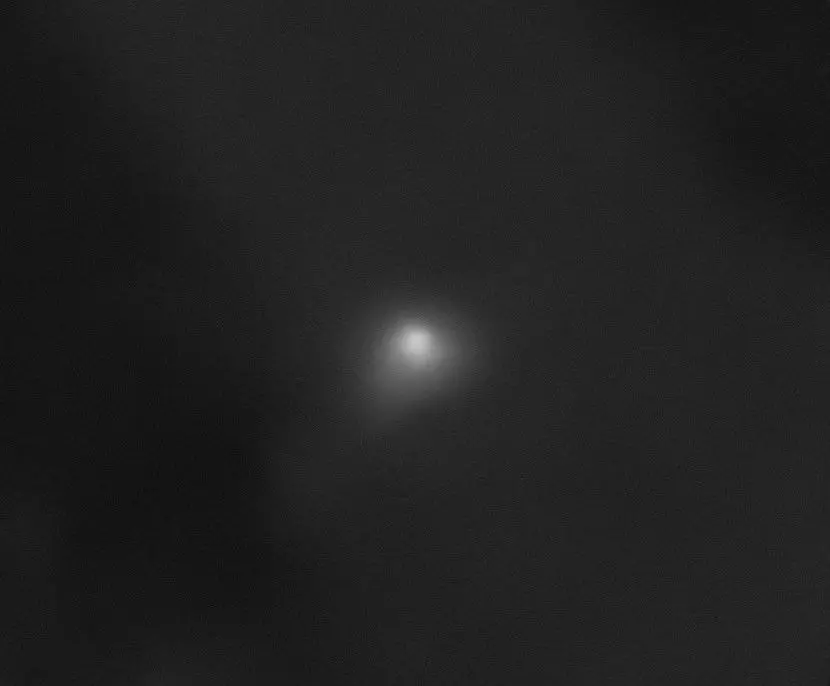
Bannister and her team at the UC have an extensive theoretical model, called the Ōtautahi-Oxford model, that is used to learn more about interstellar objects - their formation, how they move in the galaxy, and their chemical properties. The team also studied the composition of the comet, its coma and its tails (It has two - a tail and an anti-tail in the direction of the Sun). According to her, the visible tails of the comet are made up of grains of ice and dust, which reflect sunlight. She calls 3I/ATLAS "a dusty wee snowball" for this reason.
Trending Stories
)
)
)
)
)
)
)
)
)
)
)
)
)
)
)
)
)
)
)
)
)
)
)
)
)
)
)
)
)
)
)
)
)
)
&im=FitAndFill=(700,400))
)
)
)
)
Its composition speaks volumes about its home environment, Bannister says, adding that they saw an "unusually rich atomic nickel and iron emission as it entered our skies."