
&imwidth=800&imheight=600&format=webp&quality=medium "1,578 feet mega-tsunami in Alaska linked to melting glaciers, and will happen again")
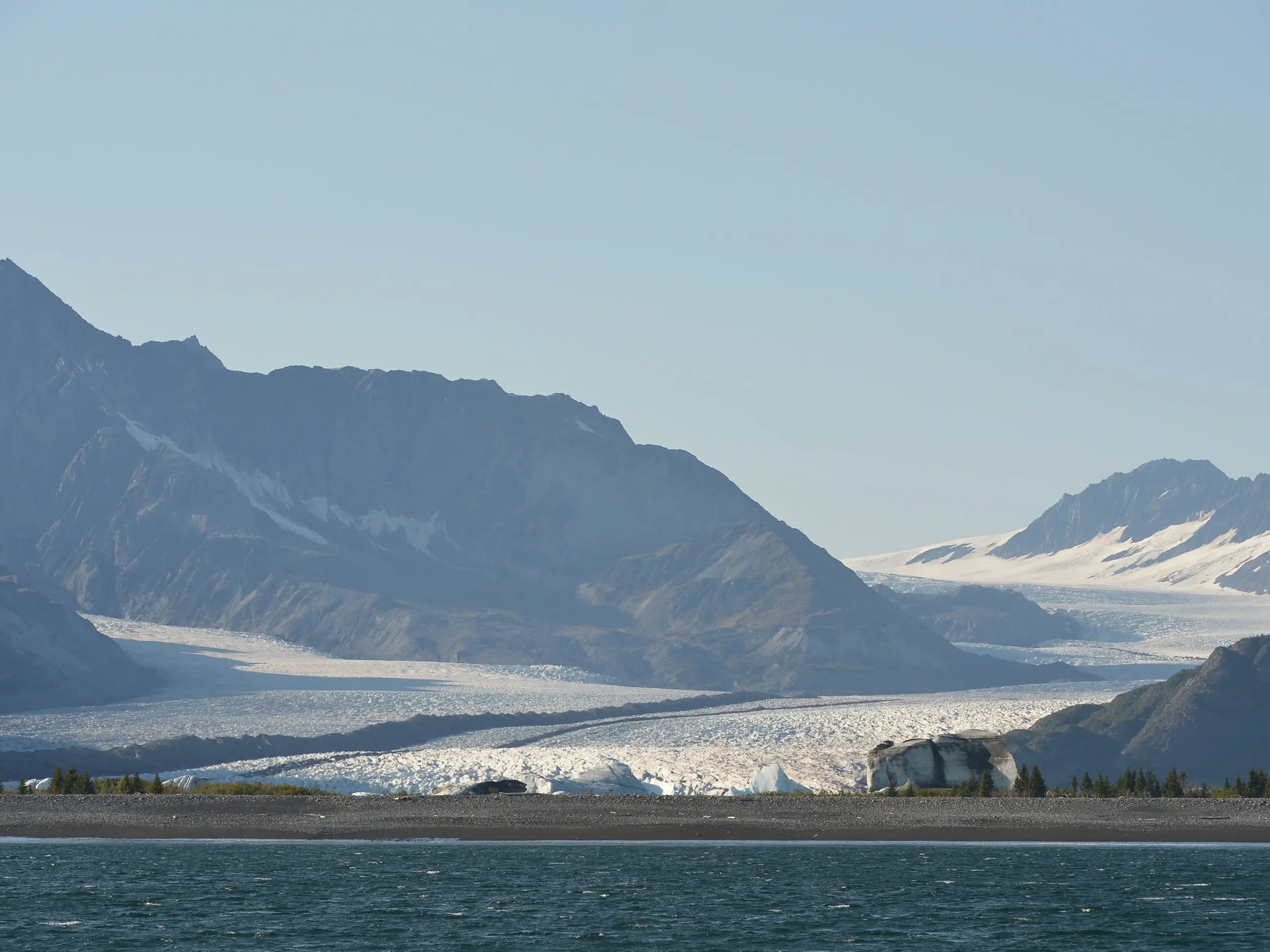
Experts have warned that an icy mountain region in the United States could witness a disaster similar to the Nepal floods. Alaska is at risk of a climate change-induced glacial collapse, and it has actually already occurred. Alaska’s Tracy Arm fjord was struck by a "mega-tsunami" 1,578 feet high from a landslide. Scientists have now found that "the rapid retreat of a glacier set the scene for the huge slide and the following mega-tsunami."
Tourist cruise ships escaped the disaster by mere hours. Prof Bill McGuire, a climate scientist and professor emeritus at University College London, told the BBC, "It is a threat that is only going to get bigger as the planet gets hotter." He warned that people living in places under these mountain regions and tourists aboard cruise ships face a growing risk from melting glaciers.
Patrick Lynett, a professor of civil and environmental engineering at the University of Southern California, told the outlet that Alaska's mega-tsunami was linked to rapidly melting glaciers. He has warned that this was definitely not the last such event to hit the region and that they will become increasingly common. "Tracy Arm-type events will continue to happen, seemingly at an increasing rate, in fjords and other water bodies with rapidly retreating glaciers," he said.

Rapidly melting glaciers are destabilising mountain slopes, and the warming climate is also thawing permafrost, which in turn loosens the glaciers. Permafrost is ground with rock, soil and ice that remains permanently frozen.
Earthquakes from ice loss
Trending Stories
)
Putin's United Russia party wins 355 seats in Duma election; 4 other parties cross threshold to enter parliament
)
Delhi Air pollution: Strict crackdown on waste burning
)
‘0% chance’: Nvidia CEO Jensen Huang dismisses AI extinction fears by 2030
)
Samay Raina-Mukesh Chhabra controversy explained: What happened over girlfriend joke on India's Got Latent?
)
Trump's helipad event overshadowed by audio failure as major TV networks suspend pool coverage
)
Russia-Ukraine war: Russian strikes knock out three of Ukraine's largest steel plants
)
'Needs time away from the international scene': England white-ball captain Brook on pacer Brydon Carse's future
)
Glitch in the matrix caught on camera: Woman vanishes after talking to reporter
)
Anti-AI activists storm summit, say 'incompetent' leaders are leading us into a disaster - 'We need a vote'
)
Samsung raises Galaxy S26 prices by Rs 20,000: Here’s what each model now costs
)
IIT Bombay tensions ease after three-hour open house; director’s assurances pacify students
)
J&K Assembly Session begins amid chaos: BJP, ruling alliance clash as statehood demand dominates
)
Shah Rukh Khan visits Lalbaugcha Raja with wife Gauri Khan and daughter Suhana
)
Bessent meets China’s He Lifeng to prepare for Trump-Xi summit
)
US and China vie for AI dominance as calls grow for regulation | Gravitas
)
FIFA chief Infantino wants to reform governing body with consultation from federations
)
The Verdict | The Mecca Agreement is under scrutiny as Houthis attack Saudis
)
India at UNGA81: Jaishankar warns global order under 'growing stress', pushes for ‘reformed multilateralism’
)
Saudi Arabia exits China-led mBridge digital currency platform amid Saudi-Houthi conflict
)
'Lot of things to learn from experienced players': Jayasuriya backs Rohit, Virat for 2027 ODI World Cup
)
$110 billion Warner Bros merger: Paramount reaches settlement with 12 US states
)
Mahabharat actor Saurav Gurjar arrested in Hyderabad, sent to 14-day judicial custody in sexual exploitation case
&im=FitAndFill=(700,400))
New OTT releases this week (September 21-27, 2026): Shaque: Trust No One, Hunkkaar, Don’t Be Shy- 5 new titles coming to Netflix, Prime Video and more
)
From ‘communist’ to ‘great mayor’: Trump praises Mamdani after New York meeting, discusses immigration and housing
)
Report: Zelensky meets CIA chief Ratcliffe at Shannon airport, weeks after his secret Moscow trip
)
WATCH | Mysterious lights over Tehran caught on video. Drone, aircraft or something else?
)
How Zaheer Khan came to be CSK's head coach of IPL 2027
)
Pilot recreates Mona Lisa in sky over Oklahoma and Arkansas in four-hour flight: VIDEO
)
UK PM Burnham agrees to 'defensive' military support for Saudi Arabia against Houthis
)
Jailer 2: Vidya Balan joins Rajinikanth's upcoming film as Kantha | Watch
)
Microsoft executive called AI training the ‘largest theft of labour in human history’
)
IIT Bombay student death: CCTV footage becomes key evidence as police reconstruct Sahil Wakode's final hours
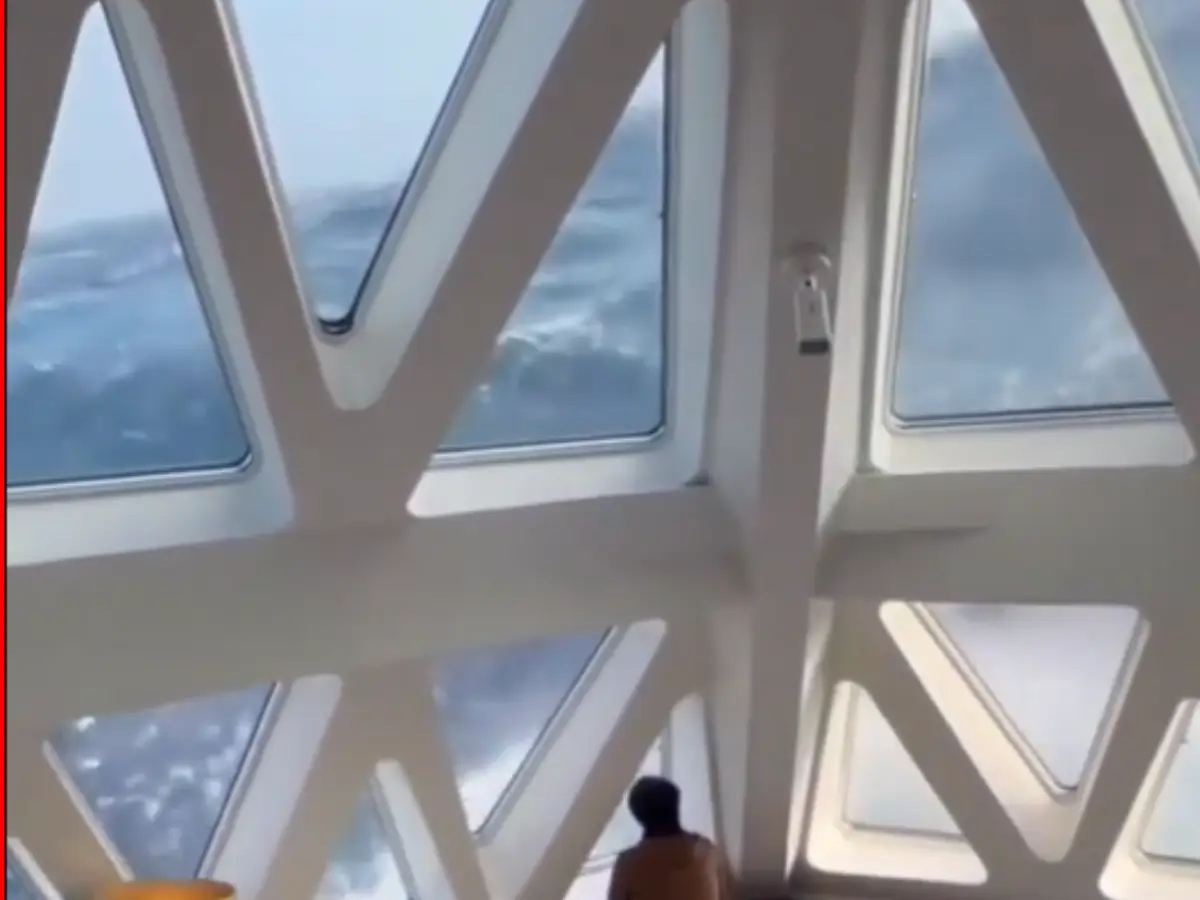)
40-foot waves crash into cruise ship in dangerous stretch near Antarctica. Watch
)
US-Iran war, peace deals and more: What to expect from Trump's UNGA 2026 speech
)
Explainer: Why rare-earth export licences and Board of Trade are US priorities ahead of Trump-Xi summit
)
BTS fans mock iHeartRadio’s day 2 turnout after short set controversy
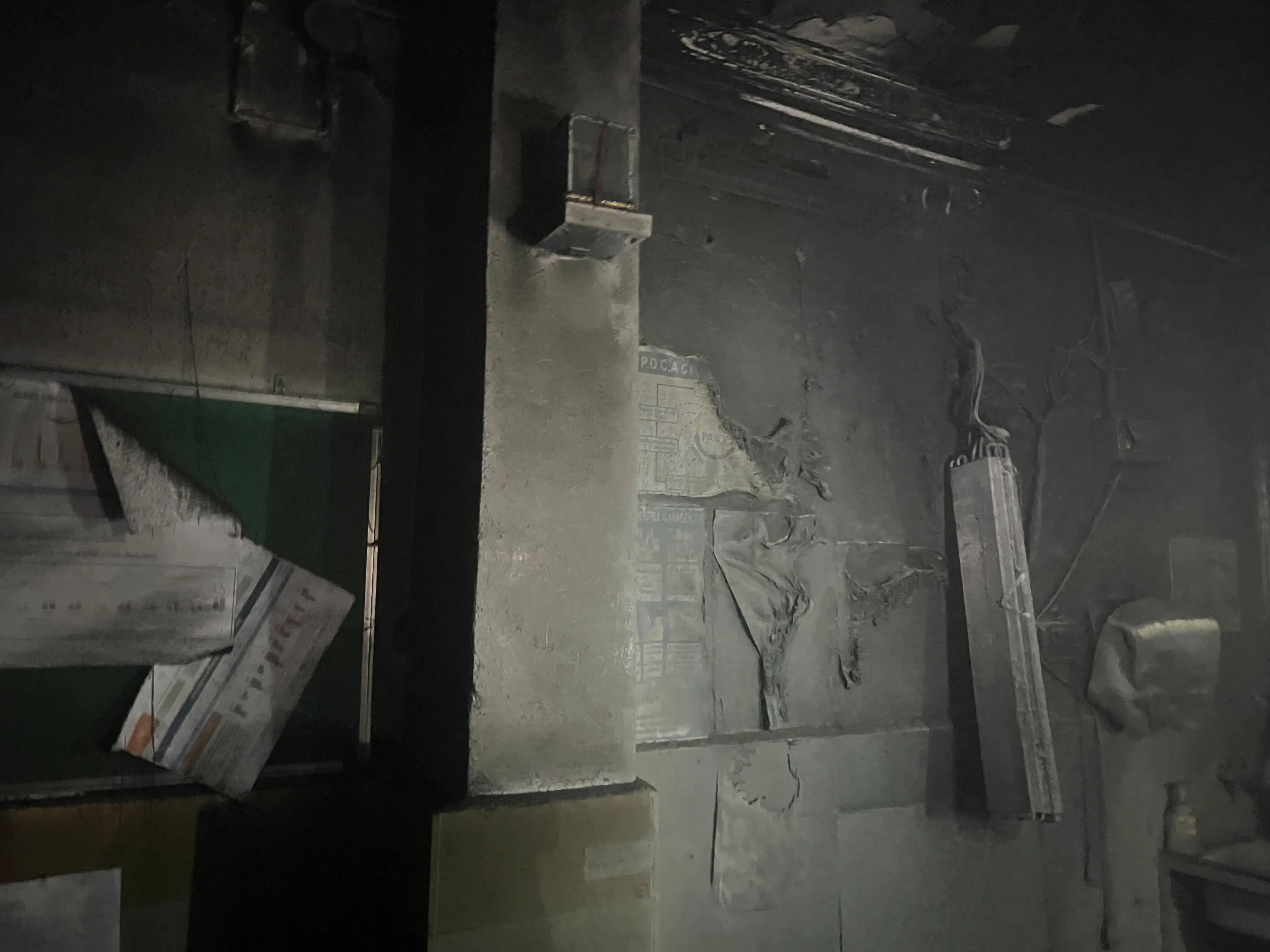)
Two infants die after fire breaks out at RIMS newborn care unit in Telangana's Adilabad
Ice loss in Alaska also sets the stage for earthquakes, as it removes a lot of weight from the crust below. When this happens, faults start moving and can trigger earthquakes, causing "glacier collapse and breach meltwater lakes." McGuire says any region with large amounts of ice is vulnerable going forward, and this "includes Alaska and some of the Rockies, the European Alps and – especially – the Himalayas."
Also Read: 11 trillion tons of ice has vanished from Greenland and Antarctica. That's not the worst part
Byers says to prevent "a future catastrophic event", cruise companies might have to drop the fjord from their routes. He has called for the development of "effective and locally appropriate early warning systems" to ensure timely action. However, avoiding a disaster might not be entirely possible since ships are already in motion and cannot just turn back.
What is needed is a better understanding of where hazards occur and limiting the size or number of ships in a fjord. Satellites can be used to monitor whether slopes are moving. But this may not be foolproof as well, since in heavily glaciated regions some glaciers can move several metres a day. So, in a warming world, more glacier collapses are bound to happen, and predicting them isn't easy to tell.

