AI bubble risk: Sundar Pichai warns no company will be safe if the AI bubble bursts

&imwidth=600&imheight=450&format=webp&quality=medium "AI bubble risk: Sundar Pichai warns no company will be safe if the AI bubble bursts")
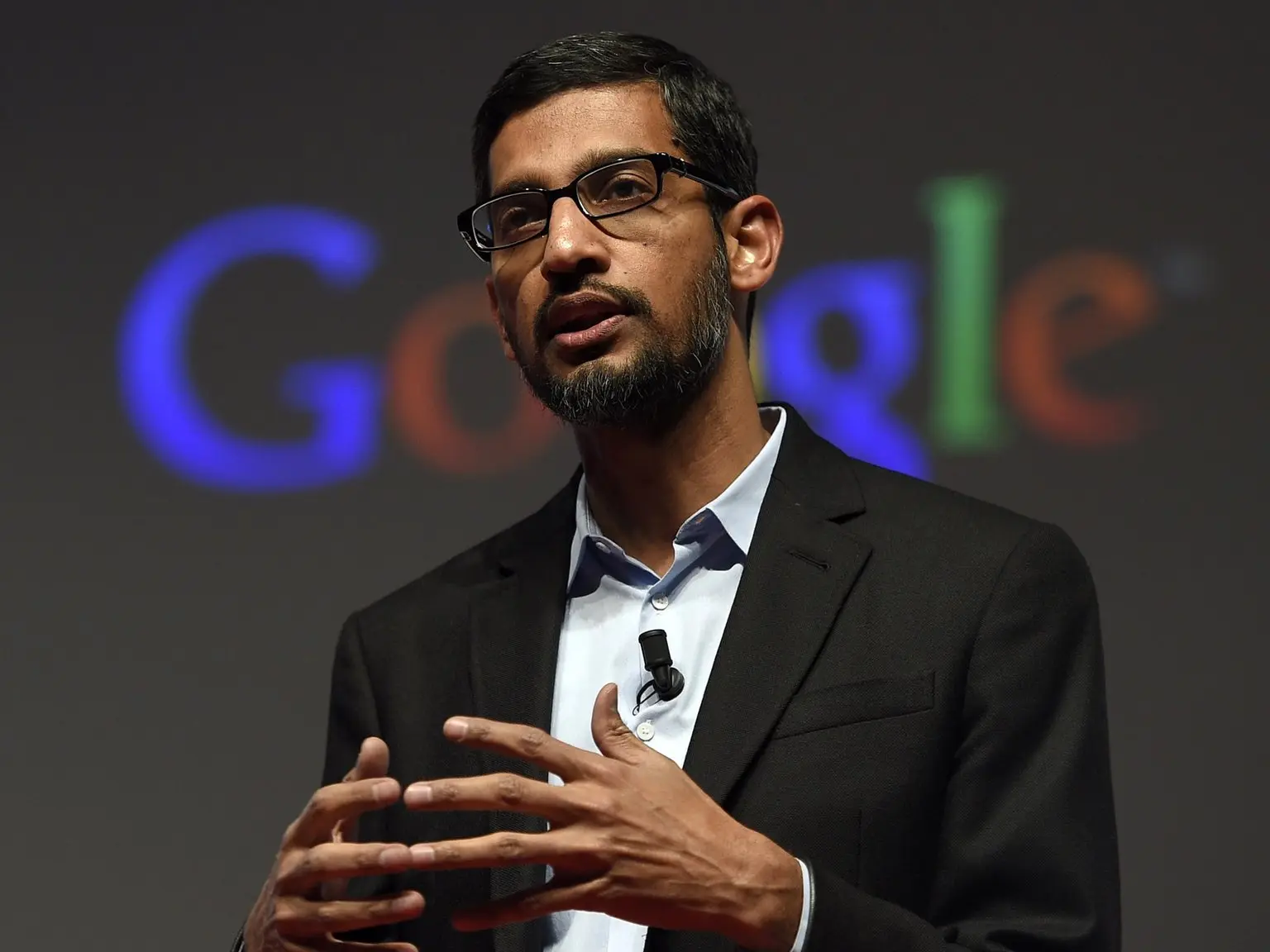
AI bubble risk: Sundar Pichai warns no company will be safe if the AI bubble bursts Photograph: (X)
Google CEO Sundar Pichai warns that no company is safe if the AI boom collapses. He says the market shows signs of “irrationality”, like the dot-com bubble, and urges users not to blindly trust AI tools as big firms race to invest billions in advanced technology.
Google CEO Sundar Pichai has said that no company in the world, including Google, will be protected if the current AI boom collapses. He said this during an interview with the BBC, where he spoke openly about the rising fears of an AI market bubble fuelled by heavy investment and soaring valuations.
Pichai described the moment as “extraordinary” but admitted that the market is showing “elements of irrationality”, similar to the early 2000s dot-com bubble.
AI valuations raising concerns across markets
According to the BBC report, analysts have questioned whether current AI valuations can last, as both large tech companies and start-ups attract huge funding.
Alphabet, Google’s parent company, has seen its shares rise around 46 per cent this year, supported by investor confidence in its AI products and competition with OpenAI.
However, fears of a bubble are also visible in wider markets. In the United States, high AI valuations have started to affect broader trading sentiment. British policymakers have also issued warnings about the “bubble-like” environment forming around AI companies.
Trending Stories
)
)
)
)
)
)
)
)
)
)
)
)
)
)
&im=FitAndFill=(700,400))
)
)
)
)
)
)
)
)
)
&im=FitAndFill=(700,400))
)
)
)
)
)
)
)
&im=FitAndFill=(700,400))
)
)
)
)
)
)
In September, Alphabet announced a £5 billion investment over two years in the UK to support AI research and infrastructure, including a new data centre and additional funding for DeepMind. The company also plans to begin training AI models in Britain, a move welcomed by UK Prime Minister Keir Starmer as part of his aim to make the country a global AI leader.
Pichai: Google not immune despite its strong position
When asked if Google would remain unaffected if the AI bubble bursts, Pichai told the BBC:
“I think no company is going to be immune, including us.”
He added that Google may still be in a better position than others because it runs a full-stack system managing everything from data centres to consumer products. This gives the company more control, which could help it stay stable even during a market downturn.
Still, he acknowledged that the rapid growth of AI models requires massive computing power and energy, and Alphabet’s own net-zero targets are likely to be delayed due to the rising energy demands of AI.
Pichai warns users not to “blindly trust” AI chatbots
The BBC report also highlights Pichai’s comments on AI hallucinations situations where AI tools produce incorrect information with confidence.
The Google CEO said AI systems can still make mistakes, and users should always verify important information. He added:
People “have to learn to use these tools for what they’re good at, and not blindly trust everything they say.”
Google has faced similar concerns with its own models as the company tries to improve the accuracy and reliability of AI tools used by millions.
Dot-com comparison adds weight to market fears
Pichai’s comment that there are “elements of irrationality” echoes past warnings from major market figures.
Earlier, JPMorgan Chase CEO Jamie Dimon told the BBC that the rising US stock market looked unsustainable and that “some of the money being invested in AI is bound to be lost”.
Like the dot-com era, many analysts now believe only a few AI companies will succeed in the long run, while others may fail if the bubble bursts.
