A Canadian explains fighting in ice hockey for Indians

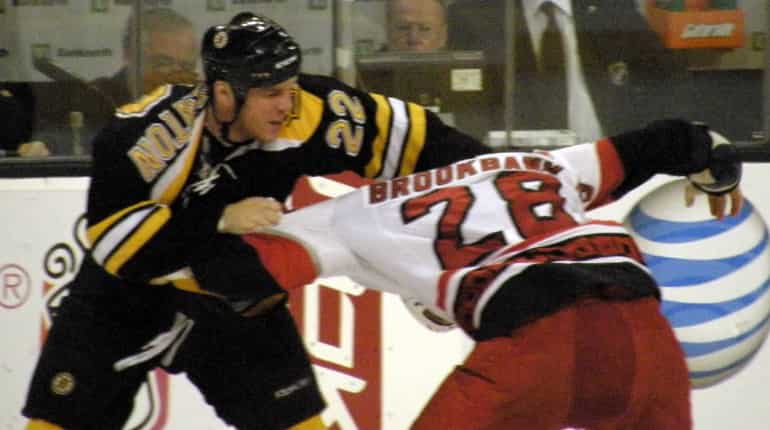
Hockey fights
Why does this sport allow fist fighting? It's savage, and it may be gone soon, but fighting isn't without its own kind of logic
When I toldmyIndian colleague that in pro icehockey players oftenpunch each other in the face, he wouldn'tbelieve me. I was amused, butunderstood his reluctance.Only one sport in the world allows fist fighting. Say whatyouwill aboutrelations between India and Pakistan, when it comes to cricketthere arestandards of behaviour.
Ice hockey is different.
In pro puck, fighting is supervised

After two players “drop the gloves”—both a euphemism for fighting and also something literally done so players can connect fist to face—they sit in the penalty box for five minutes. Players from both teams taptheir sticks against the boards in a show of support, the fans cheer, and the fighters catch their breath.Thefive minute penalty they earned isa “major penalty”, opposed to a two minute “minor”.
But since onepenalty offsets the other, no team is actually handicapped. That fighting is on the one hand considered “major” enough to warrant a longer penalty, yet results in no actual punishmentsums uphockey culture's acceptance offighting.
Also revealing in this regardis the ease with which the announcer switches from narrating a hockey game to a fight. And howthe ref doesn't stop the fight, hesupervises it, only interveningafterthere is a clear winner or when one or both parties seem tired.
)
UK banks are rethinking financial crime detection because of algorithm
)
Raaka creates history! Allu Arjun’s film secures Guinness World Record ahead of release
)
US-Iran war, peace deals and more: What to expect from Trump's UNGA 2026 speech
)
IND vs JPN, one-off T20I: Japan captain Kendel on pushing India to the brink - ‘It was special’
)
J&K Assembly Session begins amid chaos: BJP, ruling alliance clash as statehood demand dominates
)
'Needs time away from the international scene': England white-ball captain Brook on pacer Brydon Carse's future
)
Anti-AI activists storm summit, say 'incompetent' leaders are leading us into a disaster - 'We need a vote'
)
'Lot of things to learn from experienced players': Jayasuriya backs Rohit, Virat for 2027 ODI World Cup
)
Explainer: Why rare-earth export licences and Board of Trade are US priorities ahead of Trump-Xi summit
)
Trump's helipad event overshadowed by audio failure as major TV networks suspend pool coverage
)
India at UNGA81: Jaishankar warns global order under 'growing stress', pushes for ‘reformed multilateralism’
)
Samsung raises Galaxy S26 prices by Rs 20,000: Here’s what each model now costs
)
40-foot waves crash into cruise ship in dangerous stretch near Antarctica. Watch
)
How Zaheer Khan came to be CSK's head coach of IPL 2027
)
Key accused in Bihar's Jamui molestation case, arrested after police shoot him in leg
)
Indonesian groups sue govt over wildfires as haze crosses borders, nearly 900,000 hectares burned
)
AI models chose to harm humans to stop ‘pain,’ alarming study raises fresh safety questions
)
Microsoft executive called AI training the ‘largest theft of labour in human history’
)
From ‘communist’ to ‘great mayor’: Trump praises Mamdani after New York meeting, discusses immigration and housing
)
Two infants die after fire breaks out at RIMS newborn care unit in Telangana's Adilabad
)
IND vs JPN one-off T20I: India survive scare from Japan to win five-over a side match by 2 runs
)
Report: Zelensky meets CIA chief Ratcliffe at Shannon airport, weeks after his secret Moscow trip
)
$110 billion Warner Bros merger: Paramount reaches settlement with 12 US states
)
UK PM Burnham agrees to 'defensive' military support for Saudi Arabia against Houthis
)
Putin's United Russia party wins 355 seats in Duma election; 4 other parties cross threshold to enter parliament
)
US and China vie for AI dominance as calls grow for regulation | Gravitas
&im=FitAndFill=(700,400))
New OTT releases this week (September 21-27, 2026): Shaque: Trust No One, Hunkkaar, Don’t Be Shy- 5 new titles coming to Netflix, Prime Video and more
)
Randeep Hooda arrives in Gujarat for his first National Film Award: ‘Very grateful’
)
Saudi Arabia exits China-led mBridge digital currency platform amid Saudi-Houthi conflict
)
FIFA chief Infantino wants to reform governing body with consultation from federations
)
Asian Games 2026: India women's cricket team beats Sri Lanka by 147 runs for first gold
)
‘0% chance’: Nvidia CEO Jensen Huang dismisses AI extinction fears by 2030
&im=FitAndFill=(700,400))
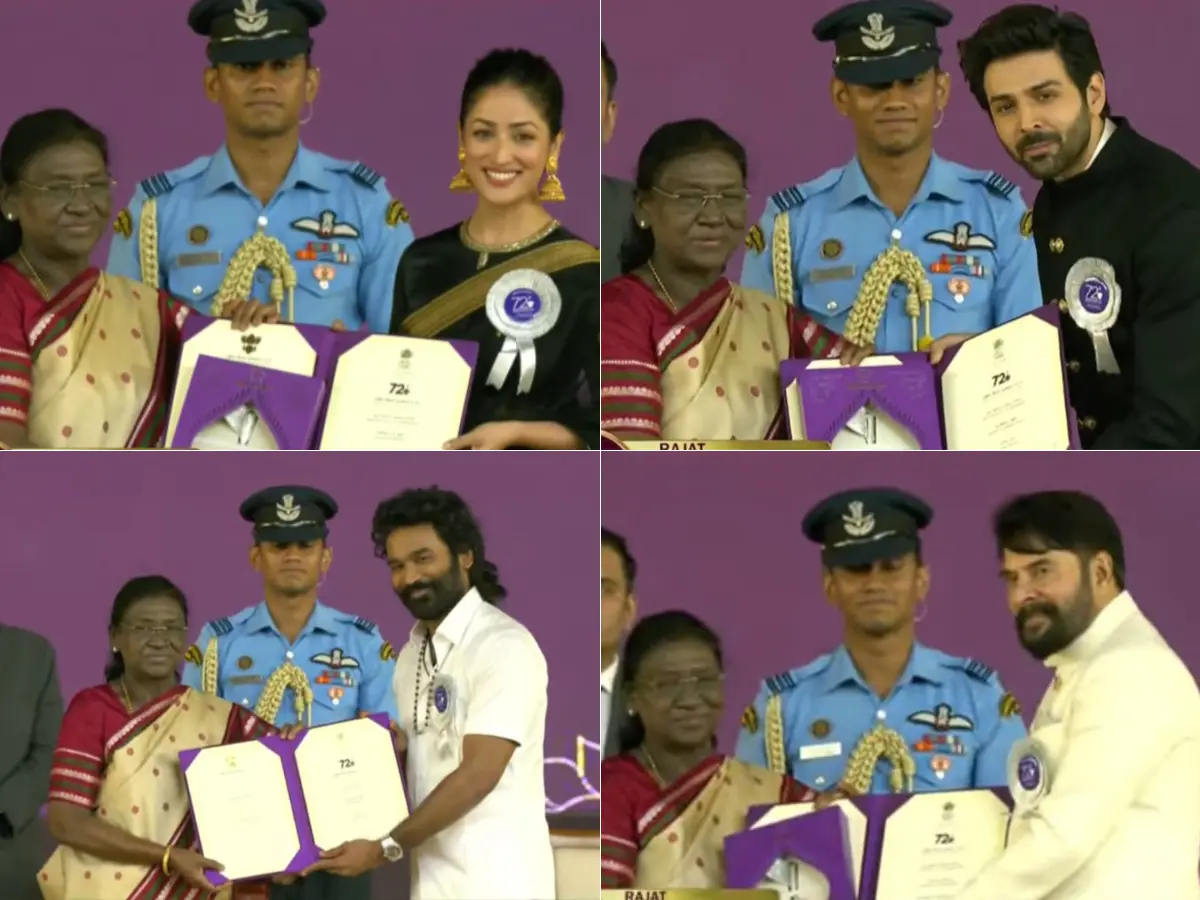
National Film Awards 2026: Kartik Aaryan, Mammootty, Yami Gautam, Randeep Hooda and other key winners
)
Jailer 2: Vidya Balan joins Rajinikanth's upcoming film as Kantha | Watch
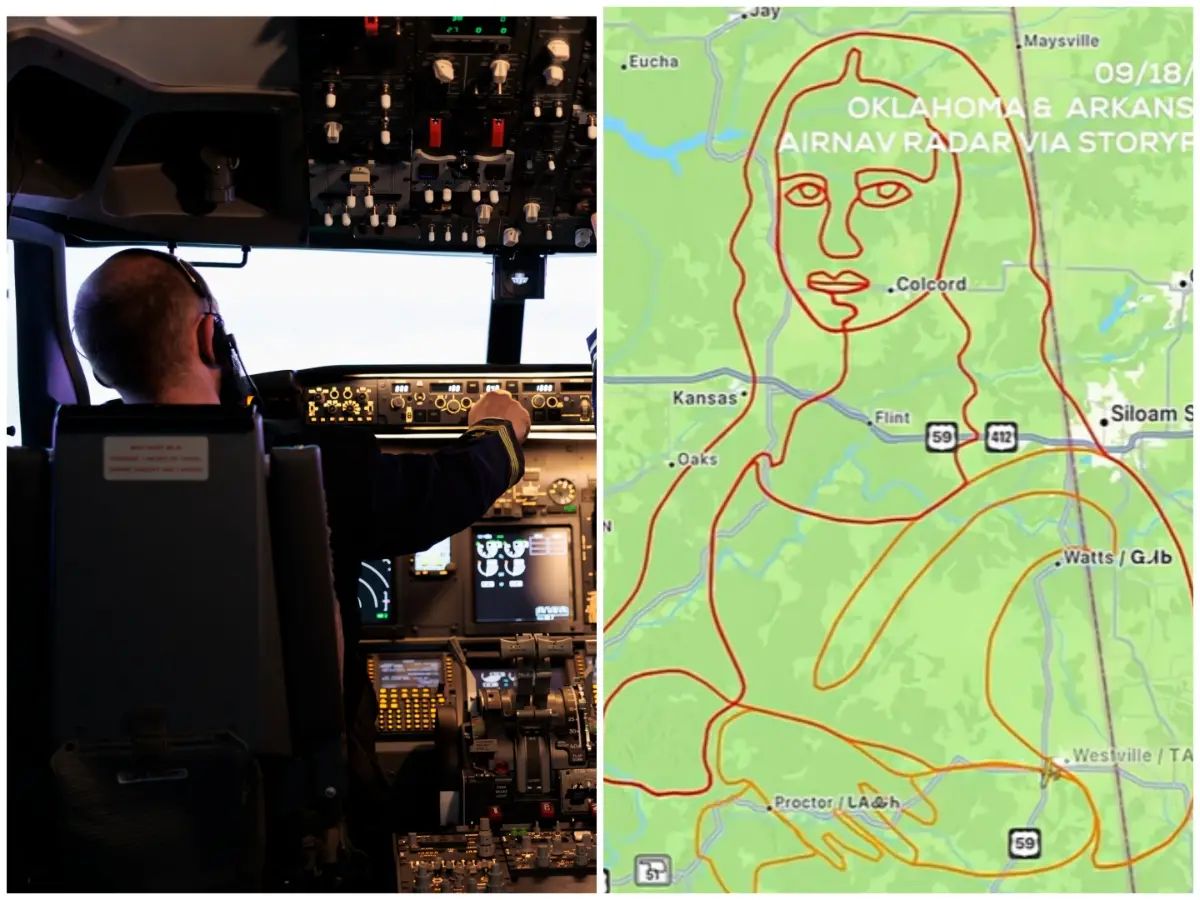)
Pilot recreates Mona Lisa in sky over Oklahoma and Arkansas in four-hour flight: VIDEO
)
Samay Raina-Mukesh Chhabra controversy explained: What happened over girlfriend joke on India's Got Latent?
&im=FitAndFill=(700,400))
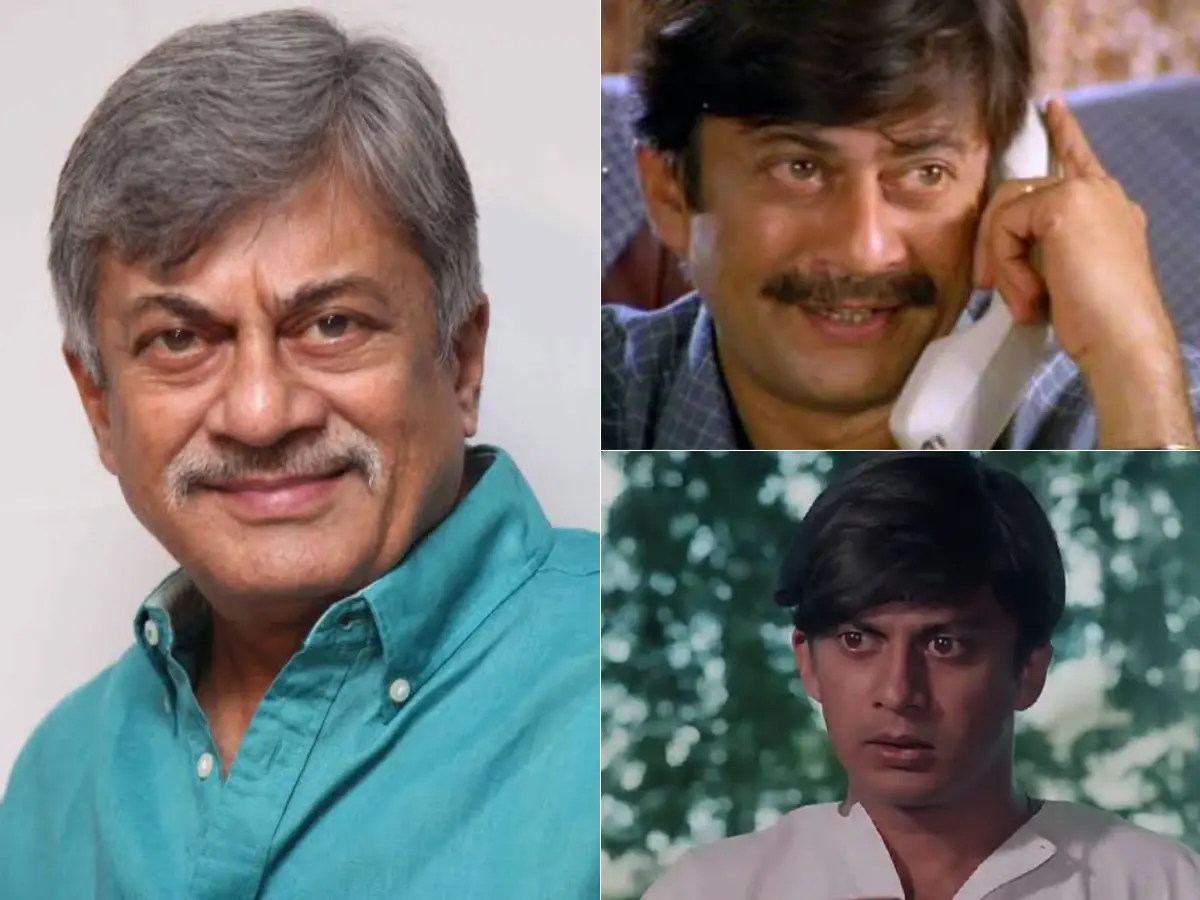
Anant Nag to recieve Dadasaheb Phalke Award: From Ankur to Nishant- Revisit his best films and iconic performances on OTT
)
New Zealand farms shift to carbon forests: Carbon credits fuel a land rush reshaping rural life
Why do ice hockey players fight?
The basic logic: “Enforcers” protect skilled teammates. Ice hockey is an ultra-fast game played in an enclosed rink by rough men carrying wooden sticks. If a small, skilled guy can't score because players are hackinghim,that's no good.Injuriesand intimidation is built in to hockey.Formally, there arefiveways a hockey stickcan be used for assault: Cross-checking, tripping, slashing, hooking and spearing.
Soif somebody messes with the skilled guy, the goonsortshim out.A dangerous man is a bigger threat thanthereferee'swhistle.
Historically, this worked. Themild-mannered ,140-pound Wayne Gretzky scored 2-3 points a game for the Edmonton Oilers in the '80s. Any punk who laid a finger on himdealt withabloodthirsty animal named Marty McSorley.
Fightingislike nuclear deterrence: Peace is maintained by keeping a lethalweaponinactive. Everyone knows nuclear warheads aredangerous, but no country wants to get rid of their own whileother countrieshave them. Similarly, no coach wants to get rid of their fighter.
This explains why fighting is so hard to remove from the game, despite modern knowledgeabout the long-term effects of concussions. It alsoexplains why each professional ice hockey team has at least one player who is noticeably bad at hockey.
The "staged" fight
In peacetimewhen fighting is unnecessary, so are fighters. Sotwo enforcers willfight each otherbecause they simply have nothing else to do. They need to remind the coach of their specialty. Indeed, their onlypurpose.
Sometimes, before a whistle you cansee twoplayers talking. The puck dropsand immediatelytheygo ateach other.This isthe staged fight, probably the fight most puzzling and unnecessary to outsiders. It seems like nothing has preceded the fight, but that isn't quite true.
Even totally useless, staged fightscan totally change the momentum of a game. Oneteam gets an adrenaline rush and the game is simply different after. This is sometimes reason alone to fight a guy.
Rivalries and score settling
Here issome accepted wisdomin hockey that makes no sense but stillis basically a law: It's usually OK to slash someone, but if you slash someonebackthe ref will see and he'll whistle you for it. Retaliation is the sin, not the slash.So players will take down the guy's number and tag them good later.
It might be next period, it might be next season. It might be a nice legal open-ice hip check, a nasty illegal hit, or a fight. It depends.But what looks on the surface like only senseless violence may bejust a reasonable, measured response to senseless violence.
"Face washing"
Sometimes, twopretty skilled guys bump into each other.They might skate away, but sometimes onegives a shove or a hack. The other doesn't want to take this silently;It signals he can be pushed around.So he shoves back, and things escalateuntil maybe punches are thrown.
Perhaps they only reach the stage just before afight, which is the "face wash". When aplayer wipes another player's face with his open hand, that's a face wash. It doesn't hurt, it's justmeant to be demeaning, to goadother players into takinga penalty by protecting their honour. They're common in post-whistle scrums. At the 0:28mark here is a decent face wash.
Sheer goonery:
Lest we think fighting is rough butrational, often it isjustbrainless goonery.
The retired enforcer Tie Domi--the prototypical meathead goon, bless his heart--used the term"old time hockey" to describe the time he punchedafan in the face. Video of this incidentis posted below, as proof it happened andbecause it's insane. I watched this game live on TV, and while it seemsincredible to me now on several levels,itmade sense at the time, just a naturalexpression of my own hatred for Philly and their fans.
Sport's parallel to nationalism
I used to be amaniac fan watching games on TV by myself,screaming obscenitiesin response to grievancesmostly imagined. I would stomp aroundand freak out. I've never punched anybody in my life, outside of ice hockey.I was a lunatic. Canada has many such lunatics.
Athleticism can be valued for its own sake. Its elegance, imagination and skillis ravishing.The comaraderie as a teamgrows togetherand accomplishes their mission can be beautiful. Sports are great!
But some fans support their teamas rabidly and blindlyas nationalists do their country. People form allegiance totheir country and their sports team often for the same reason:They were born there. Rival countries interpret the same historical event in the exact opposite way,like opposing fans arguing about whether a play was offside after watching the exact same replay.
They both often have a superficial love manifestedin the fanatic embrace ofsymbols (a team logo, a national flag, the myths of each). On the other side is hatefor certainteams or countries. Both sides are toxic.
There's overlap inthe underlying forces causing conflict between countries and sports teams. Self-identifying with anationorsports teamoften carries a germ thatwarpsperspective and creates endless antagonism. With countriesit can lead to war. In hockey, to fist fighting.
My derangement
I have experience being deranged.My Leafsmet the Ottawa Senatorsin the playoffs four times in five years between 2000-'04. I mean it, I hated everything to do with Ottawa.When the Weather Channel reporteda stormhit Ottawa, I cheered. This is not an exaggeration, I have a specific memory rejoicing at aweather report.
Being ahockey fan was the closest I've ever got to being racist. Until a few years agoI spelled Ottawa Senators without capitalising either proper noun.Theimproper grammar stung, but I could notshow thatteam any respect.
I have grown up. Notice, I usedcapital letters back there.Ilet go of myhate.I don't"Other" playersor teams.Now I have the good sense to understand that, just like people are people wherever country they're from, soevery single NHL player isobscenely rich, disgustinglyyoung and physically gifted.
This past April I watched my Leafs play playoff puck for the first timein years. The hockey was great, but I was silent and enjoying it. I didn't want Washington Capitals players, our opponent,to die. I cheered forthe Senators even.The Leafs lost, life went on.
Macho tradition vs modern science
If a hippie pacifist weenielike me can be brought to a nearmurderous rageby hockey,no wonder strappingfarmboys brought up in a hyper-masculine war culture to value self-sacrifice and ferocityend upfighting people.
But hockey culture is changing. We know aboutthe long-term impactof concussions now. Fighting is in decline. Even if it isn't entirely eliminated, "rock 'em sock 'em" hockey isn'tin vogue. Fighting is lessglorifiedand this isslowly changingthe culture.
The rules have changed in recent years to promote skill, not brute toughness.It's welcome.The gamehas markedly improved. According to hockeyfights.com, in2002 season, 42 per cent of games had at least one fight. Last year, this wasdown to 25 per cent. Progress!
But call it nostalgia, I can't help feel somefondness for the old rough stuff.If today it seems crazy that hockey still allows fighting, 90s and early 2000s puck wasreallycrazy.
Here are a few wild,classic samplesof NHL playersdropping the gloves.
Exhibit #1-Goalie fights--Felix Potvin vs Ron Hextall, 1993
Exhibit #2--Goalie +forwards +defenceman fight--Detroit vs Colorado, 1997
Exhibit #3--"The Brawl", allOttawa vs allPhiladelphia, 2004
(WION)