Ancient love preserved: Termites found frozen in amber while mating 38mn years ago

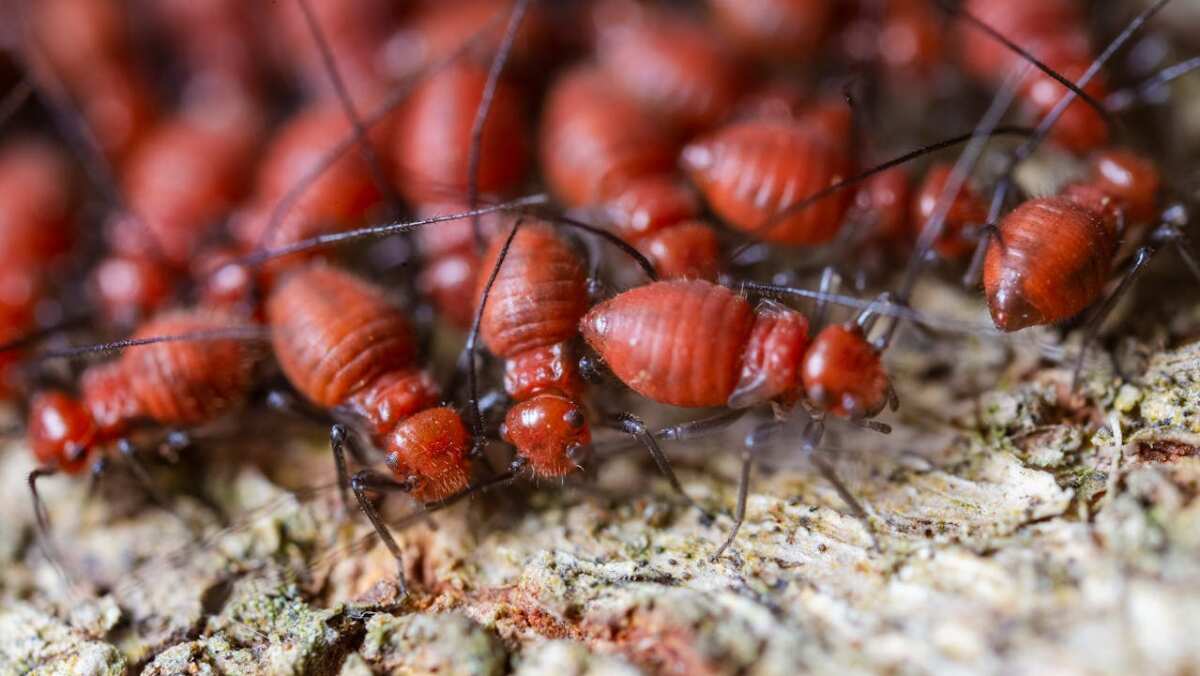
Colony of termites crawling on a terrain
A remarkable discovery of fossilised termites caught in the act of mating has provided insights into the behaviour of an extinct species that roamed the Earth approximately 38 million years ago. Led by Auburn University Assistant Professor Nobuaki Mizumoto, an international team of researchers unveiled their findings on this rare fossilised pair encased in amber.Amber is a fossilised tree resin, typically found in deposits ranging from millions to tens of millions of years old.
The insects believed to be engaged in a tandem run, were perfectly preserved in their mating position within the ancient tree sap turned into amber over millennia.
The tandem run mating position is a behaviour observed in certain insect species, including termites. It involves two mating individuals maintaining head-to-abdomen contact while moving together, often in a coordinated manner.

During a tandem run, the mating pair typically explores their surroundings, often in search of a suitable nest location or food source. This behaviour is important for reproduction and colony establishment in termites.
Mizumoto while highlighting the importance of such discoveries, stated, "Amber provides one of the most detailed and vivid records of extinct life." However, he cautioned that fossilisation processes could potentially distort the true nature of past organisms.
)
India ‘deeply concerned’ as Houthi strikes hit Saudi civilian & energy sites
)
Three labourers killed as DU student loses control of his car, rams into them on Dwarka Expressway
)
Pentagon revives mandatory testosterone testing for male troops aged 30 and above
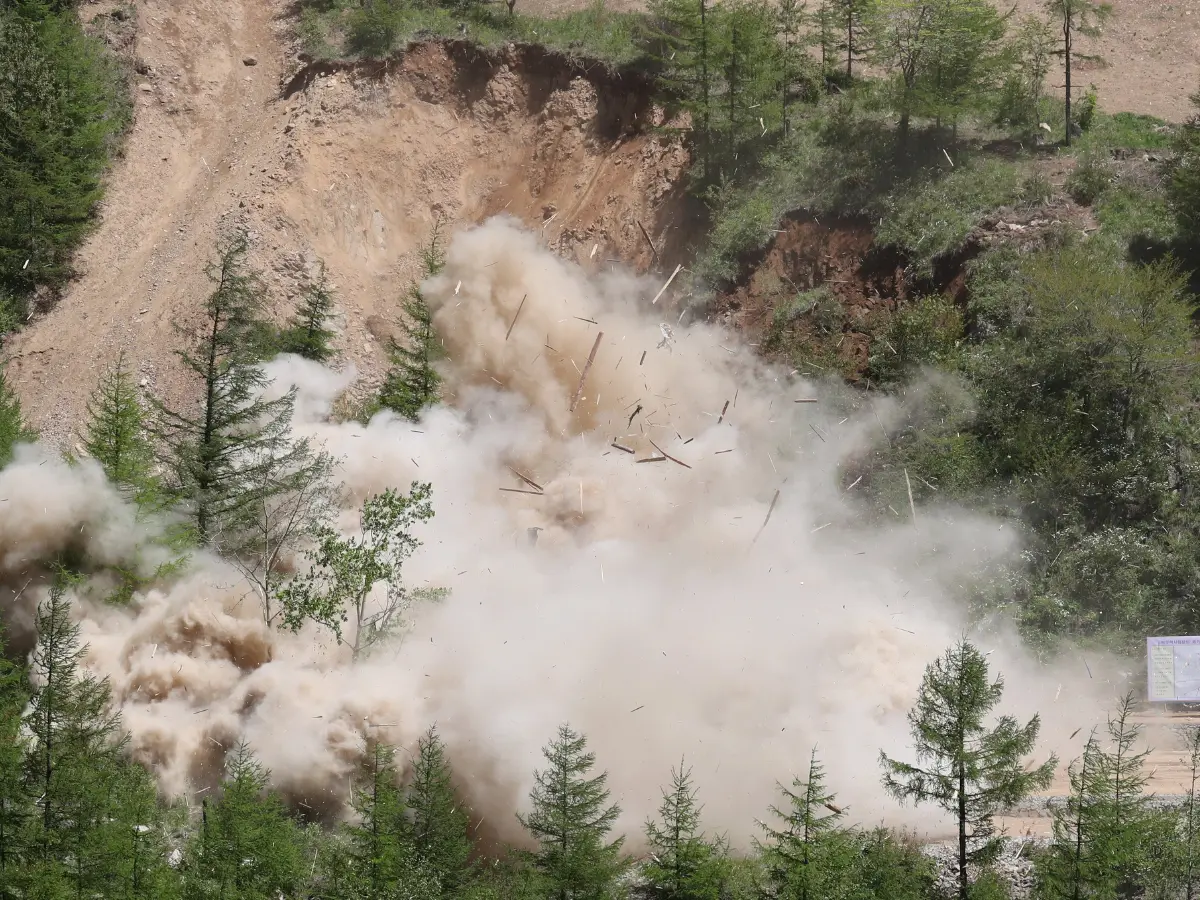)
North Korea's last nuclear test in 2017 set off 1,399 earthquakes over 8 years, each stronger than previous
)
India seeks to build a full semiconductor supply chain
)
FACT CHECK: Why did PM Modi ask Xi ‘is it okay’ at BRICS Summit? New video reveals...
&im=FitAndFill=(700,400))
From Abhishek Sharma to Sahil Chauhan, 5 batters with fastest T20I hundreds
)
Indian activist-lawyer Prashant Bhushan's post brings focus on ‘conflict of interest’ appointments of ex-govt officials at Reliance, Adani groups
)
Former India player Diana Edulji wants Smriti Mandhana to replace Harman as skipper at the earliest
&im=FitAndFill=(700,400))
Meet top 5 batters in the latest ICC T20I Rankings
)
UNGA 2026 theme explained: What does ‘Restoring trust, managing transformation: A United Nations that delivers for all’ mean?
)
Godfather of AI Geoffrey Hinton gives US lawmakers a one-year warning on AI
)
US F-16 fighter jet crashes in Michigan during training mission, pilot ejects safely
)
A first in 100 years: New cat species discovered in Bolivia is incredibly tiny
&im=FitAndFill=(700,400))
Meet top 5 Indian batters with fastest T20I centuries
)
Shivakumar attends 79th Kalyana Karnataka Utsav in Kalaburagi
)
Xi-Trump summit may boost military links
)
Hong Kong extends newborn cash support scheme by three years
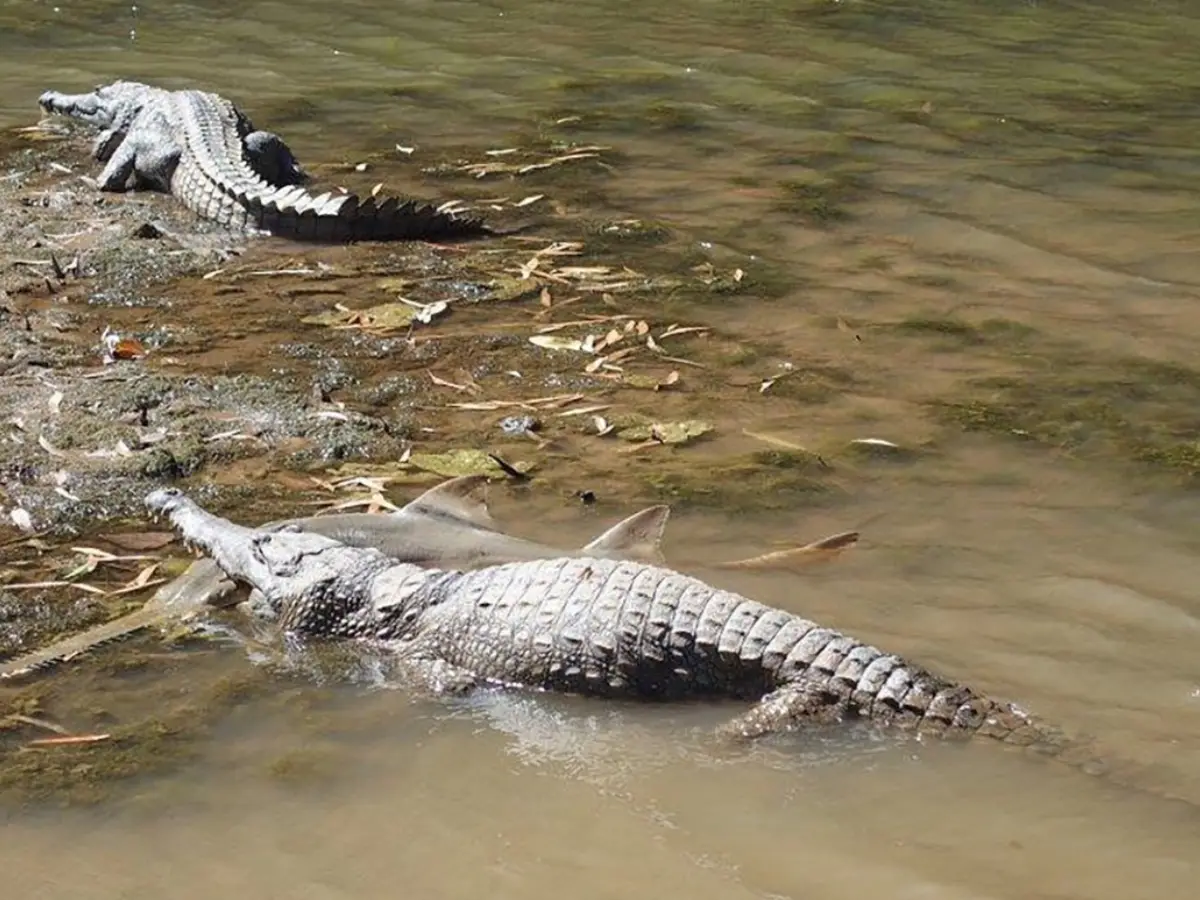)
How did an Australian river with 500 crocodiles pass the Olympic test? Here's how
)
‘Will go to any extent’: Pakistan vows to defend Saudi Arabia amid Houthi attacks
)
'He will always be ahead': India coach Gambhir says Sooryavanshi won't walk into team ahead of Samson
)
The Verdict | When precision fails: US commits war crime in Minab school strike, UN finds
&im=FitAndFill=(700,400))
New Friday OTT releases (September 18, 2026): Lust Stories 3, You+Me, Best of the Best- 8 new titles coming on Netflix, Prime Video and more
&im=FitAndFill=(700,400))
Which country has the most F-35s outside America?
)
Africa is splitting, and a lot sooner than estimated, giving way to a new ocean
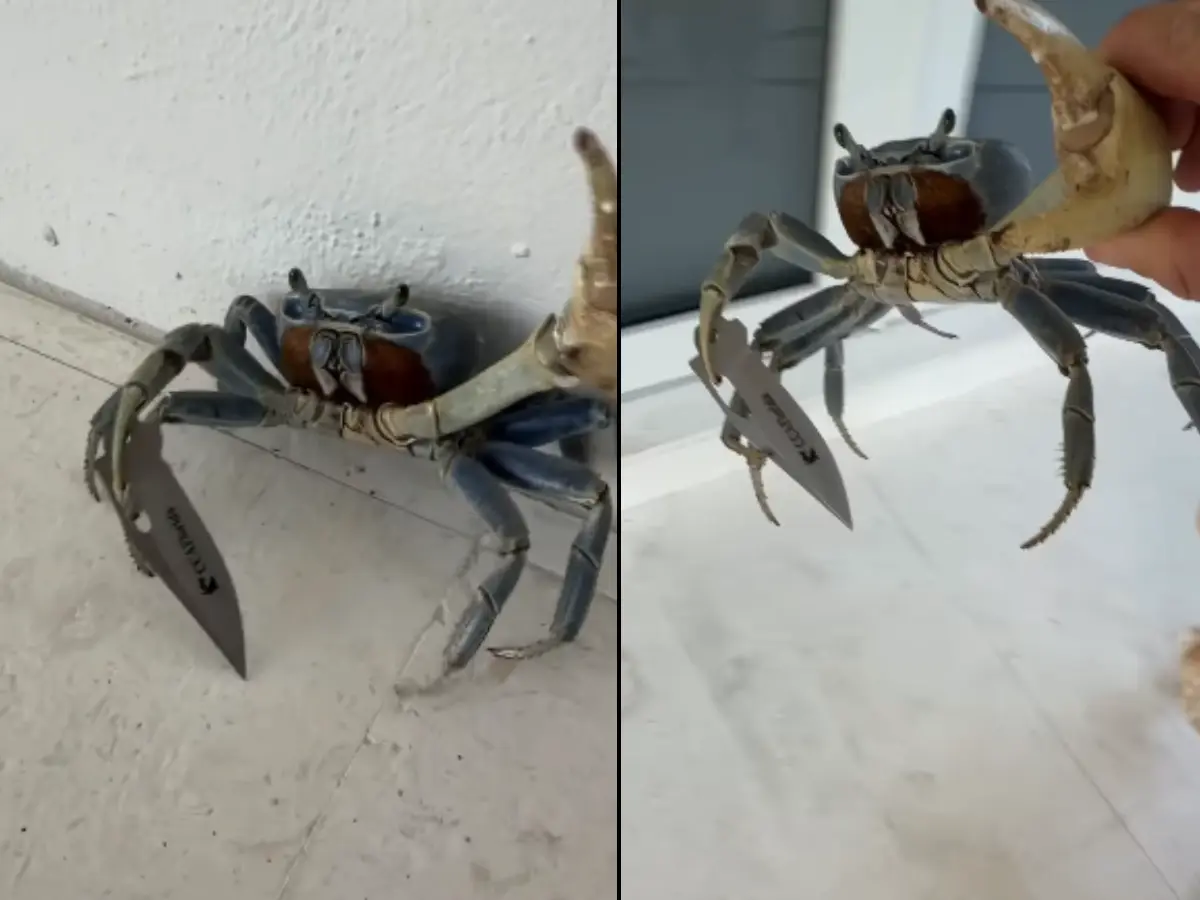)
'Gangsta' crab shoves knife blade at man and his dog in Florida - Watch
)
Trump bans CNN, MS NOW and Politico from White House over ‘FAKE NEWS’
)
Ganpati Visarjan: Alia Bhatt and Ranbir Kapoor bid adieu to Bappa, watch viral videos
)
Drone strikes cooling tower at Russia's Kursk Nuclear Plant, IAEA confirms
)
Who is Khalilur Rahman? All you need to know about 81st UN General Assembly President
&im=FitAndFill=(700,400))
Meet top 5 bowlers in latest ICC T20I rankings
&im=FitAndFill=(700,400))
Suriya and Jyothika say ‘I do’ again after 20 years! See their dreamy wedding pics
)
Cristiano Ronaldo returns to Portugal squad for Nations League under new coach
)
Laura Wolvaardt sets new world record for most WT20I runs in a year
)
Asian Games 2026: Shafali stars as India thump Japan by 8 wickets to book semis berth
)
Ukraine plans record $109 bn defence spending, nearly two thirds of budget amid Russia war
To validate their findings, the team conducted experiments replicating the immobilisationprocess in a laboratory setting using modern-day termites.
Mizumoto explained, "We found that the posture of the fossilized pair matches trapped tandems and differs from untrapped tandems. Thus, the fossilised pair likely is a tandem running pair, representing the first direct evidence of the mating behaviour of extinct termites."
Their groundbreaking research, published in the prestigious Proceedings of the National Academy of Science, pointed at the ancient mating rituals of termites. The fossilised pair, identified as Electrotermes affinis, offered a unique glimpse into a long-extinct species' behaviour and lifestyle.
Watch | Top AI tools increase worries of deep fakes ahead of elections: Study
The fossil's journey to scientific scrutiny began when co-author AlesBucek stumbled upon it for sale online. Recognising its scientific value, Bucek acquired the fossil, which is now housed at the National Museum in Prague, Czech Republic.
(With inputs from agencies)