Trump 2.0: Dark days ahead for America’s ‘imperial presidency’

&imwidth=600&imheight=450&format=webp&quality=medium "Trump 2.0: Dark days ahead for America’s ‘imperial presidency’")
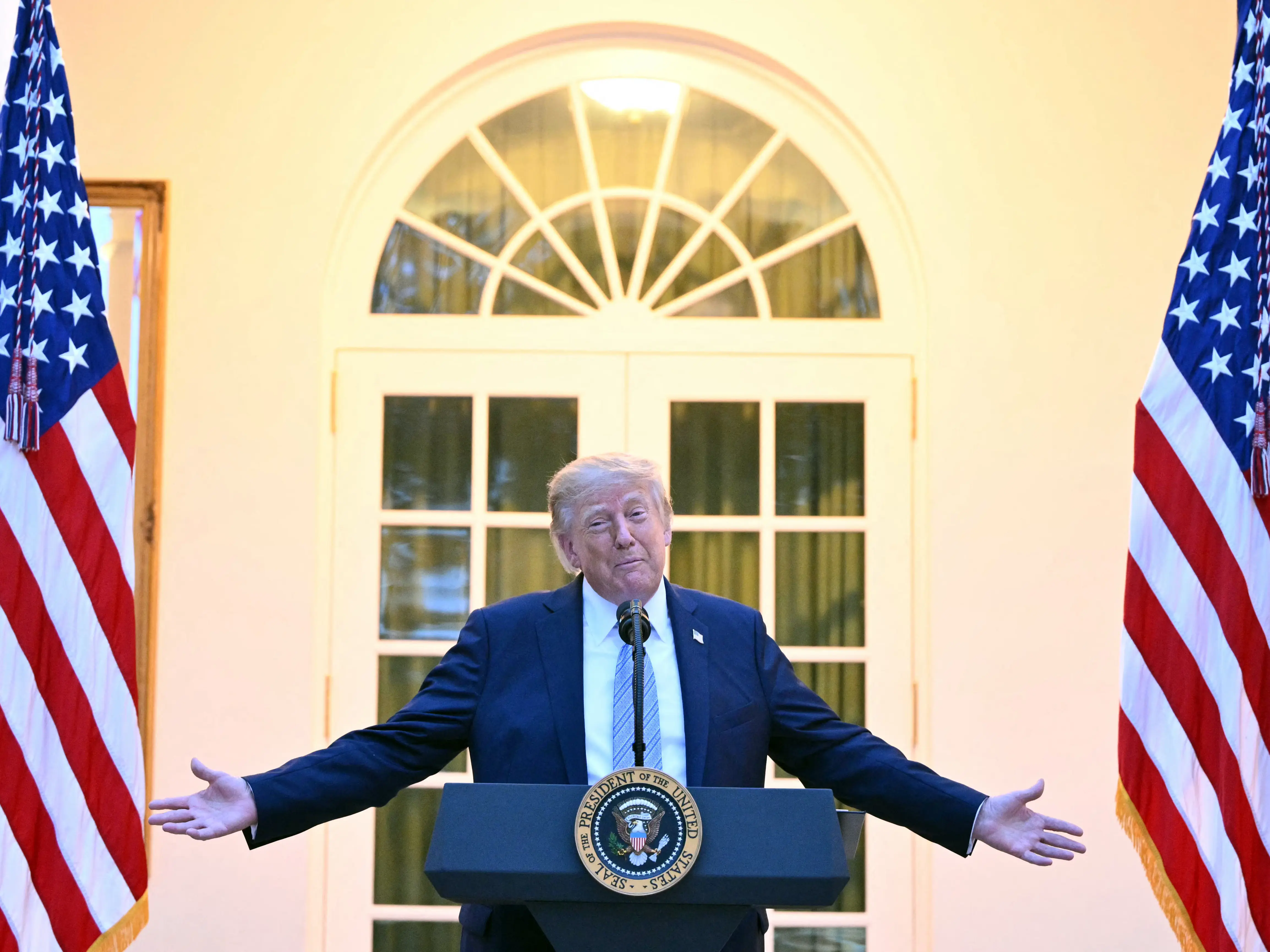
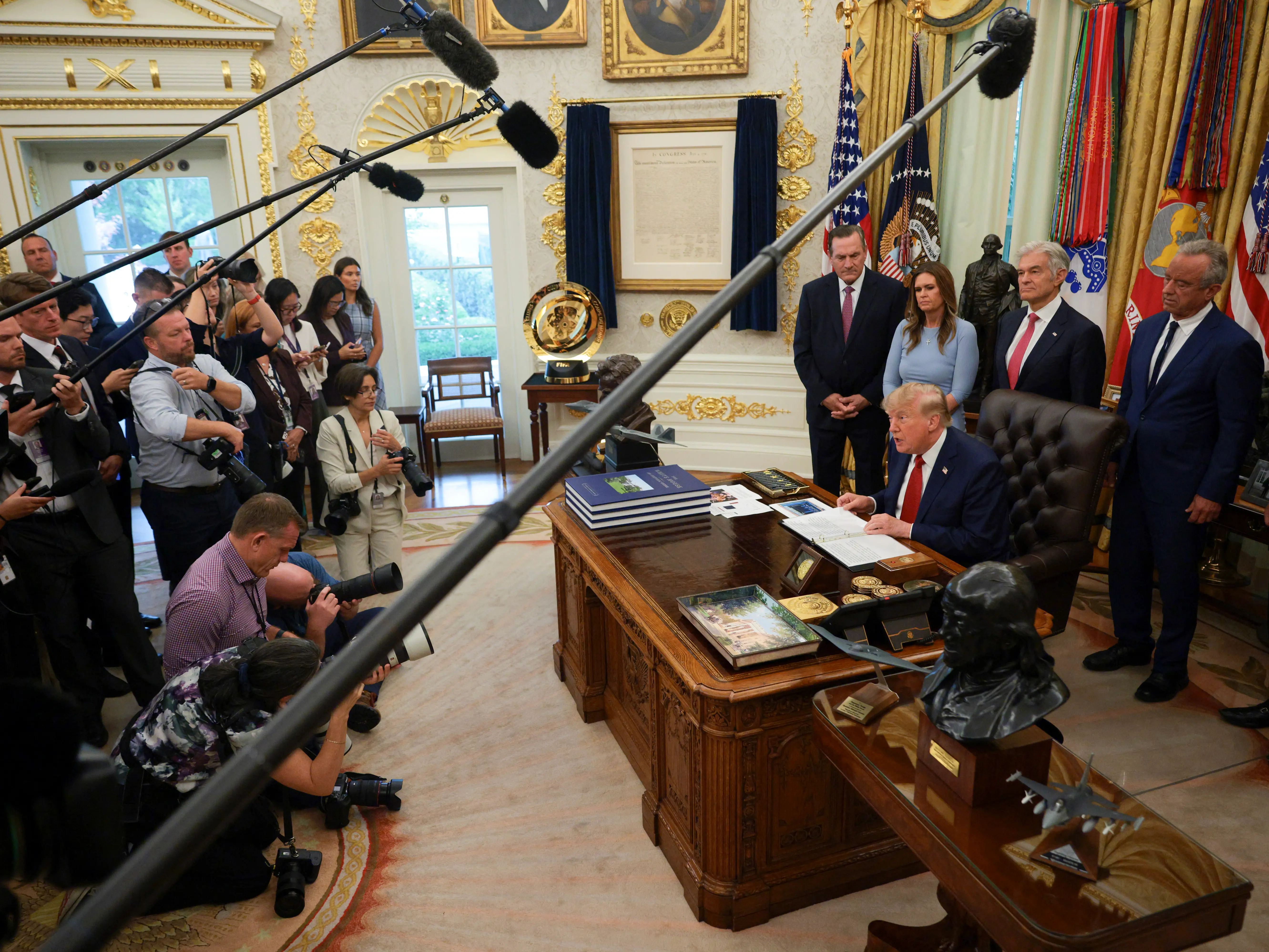
US President Donald Trump speaks during a Rose Garden dinner at the White House in Washington, DC, on September 17, 2026. Photograph: (AFP)
According to a survey of 42,151 people in 36 countries conducted by the Washington-based Pew Research Center in May, attitudes toward the United States and its president are negative in regions across the globe.
WASHINGTON – To hear President Donald Trump tell it, the United States enjoys global respect “like never before.” A series of international surveys contradict that claim, but it gives ammunition to critics who, as one recent headline put it, believe that “Trump has untethered himself from reality.”
The term “alternative reality” has been common currency among Trump critics ever since then presidential counsellor Kellyanne Conway assured journalists questioning claims of a record attendance at Trump’s inauguration that the White House had “alternative facts.”
That was on the second day of the president’s first term. Since then, there has been an unending stream of statements contradicted by facts. The Washington Post tallied 30,573 “false or misleading” statements from 2017 to the end of the first Trump term.
The White House has also brushed facts aside in Trump’s second term, beginning in 2025. The way the world sees the United States is another example of a clash between reality and wishful thinking.
The assertion that global respect for the U.S. is at an all-time high has featured in multiple speeches to global and domestic audiences, the latest this month, even as it became clear that the war against Iran that Trump started in February is deeply unpopular both abroad and at home.
Trending Stories
)
)
)
)
)
)
&im=FitAndFill=(700,400))
)
)
&im=FitAndFill=(700,400))
)
)
)
)
)
)
)
)
)
)
&im=FitAndFill=(700,400))
&im=FitAndFill=(700,400))
)
)
)
)
)
)
)
&im=FitAndFill=(700,400))
&im=FitAndFill=(700,400))
)
&im=FitAndFill=(700,400))
)
According to a survey of 42,151 people in 36 countries conducted by the Washington-based Pew Research Centre in May, attitudes toward the United States and its president are negative in regions across the globe. Disapproval is tied to policies that range from tariffs to international conflicts such as the war on Iran and Russia’s war on Ukraine.
An even more extensive survey by the Alliance of Democracy Foundation, a watchdog group based in Denmark, found that respondents in 82 of the 85 countries surveyed held negative views of the United States.
That stands in sharp contrast to decades during which the United States was seen as a force for good for its role in shaping alliances and helping create international organisations such as the World Bank, the International Monetary Fund and the United Nations after the end of World War II.
But from his first term in office (2017-2021) to his second, Trump has been outspoken about his disdain for international alliances, including the North Atlantic Treaty Organisation (NATO). Mocking some of its leaders has prompted anger rather than respect.
Paying little attention to what political scientists call the rules-based international order has prompted global publics to increasingly view Trump as an unreliable partner. That does not appear to cause him sleepless nights.
But he is aware that widespread dissatisfaction at home with the impact of his foreign policy moves augurs dark days ahead for the Republican Party he leads.
The party holds slim leads in both the House of Representatives and the Senate. They provided no hurdle to Trump’s relentless drive to amass power in the executive, the third pillar of the American political system. Trump loyalists run the second, the judicial.
Trump supporters subscribe to the “unitary executive theory”, a concept that holds that the President has absolute authority over the executive branch, complete with the power to fire all federal employees at will and without explanation.
That is the reason why political pundits call the present system “the imperial presidency. “
It may come to an end on November 3, in midterm elections for all 435 seats in the House and 35 of the 100-seat Senate.
Judging from polls, the Republicans are very likely to lose the majority. Some raise the less likely possibility that in the Senate enough seats will be flipped for a razor-thin Democratic majority. A change in the House would follow a historic trend – the dominant party traditionally loses its majority. The last time it didn’t was 24 years ago.
To fire up voters, the Republican National Committee organised a party convention in the second week of May, with Trump as keynote speaker on both days. But dozens of candidates in vulnerable seats stayed away – clearly because they didn’t think closeness to an unpopular president was a winning strategy.
Trump’s approval rating is at its lowest in his two terms. The reason, which cuts across party lines: the war on Iran is deeply unpopular, and so are high prices for gasoline caused by the closure of the Strait of Hormuz, the key waterway that used to carry a fifth of the world’s oil.
Protesters in at least nine countries have staged mass demonstrations against skyrocketing fuel prices, blaming both their local governments and the U.S. war against Iran, which has led to the closure of the narrow shipping lane that carries a fifth of the world’s oil.
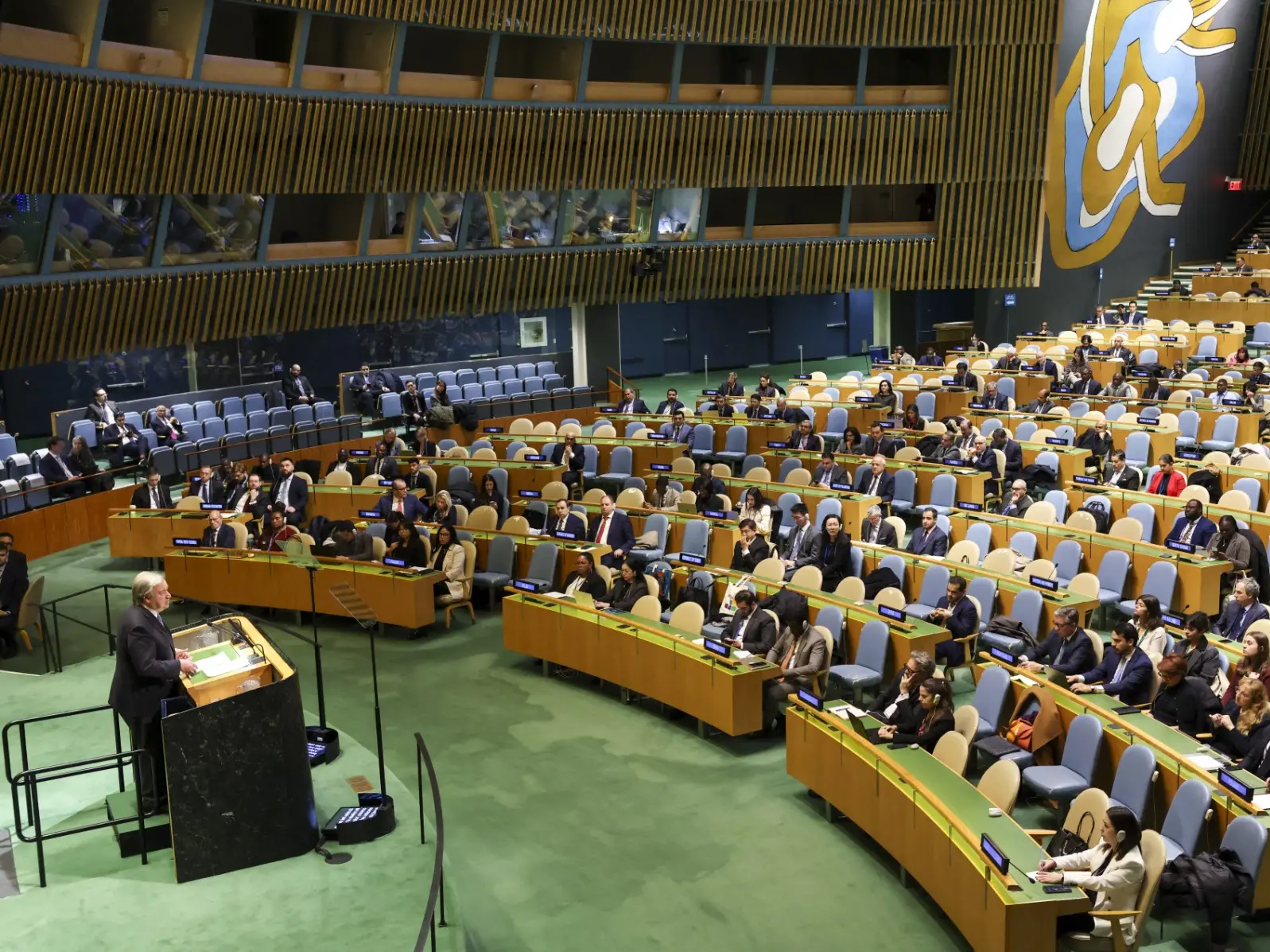
How the world’s leaders rate Trump’s performance and the respect he claims will be put to the test next week when the American president addresses the annual meeting of the United Nations General Assembly (UNGA), which includes 193 member states.
In his address last year, he boasted that joint U.S.-Israeli bombing strikes on Iranian nuclear facilities in Iran the previous June had “totally obliterated everything.” That proved wishful thinking.
Iran remained defiant even though it took heavy blows militarily and economically last year and then again since the beginning of the war in February.
As the war dragged on, regional instability has been growing, and so have doubts among Washington’s Gulf allies that the United States can protect them.
Don’t expect the U.N. speech to prompt a standing ovation or other signs of respect.
