
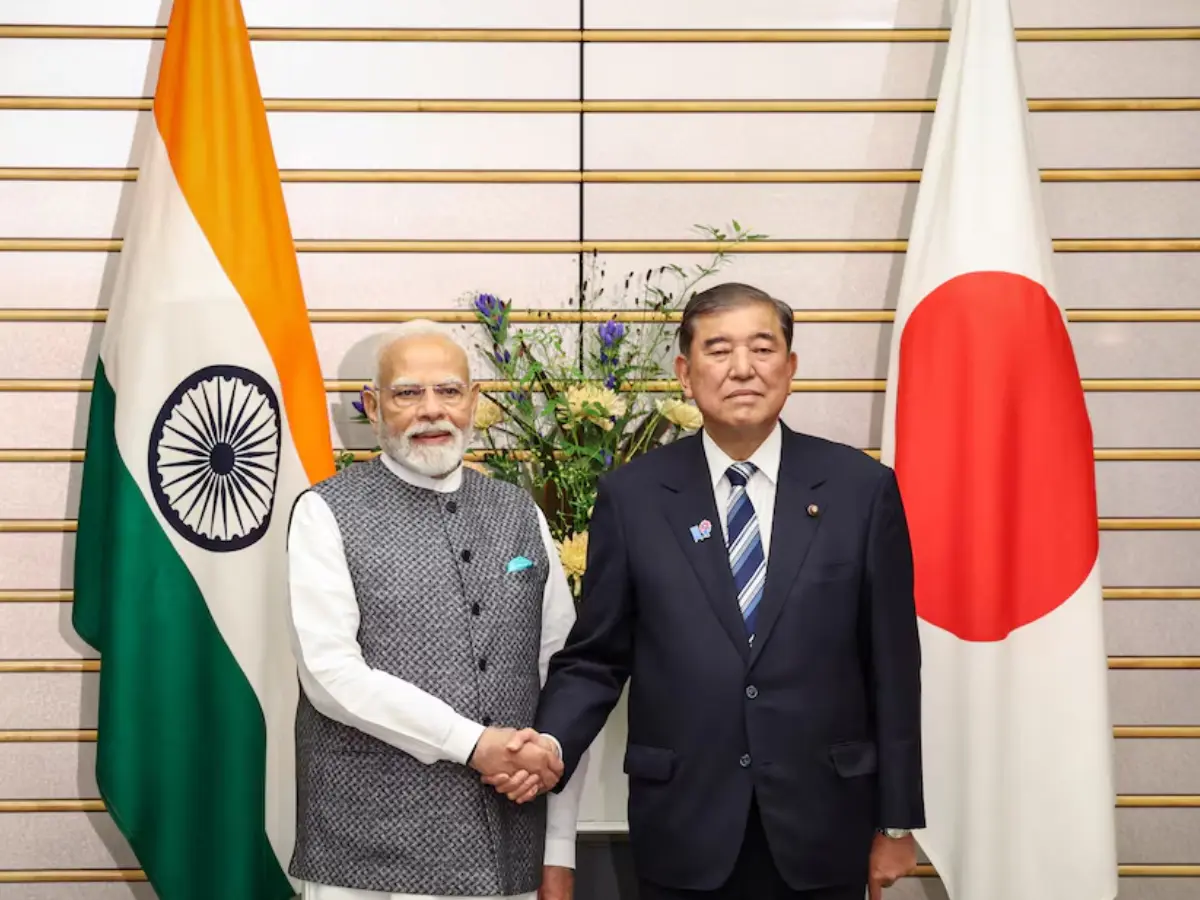
&imwidth=800&imheight=600&format=webp&quality=medium "PM Modi in Japan, on a larger Asia mission")
Prime Minister Narendra Modi‘s official visits to East Asia, Japan and China, from 29 August to 1 September, should be viewed as part of a well-considered strategic approach to reconnect India with important players in the multipolar world of the 21st century. The year 2025 is turning out to be a memorable milestone in this journey. His meeting with the US president in February in Washington and his interaction with G7 leaders, including Japanese PM Shigeru Ishiba, at the Kananaskis Summit in May have now been followed by his visits to Japan, and later to China to participate in the SCO Summit in Tianjin. If all goes well, the year could end with Russian President Vladimir Putin and US President Donald Trump visiting India before the year ends.
The context

In this global context, Japan continues to enjoy a position of exceptional significance for India, A fellow Asian democracy, a valued source of trade, technology and investment, and a nation with a long memory of positive links with India, Japan has acquired even greater weight as an Indo-Pacific power working closely with its other partners, the US, Australia, and India.
At a time when US-India ties are under exceptional strain due to the tariff and other issues, legitimate doubts have been raised about the immediate future of the Quad. In his pre-PM visit media briefing on 26 August. Foreign Secretary Vikram Misri sought to dispel these doubts by stressing that further development of the Quad cooperation would figure in the talks in Tokyo. “Both our countries attach high value to this forum and this partnership,” he said.
The continuing faith in the in the relevance of the Quad was reinforced from the other end of the Indian Ocean by Penny Wong, the Australian foreign minister, who told a group of visiting Indian journalists on 27 August that India and her country were “strong partners of the Quad” because “we have those shared strategic objectives,” The Japanese government too has been on the same page.
Trending Stories
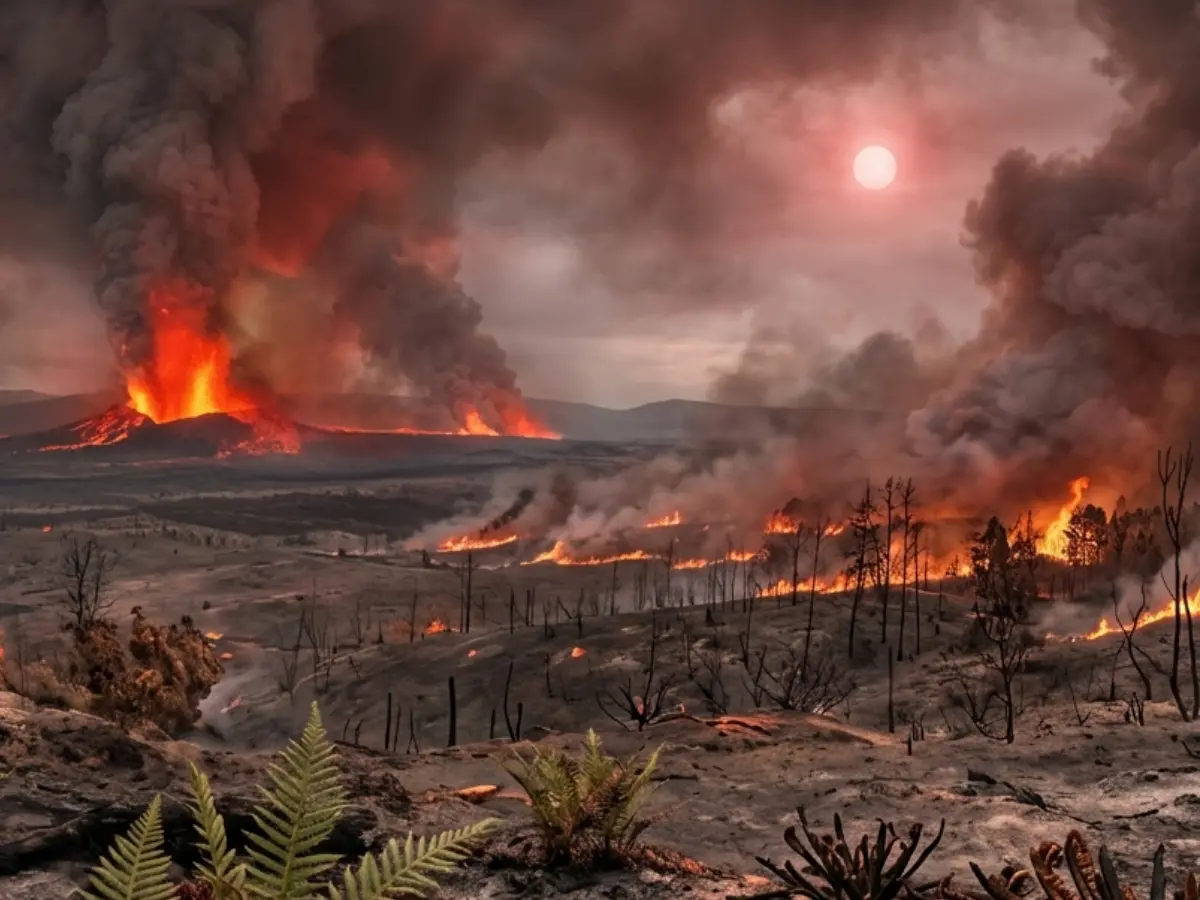)
'Hellish' wildfires burned through Europe for 300,000 years after supercontinent Pangea broke up
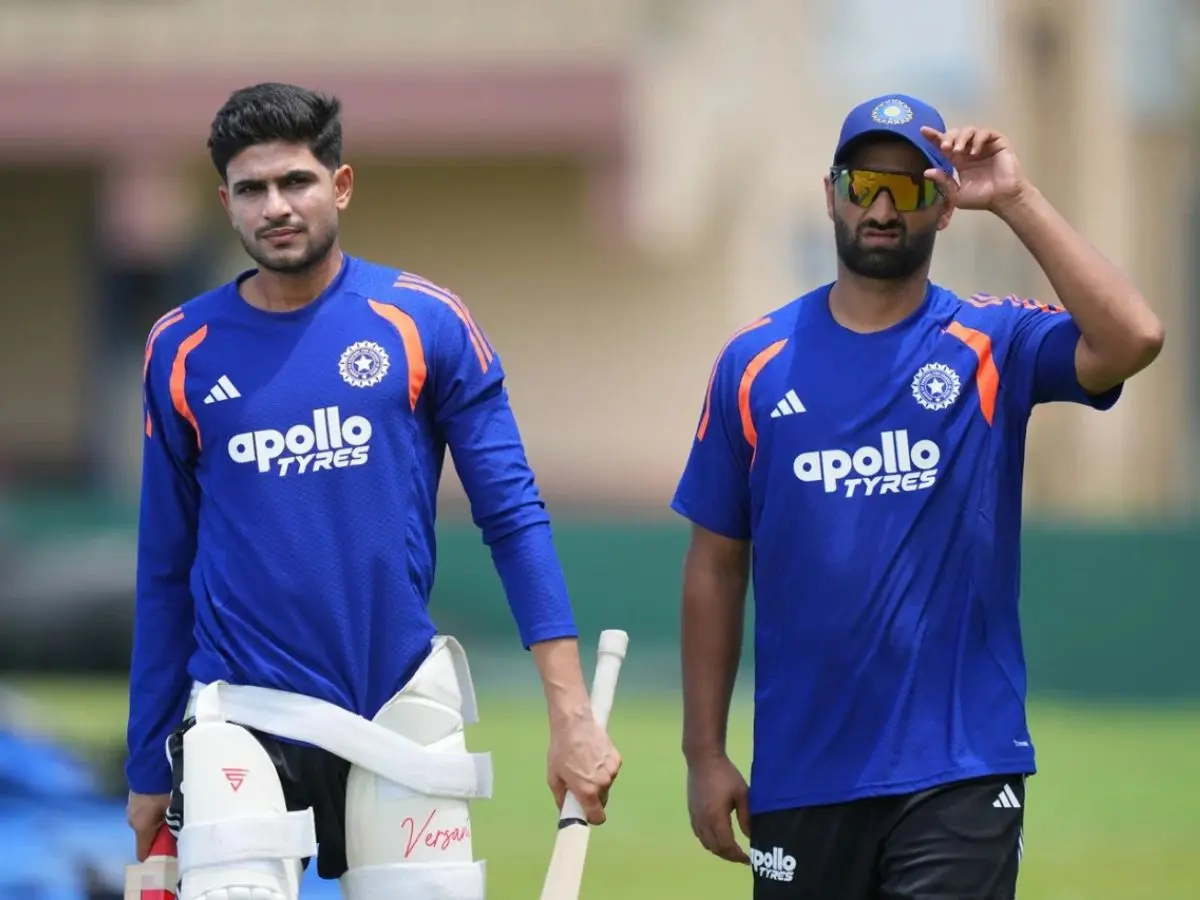)
No Pandya as Auqib Nabi earns maiden ODI call-up; Mayank returns for WI T20Is| check full squads
)
Trump praises India’s Opium crackdown, hails anti-drug efforts
Mandakini breaks silence on Dawood Ibrahim photo: 'I was not invited by him'
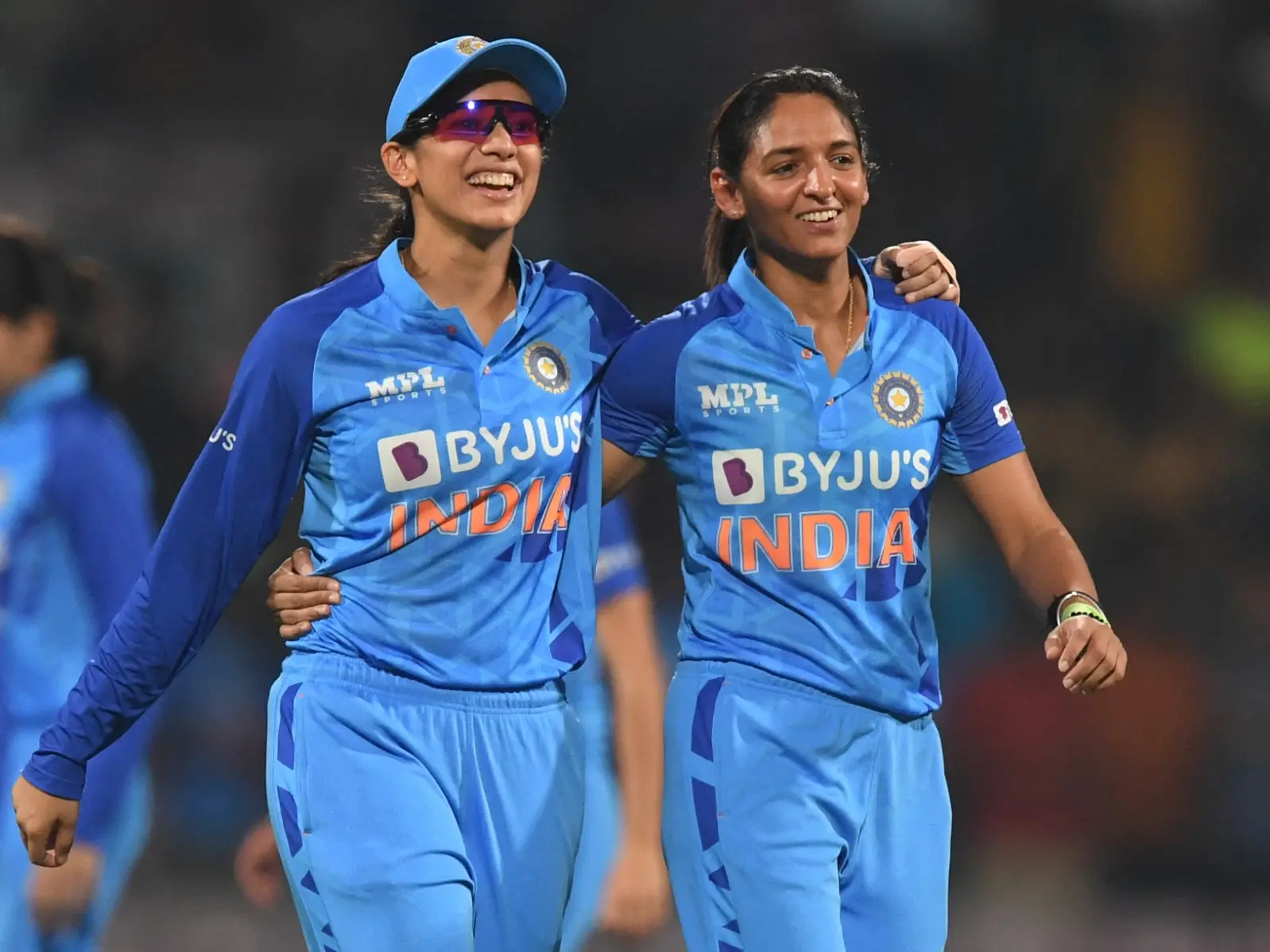)
Former India player Diana Edulji wants Smriti Mandhana to replace Harman as skipper at the earliest
)
Trump calls Canada-EU associate membership plan ‘laughable’ and threatens 'very serious tariffs'
)
Protests erupt over migrant housing plan in Piddington
)
India can scale up Finland’s circular solutions, minister Multala says
)
240-million-year-old bizarre 'pig with a tusk' creature creates new dilemma over origin of dinosaurs
)
Europe wants a common playbook for security threats, seeks security beyond NATO
)
All Indian goods to get duty-free access to New Zealand
)
Formula One reveals the 2027 race calendar; Monaco to host sprint race for the first time
)
Bigg Boss 20: Mahhi Vij reveals she lost Yuva role to Kareena Kapoor; 'didn’t work out in my favour'
)
Lionel Messi for 2026 Ballon d’Or over Mbappe and Yamal, says Diego Simeone
)
US House votes 417-3 to pass Ratepayer Protection Act targeting AI data center electricity costs
)
Hong Kong unveils 11 new measures to boost birth rates, offers higher cash bonuses and housing perks
)
Former OpenAI researcher warns of growing risks from Artificial Intelligence
)
Veteran actor Anant Nag honoured with Indian cinema’s highest award
)
Wildfire tears through forests in Spain's Valencia
)
AUS vs SA: Steve Smith still gets 'little flashbacks' from sandpaper gate
)
Pakistan naval vessel returns to harbour with 'severe damage' after collision with Indian warship in Arabian Sea
)
Fed raises rates for first time in 3 years, Kevin Warsh defies Trump as inflation mounts
)
Katrina Kaif’s postpartum weight is not the problem; your gaze is
)
Daayra movie review: Kareena Kapoor, Prithviraj Sukumaran shine in Meghna Gulzar’s cop-versus-cop crime thriller
)
Saudi Vs Houthis: Yemeni military rebels clash with Houthis
)
Pak batter Rizwan's petition against being questioned by cyber crime agency rejected by court
)
US trade tariff: 100% tariff targets Russian buyers amid trade tensions
)
Pakistan: Imran Khan's sons Kasim & Sulaiman claim their father is 'tortured' in jail
&im=FitAndFill=(700,400))
New OTT releases this week (September 14-20, 2026): Lust Stories 3, Waiting Hai, Irumudi- 5 new titles coming on Netflix, Prime Video and more
)
Ebola outbreak: WHO sees encouraging signs in fight against Ebola outbreak
)
Trump gets new power to hit India, China with up to 100% tariffs as US Senate clears Russia sanctions bill
)
‘Imagine 50 AI fighters cornering one manned jet’: India’s mobbing doctrine eyes a new era of air warm
)
Saudi vs Houthis: Riyadh claims to have shot Houthi drone targeting Mecca
)
US Treasury rallies global financial institutions for Op Economic Outcast to isolate Iran
)
Want to get married within a year? Why 18 lakh people rush to Jaipur for ‘sacred henna’
)
Pakistan boycotts chess match against Israel at Olympiad
)
UN General Assembly 2026: What is veto power. Which countries have it and how does it work?
&im=FitAndFill=(700,400))
Suriya and Jyothika say ‘I do’ again after 20 years! See their dreamy wedding pics
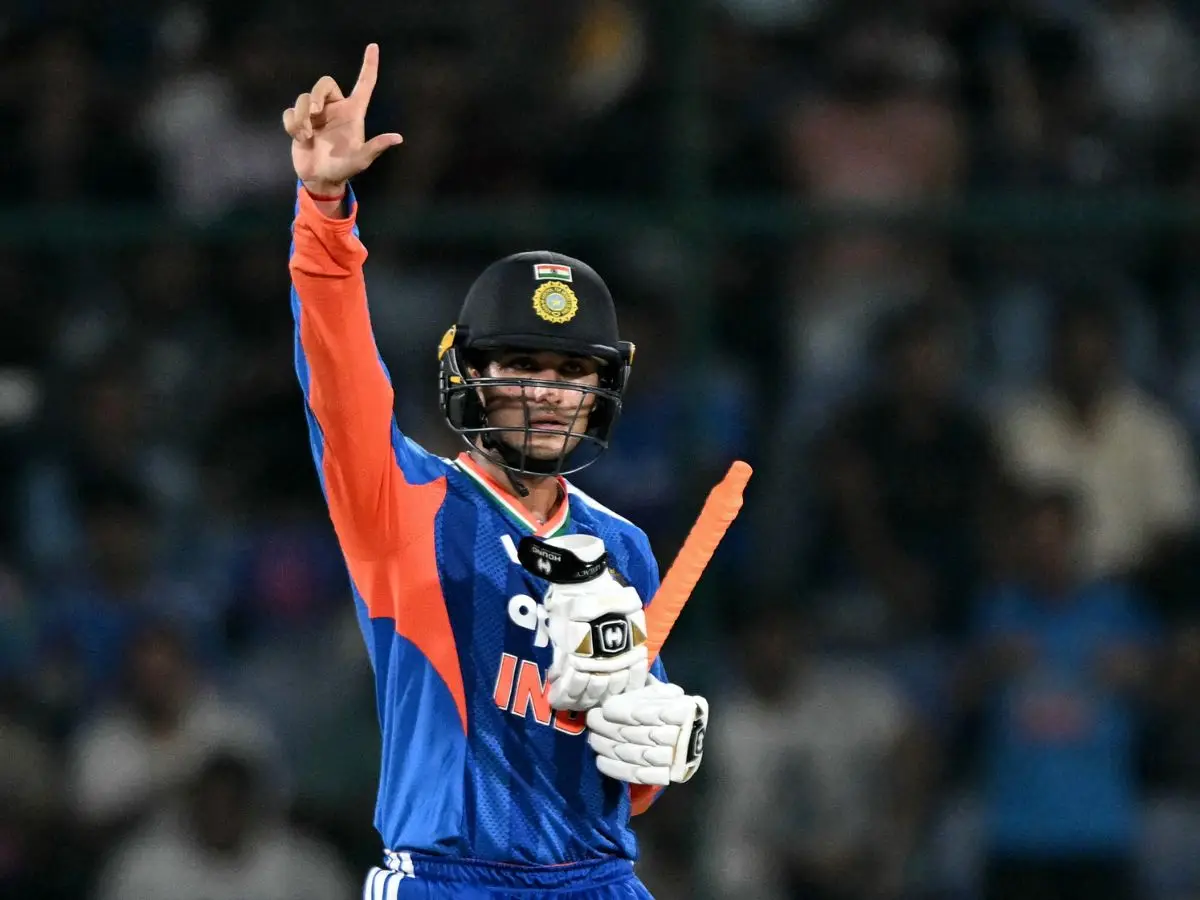)
Abhishek Sharma rises to No. 2 in T20Is; ENG’s Robinson 3rd after record Pakistan Tests
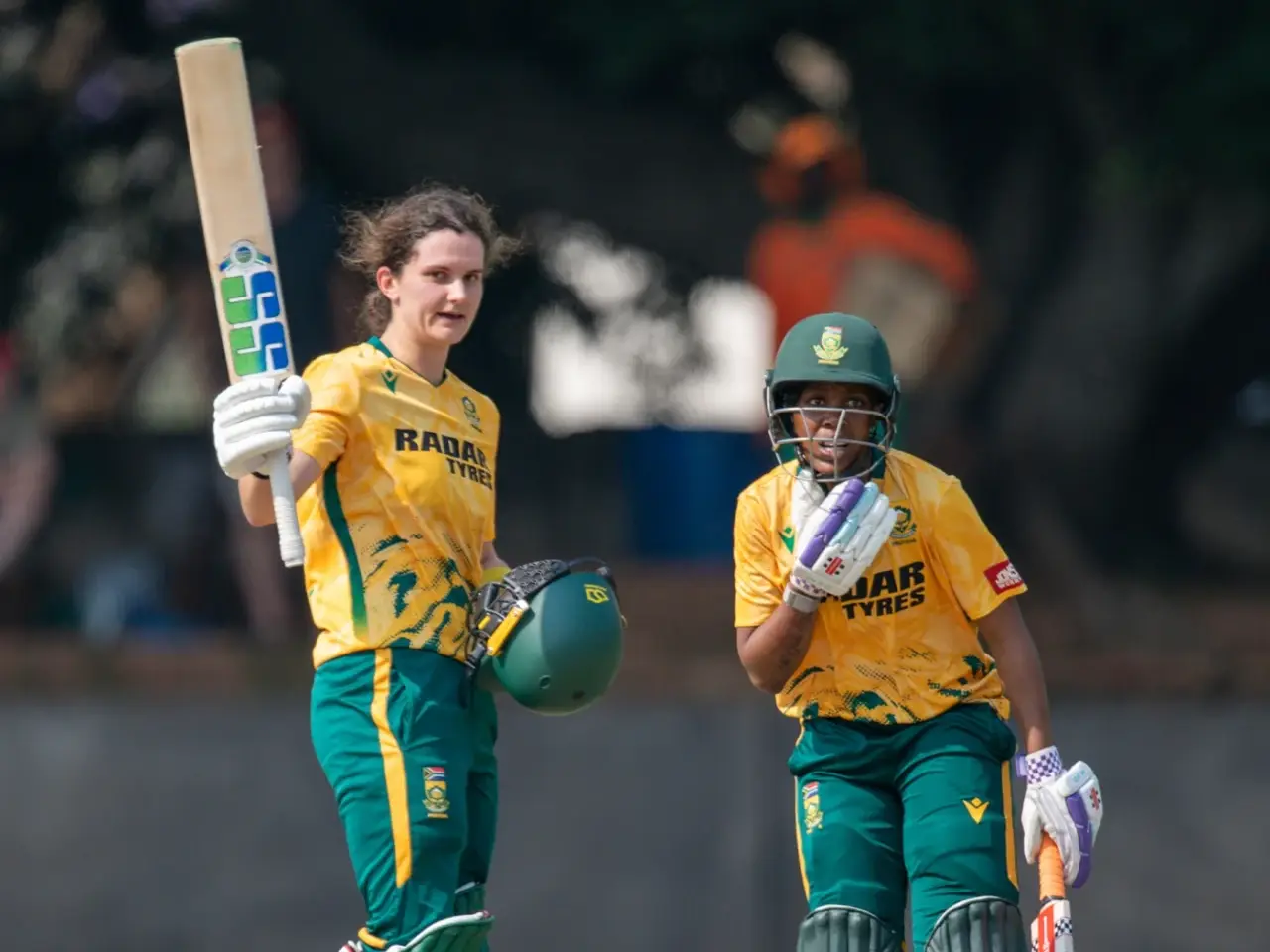)
Laura Wolvaardt sets new world record for most WT20I runs in a year
)
The Early Spring season 2 is happening, but fans have one request - 'don't change the actors'
)
Scholars observing the evolution of India-Japan relations in recent years have been in broad agreement that ties continue to make progress, despite the frequent change of prime ministers in Japan. PM Modi has had to deal with four PMs since 2014, namely Shinzo Abe, Yoshihide Suga, Fumio Kishida, and Shigeru Ishiba. This results from a deep convergence of interests, as Sanjay Kumar Verma, a former Indian ambassador to Japan, pointed out. The two sides have also been conscious of the challenges facing the relationship. These include Japanese frustration over “India’s regulatory complexity” and India’s concerns about “Japan’s slowing economy.”
This stand-alone Modi visit for the 15th annual summit with Japan was the first since 2018, though he has visited the country since then for multilateral engagements. Besides, this was the eighth time Modi had visited Japan since becoming PM in 2014. It is well known that, even as the chief minister of Gujarat, he frequently visited China and Japan, reflecting the importance he attached to relations with the two Asian powers. Experts believe that the visit to Japan and then to China represented a shrewd endeavour at balancing several priorities of Indian foreign policy.
What the two leaders said
In his statement upon departure from Delhi and in the speeches and remarks he delivered while in Japan, PM Modi emphasised the importance of the India-Japan partnership for the two countries and beyond. “As two of the largest economies and vibrant democracies of the world, their partnership is extremely important, not just for the two countries but for global peace and stability as well,” he observed. He called Japan “a tech powerhouse” and India “a talent powerhouse,” suggesting that constructive collaboration between the two would help them lead the revolution in green energy, mobility, and logistics infrastructure. Ishiba agreed, adding, “We need to take advantage of each other’s strengths, to bring solutions to our challenges and to help each other.”
In a crisp joint statement issued after the visit’s conclusion, the two PMs recalled the long-standing friendship linking their nations, which is rooted in “civilizational ties, shared values and interests, common strategic outlook and mutual respect for each other.” Appreciating the progress and cooperation in bilateral relations, they resolved to advance the Special Strategic and Global Partnership further.
Key outcomes
The success of Modi’s visit to Japan should be measured by analysing its tangible outcomes. India’s Ministry of External Affairs (MEA) highlighted over a dozen of them by listing the important documents signed, in addition to the joint statement. This list includes the following: India-Japan Joint Vision for the Next Decade; Joint Declaration on Security Cooperation, which presents a comprehensive framework to evolve defence and security cooperation as a response to contemporary security challenges; Action Plan for India-Japan Human Resource Exchange; MOUs on Mineral Resources and Digital Partnership 2.0; and the Joint Declaration on Clean Hydrogen and Ammonia.
The announcement of other outcomes covered, inter alia, the ambitious target of JPY 10 trillion ($67 billion) as private Japanese investment in India in the next decade, the launch of AI Initiative and the next generation mobility partnership as well as the Forum of Small and Medium Enterprises to strengthen collaboration among SMEs of the countries as “the engines of our respective economies,” and high-level exchanges between Indian states and Japanese prefectures.
The joint statement provides detailed information about the three pillars of partnership: defence and security, economic cooperation, and collaboration in various other domains. It made a polite reference to the Mumbai-Ahmedabad high-speed rail, which has been delayed, emphasising its importance and agreeing to commence operations “at the earliest” while acknowledging the need to introduce the latest Japanese Shinkansen technology in India.
Two other points may be mentioned here. First, the two governments reaffirmed their commitment to the development of India’s North Eastern Region (NER) by enhancing “hard, soft, and people-to-people connectivity” and continuing their work through the Act East Forum. Second, they welcomed more bilateral cooperation for Africa’s sustainable economic development by establishing “an industrial hub” for trade and investment with Africa. The Indian side showed much interest in PM Ishiba‘s announcement of ‘the economic region initiative’ for the Indian Ocean – Africa region made at TICAD-9.
Assessment
The Indian side has obviously judged the Modi visit as a notable success, given that significant decisions of far-reaching importance have been taken. The impression aptly created was that, despite India’s current difficulties with the US, Japan remains bullish and seriously interested in taking forward the relationship in bilateral,
regional, and global domains. This sent out a meaningful signal of its own to China, Modi’s next stop.
Both sides expressed their continuing interest in strengthening their cooperation within the Quad, despite continuing (or even increasing) uncertainty about President Trump‘s plan to attend the summit to be hosted by India in 2025. They positively projected the evolution of the Quad into “a vital and enduring regional grouping” and added that they looked forward to the summit later in the year. Modi extended an invitation to his host to visit India for the summit, which was accepted. It was not revealed if they considered a Plan B in the event the US president fails to attend the summit. Finally, they also welcomed close cooperation between the Free and Open Indo-Pacific (FOIP) and the Indo-Pacific Oceans’ Initiative (IPOI). On the Myanmar question, they found notable convergence on the way forward.
Overall, this visit has strengthened not only the India-Japan partnership but also India’s position in Asia and on the global stage.