
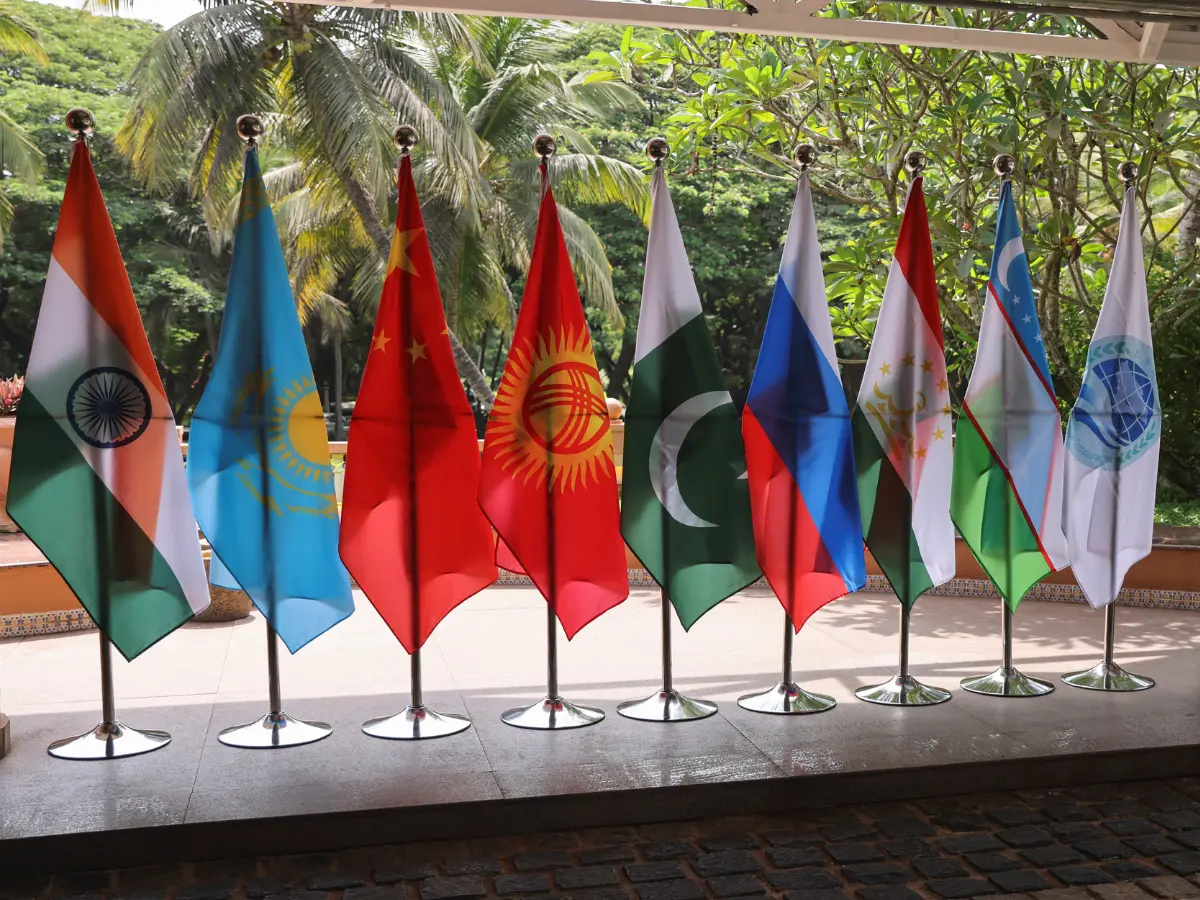
&imwidth=800&imheight=600&format=webp&quality=medium "SCO Summit 2025: Can SCO and BRICS become a genuine counterweight to Western alliances such as NATO, G7 and EU?")
World leaders, including Indian Prime Minister Narendra Modi, are gathering in China for the 25th meeting of the Shanghai Cooperation Organisation. The summit comes at a time of global tension, with wars and US President Donald Trump’s policies adding to uncertainty. Many see this meeting as important for building a group that could balance Western influence.
Can SCO and BRICS become a genuine counterweight to Western alliances?

Two groupings, the Shanghai Cooperation Organisation (SCO) and BRICS, have grown in size and influence in recent years. Both present themselves as voices of the Global South and as platforms to promote a multipolar world, one less dominated by the US and Europe. The SCO, formed in 2001, now has 10 members, including China, Russia, India, Pakistan and Central Asian states, with Belarus joining in 2023. BRICS, created in 2009, has expanded to 11 countries, stretching across Asia, Africa, the Middle East and Latin America. Together, they cover nearly half the world’s population and a large share of global GDP.
SCO: Unity with limits
The SCO began as a security forum but has since expanded into economic and political cooperation. It has staged joint anti-terror drills, launched an anti-terror structure in Tashkent, and in 2024, held its first full counter-terrorism exercise using drones and robotics.
Trending Stories
)
Why asking questions could be more important than memorising answers
)
Osama Bin Laden ‘planned’ to target India, CIA reveals dozens of declassified documents
)
'Iran won't surrender': Pezeshkian sends blunt message to US while attending BRICS Summit in India
)
BRICS Summit 2026: Global leaders of BRICS nations attend main open session
)
Celine Dion makes emotional stage comeback after six years: 'I'm so delighted to see you'
)
PM Modi and China's Xi offered to help resolve Russia-Ukraine war: Kremlin
)
Why dehydration is the hidden cause of travel fatigue on long flights
&im=FitAndFill=(700,400))
Meet top 5 batters fastest to 3000 runs in T20Is
)
Top 5 places to visit in Goa beyond its famous beaches
)
'He is popular...': Malaysian PM Anwar Ibrahim's praise for PM Modi during bilateral meeting | WATCH
)
BRICS Summit 2026: PM Modi, Xi reach key consensus on ties, China to assume BRICS chairmanship in 2027
)
BRICS Summit 2026: Consensus on joint declaration, diplomatic win for India
)
Trump says Canada eager to reach a deal, it could come ‘fairly soon’ if Ottawa treats US farmers better
)
‘Partners, not rivals’: Xi outlines four point plan for stronger India-China ties
&im=FitAndFill=(700,400))
Why Chinese PL-15 air-to-air missiles use dual-pulse motors compared to European interceptors
)
Could staying indoors all day affect your health?
)
BRICS Summit 2026: PM Modi addresses Day 2 of 18th BRICS summit
)
Who is the smiling man beside Modi, Putin and Xi at BRICS Summit 2026?
)
800 million years old - Scientists discover 'fingerprints' of supercontinent Gondwana in ancient rocks
)
Why going digital does not always mean becoming more efficient
&im=FitAndFill=(700,400))
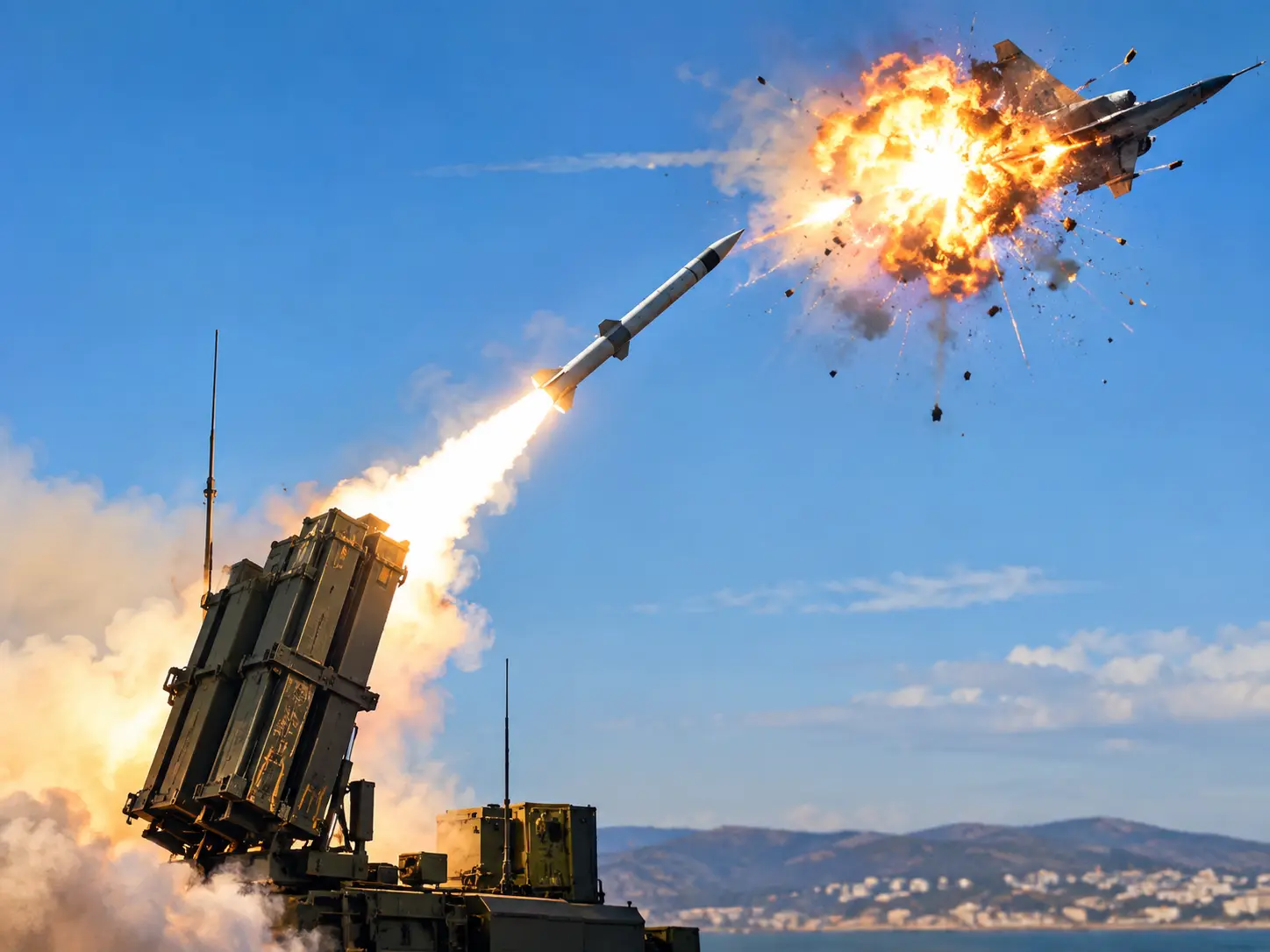
Why do air defence missiles explode near their target instead of hitting it?
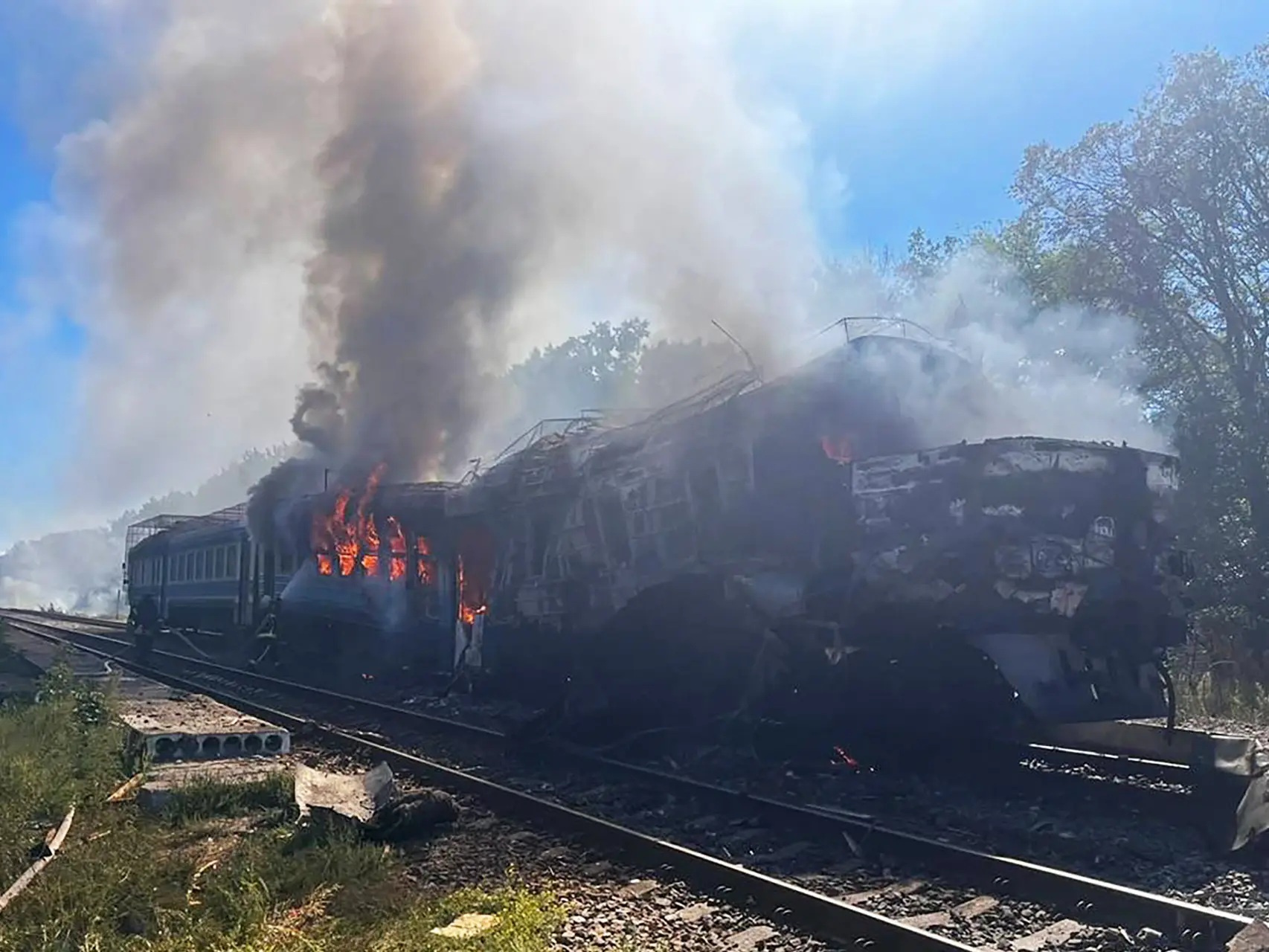)
Russian drone hits Warsaw-bound train near Polish border, Zelensky accuses Moscow of ‘deliberate’ targeting
)
War is making Russia stronger? How Ukraine is shaping Moscow’s next generation of weapons
)
Migration protests return to Portsmouth as rival demonstrations face off
)
From severe mobility problems to recovery: Madhuri the elephant’s journey of wildlife care
)
BRICS Summit day 1: New Delhi declaration adopted with full consensus, big diplomatic win for India
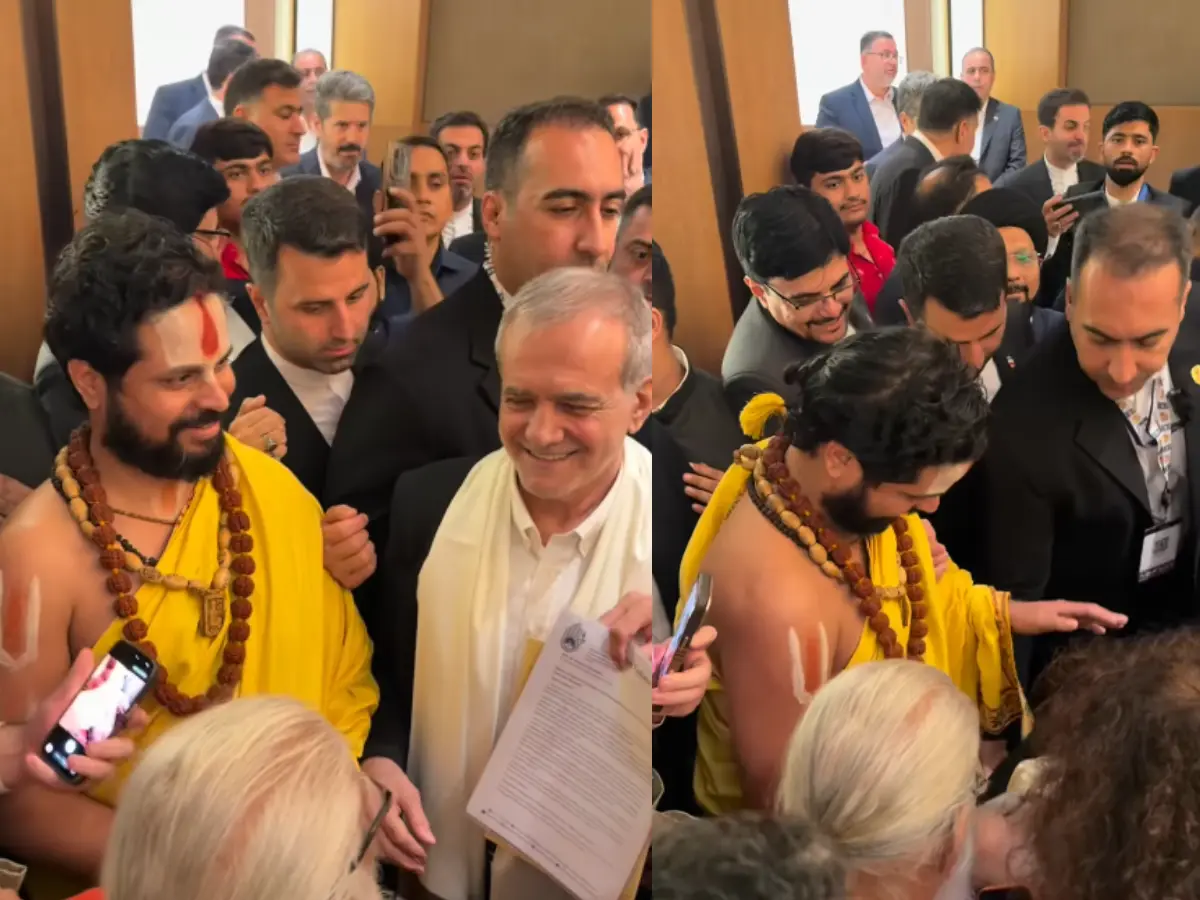)
Did Iran President Pezeshkian touch feet of Hindu spiritual leader at Delhi event as shown in viral video?
)
9-year-old Chennai prodigy clears Cambridge IGCSE grade 10 exams
)
Why does your body need time to adjust after a long journey?
)
BRICS Summit 2026: PM Modi to hold bilateral with leaders of seven countries
)
Ramanathaswamy temple takes centre stage as PM Modi welcomes world leaders at BRICS
)
Houthis launch cross-border strike on Saudi Arabia as Yemen war escalates
)
BRICS Summit 2026: Chinese president Xi Jinping departs from New Delhi after attending BRICS summit
)
Why does your skin need protection from UV rays?
)
How does the loss of forests affect the way wildlife lives and moves?
)
IND vs AFG, 1st T20I: When and where to watch live streaming in India?
)
Why do wild animals need quiet places to survive?
)
Bigg Boss 20: Qazi Touqeer gets a special ‘rockstar’ moment from Salman Khan
)
Humans may lose control of AI: Anthropic CEO calls for slowdown, Altman, Musk back him
Economically, SCO members discuss energy corridors, trade and investment, often linked to China’s Belt and Road Initiative. The 2024 Astana summit saw the launch of an SCO Investors Association to support cross-border projects.
Diplomatically, the SCO echoes the language of China and Russia, sovereignty, non-interference, and rejection of Western-backed “colour revolutions”. Yet deep divides persist. India and Pakistan rarely align, and India often resists anti-Western declarations. As a result, the SCO acts more as a forum than a unified bloc.
BRICS: Financial tools against Western dominance
BRICS started with five members (Brazil, Russia, India, China and South Africa) and has grown to include Egypt, Ethiopia, Iran, Indonesia, the UAE and soon Saudi Arabia. Together, they account for a quarter of global GDP. BRICS has launched its own financial institutions, the New Development Bank and the Contingent Reserve Arrangement, to rival the IMF and World Bank. The bank has issued loans in local currencies, aiming to reduce reliance on the US dollar. Ideas like BRICS Pay, a blockchain-based payment system, are meant to promote trade in members’ currencies.
Diplomatically, BRICS seeks to amplify the Global South's voice. At the 2025 Rio summit, leaders called for UN Security Council reform, fairer IMF voting rights, and stronger cooperation on infrastructure. Yet the group faces limits: its members often disagree, especially on Russia’s war in Ukraine, and many remain deeply tied to Western markets.
Western blocs remain more integrated
Compared with the SCO and BRICS, Western alliances like NATO, the EU and the G7 remain more tightly bound. NATO is a military alliance with a collective defence clause and integrated command. The EU has a single market and currency. The G7, though informal, coordinates major economies on sanctions, climate policy and global trade.
These Western blocs have deeper structures, stronger enforcement, and higher economic integration than either the SCO or BRICS. While SCO and BRICS issue joint communiqués, they lack the ability to enforce common policies.
Counterweight or counterpart?
Both blocs have expanded their reach: SCO now extends through Eurasia, and BRICS spans Africa, Asia, and beyond. They have established parallel institutions (e.g. SCO’s Regional Antiterrorist Structure; BRICS’s NDB and payment platforms) and issue coordinated messages on global issues. However, major limitations remain. Neither the SCO nor BRICS is a unified military or economic bloc on the model of NATO or the EU. SCO members actively avoid a NATO-like alliance, and BRICS has explicitly stopped short of a common defence structure.
Many BRICS economies remain heavily tied to Western markets trade with the US and EU is still a large share of their GDP, which limits how far they can economically decouple.
Meanwhile, Western alliances retain deeper integration where it counts, NATO, EU and G7 coordinate security, trade, and technology at a level that SCO and BRICS do not. NATO’s new defence commitments and the EU’s internal market dwarf the SCO’s or BRICS’s loose frameworks. Western unity also remains a comparative advantage: for now, the G7 and EU speak with a largely coherent voice on sanctions and trade (despite occasional US–Europe differences), whereas SCO and BRICS statements often have key absences.
Both the SCO and BRICS will have carved out space for non-Western voices and offered alternatives in finance and diplomacy. Yet they have not fully crystallised into viable counterweights on all dimensions. Their collective influence is real but constrained, substantial at the level of ideas and joint declarations, but limited in military capability and practical cohesion. In the coming years, whether SCO and BRICS mature into true counter-blocs will depend on how (and if) they bridge their internal divides and turn summits into coordinated action.
