
&imwidth=800&imheight=600&format=webp&quality=medium "'Dragon-Elephant tango': Will PM Modi's China visit change the Indo-Pacific balance?")
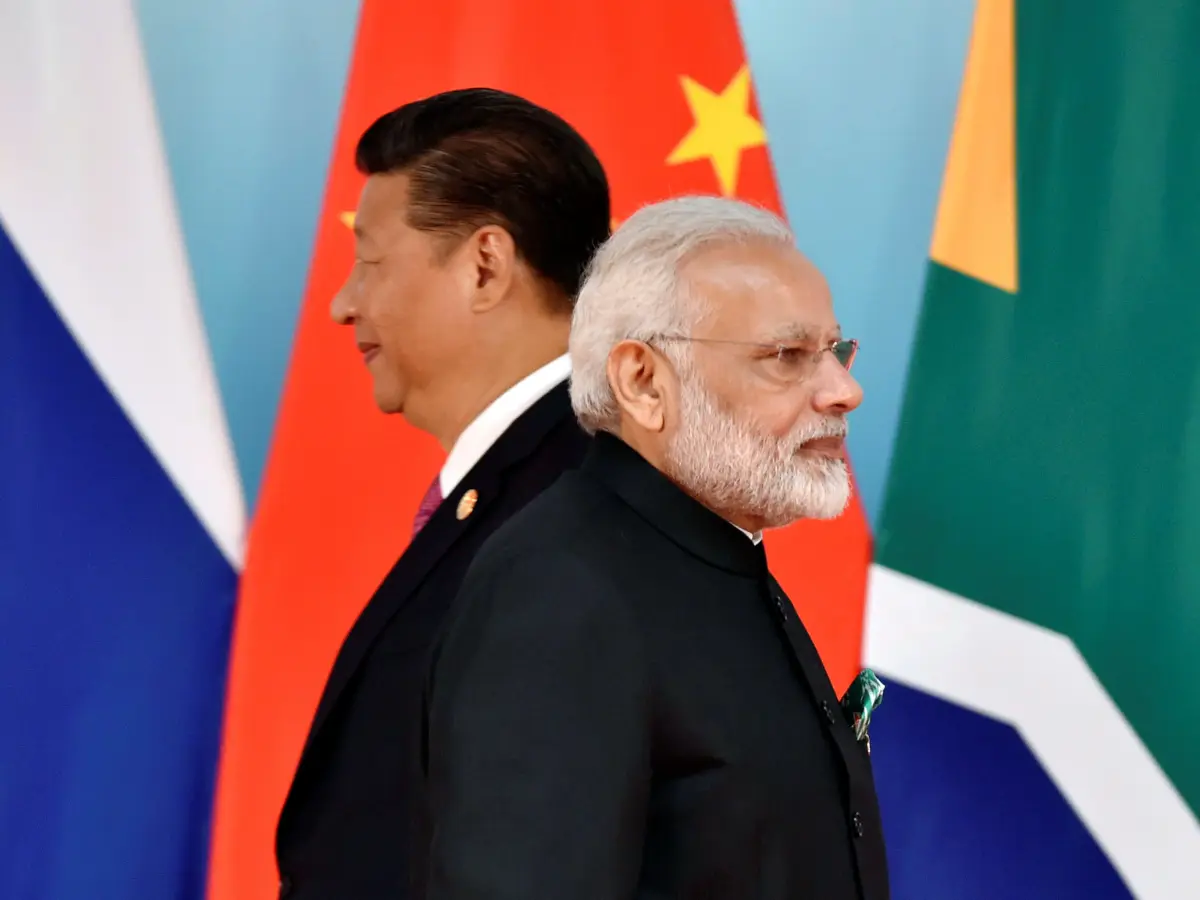
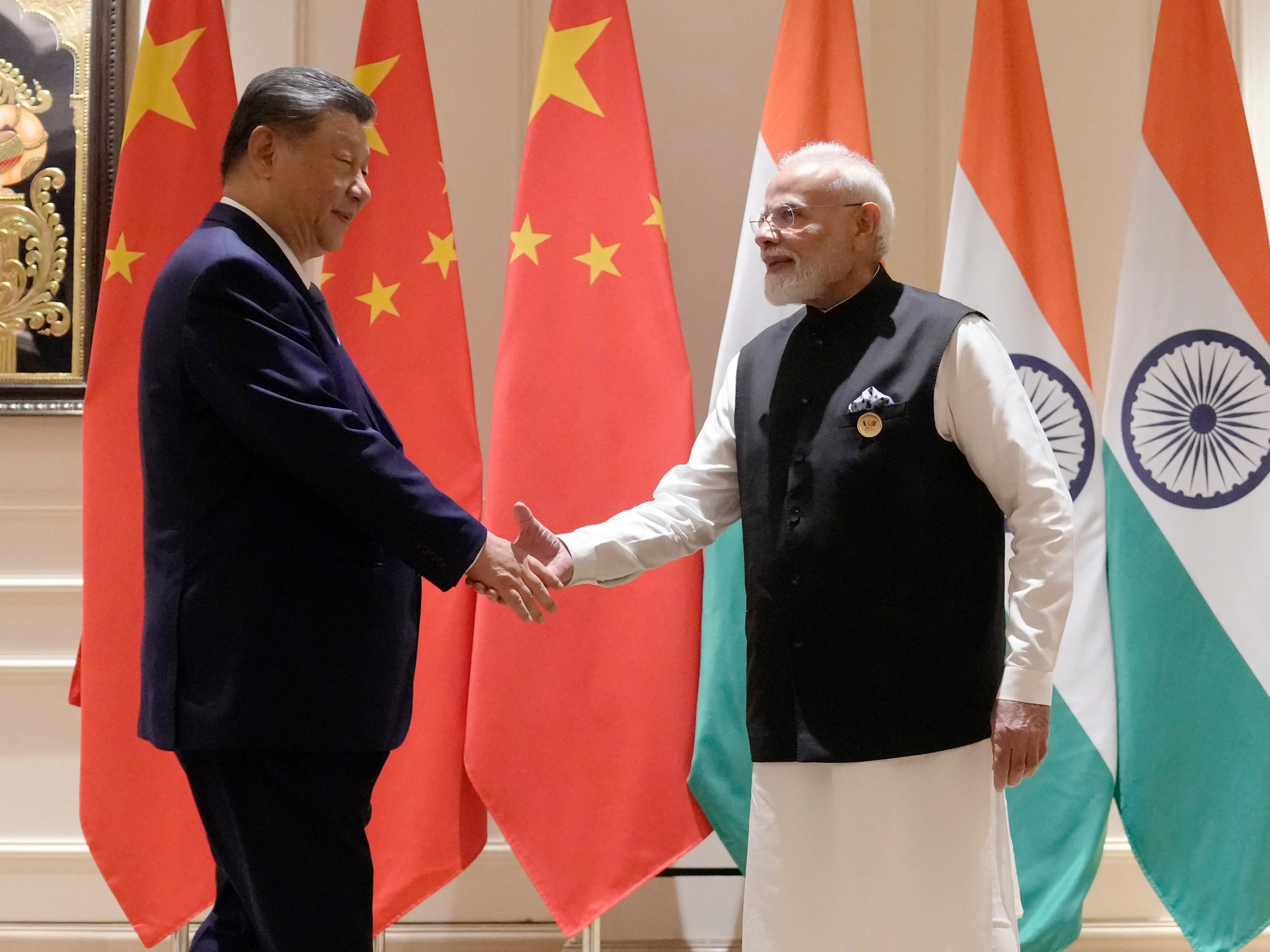
Prime Minister Narendra Modi has begun a four-day trip that could significantly shape India’s role in Asia’s evolving power dynamics. His visit includes talks in Japan followed by the Shanghai Cooperation Organisation (SCO) Summit in China, where he will meet global leaders such as Xi Jinping and Vladimir Putin. This marks Modi’s first trip to China since the Galwan clashes in 2019. Analysts say the meetings could reset dialogue between the two Asian giants, even as deep mistrust lingers.
Warming words after years of tension

China has struck a more conciliatory tone in recent weeks. During a visit to Delhi, Chinese Foreign Minister Wang Yi admitted, “the setbacks that we faced in the last few years were not in our interest,” and called for India and China to see each other as “partners” rather than “adversaries or threats.” Modi said, “respect for each other’s interests and sensitiveness,” and highlighted “steady progress” in ties. Both sides have agreed on confidence-building measures, including restoring direct flights, easing visas, and reviving border trade.
The border dispute still looms large
Despite gestures of goodwill, the Line of Actual Control (LAC) remains the core obstacle. The border has been a flashpoint since the 1962 war, and the deadly 2020 skirmishes have left scars. India insists on restoring the peace that existed before the clashes, while China prefers to move forward with broader ties regardless of the border issue. Talks have resumed to manage disputes and reduce the risk of fresh confrontations, but any lasting solution will require compromise at the highest levels.
Trending Stories
)
9-year-old Chennai prodigy clears Cambridge IGCSE grade 10 exams
)
Houthis launch cross-border strike on Saudi Arabia as Yemen war escalates
)
BRICS Summit 2026: Consensus on joint declaration, diplomatic win for India
)
‘Partners, not rivals’: Xi outlines four point plan for stronger India-China ties
)
800 million years old - Scientists discover 'fingerprints' of supercontinent Gondwana in ancient rocks
)
Humans may lose control of AI: Anthropic CEO calls for slowdown, Altman, Musk back him
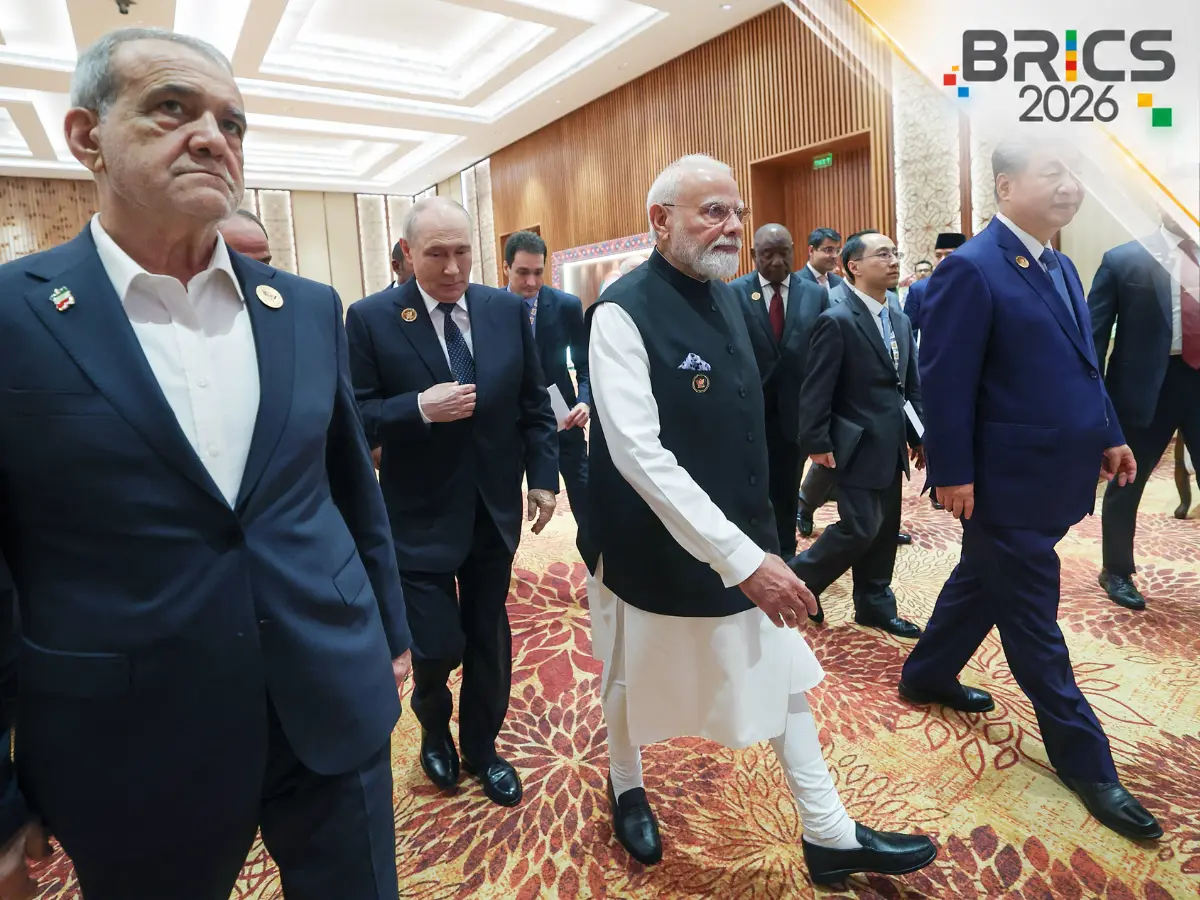)
'Iran won't surrender': Pezeshkian sends blunt message to US while attending BRICS Summit in India
)
IND vs AFG, 1st T20I: When and where to watch live streaming in India?
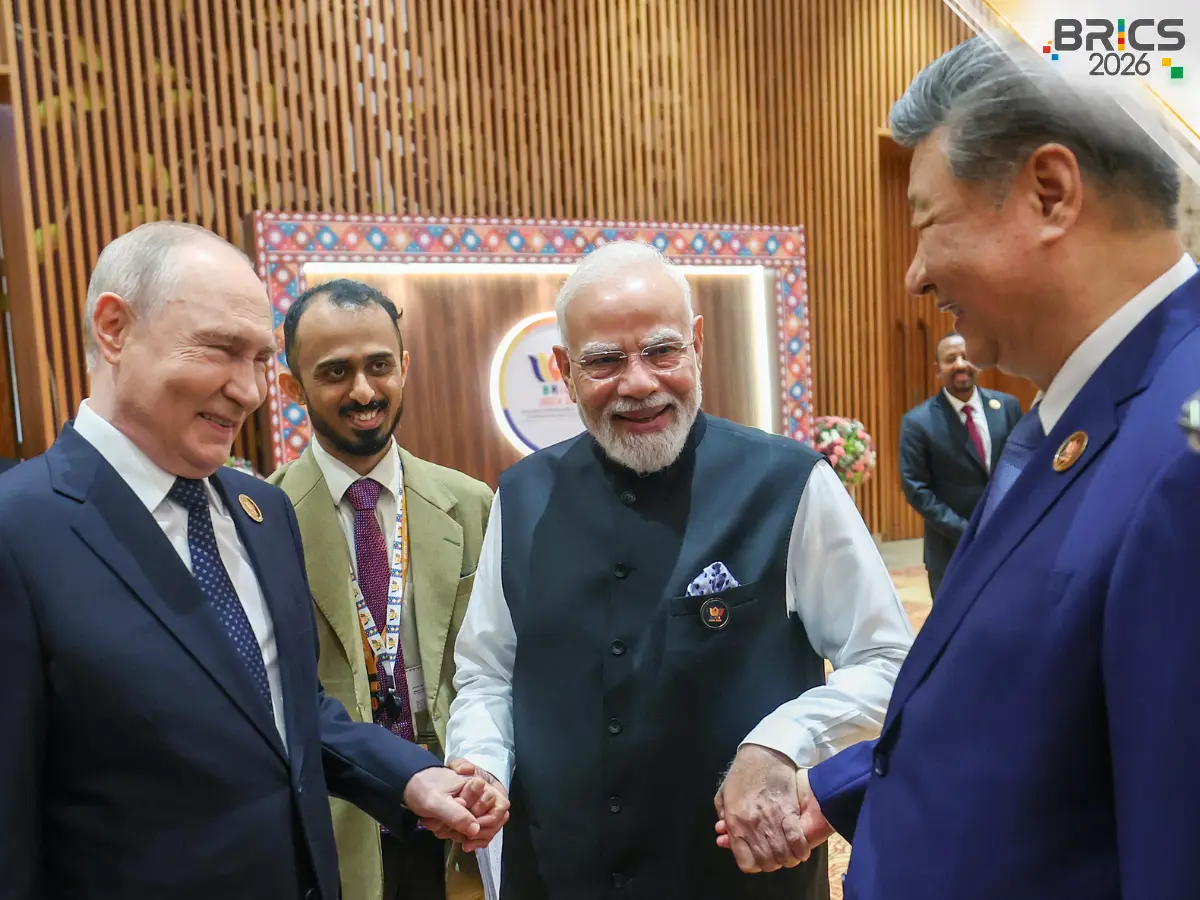
)
BRICS Summit 2026: PM Modi to hold bilateral with leaders of seven countries
)
PM Modi and China's Xi offered to help resolve Russia-Ukraine war: Kremlin
)
BRICS Summit day 1: New Delhi declaration adopted with full consensus, big diplomatic win for India
)
Why does your body need time to adjust after a long journey?
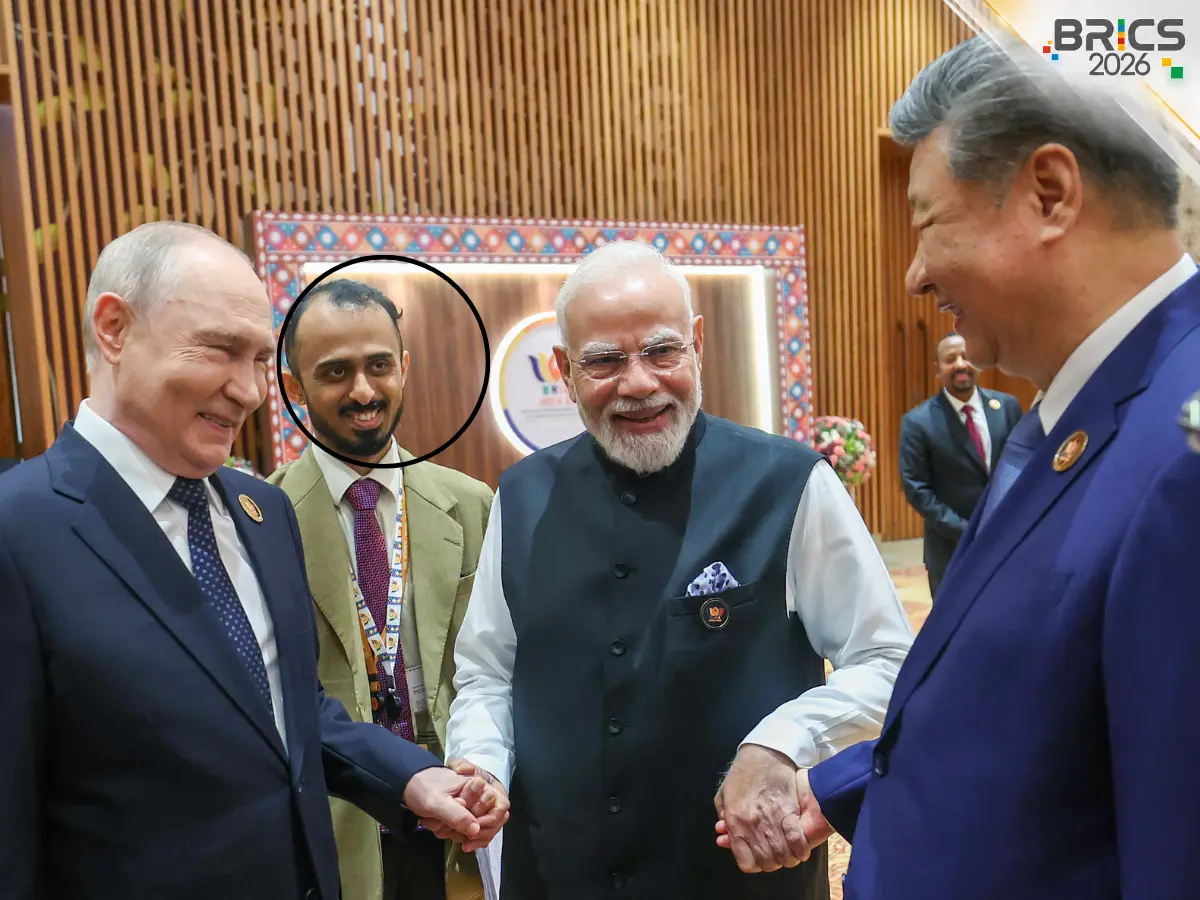)
Who is the smiling man beside Modi, Putin and Xi at BRICS Summit 2026?
)
Ramanathaswamy temple takes centre stage as PM Modi welcomes world leaders at BRICS
&im=FitAndFill=(700,400))
Meet top 5 batters fastest to 3000 runs in T20Is
&im=FitAndFill=(700,400))
Why do air defence missiles explode near their target instead of hitting it?
&im=FitAndFill=(700,400))
Why Chinese PL-15 air-to-air missiles use dual-pulse motors compared to European interceptors
)
BRICS Summit 2026: PM Modi, Xi reach key consensus on ties, China to assume BRICS chairmanship in 2027
)
BRICS Summit 2026: Chinese president Xi Jinping departs from New Delhi after attending BRICS summit
)
Why does your skin need protection from UV rays?
)
Osama Bin Laden ‘planned’ to target India, CIA reveals dozens of declassified documents
)
Why dehydration is the hidden cause of travel fatigue on long flights
)
War is making Russia stronger? How Ukraine is shaping Moscow’s next generation of weapons
)
BRICS Summit 2026: PM Modi addresses Day 2 of 18th BRICS summit
)
Why asking questions could be more important than memorising answers
)
Bigg Boss 20: Qazi Touqeer gets a special ‘rockstar’ moment from Salman Khan
)
Did Iran President Pezeshkian touch feet of Hindu spiritual leader at Delhi event as shown in viral video?
)
Trump says Canada eager to reach a deal, it could come ‘fairly soon’ if Ottawa treats US farmers better
)
Why do wild animals need quiet places to survive?
)
'He is popular...': Malaysian PM Anwar Ibrahim's praise for PM Modi during bilateral meeting | WATCH
)
Top 5 places to visit in Goa beyond its famous beaches
)
Could staying indoors all day affect your health?
)
Migration protests return to Portsmouth as rival demonstrations face off
)
From severe mobility problems to recovery: Madhuri the elephant’s journey of wildlife care
)
How does the loss of forests affect the way wildlife lives and moves?
)
Russian drone hits Warsaw-bound train near Polish border, Zelensky accuses Moscow of ‘deliberate’ targeting
)
Why going digital does not always mean becoming more efficient
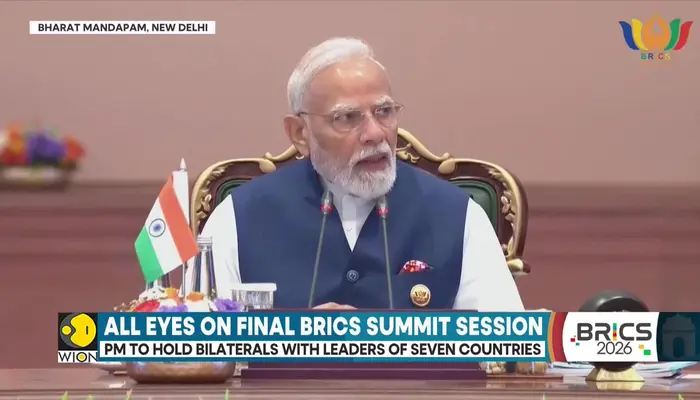)
BRICS Summit 2026: Global leaders of BRICS nations attend main open session
)
Celine Dion makes emotional stage comeback after six years: 'I'm so delighted to see you'
Economic stakes and trade dependency
Trade is booming but uneven. India’s deficit with China has widened to nearly $100 billion, with New Delhi relying heavily on Chinese imports of electronics and raw materials. Beijing has hinted it may open its markets to more Indian goods, especially as both nations face new tariffs from the United States. Chinese officials have made clear they want closer trade ties to “soften the blow” of US tariffs, while India hopes to reduce its dependence on Beijing without stunting its economic growth.
The Indo-Pacific rivalry
Beyond economics, the bigger question is geopolitical. India’s growing role in the Quad with the US, Japan, and Australia is seen in Beijing as a challenge to its influence. China’s offer of partnership may be partly aimed at weakening this alliance and redirecting New Delhi away from Washington’s orbit. At the same time, India continues to push its policy of “strategic autonomy,” engaging with multiple powers but avoiding binding commitments. This means any alignment with China is likely to remain limited and tactical rather than a fundamental shift.
US tariffs pushing India and China together
The Trump administration’s steep tariffs on Indian goods have pushed New Delhi to look for alternative partners. China has been quick to seize the moment, signalling solidarity with India against what it calls “unilateral bullying acts.” Beijing’s willingness to stand with India on trade may temporarily ease tensions, but the structural rivalry over borders, security, and regional influence still runs deep.
A tactical thaw, not a lasting reset
The Modi–Xi meeting is less about friendship and more about necessity. Both countries see value in reducing friction. China wants stability while it manages other global flashpoints, and India seeks breathing space as it juggles US pressure and domestic growth goals.
