
&imwidth=800&imheight=600&format=webp&quality=medium "Crisis as catalyst: Recalibrating India–Bangladesh ties")
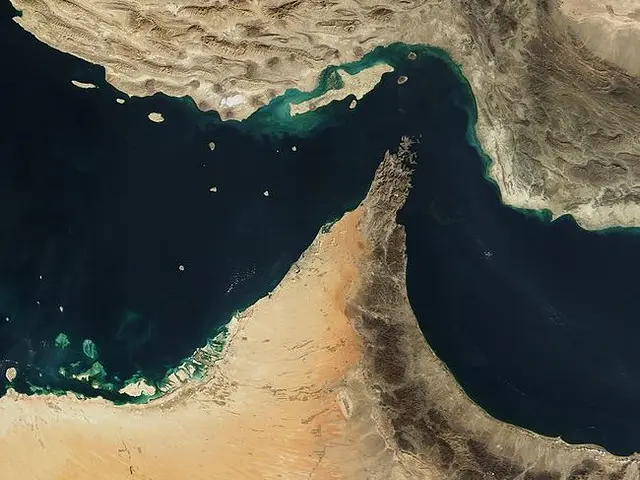
The war in West Asia and the closure of the Strait of Hormuz propelled a stinging disruption in supply chains, impairing industrial competitiveness, inflating household expenditures, and destabilising domestic order. Countries in the subcontinent are net importers of hydrocarbons from West Asia, with the Strait of Hormuz serving as a critical conduit. Since the beginning of the war, Sri Lanka has re-launched the National Fuel Authorisation System to ration fuel supplies. In Pakistan, supply chain disruptions have hamstrung fertiliser reserves in the kharif season, impacting agricultural productivity and food security. The subcontinent’s landlocked small states—Bhutan and Nepal—depend on India for hydrocarbon imports and, thereby, are experiencing second-order vulnerability.
While the crisis has amplified the subcontinent’s economic and political predicaments, it opened a window for a reset in the bilateral relations of India and Bangladesh. In March, Bangladesh imposed rationing amid stockpiling and panic-buying. Three of its largest sources of hydrocarbon and aluminium imports—Qatar, Iraq, and the UAE—declared force majeure on production, after Iran targeted their energy infrastructure. Last month, amid public anxiety, Bangladesh received 5000 tonnes of diesel via the Indo-Bangladesh Friendship Pipeline. An additional 5000 tonnes arrived on April 10, while the government is expected to import another 17000 tonnes to assuage concerns.

Apart from Bangladesh, India has supplied 38000 metric tonnes of oil products to Sri Lanka and has continued uninterrupted deliveries to Bhutan and Nepal. Similar requests from Malé are also being considered. But the uniqueness of the Bangladeshi case is lent primarily by the trajectory of Indo-Bangladesh relations since 2024. For 15 years, the dominant frame circumscribing Dhaka–Delhi bonhomie was personalistic—the Awami League-led regime of Sheikh Hasina. The regime cracked down on separatist elements operating in India’s Northeast from Bangladesh’s soil and evolved enduring institutional arrangements, such as the Ganga Waters Treaty and the land boundary agreement. Connectivity was a major plank of the bilateral relationship: railway lines were restored, and, in 2023, the Friendship Pipeline was inaugurated. With the fall of Hasina, the relations entered a frigid phase. Anti-India sentiment gained traction in Bangladesh, particularly after the assassination of Osman Hadi. Bangladesh imposed restrictions on the import of rice and yarn from India, while the two neighbours exchanged acrimonious terms on the question of Hasina’s extradition.
The relations now seem to have entered a phase of cautious but strategic recalibration. India and Bangladesh are future-proofing their bilateral ties by embedding them in structural necessity and pragmatism. The logic of geography—India and Bangladesh share one of the longest land borders in the world—and economic rationalism are expected to lend credence to functional cooperation between the two states, which will sustain stability amid geopolitical and domestic headwinds.
Also Read: ‘Let’s keep working,’ says Bangladesh envoy Hamidullah after FM Rahman’s intense Delhi week
Trending Stories
Functional cooperation serves four ends. First, by focussing on concrete, specialised shared problems, it denotes responsibility in both actors. It helps devise mechanisms for cooperation that employ best practices and lessons from both countries. Second, as these mechanisms gradually institutionalise, they lower transaction costs and make trade-offs in bilateral negotiations more agreeable and structured, rather than making a relationship a zero-sum game. Third, they create issue-linkages, cultivating interdependencies and constraining the unilateral exercise of power by imposing costs. Lastly, functional dimensions spawn expert, issue-specific networks in civil societies that diffuse norms that inform state behaviour. In the case of Bangladesh and India, river-water sharing, power, and trade can provide these critical linkages.
The Ganga Waters Treaty (GWT) recognises transboundary riparian interdependence; its expiry in 2026 provides low-hanging fruit for renewing cooperative mechanisms. The revival of negotiations of the Joint Rivers Commission and the Technical Committee is a welcome development and should be made time-bound and cross-sectional. The treaty will inevitably need to revise its base years for measuring the river’s flow; the process must be backed by a mutually agreed-upon scientific methodology. The Ganges basin has experienced the cascading impact of climate change, which has hampered flows in dry seasons. A forward-looking renewal of the treaty must therefore be climate-responsive and data-driven to address this shared vulnerability.
But these negotiations have a gestation period. By contrast, the opening of closed land ports and border haats between India and Bangladesh will deliver immediate relief to clogged supply chains and small traders, especially of yarn, garments, and plastic products, reducing the burden on the Benapole–Petrapole crossing. Harmonising regulations can decrease costs and time in the passage of bilateral trade.
In addition, the template of power cooperation, largely founded on hydrocarbons, can be replicated to support the neighbours’ green transition goals. The conclusion of a tripartite power-purchase agreement among Nepal, India, and Bangladesh can be expanded in scope to include Bhutan. India and Bangladesh can also explore bilateral interdependencies in hydropower cooperation, with notable hydropower projects coming up in India’s Northeast, cutting costs and time.
The crisis in West Asia has forced a reckoning with structural realities and avenues of cooperation. Functional cooperation on issues of river-water sharing, power, and bilateral trade can spill over into trust-building. By prioritising issue-based interdependencies, Dhaka and New Delhi can shield development and connectivity from domestic contestations, imparting resilience and predictability to their relations and the region at large.
DISCLAIMER: The opinions expressed in this article are solely those of the author and do not necessarily reflect the views of WION.
