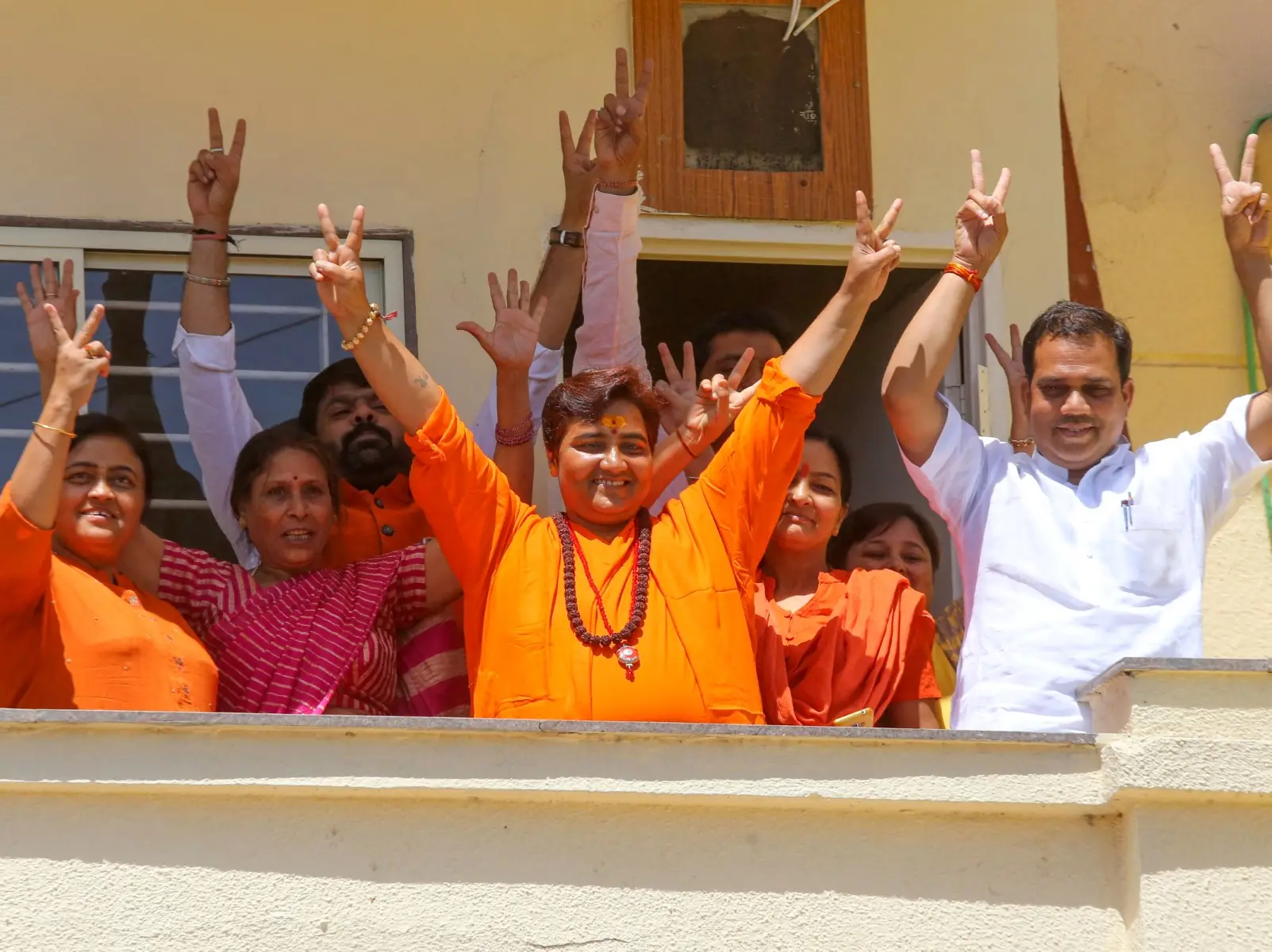
&imwidth=800&imheight=600&format=webp&quality=medium "Why the Malegaon blast case, one of India's longest terror trials, is unique")
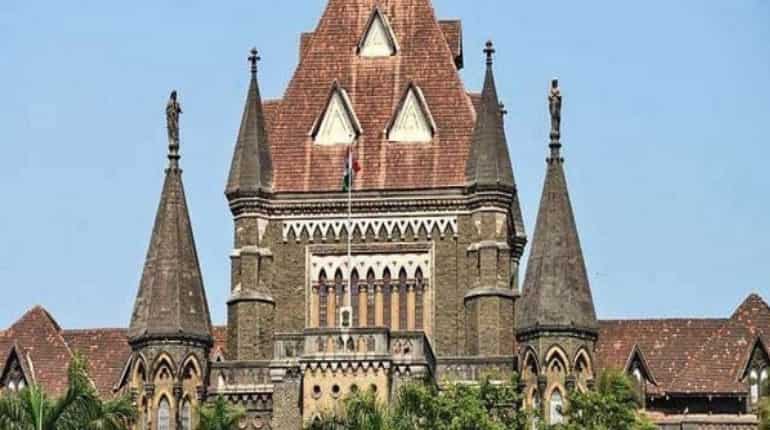
An Indian court on Thursday (July 31) acquitted all seven accused in Malegaon blast case, one of India's longest terror trials. The Natinonal Investigation Agency (NIA) court said the families of all six victims of the 2008 blast in will be given Rs 200,000 each, and all injured victims will be given Rs 50,000 as compensation.
About the Malegaon blast case
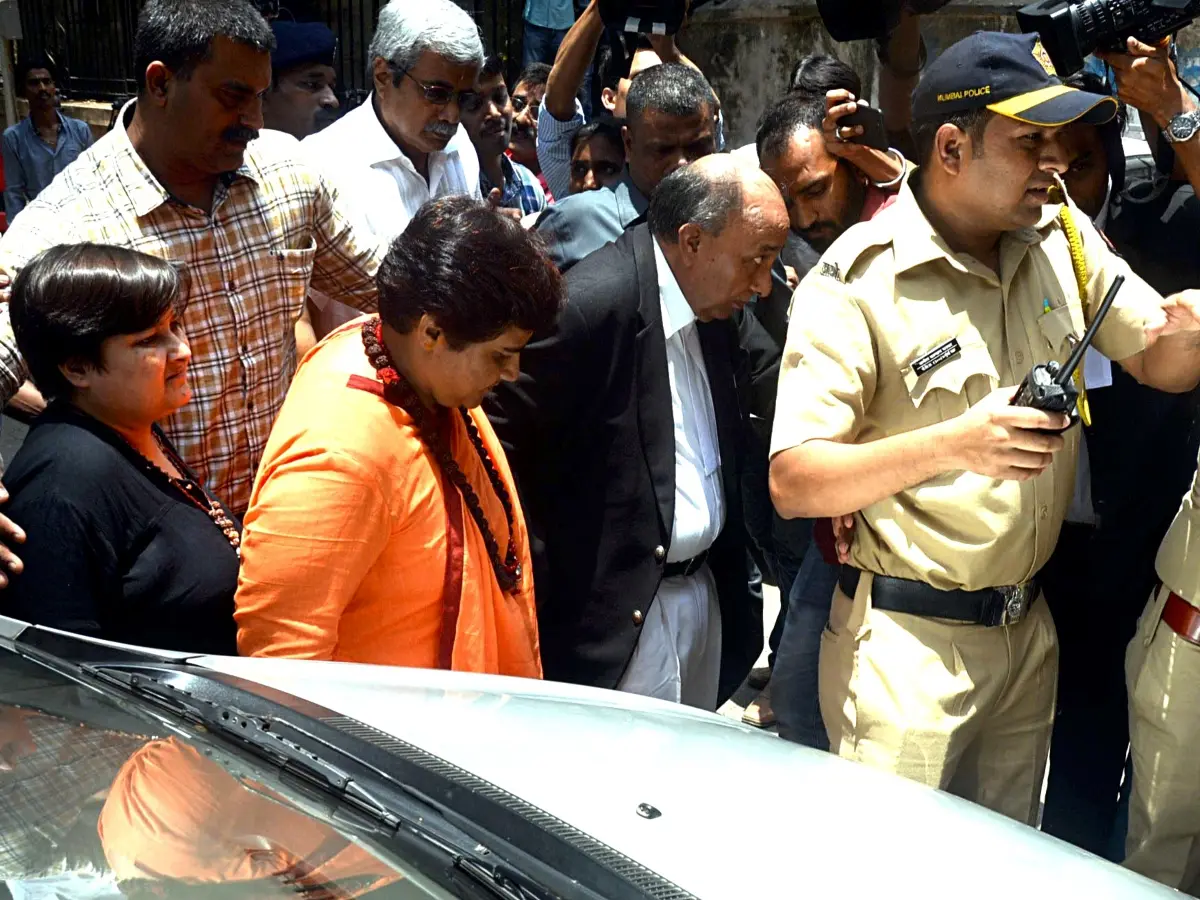
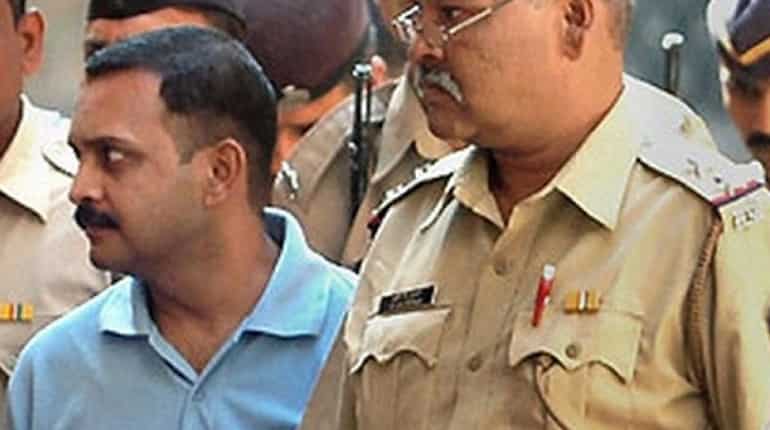
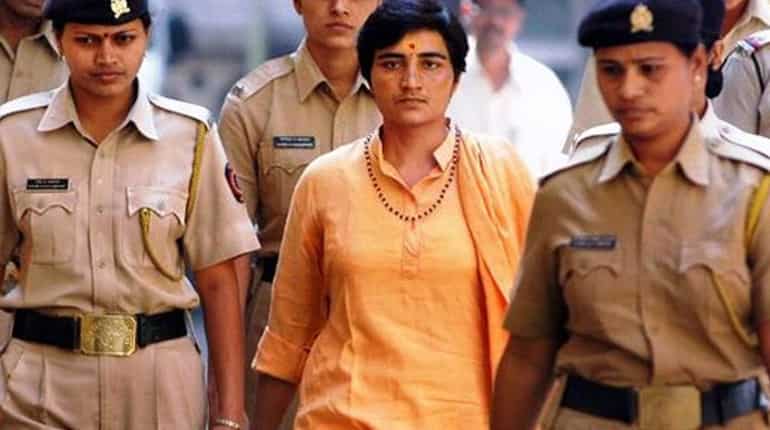
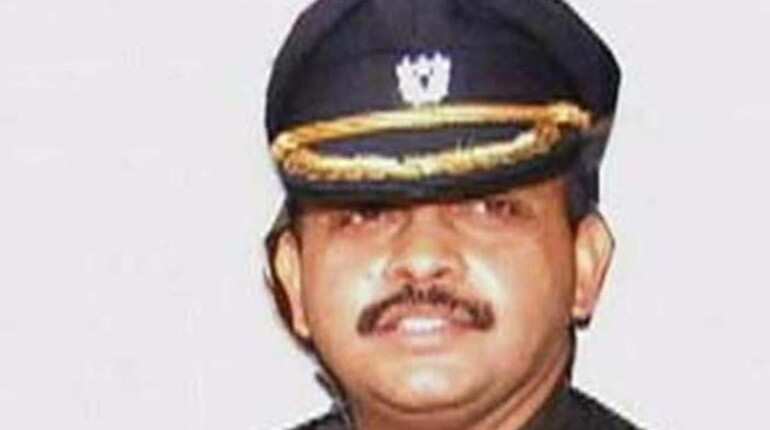
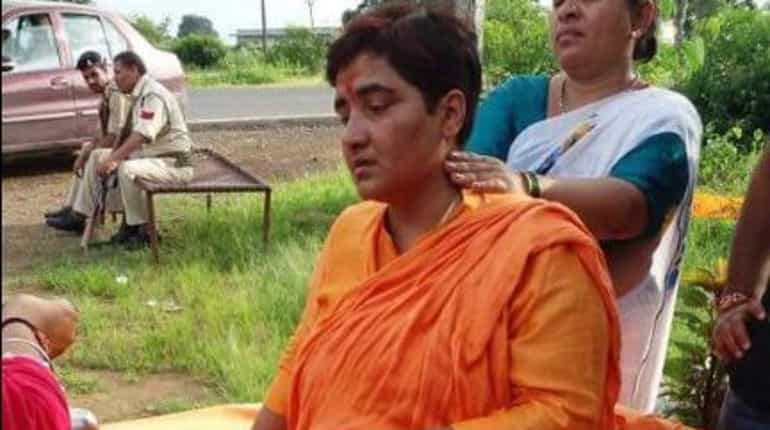
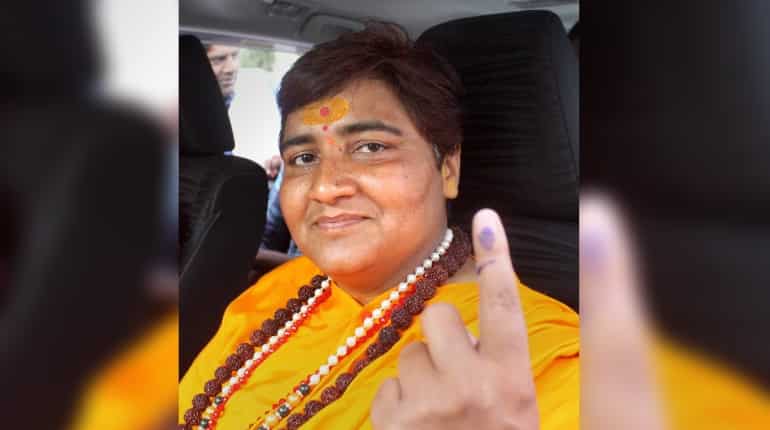
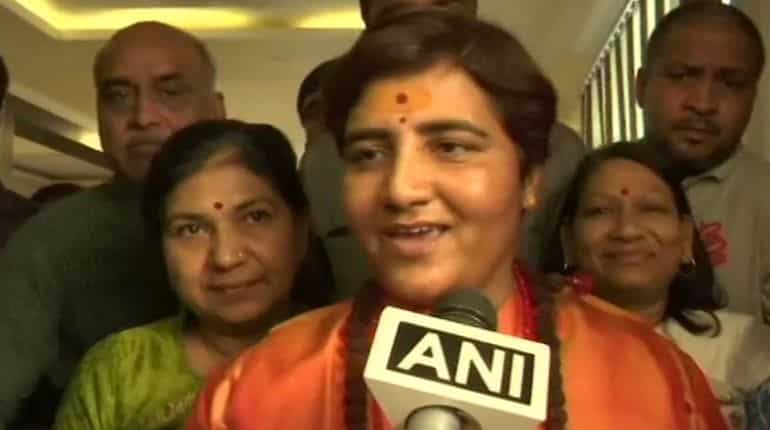
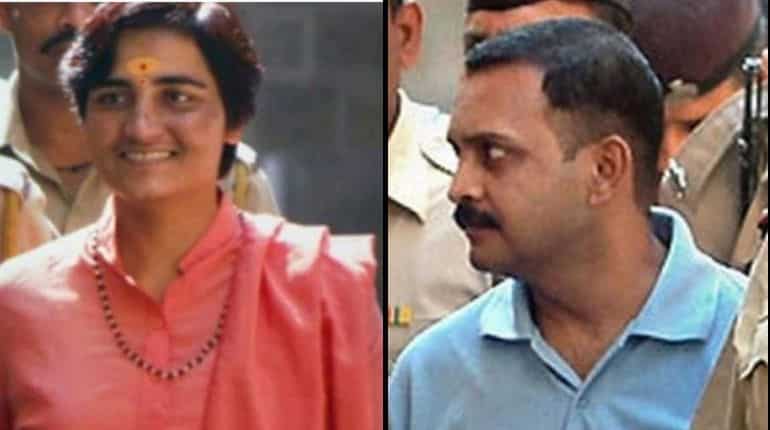
The blast took place in the Malegaon town in Nashik district of the western state of Maharashtra on 29 September 2008. The accused include former parliamentarian Sadhvi Pragya Singh Thakur from the ruling Bharatiya Janata Party (BJP) and Lt Col Shrikant Prasad Purohit.

What the NIA court said about the Malegaon blast
The NIA court said that while the prosecution proved that a blast occurred in Malegaon, it failed to prove that a bomb was placed in a motorcycle. The court concluded that the injured people were not 101 but 95, and there was manipulation in some medical certificates.
It also noted that the ‘Abhinav Bharat’ organisation was used as a common reference by the prosecution, even as there was no evidence that the funds of this Hindu organiastion was used for terror activities.
Trending Stories
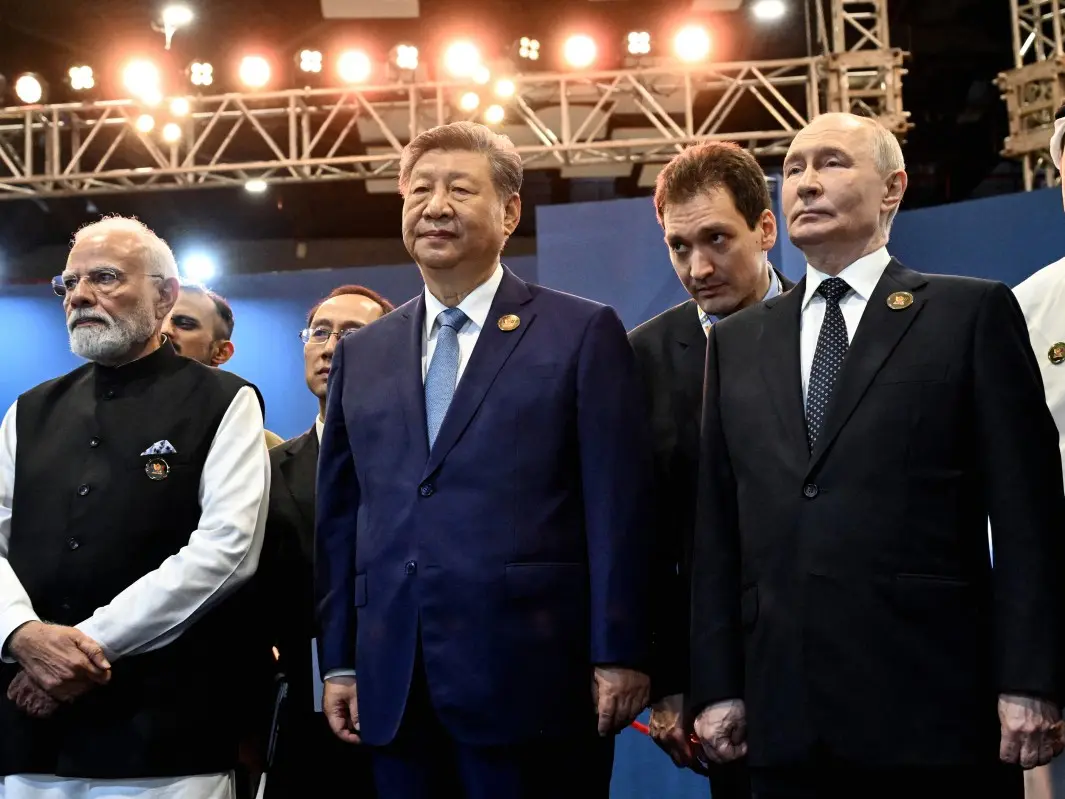)
Did India risk its US trade deal despite softer stance at BRICS?
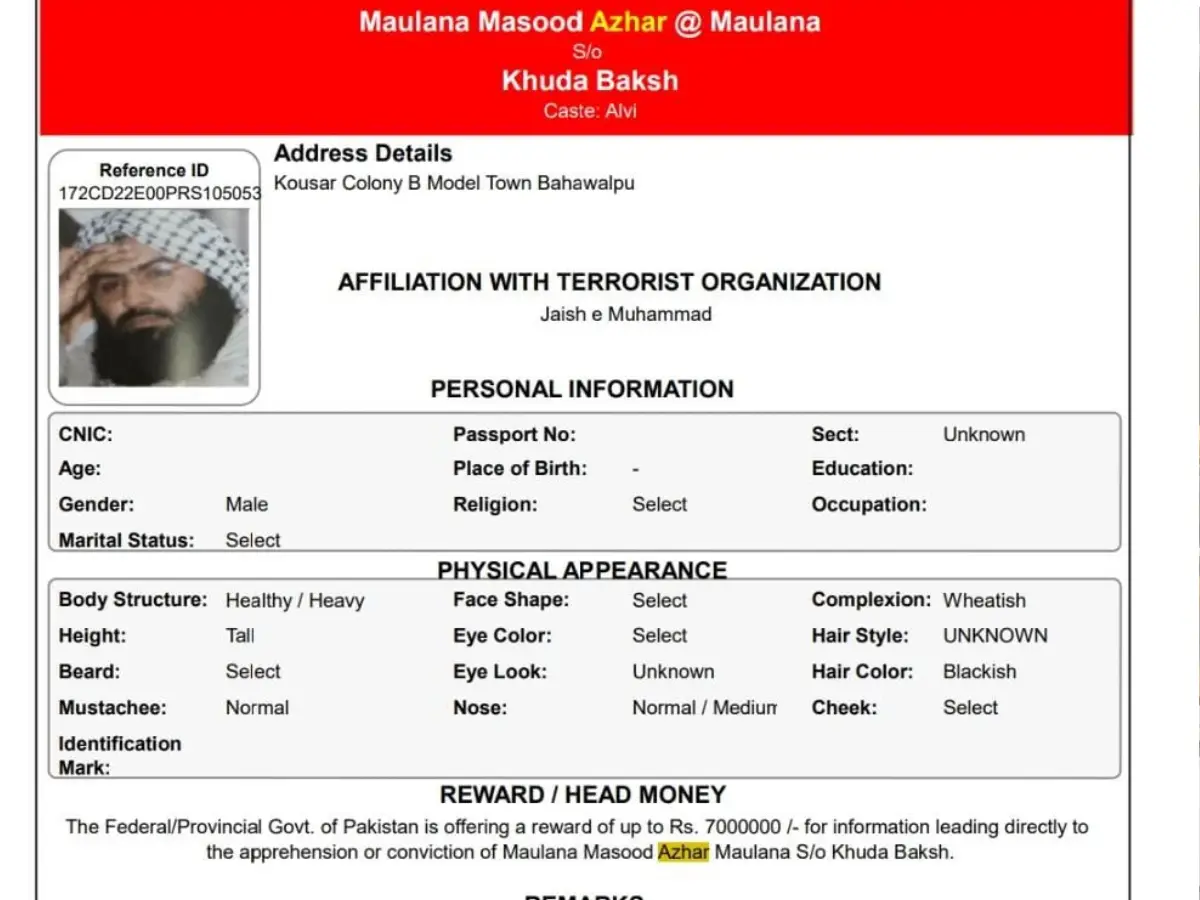)
Pakistan puts Pak Rs 70 lakh bounty on UN terrorist Masood Azhar; move draws skepticism in Delhi
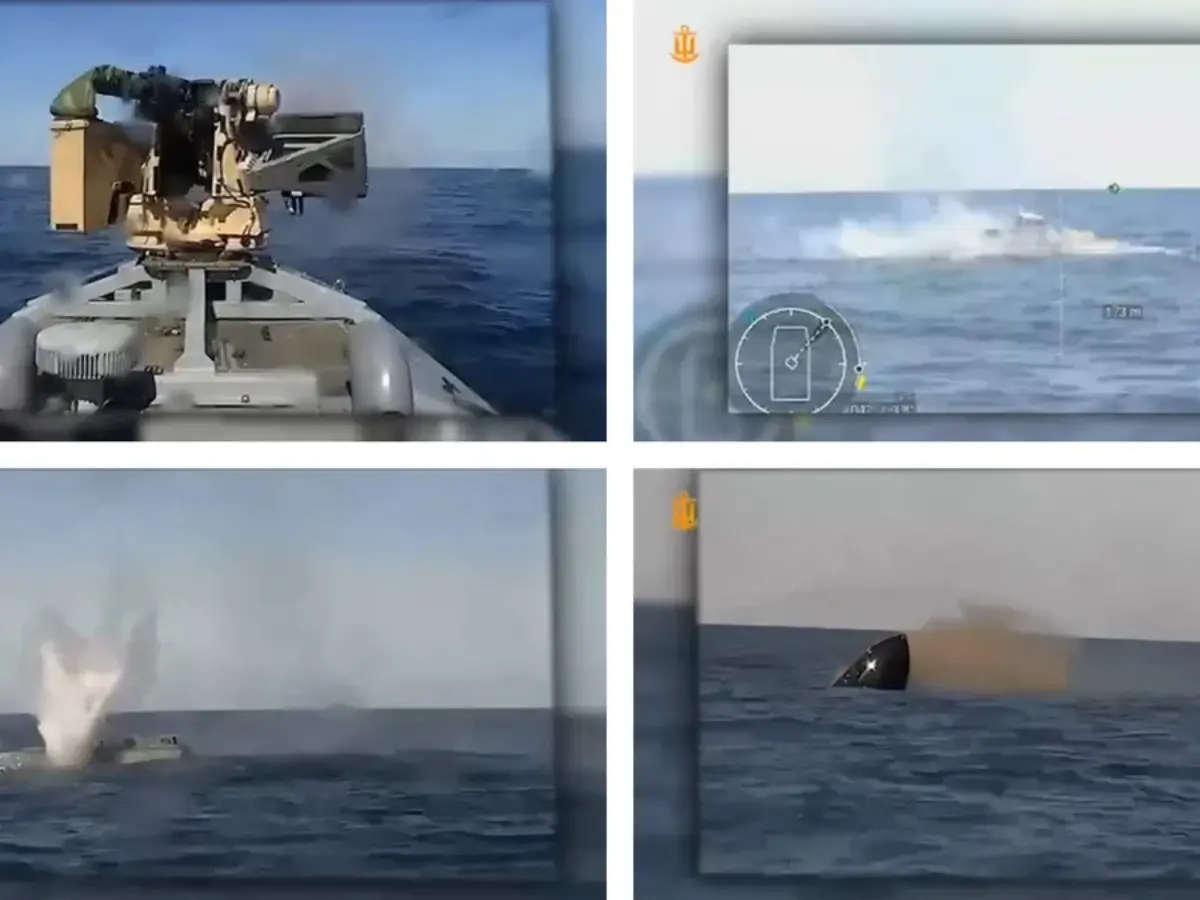)
First naval drone battle? Ukraine says Sargan 3000 sank Russian unmanned boat
)
Practical Magic 2 breaks Spidey spell over North American box office
)
'Huge destructive power': North Korea calls its latest missile launches 'live-fire drill' even as US dismisses 'immediate threat'
)
‘Let’s go’: Newly declassified videos show dramatic rescue of US Air Force officers downed in Iran
)
Delhi’s balancing act: BRICS serves as a stage for West Asia diplomacy
&im=FitAndFill=(700,400))
Why European Meteor missiles use ramjet engines compared to standard US solid rockets
)
‘India did extremely well’: South African President Cyril Ramaphosa praises BRICS leadership
)
Iran, India agree to deepen humanitarian and political ties, President Pezeshkian says
)
‘Want to reset ties with India, have engagement based on mutual interests,’ says Bangladesh minister
)
Trump says Canada eager to reach a deal, it could come ‘fairly soon’ if Ottawa treats US farmers better
)
Turkish Airlines plane flies through a storm three times, triggering severe turbulence
&im=FitAndFill=(700,400))
Why Chinese PL-15 air-to-air missiles use dual-pulse motors compared to European interceptors
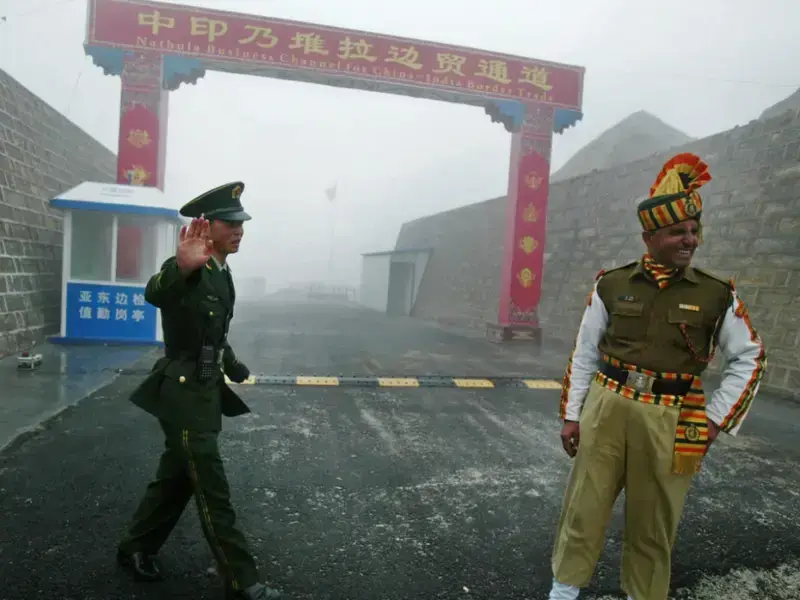)
China thinned Himalayan troop presence in 2025, India defence report says; terms border situation 'stable'
)
800 million years old - Scientists discover 'fingerprints' of supercontinent Gondwana in ancient rocks
)
Russia proposes to build 360 kmph Ivolga FG trains in India: What happened on sidelines of BRICS
)
Israeli minister calls to strip Gaza film directors of citizenship
)
China discovers vast gold and silver 'mine' in the Pacific with unheard-of deposits
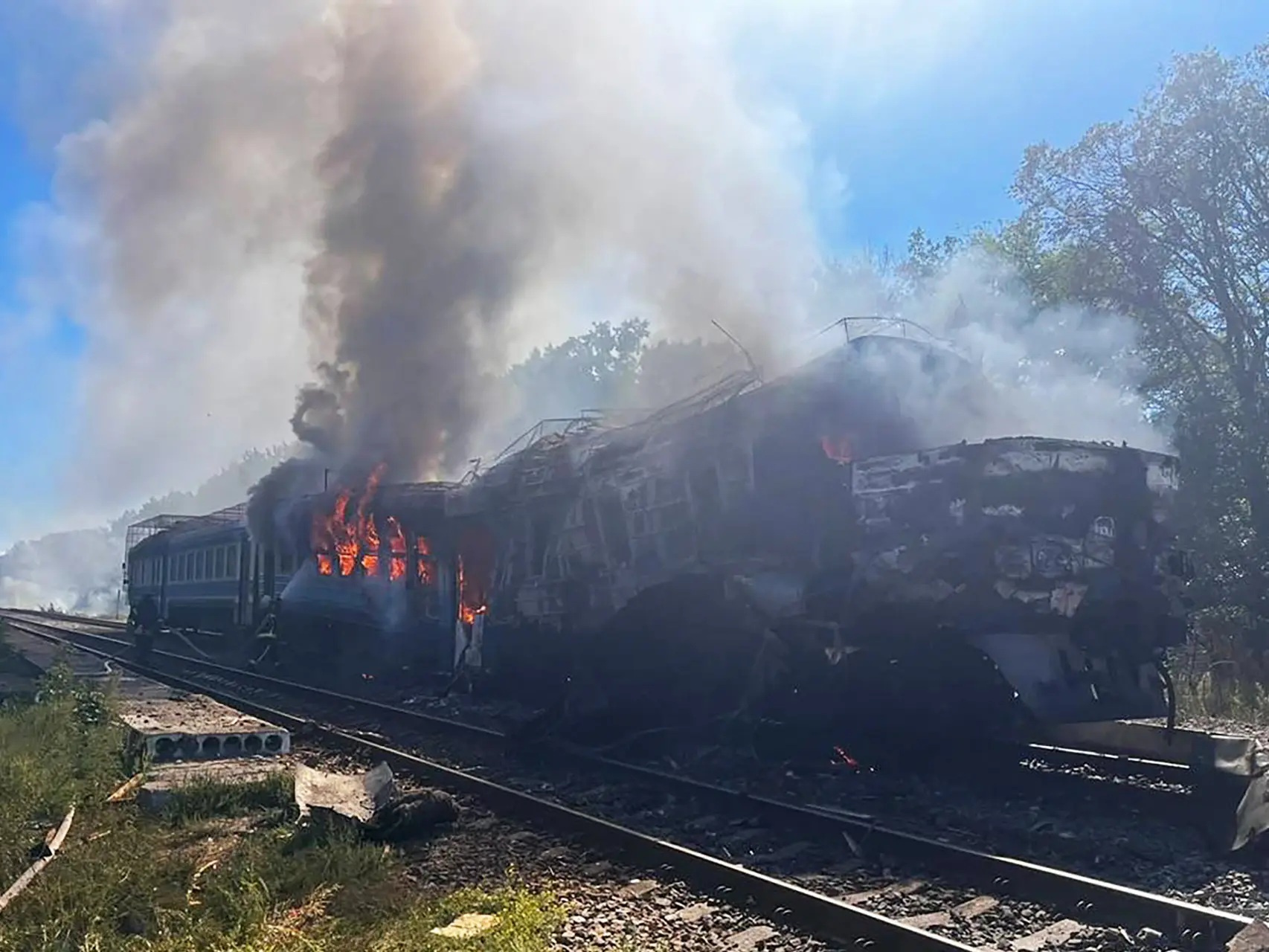)
Russian drone hits Warsaw-bound train near Polish border, Zelensky accuses Moscow of ‘deliberate’ targeting
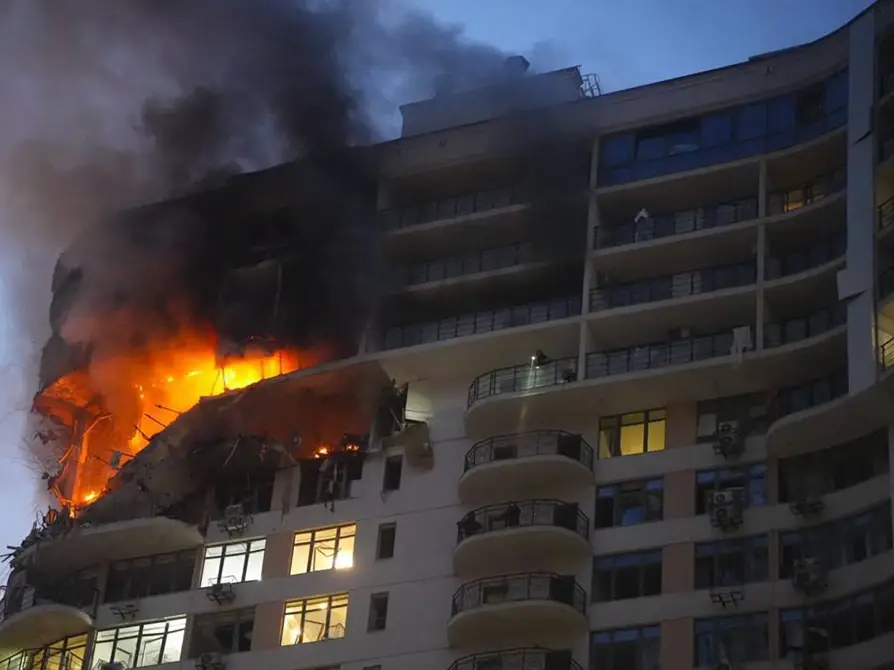)
War is making Russia stronger? How Ukraine is shaping Moscow’s next generation of weapons
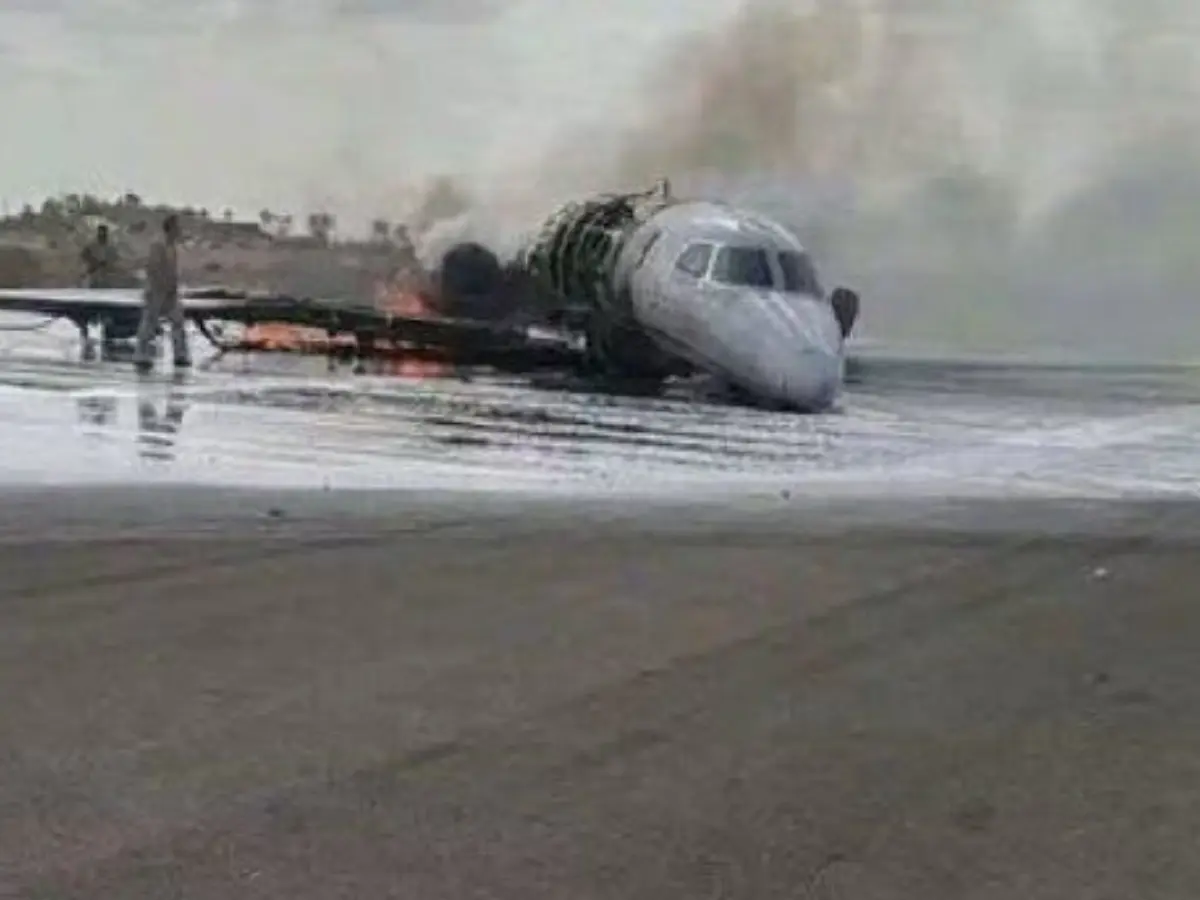)
Plane carrying prominent figure crashes at Libya’s Misrata airport: Report
)
Veteran Bollywood actress Nafisa Ali shares health update as Stage 4 cancer progresses, starts targeted therapy
)
NEET-UG to move to computer-based test soon, NTA DG says ‘CBT is the future’
)
Woman removes all her clothes on American Airlines flight, performs 'indecent acts'; arrested
)
Liam Neeson sparks romance rumours after holding hands with Stella Stocker at TIFF 2026
&im=FitAndFill=(700,400))
New OTT releases this week (September 14-20, 2026): Lust Stories 3, Waiting Hai, Irumudi- 5 new titles coming on Netflix, Prime Video and more
)
Indian importers urge Bangladesh to lift export ban on 'Hilsa' fish ahead of Durga Puja
)
Video of Pakistani lawmaker struggling to read English tribute to Jinnah goes viral - WATCH
)
Did China give Iran intel before US base strike that killed 3 troops? Trump says, 'You’re right...'
)
Meghan Markle shares first glimpse of family life with Prince Harry and children in UK
)
Crude oil prices jump more than $107 per barrel following Houthi attacks on Saudi
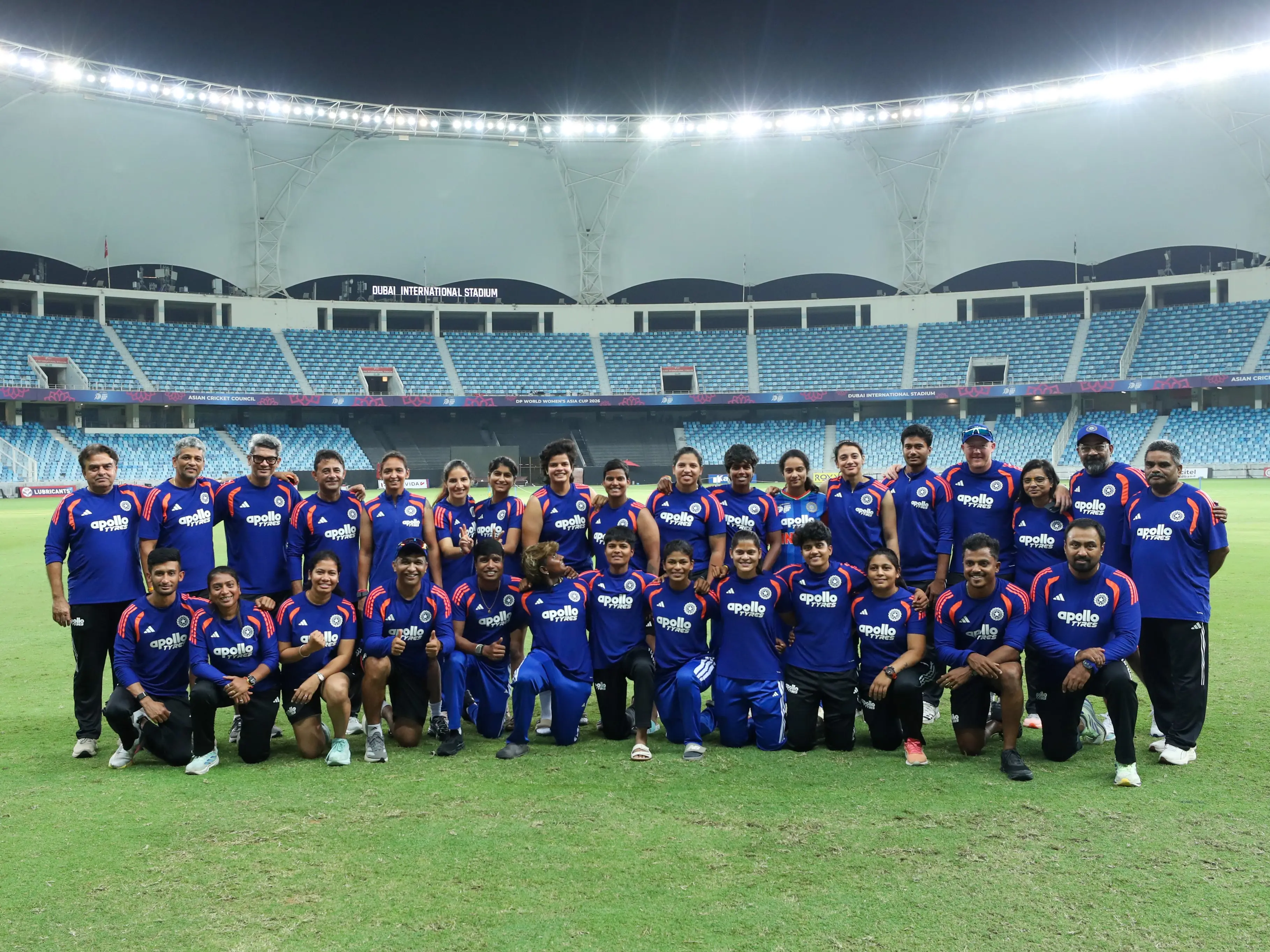)
Women's Asia Cup 2026: India denied trophy once again despite winning the title
)
Humans may lose control of AI: Anthropic CEO calls for slowdown, Altman, Musk back him
There is no evidence of storing or assembling the explosives in Shrikant Prasad Purohit's residence, the court said. The court also noted that no sketch of the spot was done by the investigation officer and no fingerprint, dump data or anything else was collected for the spot.
The samples were contaminated, so the reports can’t be conclusive and are not reliable, it added.
The bike allegedly involved in the blast did not have a clear chassis number and prosecution could not prove that it was in Sadhvi Pragya’s possession immediately before the blast, said the court.
Why the Malegaon blast case is unique: One of the longest terror cases with large amount of evidence shared
The Malegaon blast was one of the cases touted as ‘Hindu terror’ by a section of the Indian media. It is one of the most complex and politically sensitive terror trials in recent memory.
In the nearly two decades of the case, more than 10,800 exhibits were submitted,
and 404 articles were seized and tagged as evidence.
The NIA court examined 323 prosecution witnesses and eight defence witnesses.
Nearly 40 witnesses turned hostile, including some key ones linked to the early Anti-terror Squad (ATS) probe.
The trial was heard by five different NIA judges.
The prosecution submitted its final written arguments in three volumes, totalling more than 1,300 pages, in April 2025.
Both sides were allowed rebuttals, and the verdict was reserved on April 19 before the rulding on Thursday.