&imwidth=800&imheight=600&format=webp&quality=medium "NEET is against 'social justice, equality, and rights of states': Tamil Nadu Assembly passes anti-NEET resolution")
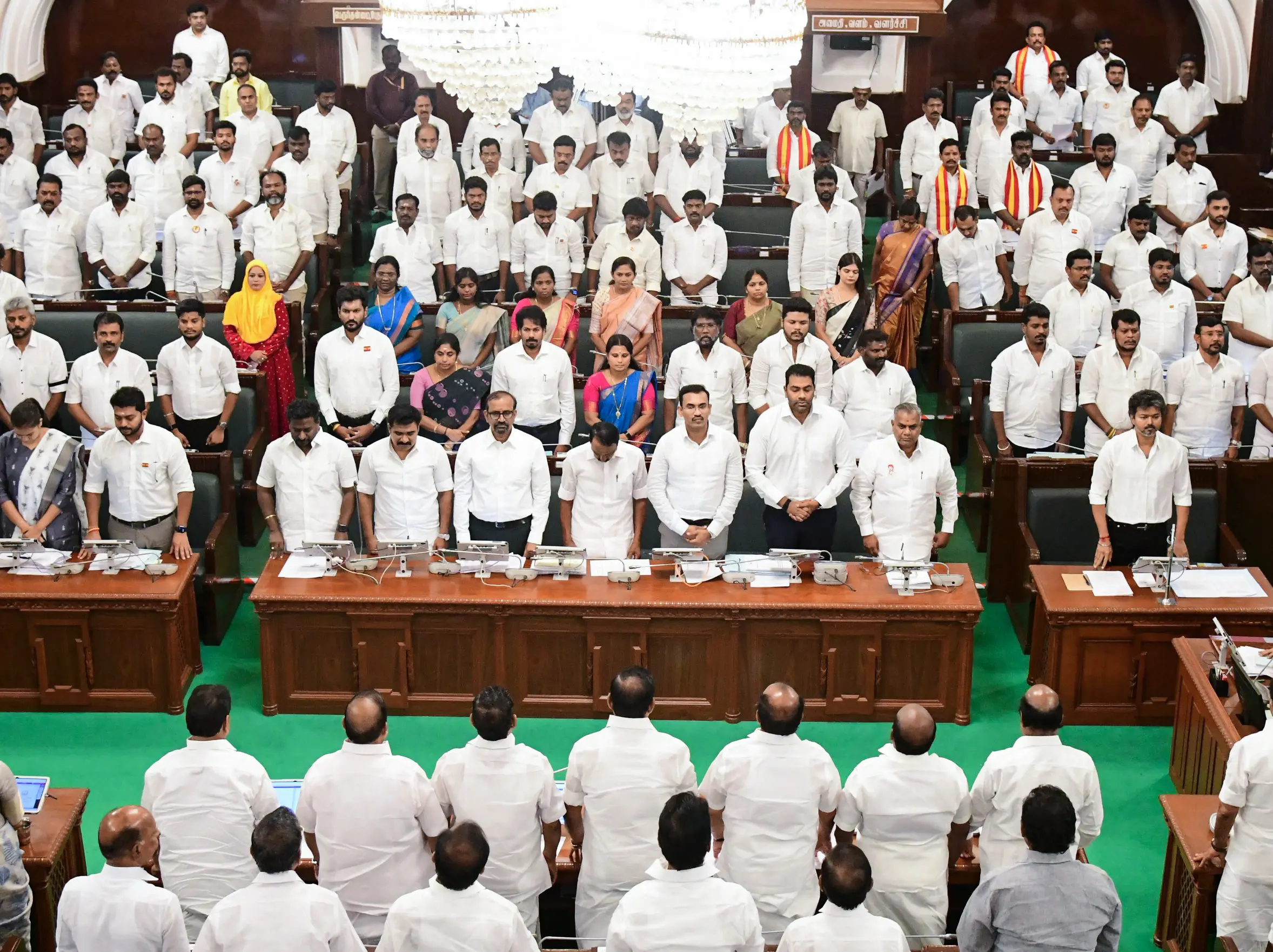
The Tamil Nadu Assembly on Tuesday passed a resolution urging the Union Government to abolish the National Eligibility cum Entrance Test (NEET) and allow students admission to undergraduate medical courses based on the marks secured on the Class 12 public examination. The resolution was passed by the state health minister KG Arunraj, who argued that the fundamental structure of the NEET exam has widened social and economic inequalities. Every party, the ruling TVK, and its allies, including the Congress, the main opposition DMK, the AIADMK, Left parties and others, supported the anti-NEET resolution while the lone BJP MLA staged a walkout.
The resolution notes that NEET is against, "social justice, equality, and rights of states”, it favours the “proliferation of coaching centres that charge exorbitant fees”. The resolution argues that NEET diverts the attention of the children from the curriculum to coaching and takes away agency from the states. “This test gravely undermines medical education opportunities for rural and socio-economically disadvantaged students,” noted Anuraj while passing the resolution.
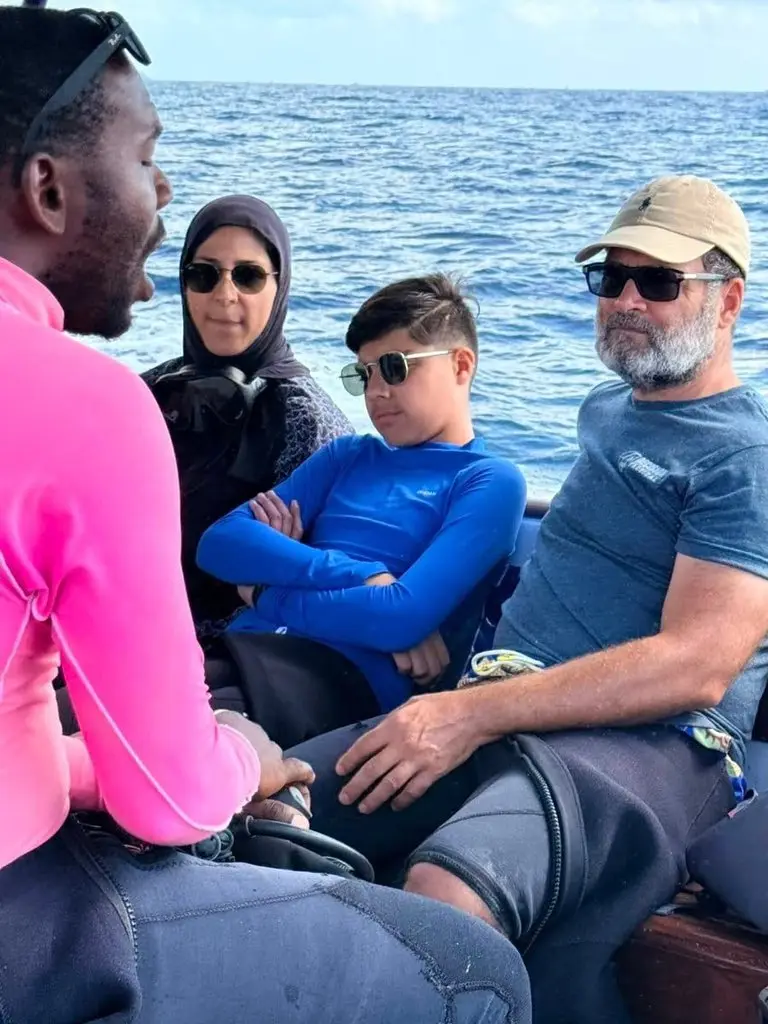
Also Read: ‘Who are the people with you?’- BJP questions Rahul Gandhi's vacation picture, Congress responds

Previously, the Tamil Nadu government unanimously passed the Tamil Nadu Admission to Undergraduate Medical Degree Courses Bill, 2021 seeking an exemption of the state from NEET. But it remains pending without the President's assent.
The resolution also cites the continuous irregularities in the examination system, systemic failures by testing agencies, and the immense psychological pressure on students, which has tragically led to numerous student suicides, making it an imperative for the centre to scrap the framework.
Prior to the NEET framework, admission to government colleges required the All India Pre-Medical Test (AIPMT), which would fill 15 per cent of all quota seats, and the rest would be based on individual state-level exams. Institutes like AIIMS held independent tests. Then, the Medical Council of India (MCI) launched NEET; it was opposed by the state governments, and the Supreme Court struck it down as unconstitutional, reviving AIPMT. In 2016, the Supreme Court reversed its decision and officially reinstated NEET mid-session, resulting in a chaotic implication. Since then it has been the only gateway to medical education in India.
Trending Stories
)
US Supreme Court backs Trump administration's use of SAVE database to check voter citizenship
)
Heart of the Beast review: Brad Pitt leads a gripping tale of survival and loyalty
)
Outrage erupts after 3-year-old is married to 60-year-old man in Pakistan, link to her sister's murder being probed
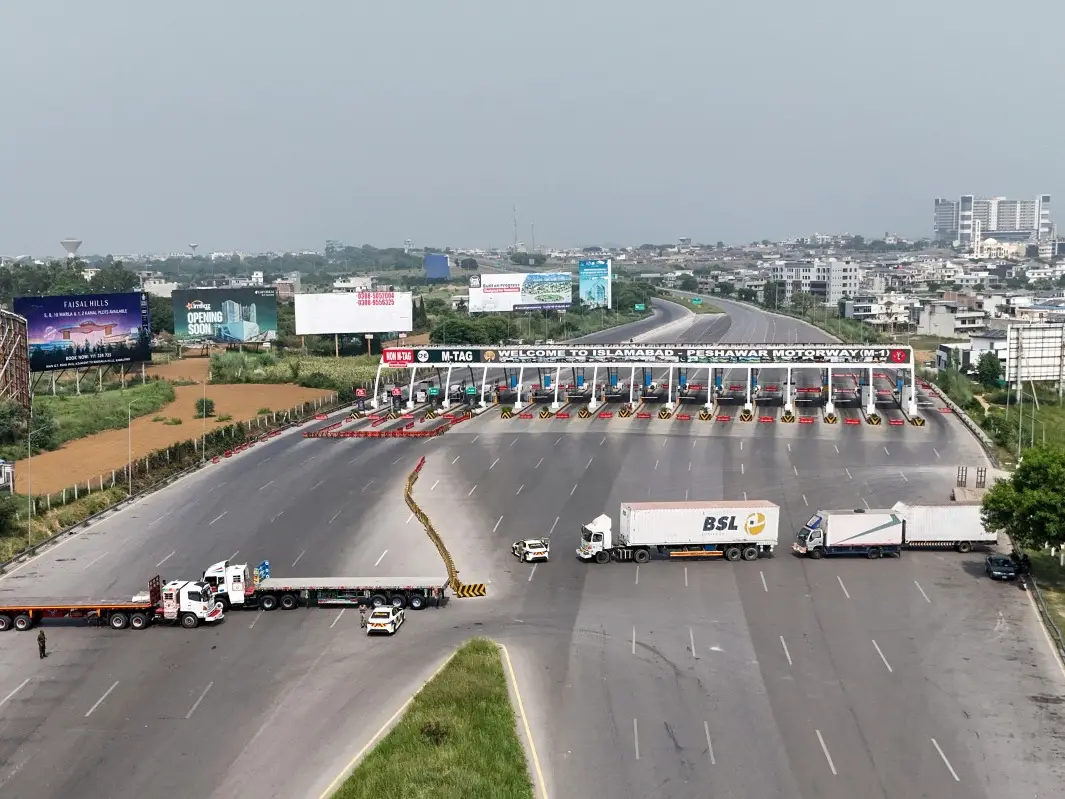)
Pakistan deploys over 20,000 security personnel as PTI vows march for Imran Khan's release
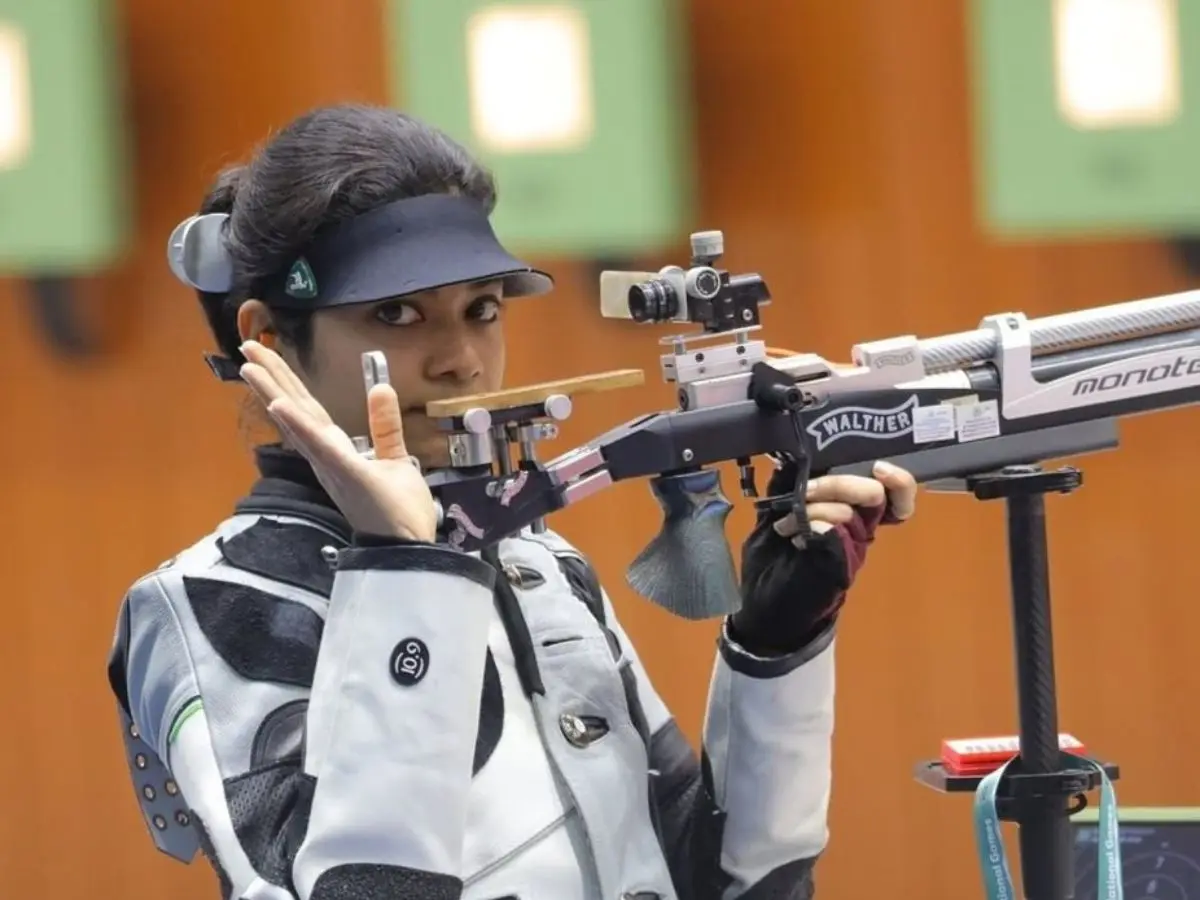)
Asian Games: Shooting spree continues as India win silver in women’s 50m rifle 3P team event
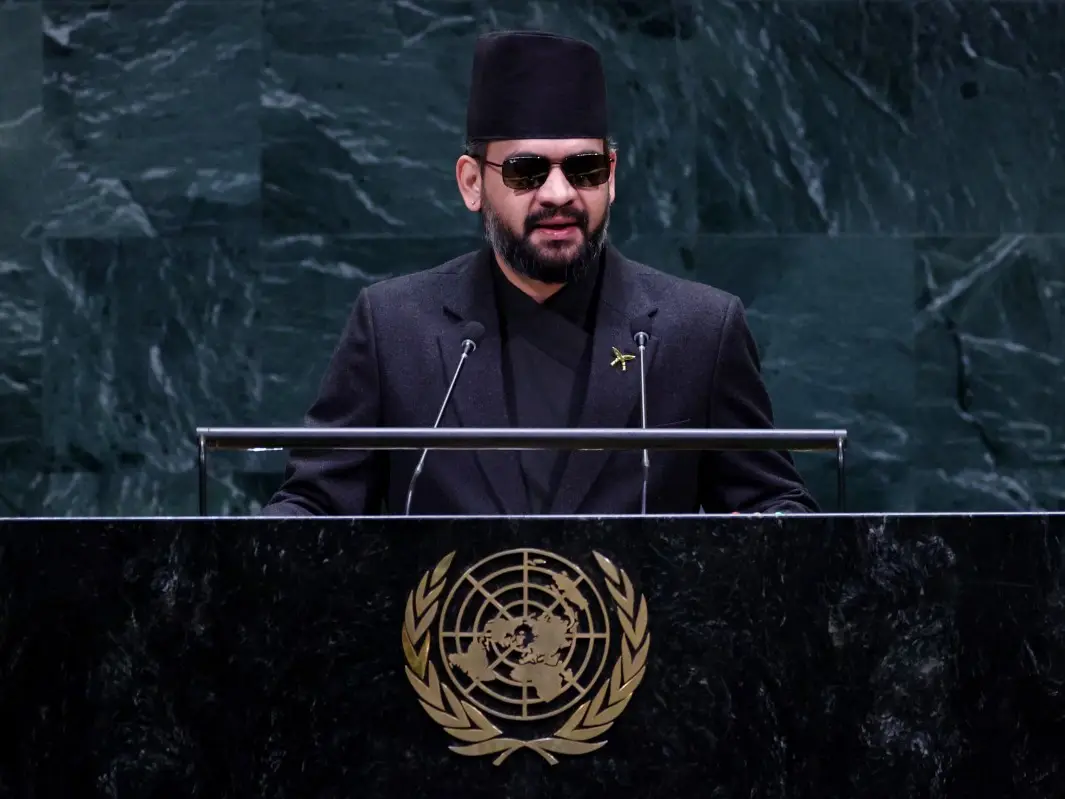)
‘Not just a local tragedy’: Nepal PM Shah warns UN of growing climate threat, says Nepal floods were 'a warning to the world'
)
OpenAI AI Agents hacked 4 websites before Hugging Face, researchers reveal
)
Pentagon quietly adds 37 wounded troops to Iran war tally without explaining when or how
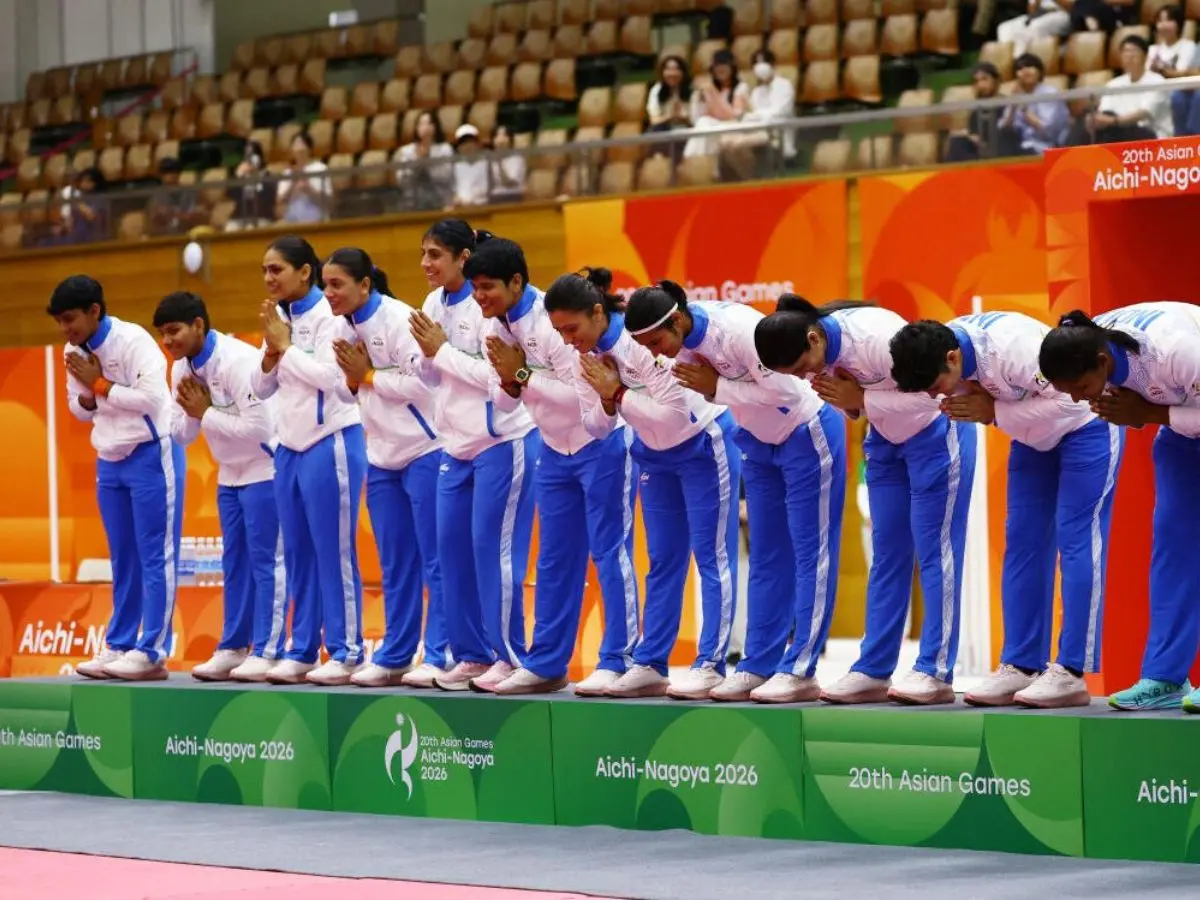)
Asian Games 2026: India women’s kabaddi team edge Iran 37-34 to clinch 3rd gold medal
&im=FitAndFill=(700,400))
New Friday OTT releases (September 25, 2026): Don’t Be Shy, Hunkkaar: The Roar, Mango Pachcha- 6 movies and TV shows on Netflix, Prime Video and more
)
Yemen's war escalates: Saudi-backed leader calls for general mobilisation against the Houthis
)
‘Attack on Mecca a red line for Pakistan’: Shehbaz Sharif warns Houthis at UN
)
Tesla is preparing something big for Optimus: new Gen 3 models surface in app
)
Bias or safety concerns? Bengaluru CEO says firm will not hire men from UP, Bihar, Rajasthan, MP. Here's why
)
Did Hitler kill his niece Geli Raubal? Newly found records reopen a 95-year-old mystery
)
Nigeria Navy moves to boost oil security, tackle crude theft and infrastructure threats
)
Indian diplomat Petal Gahlot raises deteriorating situation in Pakistan-occupied Kashmir in right of reply at UN
)
Scientists detect first radio signals directly from faraway planet
)
‘It is all possible’: Putin weighs next steps on Ukraine talks, rules out Europe conflict
)
10,000 gather in support of 87-year-old forcefully evicted from home of 71 years
)
The Paradise: Nani reacts to mixed reviews from critics and audience; ‘I have also learnt from the flaws’
)
Trump rejects Iran's 7-day ceasefire proposal as US weighs renewed bombing after midterms: Report
)
Red Sea crisis: Houthis promise not to target European ships; UNSC condemns Saudi attacks
)
Gaza's war turned environmental damage into second crisis
)
Trump-Xi summit wrap: Big pageantry, Iran talks, few major developments and more meetings planned
)
'Making history': Xi Jinping praises Trump as US-China leaders dine at White House
)
India's UN Envoy slams Pakistan: 'They claim security by day, terrorism by night'
)
Bollywood mourns Mushtaq Khan: Sunny Deol, Rajpal Yadav and others pay tribute
)
Myanmar training camp case: US national, 6 Ukrainians allowed to meet their families abroad
)
'FIRST LOOK from inside Noah’s Ark': Researchers share video from inside mysterious mound in Turkey
)
Cindy Crawford’s son Presley Gerber cremated as death probe continues
)
WATCH | As Shehbaz Sharif claims Pakistan’s ‘victory’ during 2025 conflict, Indian diplomat R Srinivas laughs at UN
)
'A terrorist country is asking me that question?': Jaishankar hits back at Pakistani journalist at UN; flags attacks on commercial shipping
)
Army chief reviews operational preparedness along LoC, visits mega eye camp in Tangdhar
)
US court backs Pentagon's decision to exclude Anthropic over Claude AI restrictions