Sri Lankan diplomat hails Radio Ceylon’s Hindi service as it turns 75, recalls Binaca Geet Mala and Amin Sayani

&imwidth=600&imheight=450&format=webp&quality=medium "Sri Lankan diplomat hails Radio Ceylon’s Hindi service as it turns 75, recalls Binaca Geet Mala and Amin Sayani")
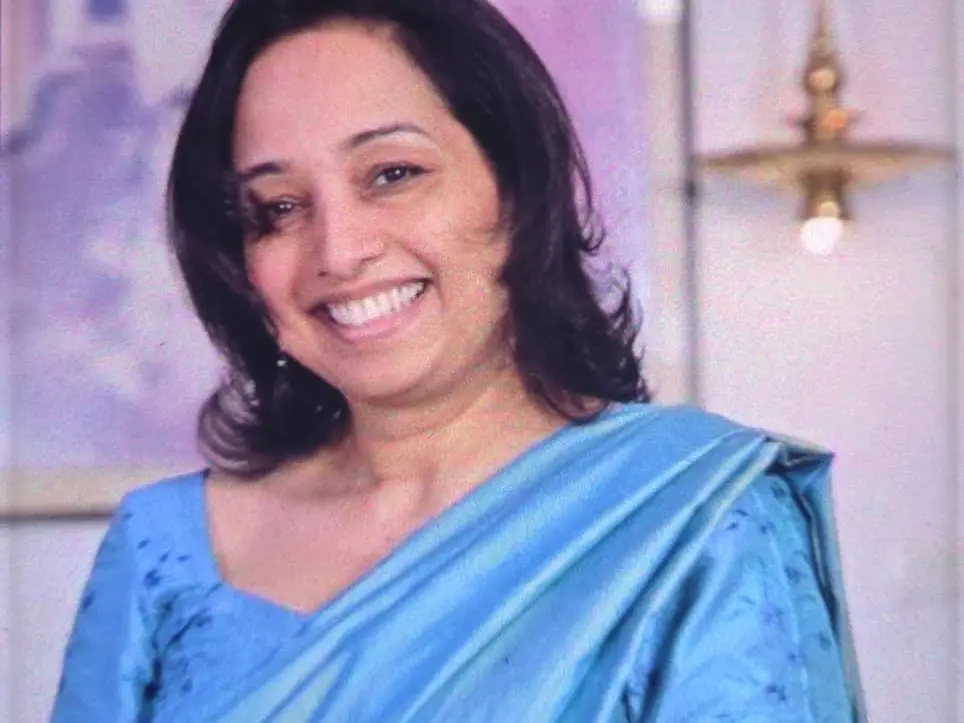
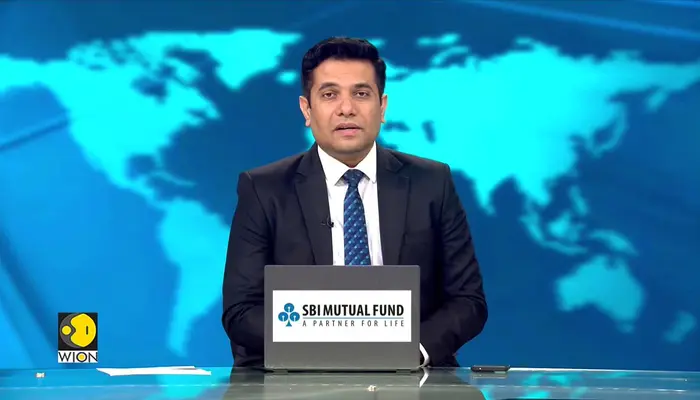
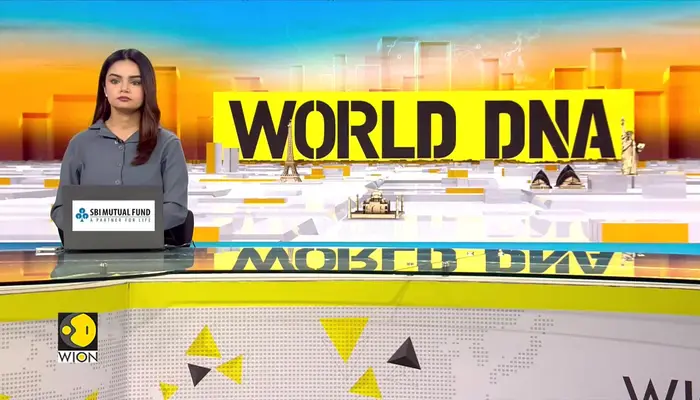
Sri Lanka’s Consul General to Mumbai Priyanga Wickramasinghe Photograph: (WION)
In the 1950s, when All India Radio restricted film songs, Radio Ceylon flung open its airwaves to the magic of Bollywood. “The 1950s became important in understanding the bond between Sri Lanka and, particularly, Mumbai, as well as India, more generally,” Wickramasinghe noted.
ri Lanka’s Consul General to Mumbai Priyanga Wickramasinghe has paid rich homage to the country's Hindi radio service that has been a cultural bridge built across the Indian Ocean. As the Asia Hindi Service of the Sri Lanka Broadcasting Corporation (SLBC), formerly known as Radio Ceylon, marks its 75th Platinum Anniversary, Wickramasinghe recalled how the island nation’s radio station profoundly shaped popular culture in India and beyond.
The service, which began broadcasting in 1951, emerged as a lifeline for Hindi film music at a pivotal moment. In the 1950s, when All India Radio restricted film songs, Radio Ceylon flung open its airwaves to the magic of Bollywood. “The 1950s became important in understanding the bond between Sri Lanka and, particularly, Mumbai, as well as India, more generally,” Wickramasinghe noted. “The Asia Hindi service itself began in 1951. Radio Ceylon... played an instrumental role in building what I would call a bridge of melodies.”
For decades, the iconic programme Binaca Geet Mala, hosted by the legendary voice from Mumbai, Ameen Sayani, became a cultural phenomenon. Broadcast from Colombo’s studios, it carried the timeless melodies of Lata Mangeshkar, Mohammed Rafi, Kishore Kumar and others into Indian homes, chawls and bungalows across South Asia. “The voice of the legendary Amin Sayani from Mumbai, through the iconic radio program, Binaca Geet Mala, didn’t just broadcast Bollywood songs, but also a shared culture,” the Consul General said.
Wickramasinghe highlighted how SLBC went beyond mere entertainment. It became the primary vehicle for Bollywood hits when domestic options were limited, curating the soundtrack of countless lives. Indian artists found a welcoming second home in Colombo’s studios, while Hindi film music and, by extension, elements of Indian popular culture, gained deep popularity in Sri Lanka, despite Hindi not being a local language.
The diplomat emphasised the broader impact: “This was also the beginning of the popularisation of Hindi and particularly Bollywood songs in Sri Lanka’s popular culture... Given that Binaca Geet Mala was initiated by Radio Ceylon with a viable sponsor model that continued over decades, it also seems to me that this service laid the groundwork for the modern advertising and media landscapes that we see today in both countries.”
Trending Stories
)
)
)
)
)
)
)
)
)
)
)
)
)
)
)
)
)
)
&im=FitAndFill=(700,400))
)
)
)
&im=FitAndFill=(700,400))
)
&im=FitAndFill=(700,400))
&im=FitAndFill=(700,400))
)
Even as technology evolved from shortwave signals to digital streams, the emotional connection endures. “Historically, I think even as technology has shifted from shortwave to digital streams, the emotional frequency remains the same,” Wickramasinghe observed.
Marking the jubilee, she added powerfully: “We aren’t just celebrating 75 years of broadcasting. We are also celebrating 75 years of listening to one another and understanding culture across the ocean. This goes way beyond politics.”
In an era of digital noise, the SLBC Asia Hindi Service stands as a testament to enduring friendship. “The airwaves of SLBC continue to carry messages of peace, music and a friendship that is as timeless as a classic melody,” she said.
Wickramasinghe expressed hope for the future, urging the service to leverage its soft power, diplomatic and commercial potential. She called for recreating the success of the 1950s-70s “for the rest of this century,” using nostalgia to strengthen people-to-people ties across South Asia.