Opinion: To be a world power India needs a world-class civil aviation sector

Civil aviation
The vision of GOI is clear, air connectivity needs to go up by notches and should be affordable to the very common people.
Ever since the Modi government has come to power in May 2014, there has been a consistent push to improve the country's infrastructure. Nitin Gadkari as Surface Transport Minister is leading the pack. Gadkari has provided amazing impetus to the highway construction pace. He is a man of action and visionary too.
Apart from highways, Gadkari is trying to create as well as revive national waterways using the network of rivers. If realised, waterways would not only decongest highways but they will also bring down the transportation cost substantially.
Apart from highways and waterways, there has been a serious initiative by Government of India (GOI) to push aviation in the country. In his budget speech for 2018-19, Jaitley has given a vision of expanding the airport capacity by five times of what it is today.

But it’s not only about Budget 2018-19; Modi government has actually been working to take this sector on a different level for the past couple of years at least.
Last year, GOI has come with UDAN - RCS scheme (Ude Desh ka Aam Nagrik – Regional Connectivity Scheme), wherein extraordinary impetus has been given to regional air connectivity. In the proposed scheme, airlines are bound to sell few tickets for Rs. 2500 for a journey spanning less than an hour. The GOI can do so as many unserved but serviceable air-strips and airport of defence services are available in the country.
Despite being a burgeoning economy and second most populous country in the world, India is still nowhere in civil aviation in comparison to the developed country. In India, there are only around 500 commercial aircrafts in comparison to more than 7000 aircrafts in the USA. As on date, the USA has around seven times air passengers than that of India. China has around 4.5 times.
)
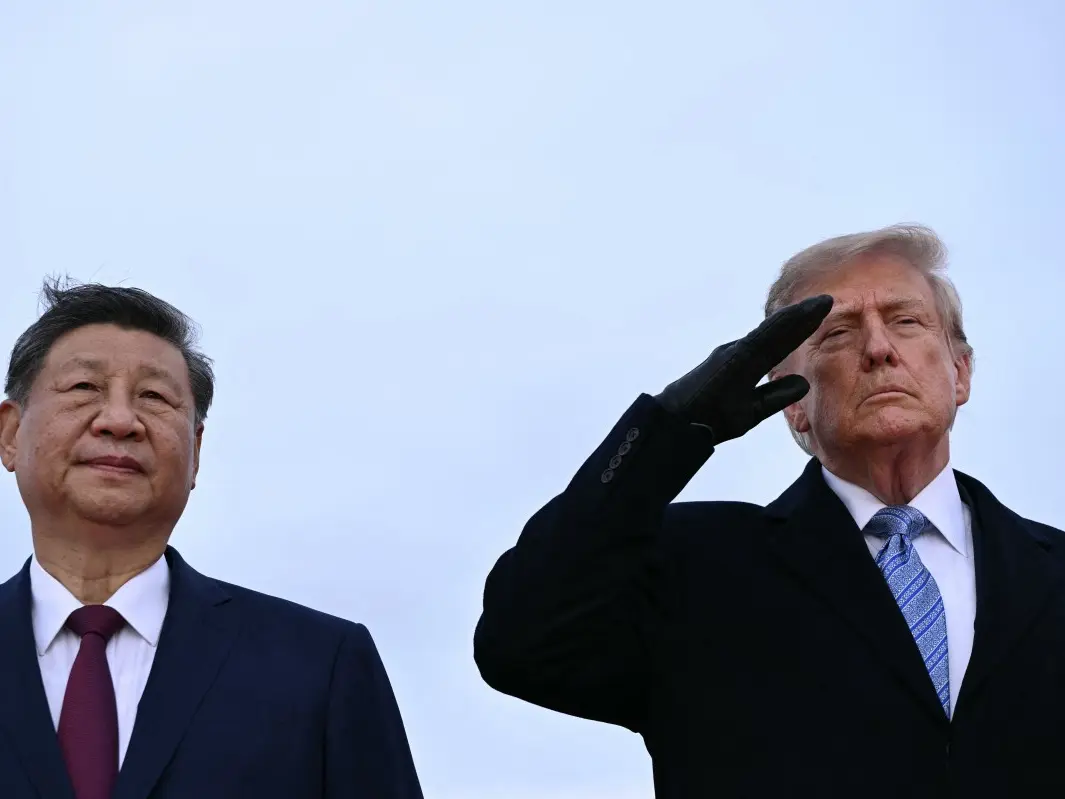
Trump-Xi Summit: Trade, Taiwan and the red lines shaping US-China talks | Race To Power
)
US judge questions Trump’s decision to ban CNN, MS NOW and Politico from White House
)
Afghan woman cyclist who disguised herself as a boy to escape Taliban, wins Asian Games medal
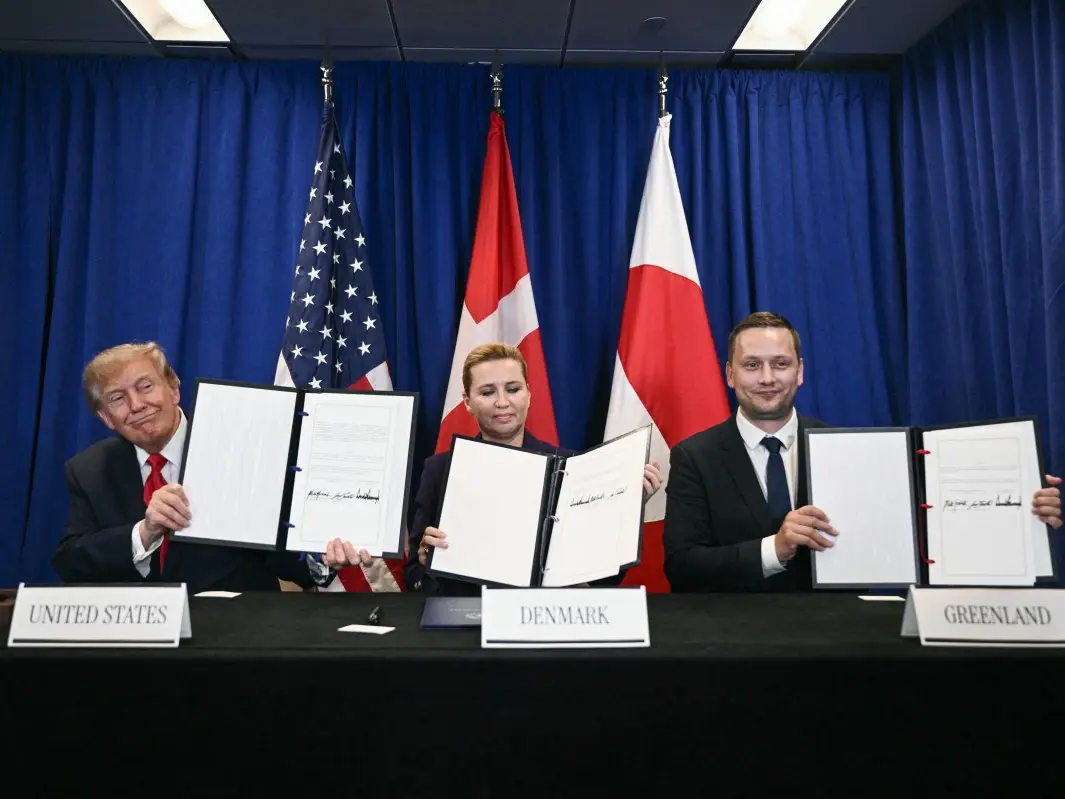)
Trump signs Greenland security deal with Denmark, paving way for two new US military bases
)
IND vs JPN T20I: How an overturned wide became point of difference between India's win and a tie
)
IIT Bombay CCTV footage emerges: Sahil Wakode seen looking at phone in examination hall
)
Cyclone Arnab: Landfall expected before midnight tomorrow as IMD issues orange alerts across six states
)
NBA player Steven Adams shares hilarious GTA VI theory
)
TMC revives impeachment push against CEC Gyanesh Kumar after report of internal dissent
)
WION Iconic Tourism Summit 2026: Union Minister Shekhawat on 'experiential travel', peace diplomacy
)
ICC plans T20I expansion and fewer ODIs in 2027–2031 FTP cycle: Report
)
'AI got into my speech': Prince Harry jokes after teleprompter failure at event in New York
)
WION Iconic Tourism Summit: Seychelles envoy says India partnership is important for Seychelles
)
Scientists detect first radio signals directly from faraway planet
)
China to test supersonic jet that moves at Mach 2, double the speed of sound
)
WION Iconic Tourism Summit: 'Hanuman Ansh' Director on blockbuster success
)
Open AI, Anthropic CEO urges caution over rapid AI development at UN Security Council, call for 'extreme care'
)
Bomb scare in New York amid UNGA: Suspicious suitcase found near UN headquarters
)
Hours before Xi-Trump meeting, US announces visa curbs targeting birth tourism: What is it?
)
WION Iconic Tourism Summit: Is India's travel boom outrunning its airports, airlines and hotels?
)
WION Iconic Tourism Summit and Awards 2026: Key voices to discuss India’s tourism future
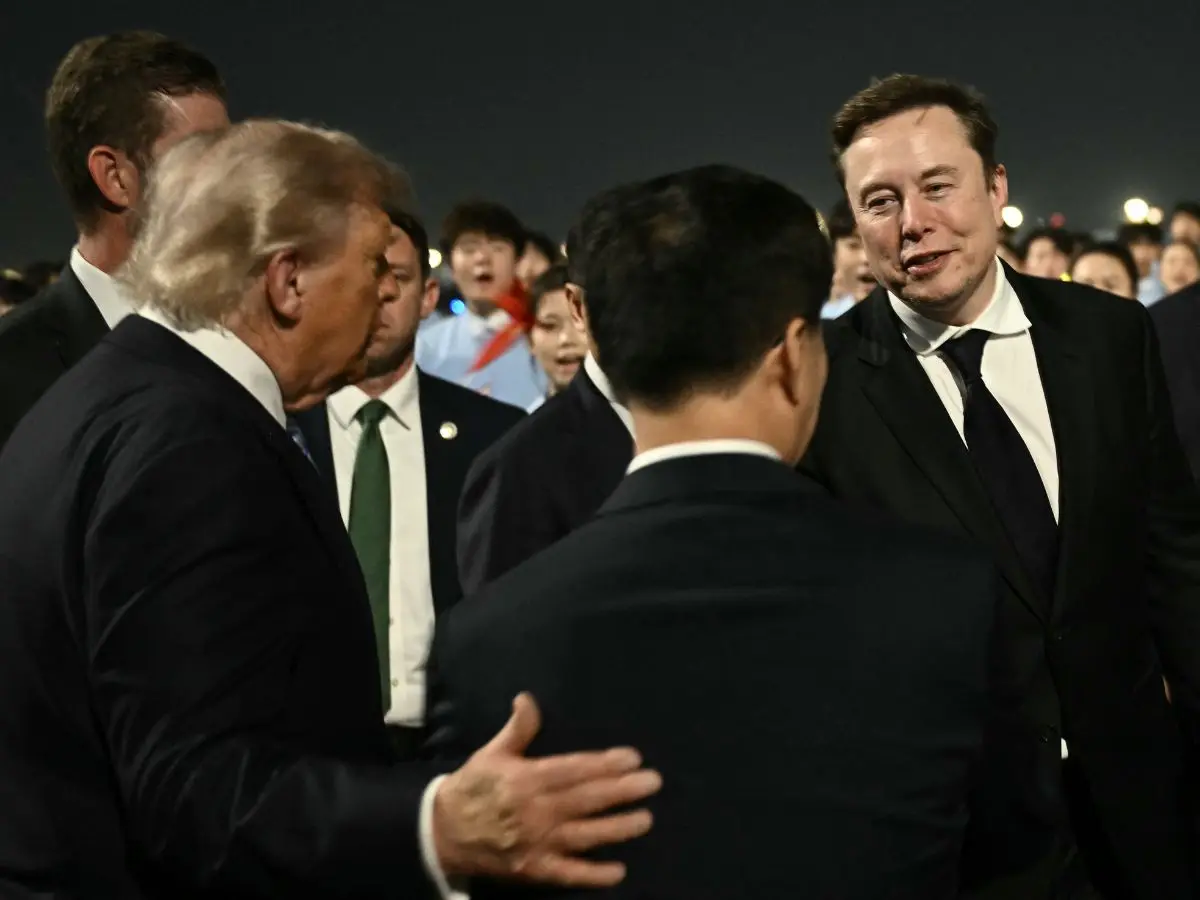)
Trump-Xi state dinner 2026: Who is invited? Full guest list of tech CEOs, business leaders and officials
)
American manufacturing is reshoring faster than its factory floors can absorb
&im=FitAndFill=(700,400))
New OTT releases this week (September 21-27, 2026): Shaque: Trust No One, Hunkkaar, Don’t Be Shy- 5 new titles coming to Netflix, Prime Video and more
)
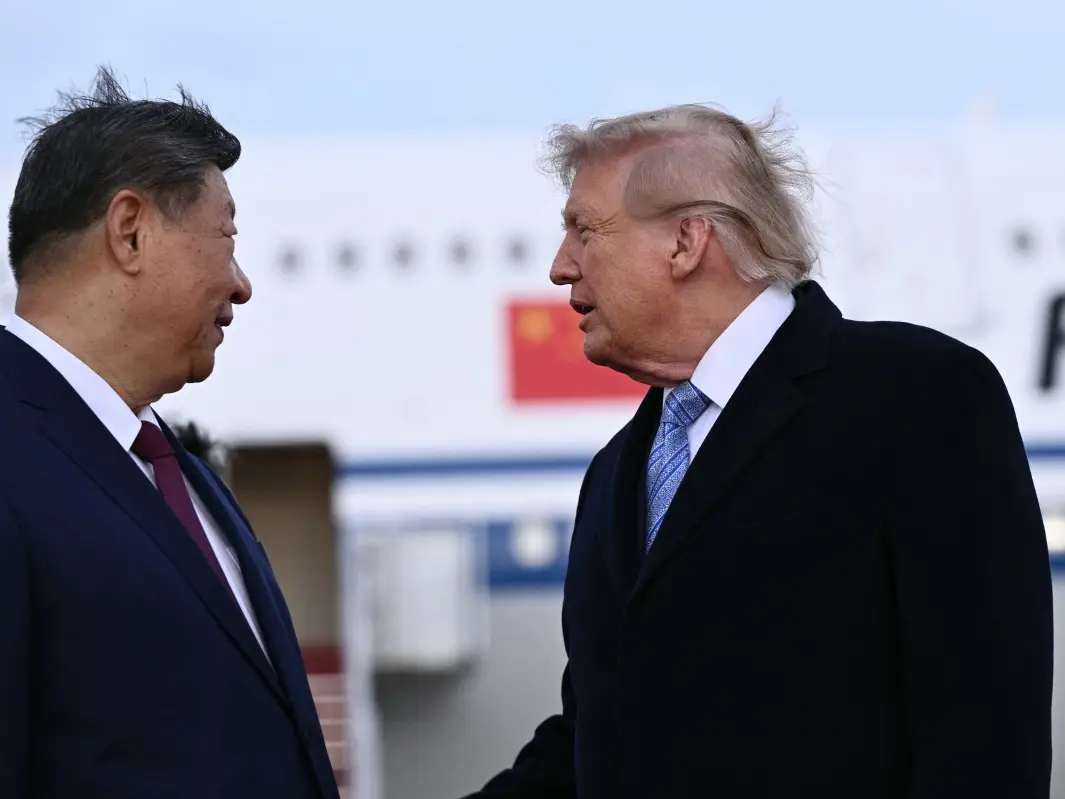
WATCH | China President Xi Jinping lands in US as Trump greets him ahead of high-stakes summit
)
'What kind of confession is this?': Pakistan PM Shehbaz Sharif’s 'terrorists would be roaming New York' remark goes viral, raises alarm online. Watch
)
WION Iconic Tourism Summit: How local tourism MSMEs must upskill for AI integration
)
Elephants hide behind trees, stage surprise attack on poachers targeting rhinos in South Africa
)
'Putin is patient zero': Zelensky slams Russian president at UNGA, accuses him of using fighters from 47 countries
&im=FitAndFill=(700,400))
National Film Awards 2026: Kartik Aaryan, Mammootty, Yami Gautam, Randeep Hooda and other key winners
)
El Niño 2026 heats up to become strongest in 1,000 years
)
Israeli envoy to US Yechiel Leiter’s son critically injured in West Bank ramming attack
&im=FitAndFill=(700,400))
Trump welcomes Xi Jinping in rare airport gesture: Photos from Chinese President's arrival in US
)
Anne Hathaway to run in supporting race for Nolan's epic
)
From Gaddafi tearing up UN Charter to Trump’s ‘escalatorgate’: Most unforgettable UNGA moments
)
Xi-Trump meeting: China’s human rights red line and past protests explained
The current push to the civil aviation sector by the Modi government is the next steps of reforms in this sector. Things as such started changing during the previous decade when the GOI decided to go for PPP (Public Private Partnership) model after sensing that Airport Authority of India (AAI) alone cannot match the required pace in this domain. Remember how Bangalore people used to struggle at highly congested and cramped old HAL airport; it was a real mess. Or the way passengers used to queue up for luggage screening at Terminal 1B in Delhi. They are now things of the past.
The new swanky airport was commissioned in Bangalore in 2008 under PPP model, which is given a new lease of life to India’s IT city. Subsequently, it was the turn of Terminal T3 at Delhi, new airports at Hyderabad and Mumbai, built and commissioned under the PPP model.
The passenger traffic is growing by leaps and bounds in India. It is worthwhile to mention here that India’s domestic traffic has been growing at a rate of 18 per cent per annum over the past three years. In 2017-18, the passenger footfall at Delhi would cross a whopping 60 million and it is one among the 15 busiest airports in the world.
The government very well realises that a robust infrastructure is imperative for an aspiring world leader like India and aviation is one of the vital constituents of this infrastructure. Already a second greenfield airport in NCR (Delhi), Goa and Navi Mumbai have been nodded by the government, which will be a huge boost to this sector. The second airport at NCR (Jewar) is slated to start operations in 2022.
Airlines are well aware of the massive growth, which is on the cards in Indian aviation industry, and they are accordingly reciprocating. The total order of new aircrafts booked for all India airlines put together is 900 plus, compare this with total 500 aircrafts that run currently.
UDAN scheme has already started touching people’s life. 16 airports under UDAN have already become operational. For example from Delhi, flights are now available to destinations like Shimla, Bikaner and Bhatinda.
In this budget, Jaitley has proposed an augmentation of aviation infrastructure under the Nabh-Nirman scheme, which will be spearheaded by the AAI. The GOI has also provisioned Rs. 6600 crore for the sector during 2018-19, which is almost three times the budget during 2017-18. Thus, the sector is bound to get catapulted at a whole new level in days to come.
The vision of GOI is clear that air connectivity needs to go up by notches and should be affordable to the very common people. It is clearly manifested in Jaitley's budget speech and commitment made by him for this sector.
(Disclaimer: The opinions expressed above are the personal views of the author and do not reflect the views of ZMCL)