New Delhi: It's not entirely stubble burning. What else is fueling air pollution?


Delhi air pollution
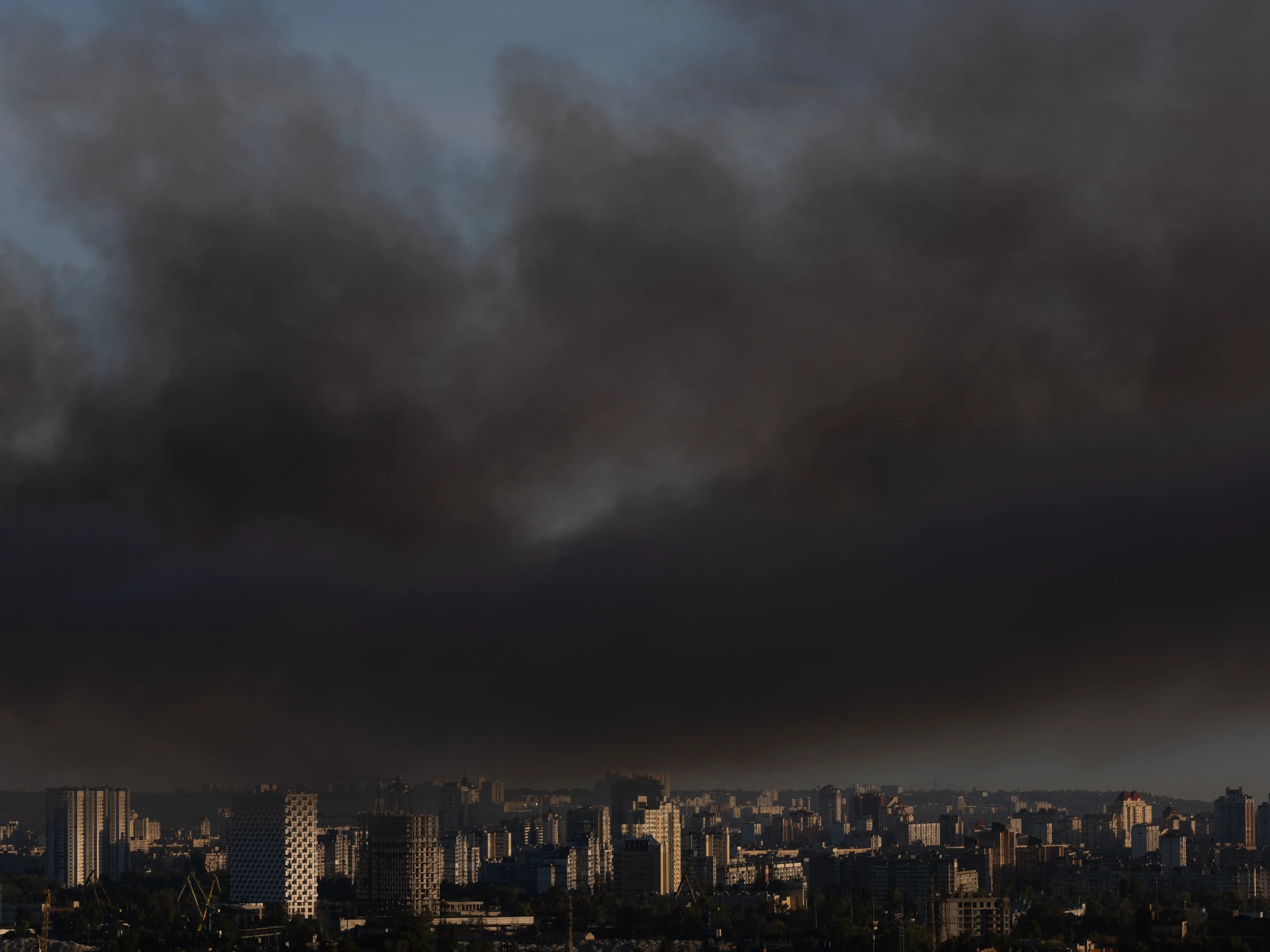
India's capital New Delhi has been enveloped by thick smog as air pollution worsened, which led to an increase in the concentrations of fine particles in the air above acceptable limits. But is air pollution in Delhi fuelled by the absence of Western disturbances? The latest report provides answers.
For many years, New Delhi has been ranked as one of the most polluted cities in the world as winter approaches the region. With the end of the Monsoon and the arrival of the Autumn season, winds in the northwest region slow down and temperatures begin to fall. The conditions become favourable for capturing contaminants from the environment.
Not just that, construction dust, pollution, factories, and stubble burning are some of the sources of the smog.

However, a recent report by Climate Trends,an environment NGO, suggests that stubble-burning incidences in the neighbouring agrarian states of Haryana and Punjab have decreased by 38.04 per centand 47.8 per cent, respectively. As a result, the weight of high air pollution levels falls on local emissions and weather conditions.
As quoted by the report, Mahesh Palawat, the Vice President of Meteorology and Climate Change, at Skymet Weather, said: "Weather conditions are presently very conducive for the spike in air pollution. Temperatures have also started coming down, leading to the formation of mist and haze during the morning hours."
)
NATO under Russian threat? Drone strikes just 2 km from Poland, narrow escape for former UK PM, CIA chief
&im=FitAndFill=(700,400))
Why European Meteor missiles use ramjet engines compared to standard US solid rockets
)
Why does your skin need protection from UV rays?
)
PM Modi and China's Xi offered to help resolve Russia-Ukraine war: Kremlin
)
Did India risk its US trade deal despite softer stance at BRICS?
)
Who is the smiling man beside Modi, Putin and Xi at BRICS Summit 2026?
)
Delhi’s balancing act: BRICS serves as a stage for West Asia diplomacy
)
‘Partners, not rivals’: Xi outlines four point plan for stronger India-China ties
)
US diplomat accused of possessing child abuse images secretly flown out of UK by US Marines
&im=FitAndFill=(700,400))
Shahid Kapoor to Rajkummar Rao: Actors who rule both theatres and OTT
)
BRICS Summit 2026: Modi-Xi moment highlights India-China thaw at BRICS
)
Russian drone hits Warsaw-bound train near Polish border, Zelensky accuses Moscow of ‘deliberate’ targeting
&im=FitAndFill=(700,400))
Why Chinese PL-15 air-to-air missiles use dual-pulse motors compared to European interceptors
)
‘Want to reset ties with India, have engagement based on mutual interests,’ says Bangladesh minister
)
Trump says Canada eager to reach a deal, it could come ‘fairly soon’ if Ottawa treats US farmers better
)
BRICS Summit 2026: PM Modi, Xi reach key consensus on ties, China to assume BRICS chairmanship in 2027
)
The Verdict | Africa is too big to remain a guest at the BRICS table
)
Humans may lose control of AI: Anthropic CEO calls for slowdown, Altman, Musk back him
&im=FitAndFill=(700,400))
How 2nm technology improves iPhone performance
)
9-year-old Chennai prodigy clears Cambridge IGCSE grade 10 exams
)
UK breakup on the cards? Scotland, Wales and Northern Ireland push for independence
)
Did BRICS Summit 2026 prove that an 11-member bloc with India and China in it can still agree on key issues?
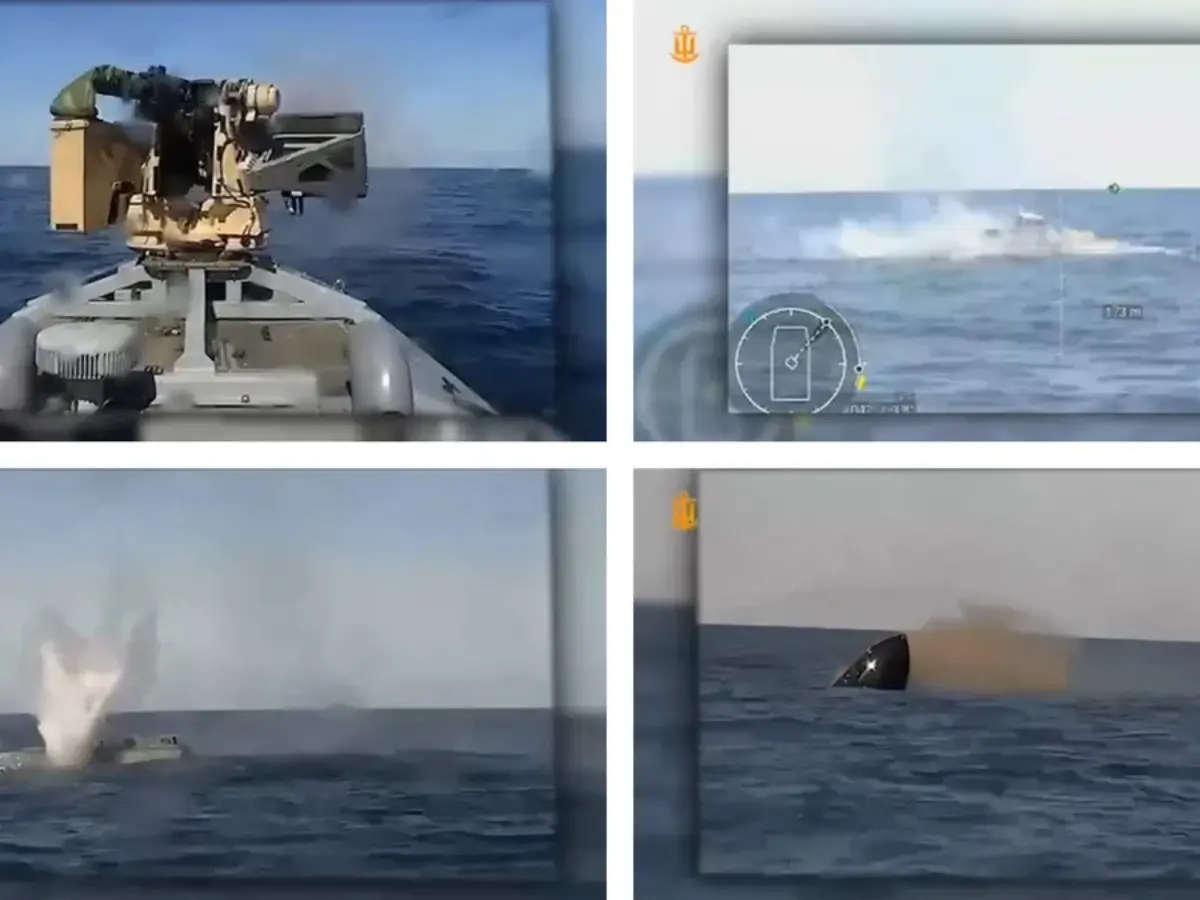)
First naval drone battle? Ukraine says Sargan 3000 sank Russian unmanned boat
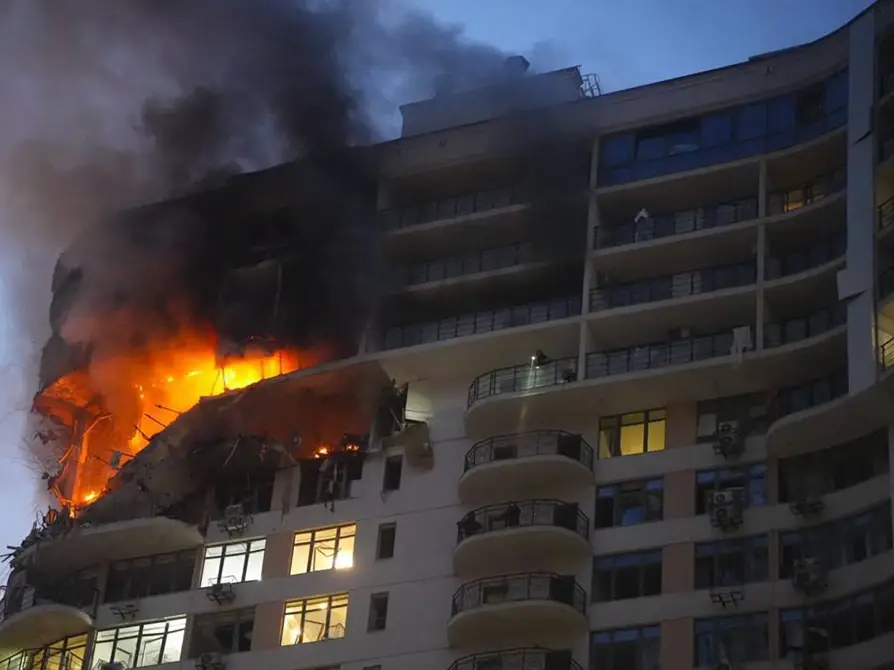)
War is making Russia stronger? How Ukraine is shaping Moscow’s next generation of weapons
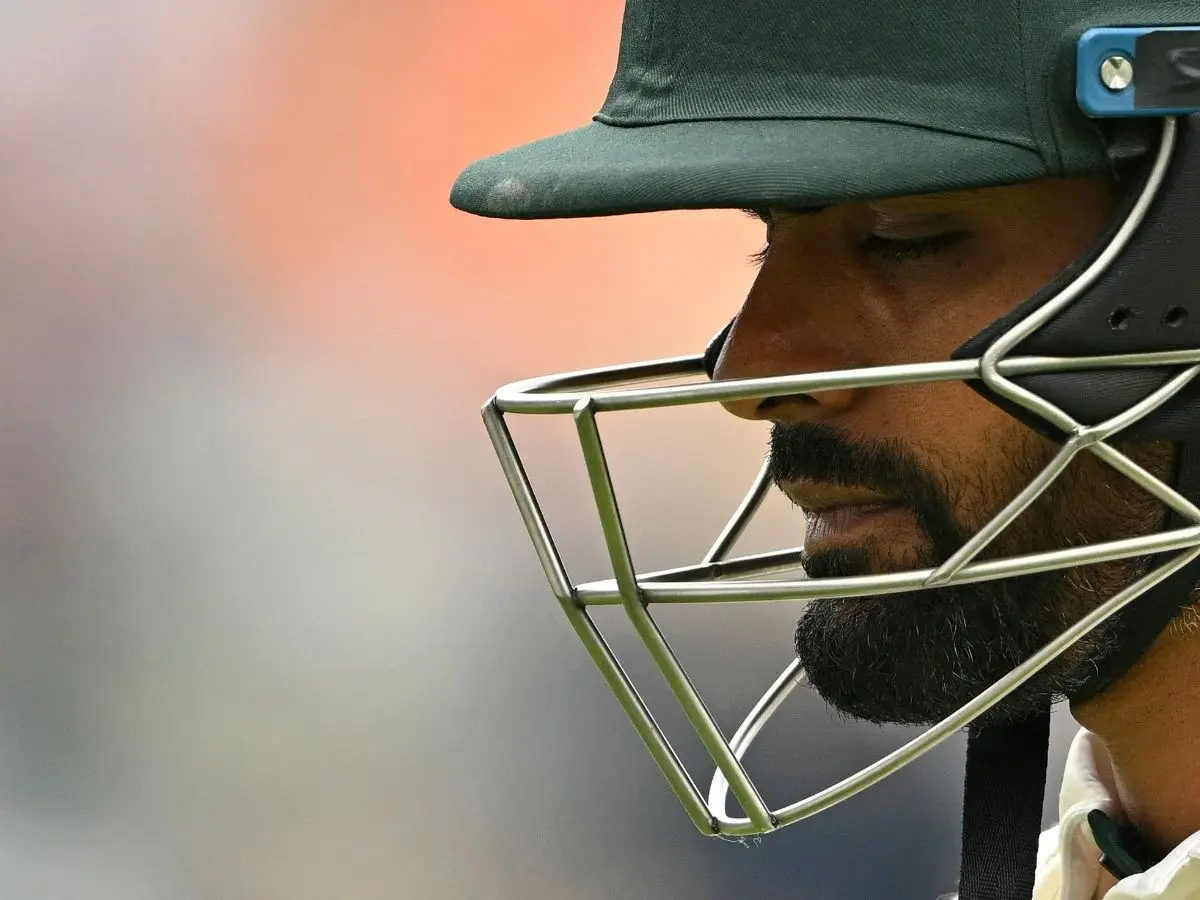)
Akram, Afridi, Mushtaq tear into PCB after Pakistan’s Test series collapse in UK
)
BRICS Summit 2026: Trump wants to weaken BRICS, but maybe doing the opposite
)
'He is popular...': Malaysian PM Anwar Ibrahim's praise for PM Modi during bilateral meeting | WATCH
)
Russia-Ukraine-US talks in October? Kremlin says not ruling out possibility of trilateral
)
BRICS Summit: New Delhi declaration adopted with full consensus, big diplomatic win for India
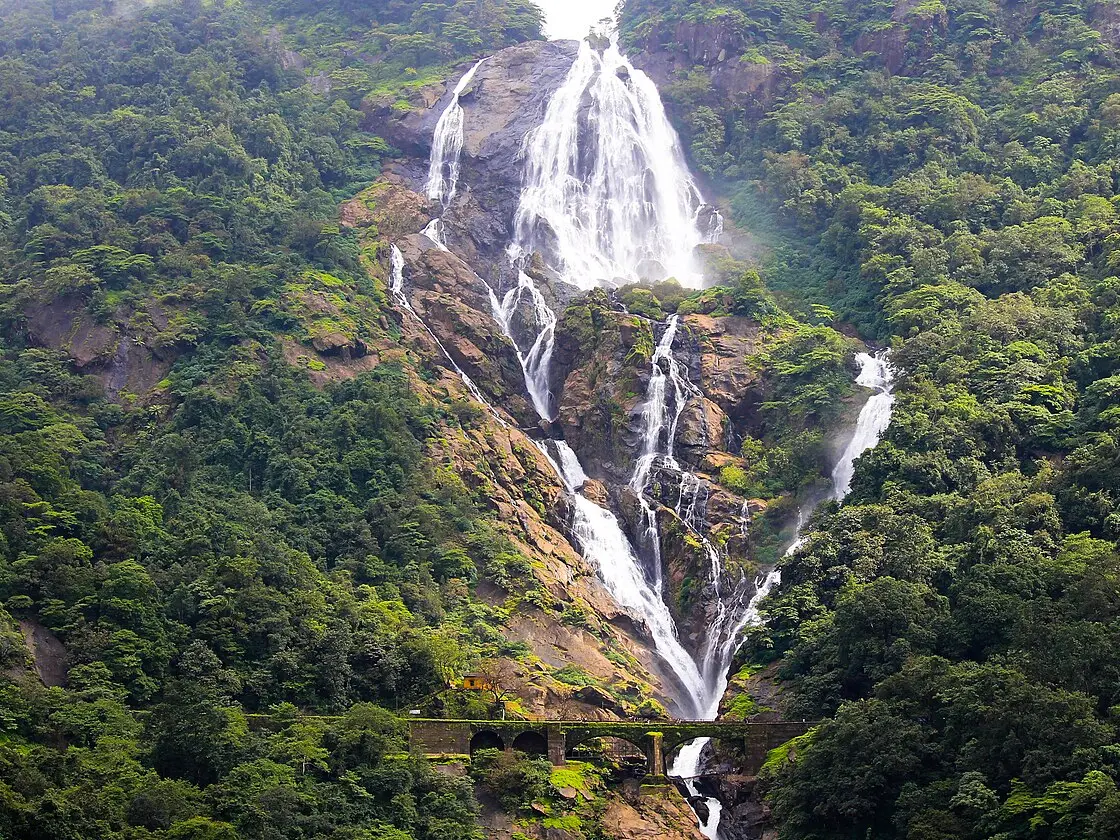)
Top 5 places to visit in Goa beyond its famous beaches
&im=FitAndFill=(700,400))
From Rinku Singh to Mayank Yadav, 5 players dropped from India’s squad for Afghanistan T20Is
)
800 million years old - Scientists discover 'fingerprints' of supercontinent Gondwana in ancient rocks
)
Indian importers urge Bangladesh to lift export ban on 'Hilsa' fish ahead of Durga Puja
&im=FitAndFill=(700,400))
Meet top 5 batters fastest to 3000 runs in T20Is
)
Iran, India agree to deepen humanitarian and political ties, President Pezeshkian says
Palawat added, "The mist contains water vapours where the pollutants get deposited and remain suspended near the Earth's surface. Further, the absence of any weather activity, as well as light winds, are not letting pollutants move away from Delhi-NCR."
Experts have said that the air in the planetary boundary layer (the lowest section of the atmosphere) is thinner during the winter because the cooler air near the Earth's surface is dense.
The cooler air is confined beneath the heated air above, forming a kind of atmospheric 'lid'. This is called the winter inversion. The contaminants discharged do not have enough space to disperse in the atmosphere as the vertical mixing of air occurs solely inside this layer.
Also read:Delhi govt to consider SC’s remarks over odd-even rule, after latter calls it ‘mere optics’
Meteorologists have issued a warning that there will be more bad air quality days as minimum temperatures fall further in the season.
Palawa added, "The more the minimum temperatures dip, the thicker will be the inversion layer. And the thicker the inversion layer, it would be more difficult for sun rays or winds to penetrate through this layer and disperse the pollution level."
Watch:New Delhi's battle for breath: Who is responsible for 'murder of health'?
In the last few years, the world has witnessed persistent changes in the weather patterns caused by climate change. To understand how it is important to know about the Western Disturbance (WD) and the process of bringing winter rains over Northwest India.
WD is an extratropical cyclone that forms in the Mediterranean region and provides heavy winter rain to the northwestern sections of the Indian subcontinent. It also extends as far east as northern Bangladesh and south-eastern Nepal.
But there have been discrepancies in the Western Disturbances, especially this year as the experts have not seen any after Oct 12.
Less WDs lead to lesser weather activity, which means the wind speed continues to be light and not good enough to push away the pollutants.
"For dispersion of pollution, cities need to cut down on emissions across sectors and at source. However, weather conditions in the form of rains would bring some immediate relief but with increasing climate change, these systems have also become inconsistent," the Climate Trendsreport noted.
(With inputs from agencies)