
&imwidth=800&imheight=600&format=webp&quality=medium "India to launch NEED initiative on Labour's Day: Key takeaways and all we know")
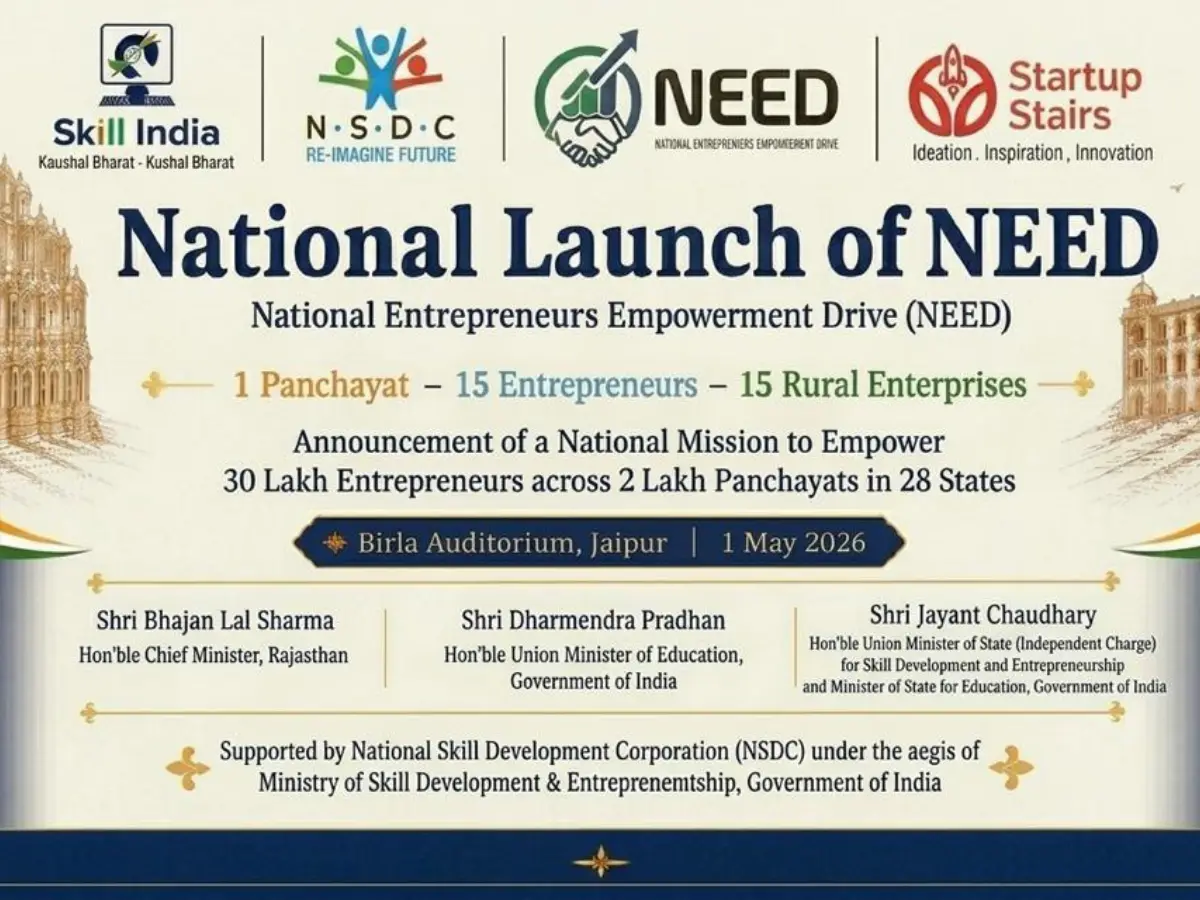
In a major push to de-centralise entrepreneurship and unlock rural economic potential, the Government of India on Thursday announced at Birla Auditorium in Jaipur, one of its most ambitious grassroots entrepreneurship initiatives — the National Entrepreneurs Empowerment Drive (NEED). The launch is being held on May 1. Timed with International Workers’ Day, or Labour's Day, the initiative aims to transform grassroots workers into structured, income-generating entrepreneurs across the country. The programme is being driven by the National Skill Development Corporation under the Ministry of Skill Development and Entrepreneurship, in collaboration with state governments, financial institutions, and industry partners.
15 anchor partners sign MoUs
A key highlight of the launch is the signing of Memorandums of Understanding (MoUs) between NSDC and 15 anchor partners spanning education, skilling, technology, and employment sectors. These partners will deploy scalable enterprise models at the Panchayat level. Among them is Vidysea Education Pvt. Ltd., which will lead efforts in career guidance and livelihood facilitation through its Career Development Officer (CDO) network. Vidysea’s model combines artificial intelligence with a human-led delivery system at the village level. Its proprietary PathLynks platform enables personalised career guidance, while its Talent Sync network deploys trained Career Development Officers within each Panchayat.

Speaking at the event, Vidysea Founder and CEO Karunn Kandoi said:
“The biggest gap in rural India has never been talent — it has been access and guidance. For years, opportunities have existed, but they have not reached the last mile. NEED, combined with our Career Development Officer model, ensures that every village has a trusted human interface who can translate opportunity into action. This is not just about jobs or education — it is about building a structured pathway for aspiration to turn into income.”
What NEED aims to achieve
Trending Stories
&im=FitAndFill=(700,400))
From Tom Holland-Zendaya to Blake Lively-Ryan Reynolds: Actors who met on sets and fell in love and married
&im=FitAndFill=(700,400))
‘Italy will not...’: Meloni threatens Spain’s Schengen access after thousands enter Ceuta from Morocco
)
India avoids higher US tariff, secures lower 10% rate. Here's how
&im=FitAndFill=(700,400))
7 longest flights in the world - Singapore, Qantas, Qatar and others
&im=FitAndFill=(700,400))
Meet top 5 batters in latest ICC Test rankings 2026 - check who sits at the top
)
The Royals enter the Doctor Who universe: King Charles and Queen Camilla beam into Commonwealth Games in TARDIS
&im=FitAndFill=(700,400))
New OTT releases this week (August 3-9, 2026): Main Vaapas Aaunga, Uyir, Operation Safed Sagar- 6 titles coming on Netflix, Prime Video and more
)
At least 3 killed in mass shooting at Idaho restaurant, shocking video of gunman open firing with AR-style rifle surfaces
)
CJP's Abhijit Dipke speaks to protesting students in Jharkhand, extends support to their demands: Will he go to Ranchi?
)
From trash to energy: Scientists turn plastic waste into Hydrogen fuel using a new technique - Here's how
)
World's largest digital camera captures over 500,000 galaxies, 50,000 stars in one stunning image
)
What’s happening in Nepal? How did a local clash turn into communal violence? WION Decodes
)
Trump says Iranian school bombing photos could be AI-generated - 'I don’t think...'
)
Why did India turn down the US offer for F-35 fighter jets? EXPLAINED
)
'Muslims should not befriend kaafirs': Pak Army DG says India-Afghan ties that of 'master-slave'
&im=FitAndFill=(700,400))
Meet top 5 batters in latest ICC ODI rankings 2026 - check who sits at the top
&im=FitAndFill=(700,400))
Why Russian fighter pilots wear blue flight suits compared to US pilots
&im=FitAndFill=(700,400))
Why Russian jets use heavier steel compared to US jets
&im=FitAndFill=(700,400))
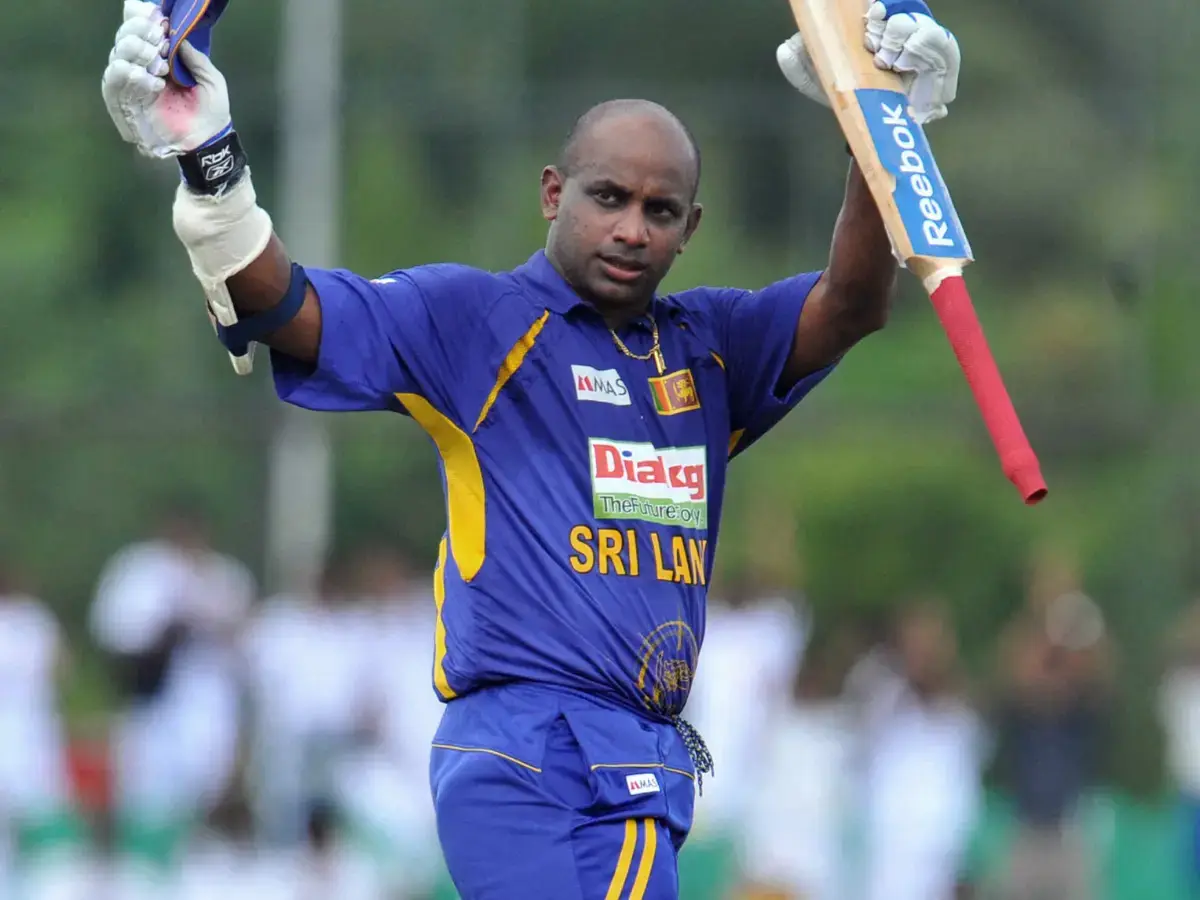
Meet top 5 openers with fastest ODI centuries, check who tops list
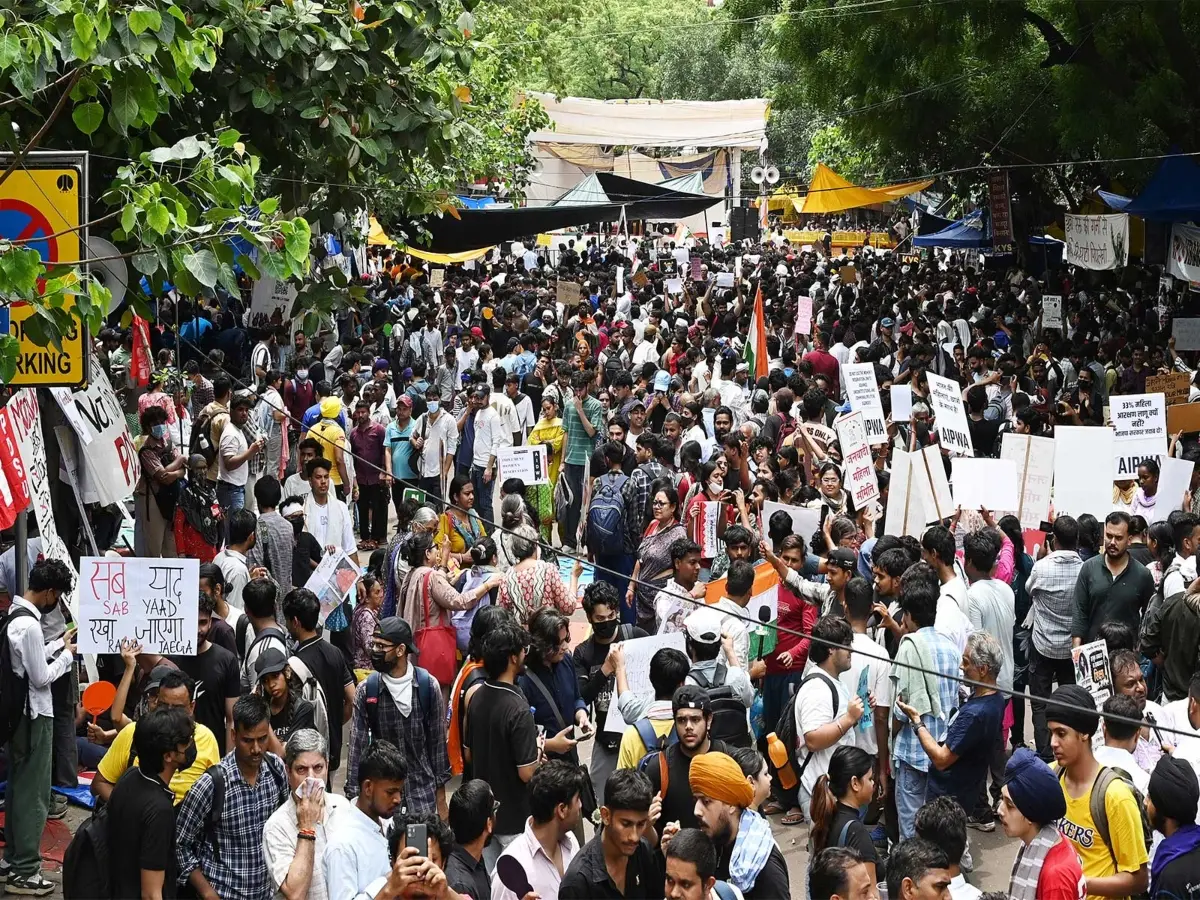)
Who is Ruchika Singh, booked for using foul language against PM Modi at Jantar Mantar protests?
&im=FitAndFill=(700,400))
'Fifth-generation fighters': Can the S-400 shoot down an F-35?
&im=FitAndFill=(700,400))
One S-400 battery, dozens of targets: How it fights an air battle in seconds
)
'I was almost trafficked in Paris,' says Australian woman, shares terrifying ordeal - 'I am on the black market'
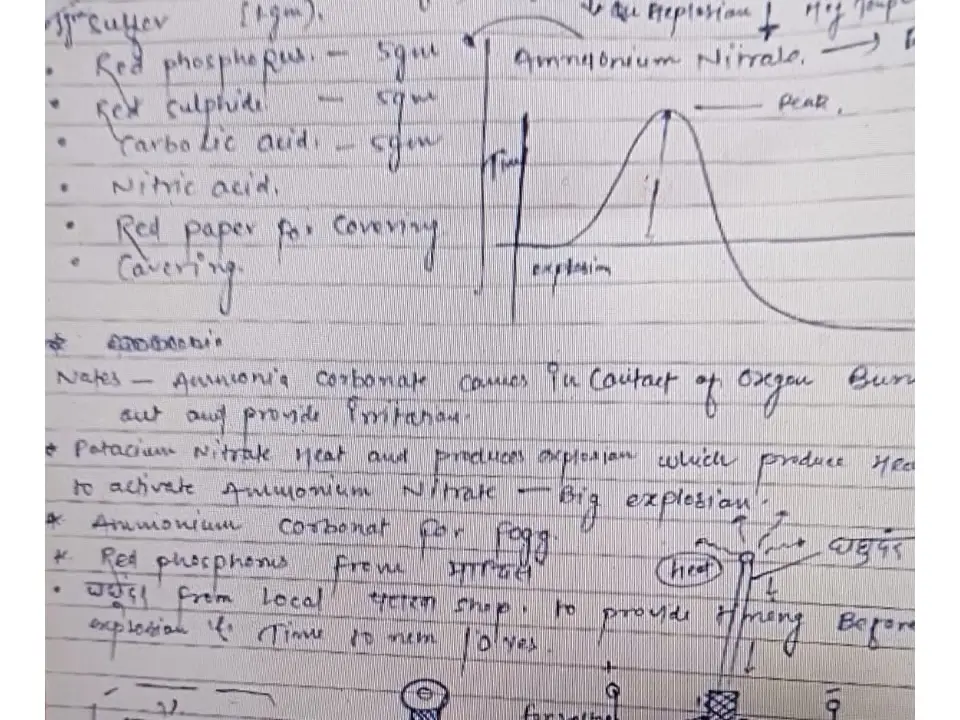)
Bomb-making note found at Ayodhya medical college, 1st-year student detained. Here’s all we know
)
Have 7,000 Karnataka students tested positive for HIV? Here's the truth
&im=FitAndFill=(700,400))
Why Russian tanks are much lighter compared to US tanks
&im=FitAndFill=(700,400))
Why are iPhones so expensive compared to Android phones?
)
'FIR not withdrawn' against Noida teen who 'abused' PM Modi despite apology, claims CJP
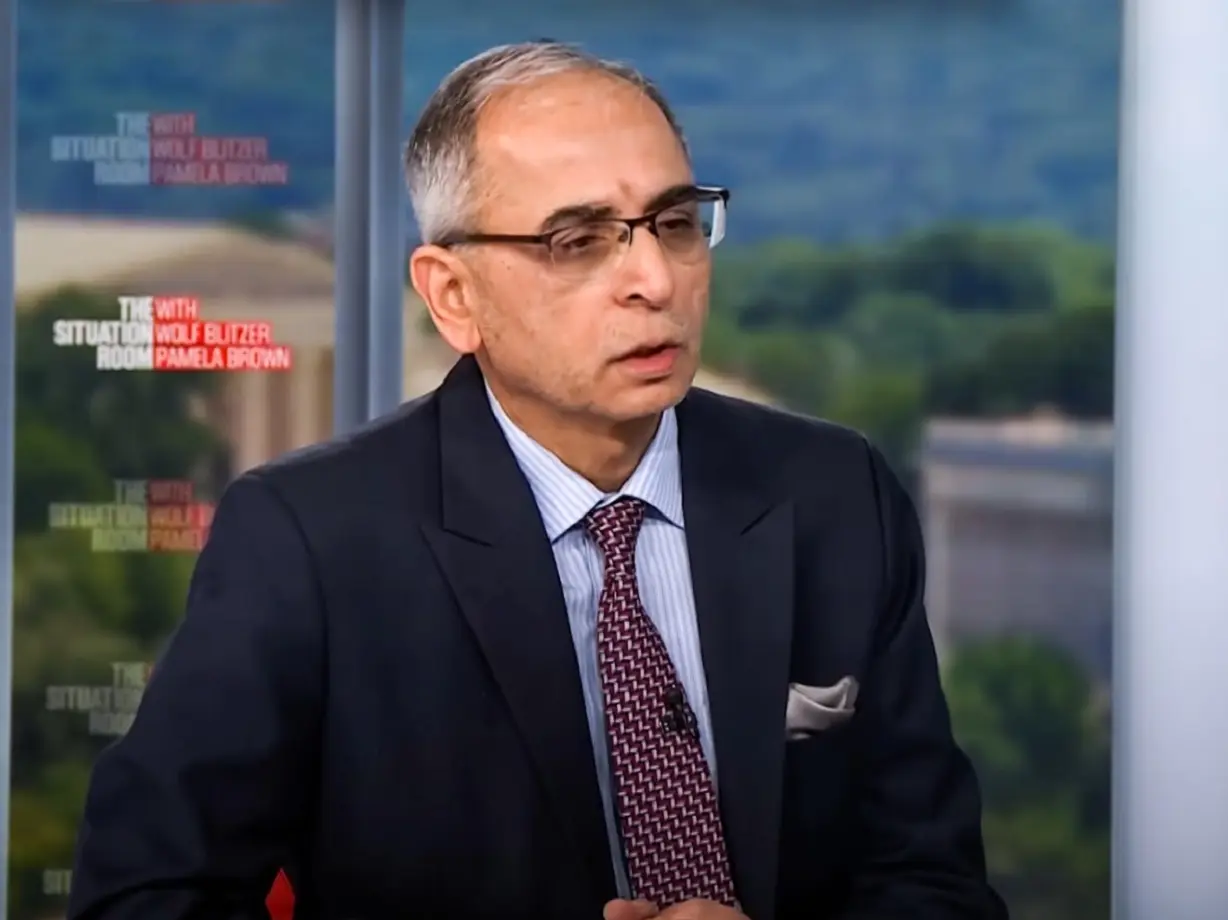)
‘Pakistan eroded India's faith bit by bit’: Indian envoy defends putting Indus Waters Treaty in abeyance
&im=FitAndFill=(700,400))
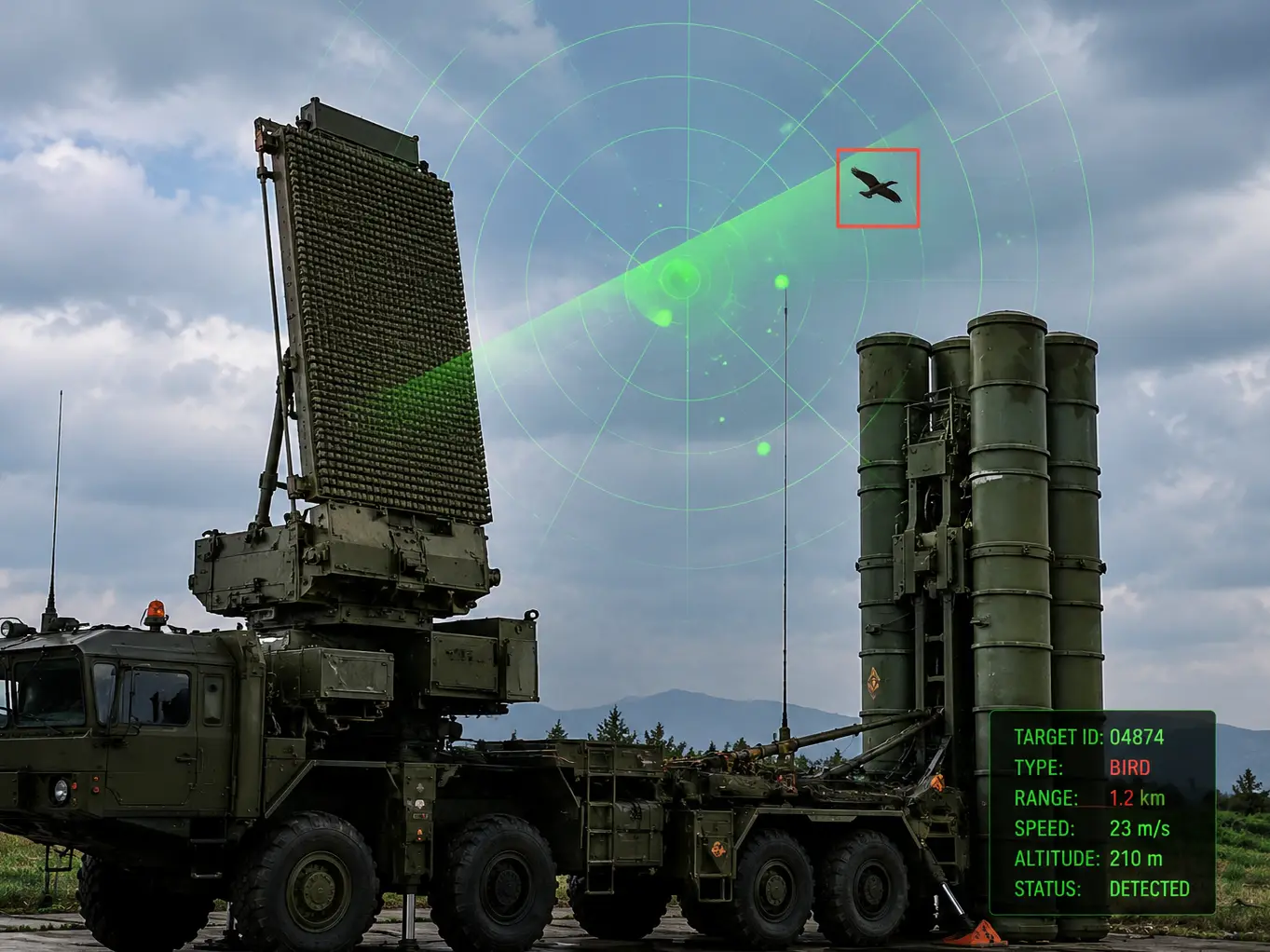
Can an S-400 detect a bird?
&im=FitAndFill=(700,400))
Meet top 5 bowlers in latest ICC Test rankings 2026 - check who sits at the top
&im=FitAndFill=(700,400))
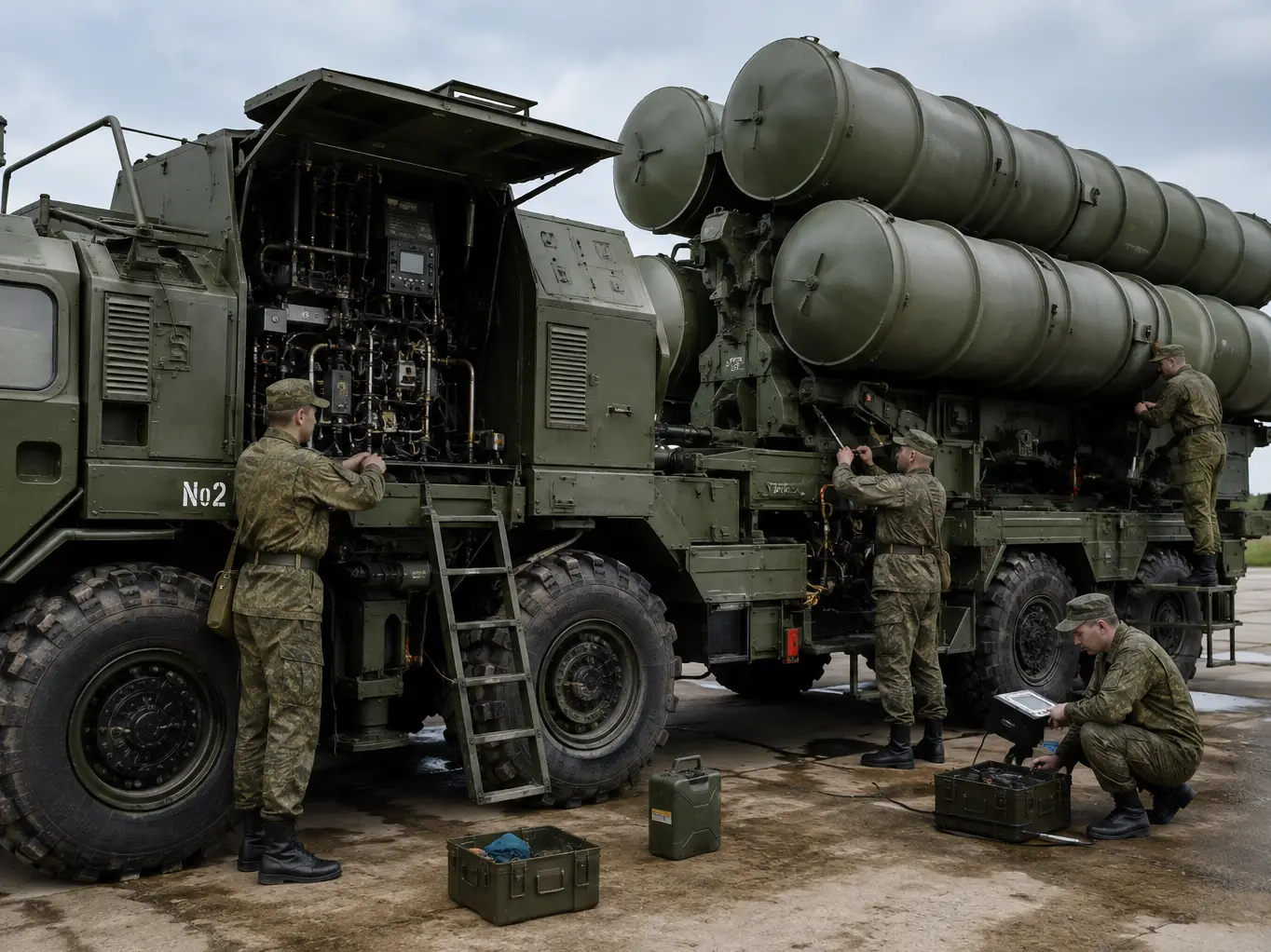
How often does an S-400 need maintenance?
&im=FitAndFill=(700,400))
August 2025 movie release calendar: Toxic, Batwara 1947, Awarapan 2 and all big-ticket films hitting theatres
NEED is designed as a Panchayat-level entrepreneurship ecosystem rather than a conventional scheme. Under its framework, each Gram Panchayat will identify and support 15 micro-entrepreneurs, linking them to training, certification, credit, and market access. With its Panchayat-level design and emphasis on structured enterprise creation, NEED signals a shift in India’s rural development strategy—from welfare delivery to wealth creation. If executed at scale, it could redefine how entrepreneurship is nurtured at the grassroots and bridge long-standing gaps between talent and opportunity in rural India.
- Scale: 30 lakh micro-entrepreneurs across 2 lakh Panchayats in 28 states
- Model: 1 Panchayat · 15 Entrepreneurs · 15 Rural Enterprises
- Year 1 rollout: 15,000 Panchayats across Uttar Pradesh, Rajasthan, Haryana, Gujarat, Karnataka, and Andhra Pradesh
- Immediate reach: Around 2.25 lakh micro-entrepreneurs
Rajasthan has further strengthened the initiative by offering interest-free loans up to ₹10 lakh under the Mukhyamantri Yuva Swarojgar Yojana, providing direct financial backing to youth entrepreneurs.
Startup Stairs: Architect of the programme
The initiative has been conceptualised and operationalised by Startup Stairs, which has brought together government backing, industry expertise, and financial linkages into a unified framework. The organisation is led by Managing Director Preet Sandhu, whose vision centres on democratising entrepreneurship in Tier 2, Tier 3, and rural India.
Key takeaways
- Shift from schemes to systems: NEED is positioned as a structured entrepreneurship ecosystem rather than a subsidy-driven programme.
- Massive scale ambition: Targets 30 lakh entrepreneurs, making it one of India’s largest grassroots economic initiatives.
- Public-private collaboration: Combines government support with industry-led execution models.
- Localised impact: Each Panchayat becomes a hub of 15 income-generating enterprises.
- Sustainable livelihoods: Focus on long-term income generation, not short-term assistance.
- Human + tech model: Emphasis on combining AI tools with locally embedded human support systems.