

&imwidth=800&imheight=600&format=webp&quality=medium "AIIMS Delhi may carry out first face transplant, offer hope, dignity to patients with severe deformities")
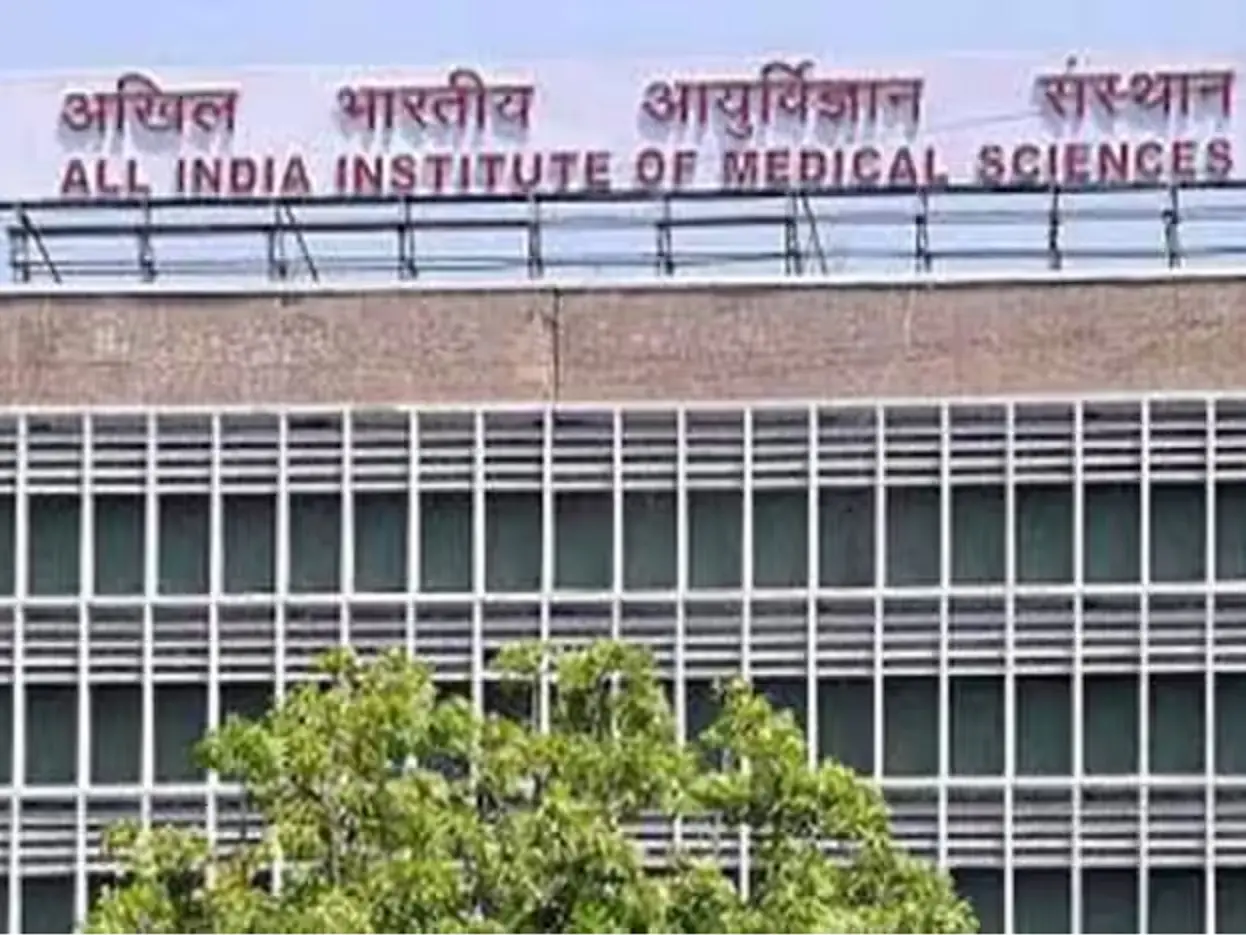
There is a new ray of hope for patients in India who struggle with severe facial deformities and get no respite even after undergoing as many as 10 to 12 reconstructive surgeries, as the All India Institute of Medical Sciences (AIIMS) Delhi has launched the first face transplant programme and is aiming to perform the first such surgery in the country within a year, subject to regulatory clearances.
A face transplant involves replacing a part of or the entire face with tissue from a deceased donor. A face transplant helps restore essential functions like speech, breathing, eating, eyelid closure, and facial expression in patients for whom conventional reconstruction cannot provide relief.
Such patients also struggle with severe social stigma and resultant isolation.
Also Read: ‘White-collar’ terror probe: Radicalised doctors formed outfit ‘Ansar Interim’ to carry out attacks
“Many patients suffer devastating facial deformities due to acid attacks, gunshot injuries, and burns. Identifying the right candidate for the transplant and counselling him or her is essential. Unmotivated or unstable patients—those with active infections or cancers—are not suitable. That said, face transplantation is no longer experimental, it is the need of the hour,” said Dr Maneesh Singhal, head of plastic, reconstructive, and burns surgery at AIIMS.
Surgery lasts up to 16 hours
Trending Stories
&imwidth=180&imheight=135&format=webp&quality=medium)
Viral video shows cross falling on Colombia priest, no official confirmation | WATCH
&imwidth=180&imheight=135&format=webp&quality=medium)
Rafale Marine fighter begins flight trials in Goa ahead of Indian Navy induction
&imwidth=180&imheight=135&format=webp&quality=medium)
Ranbir Kapoor apologises for Dussehra speech slip, clarifies remark at Ramayana event
&imwidth=180&imheight=135&format=webp&quality=medium)
Meta slapped with $25 billion fine in New Mexico over Facebook data practices, company plans appeal
&imwidth=180&imheight=135&format=webp&quality=medium)
WATCH: Woman IPS officer fires several rounds of AK-47, ignites debate online
&imwidth=180&imheight=135&format=webp&quality=medium)
EU probes Booking.com under Digital Services Act
&imwidth=180&imheight=135&format=webp&quality=medium)
Pakistan signs another defence pact even as Makkah Alliance shows no teeth. This time, it's with Qatar, Indonesia, Turkey
&imwidth=180&imheight=135&format=webp&quality=medium)
Ilhan Omar breaks silence over alleged marriage to her brother; Trump thinks it's 'really good answer'
&imwidth=180&imheight=135&format=webp&quality=medium)
US-Iran war: Bibi, Trump gamble on new Iran war to save themselves in polls
&imwidth=180&imheight=135&format=webp&quality=medium)
From Agni-V to Project Kusha: How are India’s indigenous missile systems and defence shield reshaping modern warfare
&imwidth=180&imheight=135&format=webp&quality=medium)
Will Rohit and Kohli play ODI World Cup 2027? BCCI president Manhas says board 'not in a position to comment'
&imwidth=180&imheight=135&format=webp&quality=medium)
Why websites around the world are suddenly going offline? What you need to know about PHP
&imwidth=180&imheight=135&format=webp&quality=medium)
US midterms 2026: What polls and prediction markets indicate about Congress
&imwidth=180&imheight=135&format=webp&quality=medium)
'You are a dummy, you are a stupid person': Trump loses temper with CNN, ABC reporters after questions about Russia sanctions
&imwidth=180&imheight=135&format=webp&quality=medium)
China's dancing robot turns violent bodyguard, lifts cars and fights intruders - Watch
&imwidth=180&imheight=135&format=webp&quality=medium)
16-foot doomsday fish in Chile triggers fears that the next earthquake is coming
&imwidth=180&imheight=135&format=webp&quality=medium)
US to get 850 F-35 stealth fighter jets under 10-year Pentagon-Lockheed deal
&imwidth=180&imheight=135&format=webp&quality=medium)
Are the US and Israel preparing for another major attack on Iran? Here's what report claims
&imwidth=180&imheight=135&format=webp&quality=medium)
Priyanka Chopra celebrates Dussehra 2026 with Nick Jonas and daughter Malti Marie | See pics
&im=FitAndFill=(700,400)&imwidth=180&imheight=135&format=webp&quality=medium)
New OTT releases this week (October 19-25, 2026): Gajab Raat to Chaar Yaar-8 titles to watch during Dussehra week on Netflix, Prime Video and more
&imwidth=180&imheight=135&format=webp&quality=medium)
‘I caution the president...’: Trump’s ex-press secretary warns after Zacharia’s exit
&imwidth=180&imheight=135&format=webp&quality=medium)
'Father of all bombs' vs 'mother of all bombs': Iran threatens US with new weapon as Trump hints at MOAB strike
&imwidth=180&imheight=135&format=webp&quality=medium)
Diljit Dosanjh's Oct 30 Delhi show hits roadblock, Delhi Police denies permission
&imwidth=180&imheight=135&format=webp&quality=medium)
Australia police arrest former national 100m champ Jake Doran for alleged child abuse
&imwidth=180&imheight=135&format=webp&quality=medium)
'Gyanu must go': CJP's Saurav Das, Ashutosh Ranka after release, despite Jantar Mantar protest undertaking
&imwidth=180&imheight=135&format=webp&quality=medium)
Kolkata airport: CISF detects ₹1.13 crore in US dollars hidden in bags of 2 Bangkok-bound passengers
&imwidth=180&imheight=135&format=webp&quality=medium)
Feds obtain DNA evidence that could prove Ilhan Omar married her brother: Report
&imwidth=180&imheight=135&format=webp&quality=medium)
US midterms 2026: Trump's approval rating hits record low as Democrats gain ground
The surgery can last 14 to 16 hours and requires meticulous reconnection of blood vessels and nerves under a microscope. Even if the transplant is successful, patients have to take immunosuppressive drugs to prevent rejection and need close monitoring for complications.
Dr Dipankar Bhowmick, head of nephrology at AIIMS, said the institute has the necessary systems in place to carry out such transplants. “Immunosuppression plays a critical role, and all infrastructure and facilities are available at AIIMS. I am excited and will provide the best possible support for this initiative,” he said.
Donor matching a crucial challenge
Unlike other organ transplants, a face transplant also requires visible compatibility, and the donor and recipient must be of the same sex, besides having similar skin tones.
The transplant will involve a multidisciplinary team of surgeons, transplant physicians, nephrologists, anaesthesiologists, psychiatrists, and rehabilitation experts.
International expert Dr Indranil Sinha of Brigham and Women’s Hospital, Harvard Medical School, said the skill set and infrastructure at AIIMS are on par with international standards and pledged his support to the programme.
The burns and plastic surgery department at AIIMS performs over 8,000 procedures each year and handles numerous acid-attack survivors and severe trauma patients. For many patients, reconstruction merely restores limited function and appearance.
Globally, face transplants are performed in only a handful of countries, and India is poised to join the select group.

