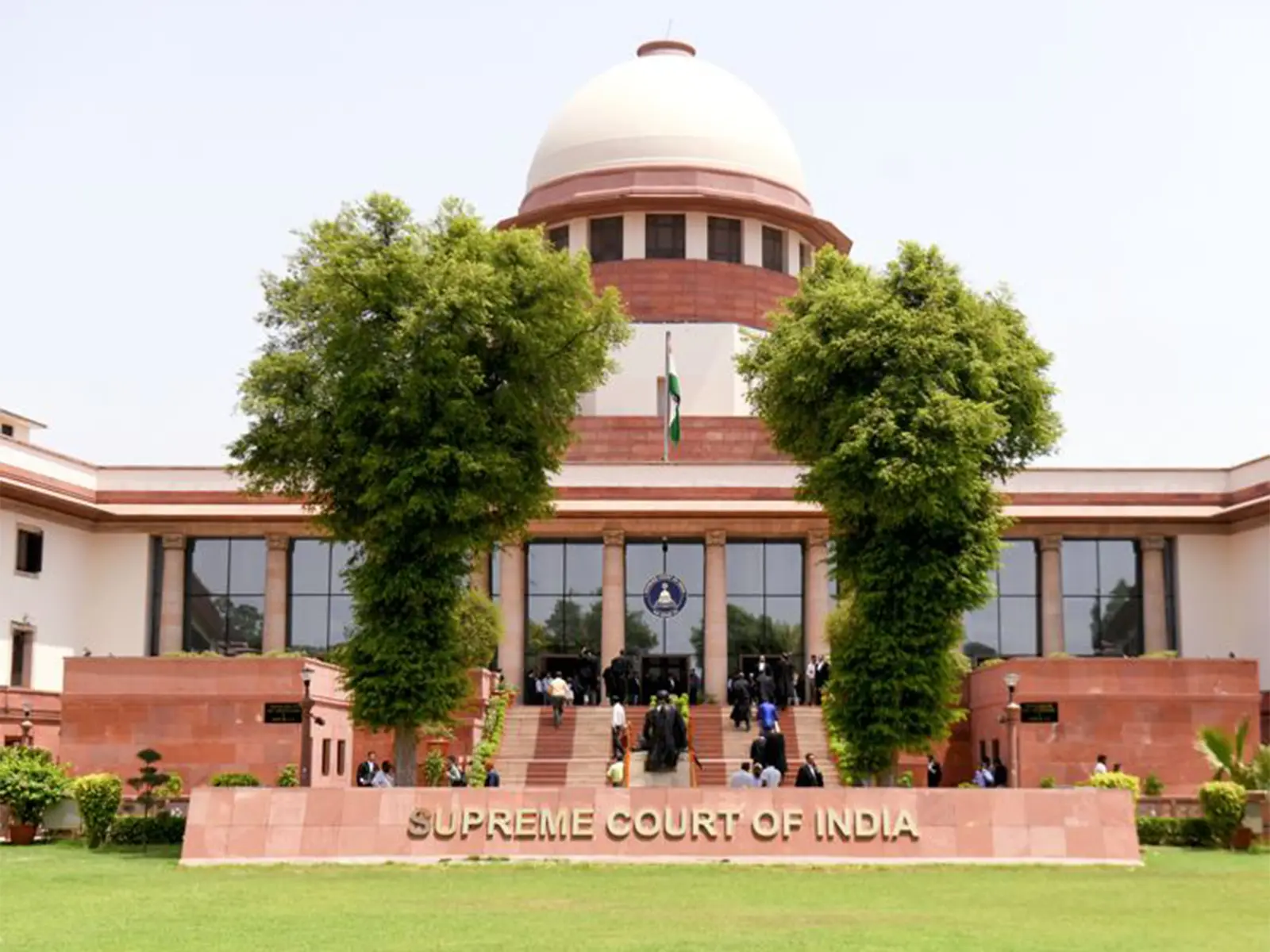
‘What is wrong with it?’ SC dismisses PIL against caste census, says govt needs data for welfare

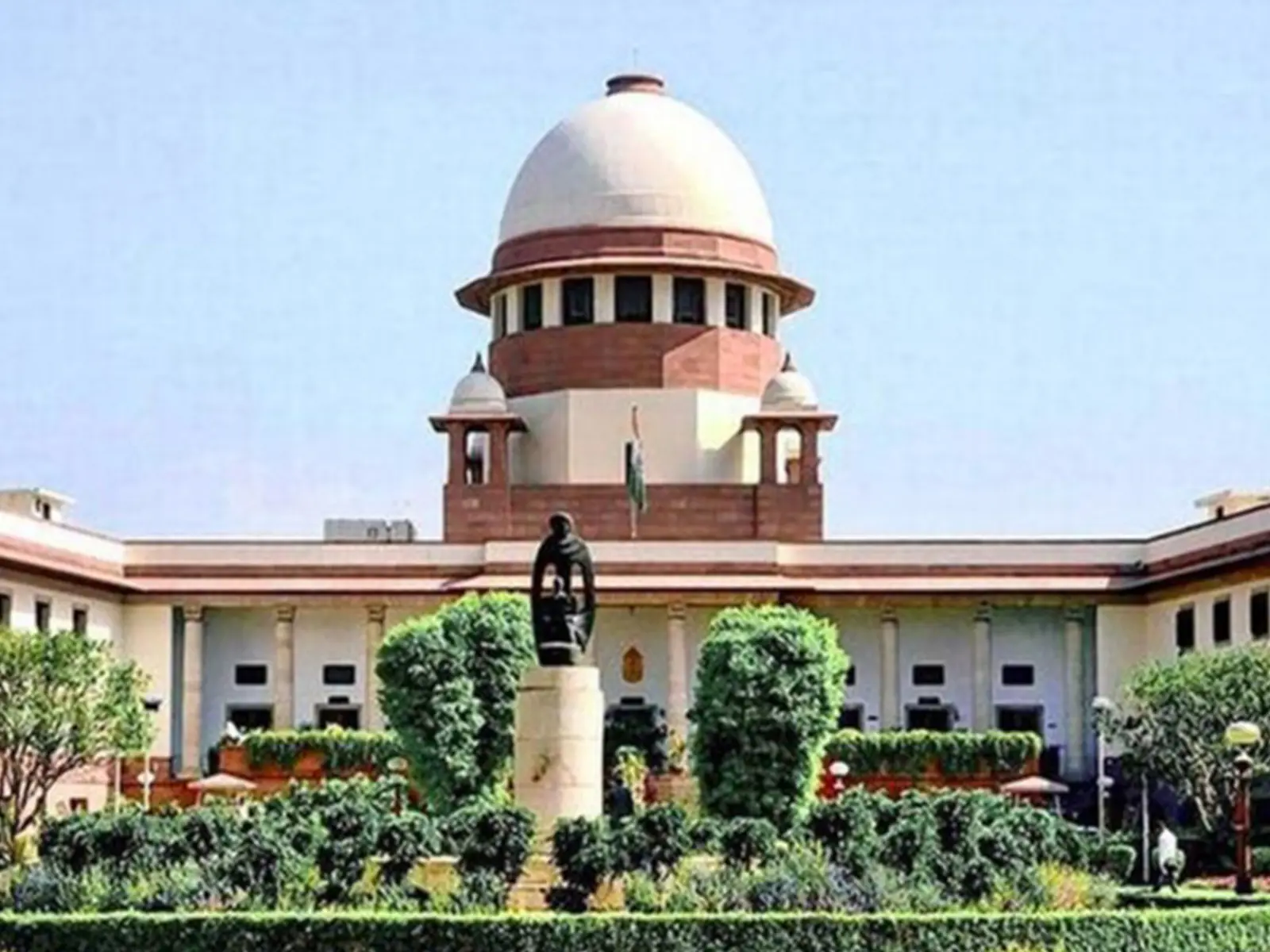&imwidth=600&imheight=450&format=webp&quality=medium "‘What is wrong with it?’ SC dismisses PIL against caste census, says govt needs data for welfare")
‘What is wrong with it?’ SC dismisses PIL against caste census, says govt needs data for welfare Photograph: (Credit: ANI)
The Supreme Court dismissed a PIL against the 2027 caste census, ruling that the government must know the number of backward classes to frame welfare policies.
The Supreme Court on Wednesday (May 20) dismissed a Public Interest Litigation (PIL) challenging the centre's decision to undertake caste enumeration as part of the upcoming census, observing that the government must know the number of persons belonging to backward castes to frame welfare measures. A bench of Chief Justice of India Surya Kant, Justice Joymalya Bagchi, and Justice Vipul Pancholi heard the matter, with the CJI remarking, as quoted by Live Law website, "What is wrong with it? Any day's government must know how many people are in the backward class, and what kind of welfare measures are to be taken for them. It is within the policy domain."
The Chief Justice further stated that whether the census should be caste-based or not is a matter of policy and that the government has the right to identify backward communities for welfare measures. The bench firmly held that courts cannot intervene in the matter. The PIL was filed by Sudhakar Gummula, who appeared in person before the court. He argued that the collection of caste data could be susceptible to misuse, particularly if such information fell into the hands of corporate entities and politicians. He further contended that the Centre already has adequate data, adding that there was no justification for collecting more. "There are endless possibilities of politicians and corporate entities misusing the caste data," he argued.
The Supreme Court was unpersuaded. Concluding the hearing, the court dismissed the petition, stating that no case for intervention had been made out and reaffirming that the matter pertains exclusively to governmental policy considerations.
Also read: ‘Bail is rule, jail is exception’ even in UAPA cases: SC grants bail to narco-terror accused
Trending Stories
&im=FitAndFill=(700,400))
)
)
)
)
)
)
)
)
)
)
)
)
)
)
&im=FitAndFill=(700,400))
)
)
)
)
)
)
)
)
)
)
)
)
)
&im=FitAndFill=(700,400))
The 2027 census, officially the 16th national census, will be India's first fully digital census and the first comprehensive caste enumeration exercise since 1931. The Supreme Court's repeated refusal to interfere in matters concerning caste reflects its consistent view that questions relating to census operations, data collection, and demographic classification primarily fall within the executive and policy-making domain of the government.