‘Very, very balanced’: Supreme Court upholds Madras HC order on Deepam row, backs curbs on namaz

&imwidth=600&imheight=450&format=webp&quality=medium "‘Very, very balanced’: Supreme Court upholds Madras HC order on Deepam row, backs curbs on namaz")
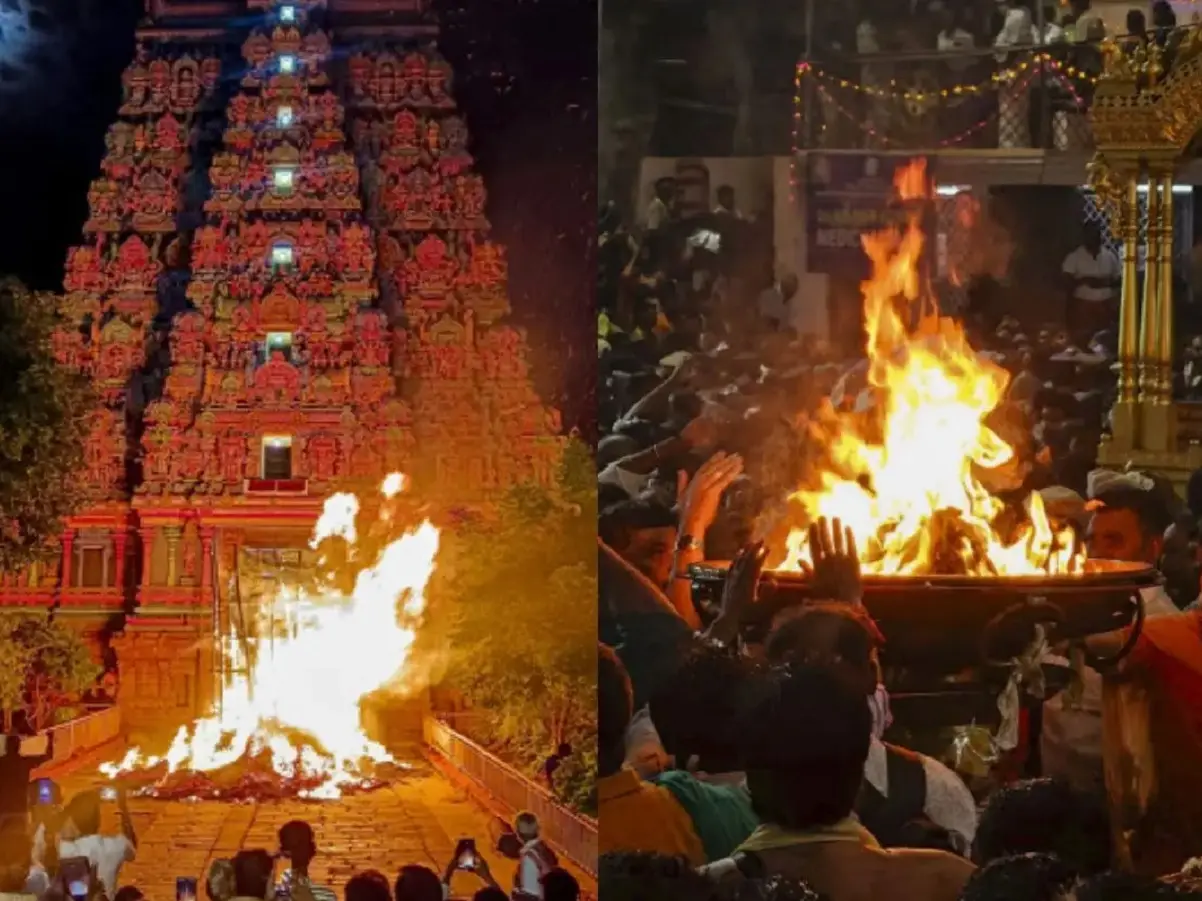
A ritual fire lit on the occasion of ‘Karthigai Deepam’ festival, at Arulmigu Jambukeswarar Akilandeswari Temple Photograph: (PTI)
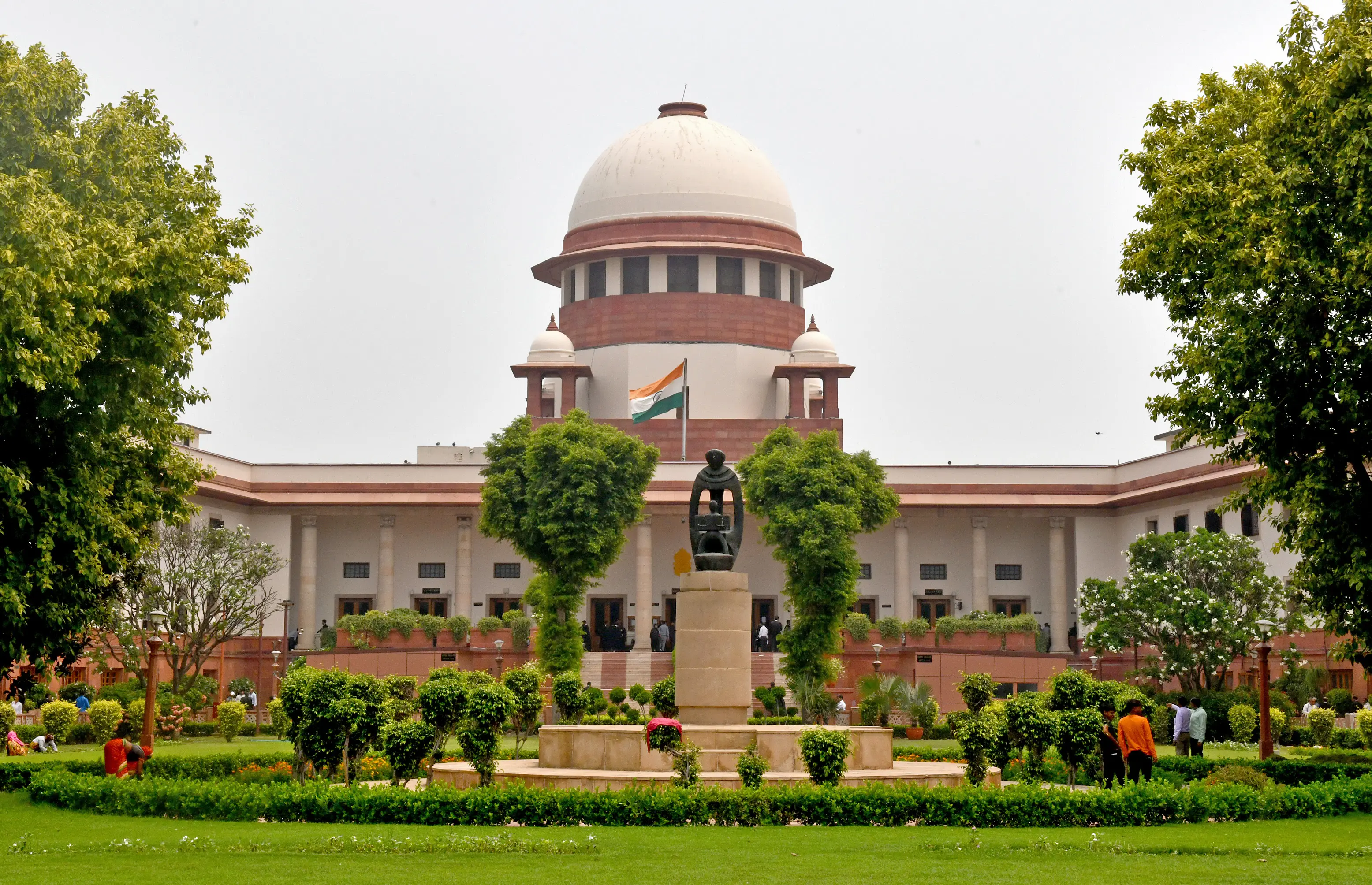
The Supreme Court bench comprising Justice Aravind Kumar and Justice PB Varale also upheld the Madras High Court’s direction permitting namaz at the dargah only during Ramzan and on Bakrid, while affirming the ban on animal sacrifice within the premises.
The Supreme Court on Monday upheld the Madras High Court’s ruling restricting the offering of namaz at the dargah located on Thirupparankundram Hills in Tamil Nadu, holding that Muslims cannot offer daily prayers at the site. The apex court also described the Madras High Court’s decision as a “very, very balanced order”. The top court also upheld the high court’s direction permitting namaz only during Ramzan and on Bakrid at the dargah, while affirming the ban on animal sacrifice within the premises. The Supreme Court ruling came on an appeal filed by a practising Muslim, Imam Hussain, challenging the Madras High Court’s judgment.
A bench comprising Justice Aravind Kumar and Justice PB Varale declined to interfere in the matter.
Appearing for Imam Hussain, Advocate Prashant Bhushan said there has never been a law and order problem in the area. Justice Kumar responded that had there been no law and order issue, there would not have been a meeting of the Peace Committee. “It seems to be a very, very balanced order,” Justice Kumar said.
“We do not propose to interfere with the order. Without expressing any opinion on the rights of the parties, the impugned order stands upheld,” the bench observed.
What is the Thirupparankundram Deepam row?
Trending Stories
&im=FitAndFill=(700,400)&imwidth=280&imheight=210&format=webp&quality=medium)
&imwidth=280&imheight=210&format=webp&quality=medium)
&imwidth=280&imheight=210&format=webp&quality=medium)
&imwidth=280&imheight=210&format=webp&quality=medium)
&imwidth=280&imheight=210&format=webp&quality=medium)
&imwidth=280&imheight=210&format=webp&quality=medium)
&imwidth=280&imheight=210&format=webp&quality=medium)
&imwidth=280&imheight=210&format=webp&quality=medium)
&imwidth=280&imheight=210&format=webp&quality=medium)
&imwidth=280&imheight=210&format=webp&quality=medium)
&imwidth=280&imheight=210&format=webp&quality=medium)
&imwidth=280&imheight=210&format=webp&quality=medium)
&imwidth=280&imheight=210&format=webp&quality=medium)
&imwidth=280&imheight=210&format=webp&quality=medium)
&imwidth=280&imheight=210&format=webp&quality=medium)
&imwidth=280&imheight=210&format=webp&quality=medium)
&imwidth=280&imheight=210&format=webp&quality=medium)
&im=FitAndFill=(700,400)&imwidth=280&imheight=210&format=webp&quality=medium)
&imwidth=280&imheight=210&format=webp&quality=medium)
&imwidth=280&imheight=210&format=webp&quality=medium)
&imwidth=280&imheight=210&format=webp&quality=medium)
&imwidth=280&imheight=210&format=webp&quality=medium)
&im=FitAndFill=(700,400)&imwidth=280&imheight=210&format=webp&quality=medium)
&imwidth=280&imheight=210&format=webp&quality=medium)
&imwidth=280&imheight=210&format=webp&quality=medium)
&imwidth=280&imheight=210&format=webp&quality=medium)
&imwidth=280&imheight=210&format=webp&quality=medium)
&imwidth=280&imheight=210&format=webp&quality=medium)
&imwidth=280&imheight=210&format=webp&quality=medium)
&imwidth=280&imheight=210&format=webp&quality=medium)
&imwidth=280&imheight=210&format=webp&quality=medium)
&imwidth=280&imheight=210&format=webp&quality=medium)
&imwidth=280&imheight=210&format=webp&quality=medium)
&imwidth=280&imheight=210&format=webp&quality=medium)
There have been many disputes over religious practices at the hill, which is considered sacred by multiple communities. A plea was filed in the Supreme Court, challenging a Madras High Court’s order which allowed the lighting of a lamp on the Thirupparankundram hill in Tamil Nadu subject to clearance from the Archaeological Survey of India (ASI) and police.
In his plea, the original petitioner, Rama Ravikumar, mentioned the high court’s directions as an “unlawful" dilution of binding civil court decrees recognising the Arulmigu Subramania Swamy Temple’s ownership and control of the hill and as an “impermissible judicial intrusion" into an essential religious practice.
Also Read: Unnao rape case: Supreme Court refuses to hear Kuldeep Sengar’s appeal against conviction
‘Devotees of another faith permitted access, usage rights, but Hindu…’
Ravikumar contended that although the high court acknowledged the temple’s right to light Deepam at the ‘Deepathoon’ (stone pillar), it rendered that right conditional by subjecting it to administrative discretion.
The high court has exceeded its jurisdiction by imposing fresh substantive restrictions despite the final decree conclusively recognising the temple’s proprietary rights over the hill, he submitted.
Alleging hostile discrimination, the petitioner said that devotees of another faith are permitted access and usage rights up to the Nellithope area, but Hindu worship at the hilltop has been subjected to layered administrative controls without authority of law.
On January 6, a division bench of the Madras High Court made it clear that the spot on which the stone pillar is located belongs to the Sri Subramania Swamy Temple.
The appellants failed to produce “formidable evidence” to show that Agama Sastra of Saivites prohibits lighting the lamp at a place that is not straight on top of the deity in the sanctum sanctorum, the court had observed.
In its order, the high court had said the ‘Devasthanam’ (temple management) must light the lamp at the ‘Deepathoon’.