
&imwidth=800&imheight=600&format=webp&quality=medium "Why are more people leaving big cities behind?")
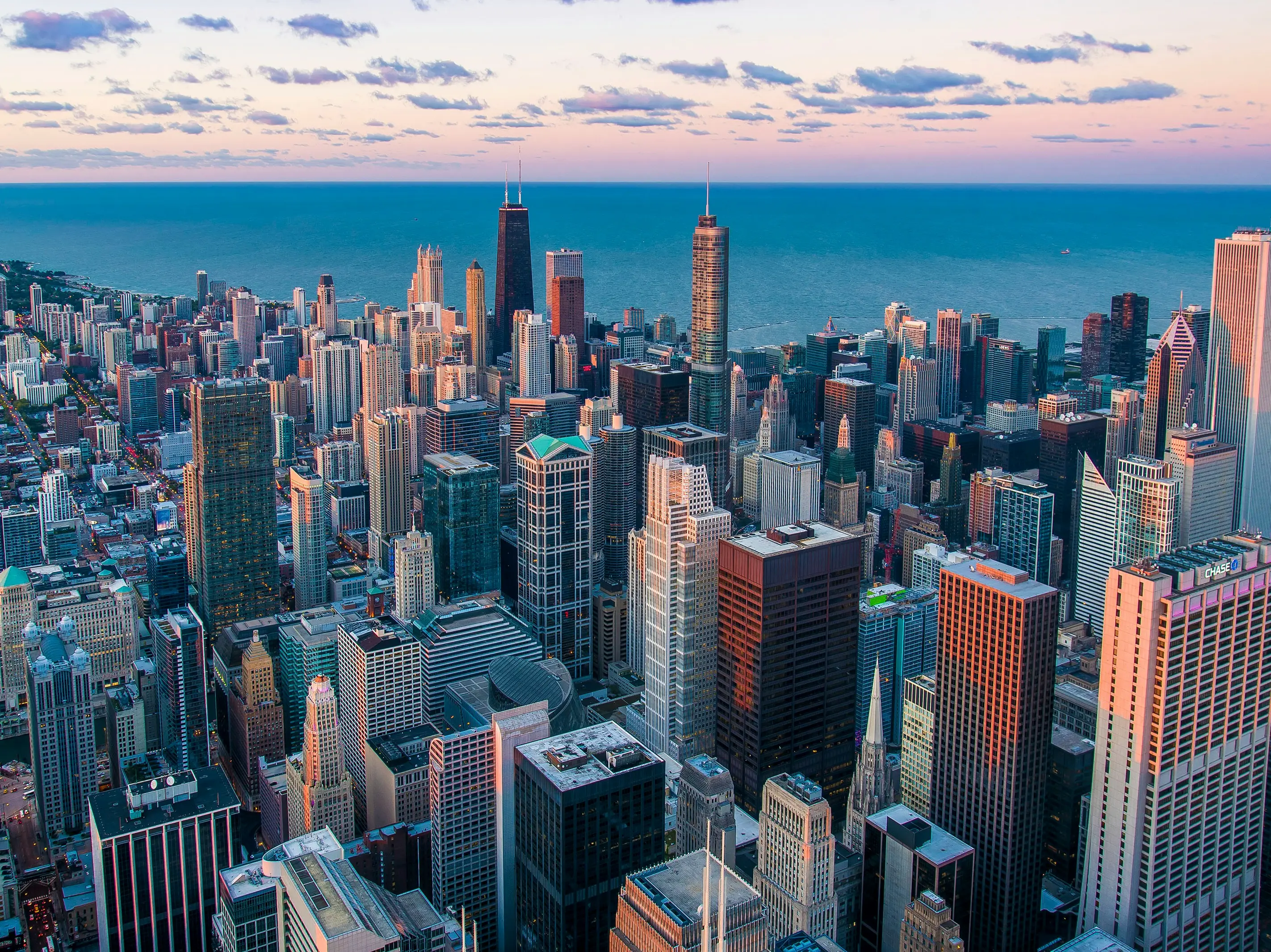
For decades, major metropolitan areas have been the ultimate magnets for ambitious professionals and culture seekers. However, recent demographic shifts reveal a surprising new trend. Across the globe, people of all age groups are relocating from dense urban centres to smaller communities. Driven by changing work habits and economic pressures, this urban exodus is transforming the way we view city living and reshaping the travel map for digital nomads.
The Rise of Flexible Working Arrangements
The connection between residential choices and traditional office spaces continues to evolve rapidly. The global pandemic fundamentally altered workplace norms, proving that technology allows people to work effectively from almost anywhere. As companies embrace permanent remote or hybrid work arrangements, employees are no longer chained to downtown office blocks. This flexibility has encouraged younger professionals to move to smaller communities, as they are often willing to tolerate a longer, occasional commute to the city a few days a week.

Escaping the High Cost of Urban Living
Economic factors play a massive role in this demographic shift. The rising cost of housing in big cities makes it difficult for many to achieve their desired standard of living. Urban dwellers are fleeing expensive areas in search of lower housing costs and more physical space, which less dense suburban or rural places readily offer. Furthermore, this outward migration is not limited to young workers; many retirees are also downsizing and leaving the big city behind to stretch their retirement funds further.
A Changing Definition of Quality of Life
Trending Stories
)
What’s in a name? Trump’s 'Lake America' move gets a tit-for-tat response from Canada
)
Trump gifts Xi a bald eagle sculpture at White House dinner: Here’s what it symbolises
)
‘Not just a local tragedy’: Nepal PM Shah warns UN of growing climate threat, says Nepal floods were 'a warning to the world'
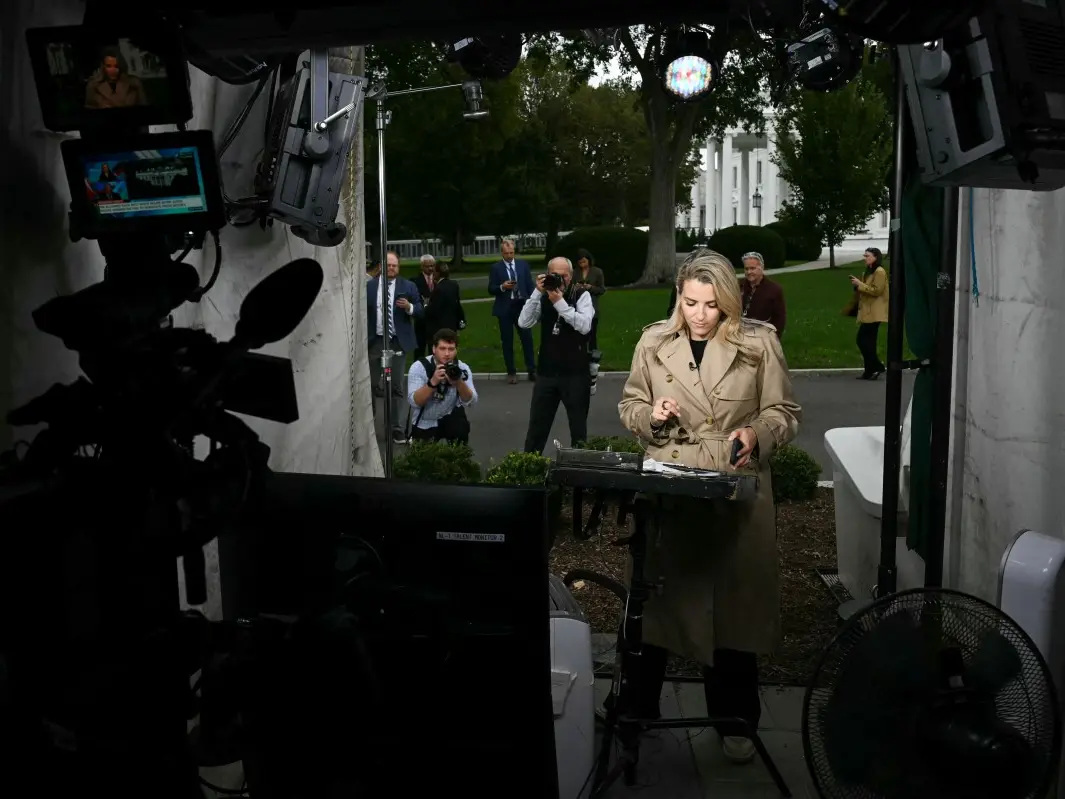)
CNN, Politico and MS NOW back in White House after judge blocks Trump’s media ban
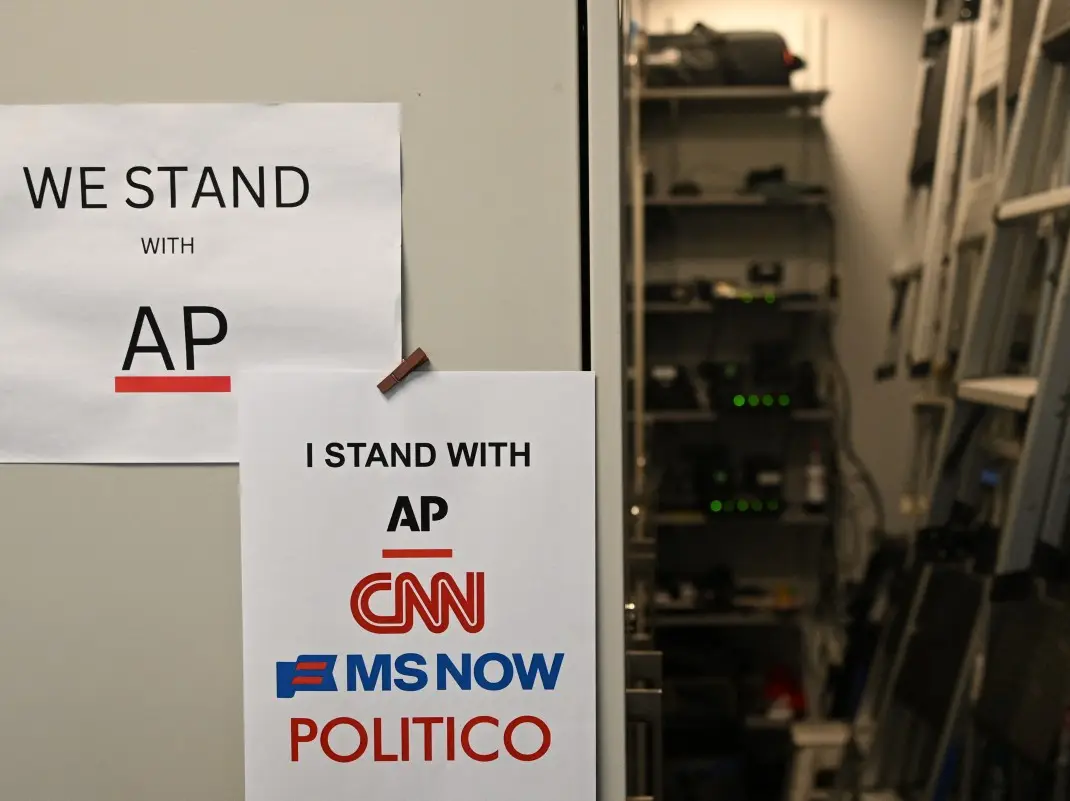)
US judge questions Trump’s decision to ban CNN, MS NOW and Politico from White House
)
'We would all be dead': Netanyahu defends decision to strike Iran's nuclear facilities in his UN speech
)
Mumbai Indians appoint Luke Williams as head coach for Women’s Premier League
)
IIT Bombay CCTV footage emerges: Sahil Wakode seen looking at phone in examination hall
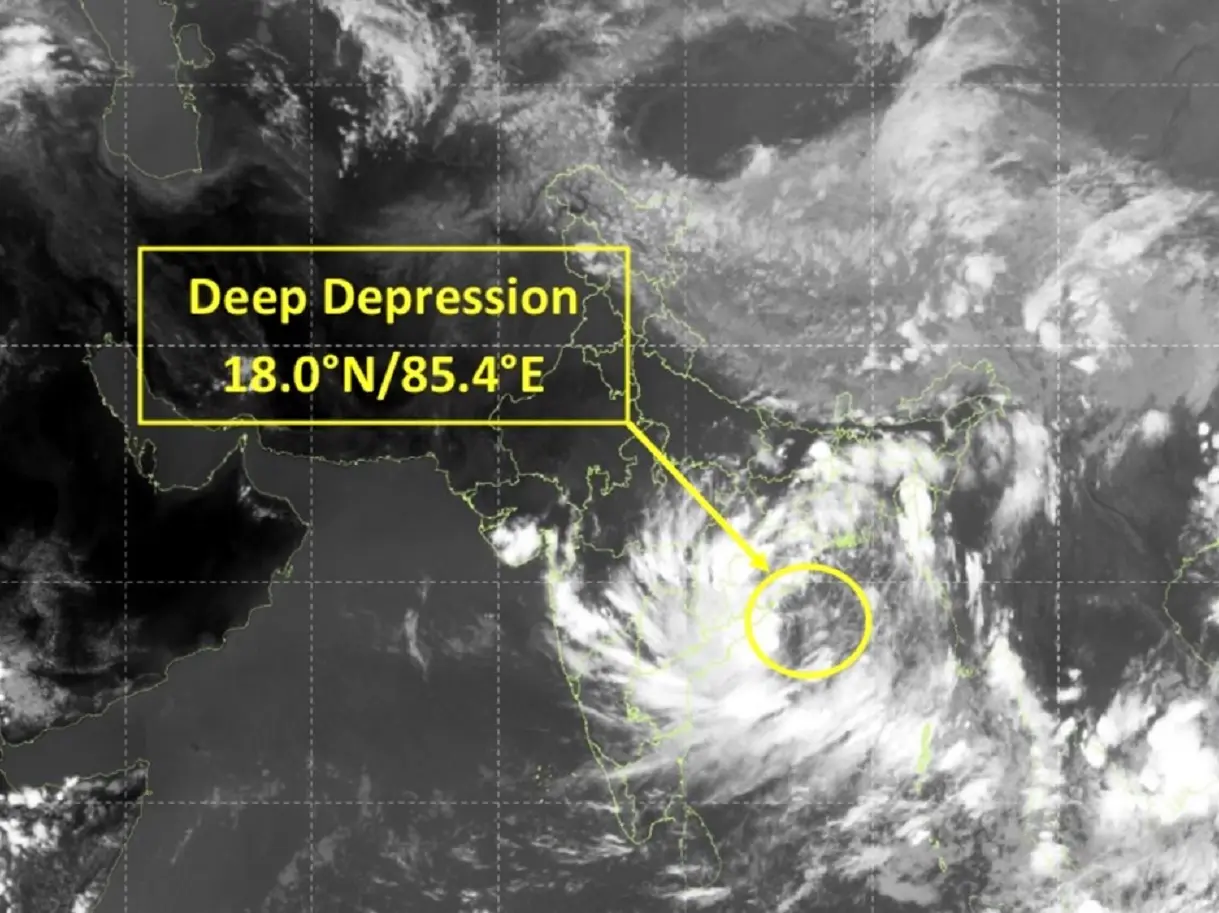)
Cyclone Arnab: Landfall expected before midnight tomorrow as IMD issues orange alerts across six states
)
Welcome actor Mushtaq Khan dies at 56 after battling cancer
)
Trump's welcome to Xi demonstrates 'attraction' to dictators: Chuck Schumer
)
WION Iconic Tourism Summit 2026: Union Minister Shekhawat on 'experiential travel', peace diplomacy
)
Nations League: Germany draw on Klopp debut; Portugal, Norway win
)
'AI got into my speech': Prince Harry jokes after teleprompter failure at event in New York
)
Scientists detect first radio signals directly from faraway planet
)
What’s on the menu? Inside Trump’s lavish White House state dinner for Xi
)
A seven-day roadmap? Iran proposes plan to end war, reopen Strait of Hormuz and resume nuclear talks
)
China to test supersonic jet that moves at Mach 2, double the speed of sound
)
Xi Jinping's 'special plane' vs Trump's Air Force One: What's the difference?
)
West Indies coach Sammy looking at India series as opportunity to finetune ahead of ODI World Cup 2027 qualifiers
)
‘We’ve never gotten along better’: Trump praises Xi, jokes about White House ballroom at high-stakes state dinner
)
Nearly half of young people trust AI over humans to check facts, major study finds
)
'Partners rather than rivals': Xi Jinping's first message after landing in US for Trump summit
)
Yemen called Trump for US military support in fight against Houthis: Official
)
2,000-foot tube, laser tests and more: China builds towns to expand nuclear arsenal, satellite images show
)
Meet Adrian Abraham: 9-year-old Indian-origin guitar prodigy aiming for a Guinness World Record
)
US faces fresh cost crunch as mortgage rates hit 7%, oil tops $107 and gas prices surge
)
Trump-Xi state dinner 2026: Who is invited? Full guest list of tech CEOs, business leaders and officials
)
Alarming video emerges as landslide damages houses in Sikkim’s Rimbi village. Watch
)
'Making history': Xi Jinping praises Trump as US-China leaders dine at White House
)
Australian PM Anthony Albanese calls OpenAI AI incident 'unacceptable' after restricted data access
)
'What kind of confession is this?': Pakistan PM Shehbaz Sharif’s 'terrorists would be roaming New York' remark goes viral, raises alarm online. Watch
&im=FitAndFill=(700,400))
Netanyahu at UN: Mass walkout, attack on Mamdani and Iran threats | In Pics
)
'We do not wish to continue. It's America that must choose': Iran president Pezeshkian calls on US to end war
)
WION Iconic Tourism Summit: How local tourism MSMEs must upskill for AI integration
)
EC appointment law: Why is the 2023 act controversial, and what happens next? WION explains
)
Who is Lt-Gen Nauman Mahmood, Pakistan's first secretary general of Makkah Defence Alliance?
)
Israeli envoy to US Yechiel Leiter’s son critically injured in West Bank ramming attack
)
'Fund people, not bombs': Hundreds take to New York streets as Netanyahu delivers speech at UN; dozens arrested
Beyond finances and work, there is a renewed focus on personal well-being. Leaving crowded cities often means trading urban congestion, high-priced amenities, and crowded transit systems for a quieter lifestyle. Newcomers moving into smaller towns frequently bring significant resources with them, which stimulates the local economy and creates employment opportunities for existing residents. This influx is breathing new life into regional communities, turning them into vibrant hubs that rival traditional city neighbourhoods.
As the appeal of mega-cities softens, smaller towns are experiencing a cultural renaissance. For modern travellers and remote workers, this shift offers a fantastic opportunity to explore lesser-known regional communities that now boast fresh investment, local charm, and a much slower pace of life.
