
&imwidth=800&imheight=600&format=webp&quality=medium "Why is this town painted entirely in white?")
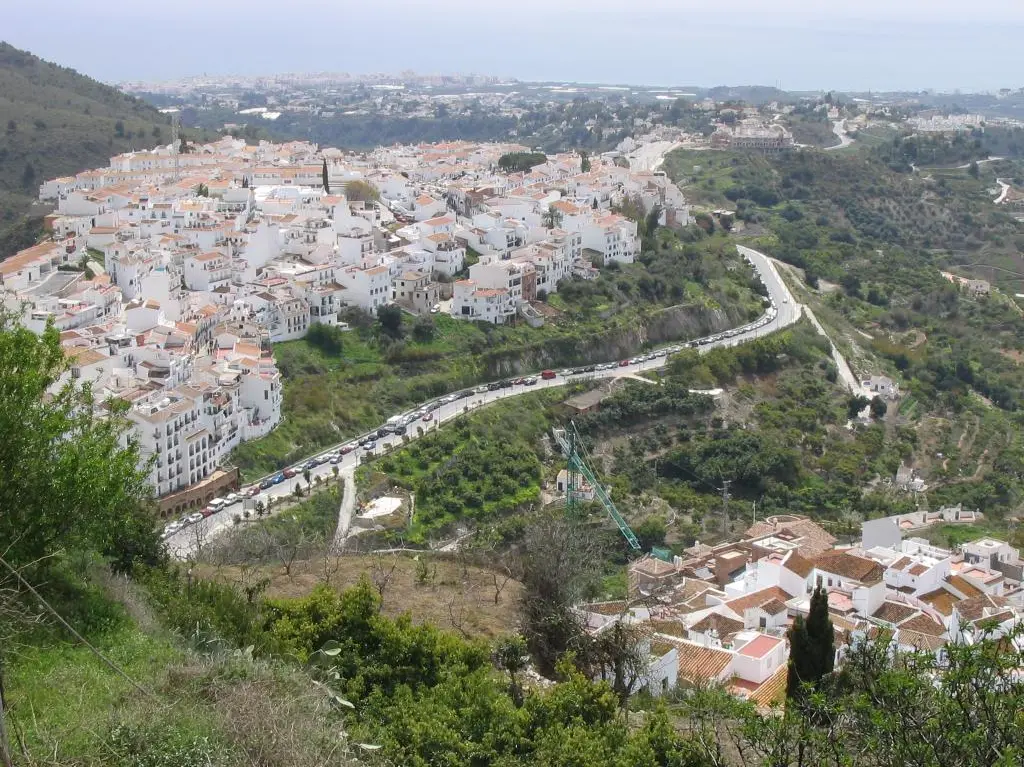
Located in the Andalusia region of southern Spain, a series of charming towns known as the Pueblos Blancos (White Villages) stand out for their completely white exteriors. Visitors often wonder why every building in these settlements, including popular towns like Frigiliana and Arcos de la Frontera, shares the exact same colour. The answer involves a mix of historical health measures, practical climate control, and architectural tradition.
The role of slaked lime in cooling
The primary material used to paint these towns is slaked lime, locally known as cal. According to environmental and architectural principles, white surfaces reflect intense sunlight rather than absorbing it. During the summer, temperatures in southern Spain can be searing. The white lime acts as a natural cooling system, deflecting heat away from the structures and keeping the internal rooms significantly cooler.

Health benefits during historical pandemics
Beyond temperature control, the white paint served a critical medical purpose. When a series of epidemics, including the plague, cholera, and yellow fever, swept through the region between the 16th and 19th centuries, houses were painted with cal in the wake of infection. Slaked lime possesses disinfectant characteristics that can kill the bacteria responsible for cholera and help prevent the proliferation of fungi and bacteria. Residents coated their walls to sanitise their living spaces, a practice that was especially crucial when sanitary conditions were more precarious.
Moorish architectural influence
Trending Stories
)
Have 7,000 Karnataka students tested positive for HIV? Here's the truth
)
Lift accident? Maintenance, builders & makers are ALL liable now, rules Supreme Court: 3 major regulations | WION Decodes
)
‘US is locked and loaded’: Trump calls off Iran attack but sets THESE conditions
)
Nick Jonas' July photo dump featuring Priyanka Chopra and Malti Marie leaves fans gushing over family bond
)
Trump says Iranian school bombing photos could be AI-generated - 'I don’t think...'
)
'Delimitation designed to disenfranchise Tamil Nadu': Rahul Gandhi urges parties to oppose Bill
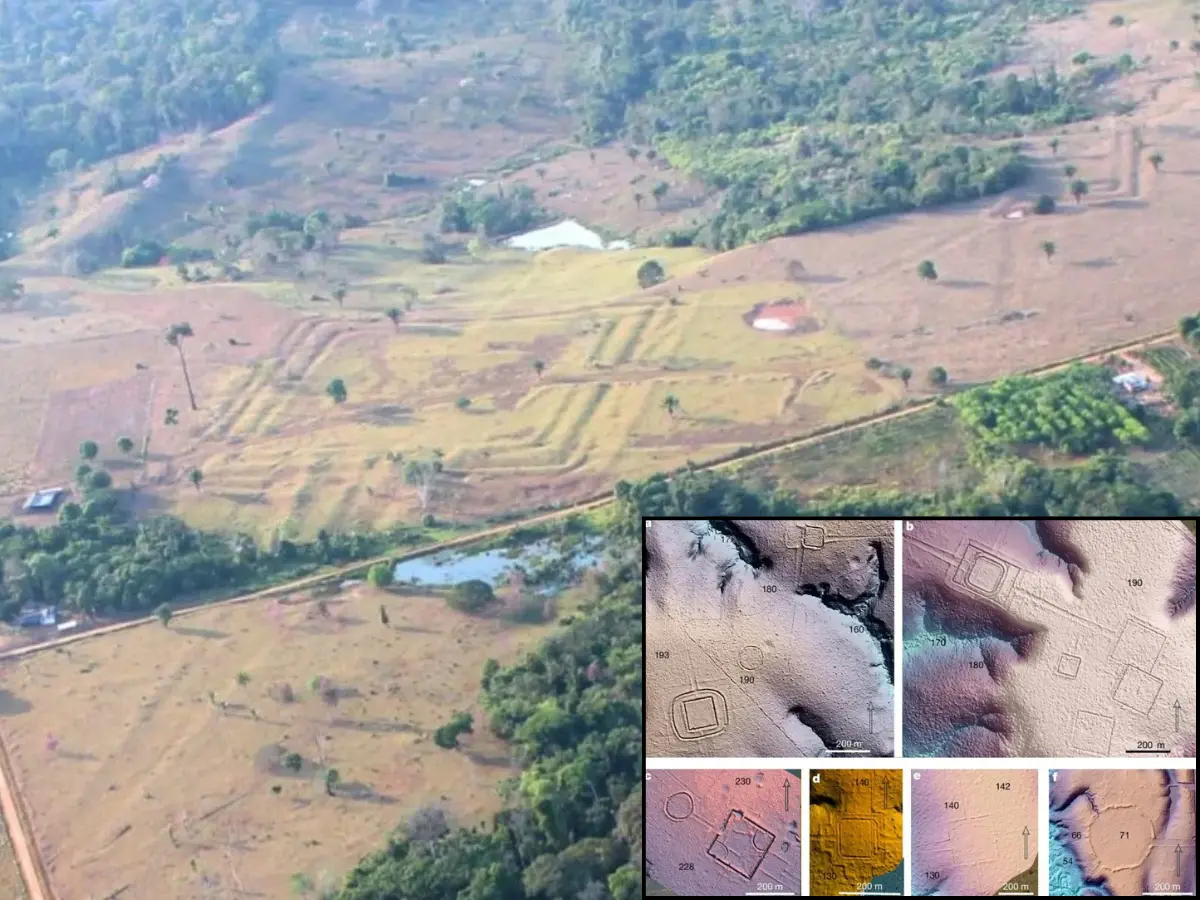)
Mysterious structures uncovered beneath the Amazon show millions of humans once lived here
&im=FitAndFill=(700,400))
August 2025 movie release calendar: Toxic, Batwara 1947, Awarapan 2 and all big-ticket films hitting theatres
)
Ariana Grande's Petal video fuels debate as fans voice concern over her appearance
)
US offers $15mn reward to dismantle alleged IRGC drone funding network
&im=FitAndFill=(700,400))
'Fifth-generation fighters': Can the S-400 shoot down an F-35?
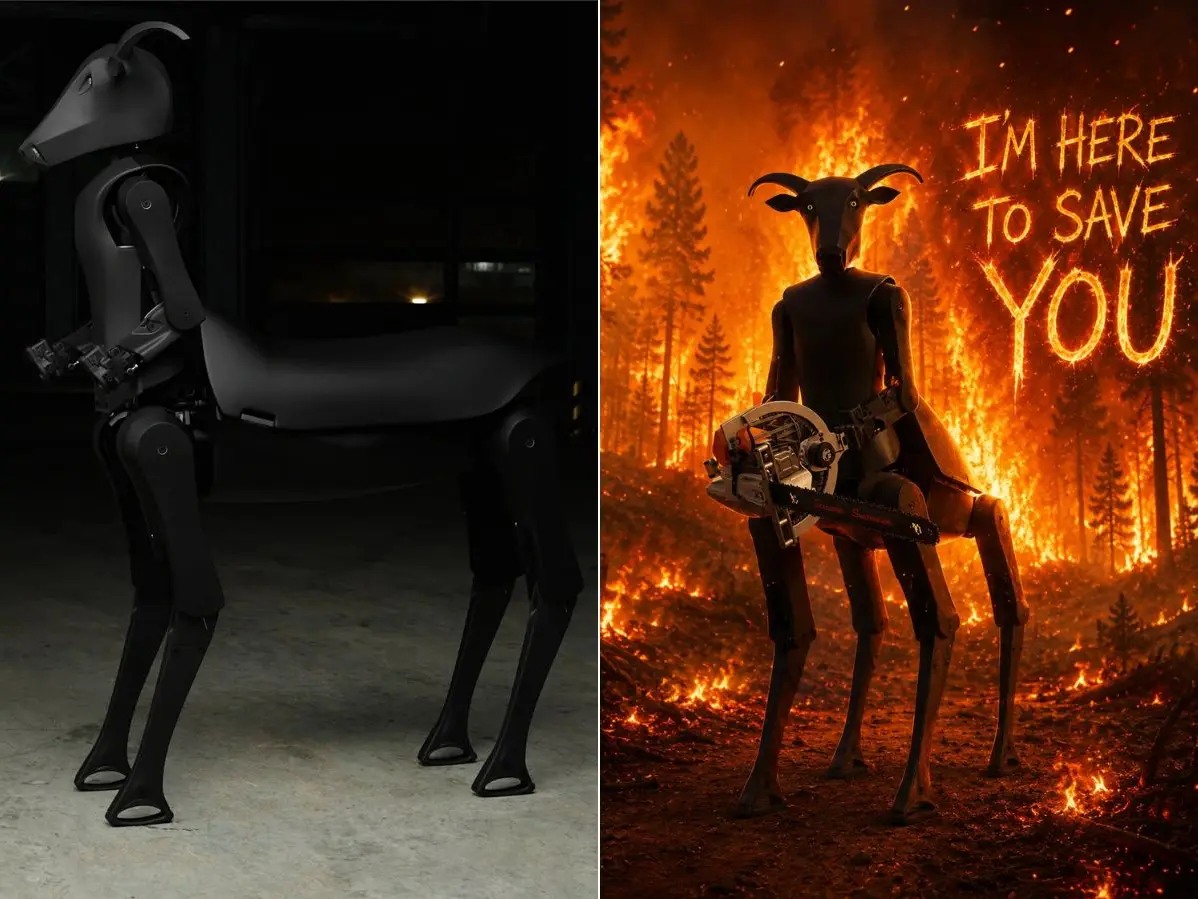)
‘Satanic’ chainsaw-wielding rescue bot leaves internet divided: ‘Those eyes are horrifying’
)
Kim Kardashian shares sweet moment with boyfriend Lewis Hamilton during summer vacation
)
Hrithik Roshan reacts to 'sorry Hrithik' trend, Kangana Ranaut slams him, mentions Saba Azad: 'You are in a committed relationship'
&im=FitAndFill=(700,400))
Meet top 5 openers with fastest ODI centuries, check who tops list
)
At least 3 killed in mass shooting at Idaho restaurant, shocking video of gunman open firing with AR-style rifle surfaces
)
Trump, Putin kissing in Amsterdam? Pride parade’s ‘couple’ goes viral | WATCH
&im=FitAndFill=(700,400))
Why are iPhones so expensive compared to Android phones?
)
India avoids higher US tariff, secures lower 10% rate. Here's how
)
The Royals enter the Doctor Who universe: King Charles and Queen Camilla beam into Commonwealth Games in TARDIS
)
German anatomist 'Dr Death's' family to grant his creepy last wish
)
More than 100 Israeli soldiers walk out of base, chant slogans in an 'act of rebellion' | Watch
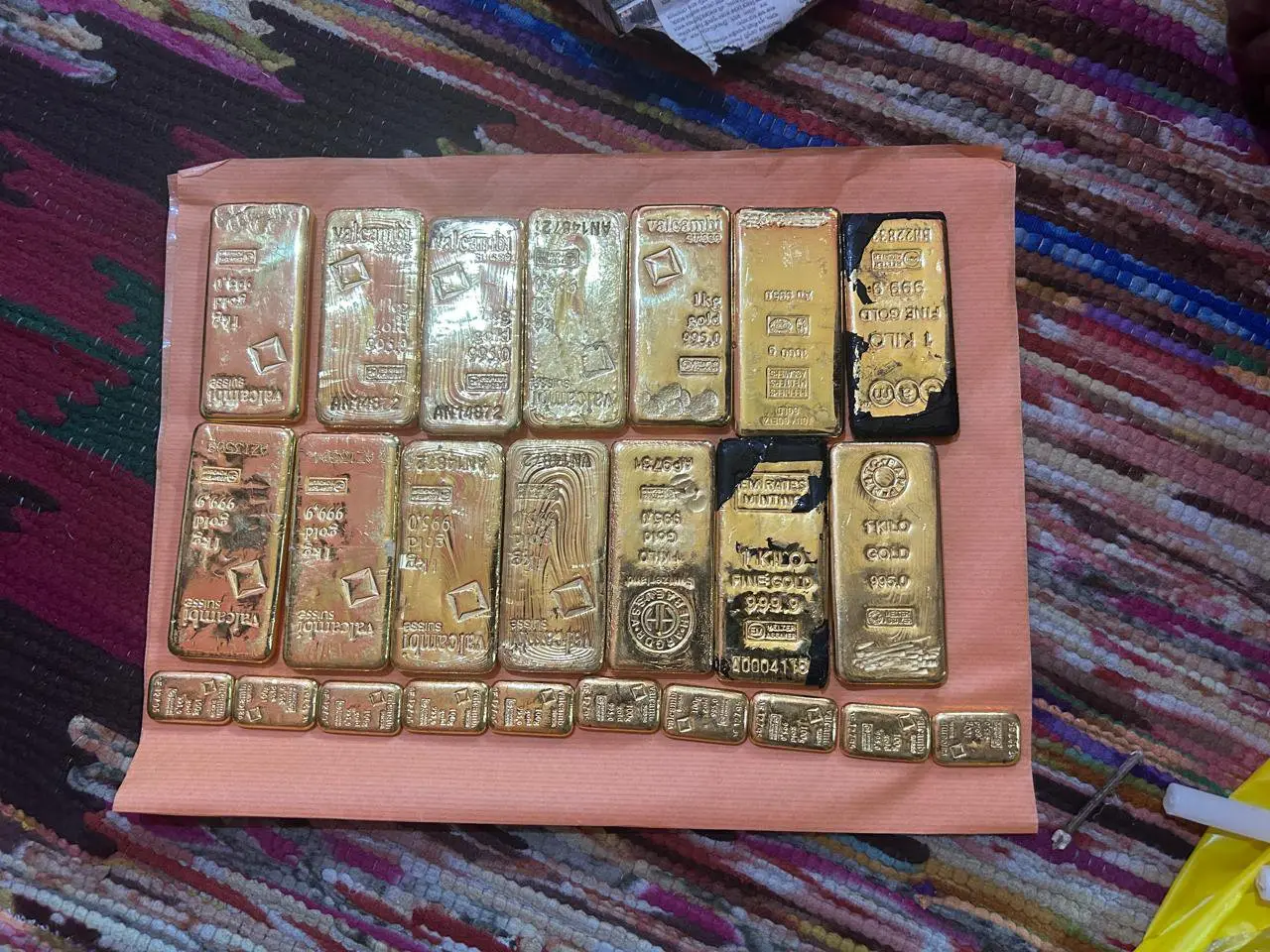)
Nearly Rs 29 crore cash, 15 kg gold found at ex-bus driver's house in West Bengal
)
NEET Protests riddled with misinformation? Delhi Police blocks 480 Pakistan-based handles spreading 'fake news' since Operation Sindoor
&im=FitAndFill=(700,400))
Meet top 5 bowlers in latest ICC Test rankings 2026 - check who sits at the top
)
Did Araghchi agree to open Hormuz to stop Trump’s planned US strikes on Iran? What we know
&im=FitAndFill=(700,400))
Why do iPhones have fewer megapixels than many Android phones?
)
60,000 migrants from Morocco flood Spain's Ceuta, EU calls influx unacceptable, Trump warns US
&im=FitAndFill=(700,400))
Meet top 5 batters in latest ICC Test rankings 2026 - check who sits at the top
&im=FitAndFill=(700,400))
Meet top 5 batters in latest ICC ODI rankings 2026 - check who sits at the top
)
'I was almost trafficked in Paris,' says Australian woman, shares terrifying ordeal - 'I am on the black market'
&im=FitAndFill=(700,400))
New Friday OTT releases (July 31, 2026): The Vacation Principle, Rao Bahadur, Chum- Watch 6 new movies and TV shows on Netflix, Prime Video and more
)
Who is Ruchika Singh, booked for using foul language against PM Modi at Jantar Mantar protests?
)
Delhi Consumer Court fines Indian Railways Rs 25,000 for making RAC passengers share one blanket
The layout and practice of whitewashing these buildings with slaked lime were introduced by the Arabic-speaking Moors. These ancient Moorish settlers designed the towns with steep, narrow cobbled lanes and built them on cliff sides or hills. Today, the towns preserve this uniform appearance as a matter of cultural identity. The stark white buildings create a beautiful contrast with the surrounding mountain landscapes and are often decorated with bright flowers like bougainvillea in colourful ceramic planters.
Spain's Pueblos Blancos demonstrate how historical building techniques remain highly effective today. The combination of heat reflection and natural sanitation created an architectural standard that defines the region's cultural heritage. Travellers visiting Andalusia can observe these practical climate solutions while walking through the narrow cobblestone streets of these enchanting hill towns.