
&imwidth=800&imheight=600&format=webp&quality=medium "Why is this cave filled with crystals bigger than humans?")
Deep beneath the Sierra de Naica Mountain in Chihuahua, Mexico, lies a geological phenomenon that seems plucked from a fantasy novel. The Cave of the Crystals, orCueva de los Cristales, is home to some of the largest natural selenite gypsum crystals ever discovered. Some of these translucent, blade-like beams reach up to 12 metres in length and weigh as much as 55 tonnes. For geologists and nature enthusiasts, this cave represents one of the most significant natural wonders on the planet.
A Masterpiece Half a Million Years in the Making
The existence of these gargantuan structures is no accident; it is the result of a precise "Goldilocks" environment that remained stable for hundreds of thousands of years. Around 26 million years ago, volcanic activity birthed the Naica mountain and filled the surrounding limestone with hot, mineral-rich water. As the magma-heated water slowly cooled below 58°C, anhydrite minerals began to dissolve, enriching the water with calcium and sulfate. This created the perfect conditions for selenite crystals to nucleate and grow at an incredibly slow rate. Scientists estimate that some of the largest columns took between 500,000 and 900,000 years to reach their current size.

Why You Can Never Visit This Cave
While the Cave of the Crystals is a breathtaking site, it remains strictly off-limits to the general public. The environment inside the cavern is essentially hostile to human life. Temperatures often soar to 58°C, and humidity levels frequently hover between 90 and 100 per cent. In such conditions, sweat cannot evaporate, and a visitor without specialized cooling gear could suffer from fatal fluid buildup in their lungs within minutes.
Because of these extreme risks and the fragility of the selenite formations, the mining company and local authorities closed access to the cave in 2015. It has since been allowed to refill with water, which essentially preserves the crystals from deterioration caused by exposure to the air.
Trending Stories
)
The Royals enter the Doctor Who universe: King Charles and Queen Camilla beam into Commonwealth Games in TARDIS
)
Delhi Consumer Court fines Indian Railways Rs 25,000 for making RAC passengers share one blanket
)
Who is Ruchika Singh, booked for using foul language against PM Modi at Jantar Mantar protests?
)
60,000 migrants from Morocco flood Spain's Ceuta, EU calls influx unacceptable, Trump warns US
)
'I was almost trafficked in Paris,' says Australian woman, shares terrifying ordeal - 'I am on the black market'
)
WWE SummerSlam 2026 Match Card: Night 1 & Night 2 schedule, main events & full lineup
)
More than 100 Israeli soldiers walk out of base, chant slogans in an 'act of rebellion' | Watch
)
India avoids higher US tariff, secures lower 10% rate. Here's how
)
Pakistan Broad Peak avalanche: Body of US's Mallory Geis identified; Nirmal Purja, 9 others remain missing
)
Ramayana's ₹4,000 Crore Budget Stuns Fans | India's Most Expensive Movie
)
Pakistan avalanche: Nepali mountaineer Nirmal Purja confirmed dead
&im=FitAndFill=(700,400))
Meet the next gen of South Cinema: From Rajinikanth's grandson to CM Vijay's son, star kids ready for debut
&im=FitAndFill=(700,400))
'Fifth-generation fighters': Can the S-400 shoot down an F-35?
)
NEET Protests riddled with misinformation? Delhi Police blocks 480 Pakistan-based handles spreading 'fake news' since Operation Sindoor
&im=FitAndFill=(700,400))
Meet top 5 openers with fastest ODI centuries, check who tops list
)
Russian e-retailer Ozon comes under Ukrainian drone attack amid Russia-Ukraine war
&im=FitAndFill=(700,400))
Why are iPhones so expensive compared to Android phones?
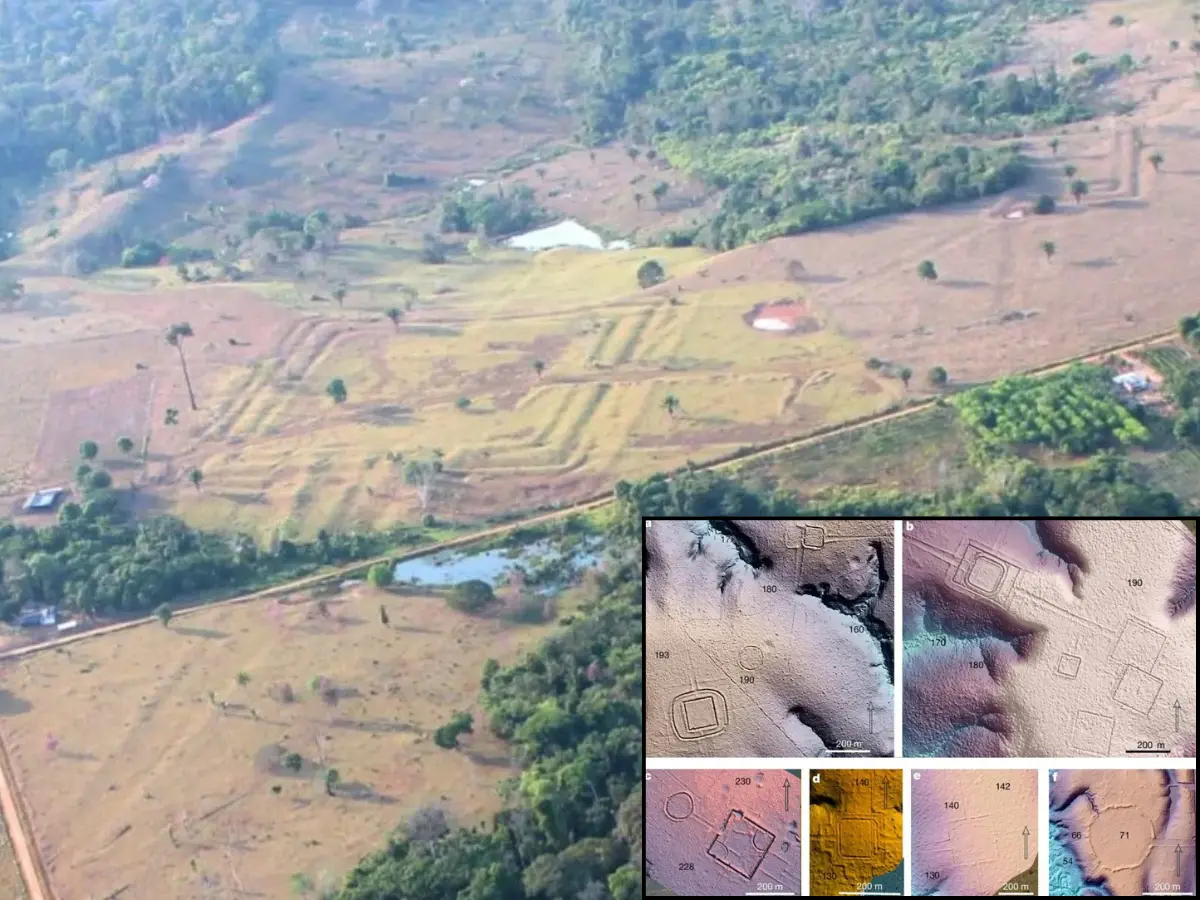)
Mysterious structures uncovered beneath the Amazon show millions of humans once lived here
)
Trump says Iranian school bombing photos could be AI-generated - 'I don’t think...'
&im=FitAndFill=(700,400))
Meet top 5 batters in latest ICC ODI rankings 2026 - check who sits at the top
)
Jared Leto controversy: Dylan Sprouse's old tweet resurfaces amid sexual assault allegations
)
Salman Khan enters Alliance to support brother, Sohail, netizens hail, 'tomorrow’s episode is going to be MASSIVE'
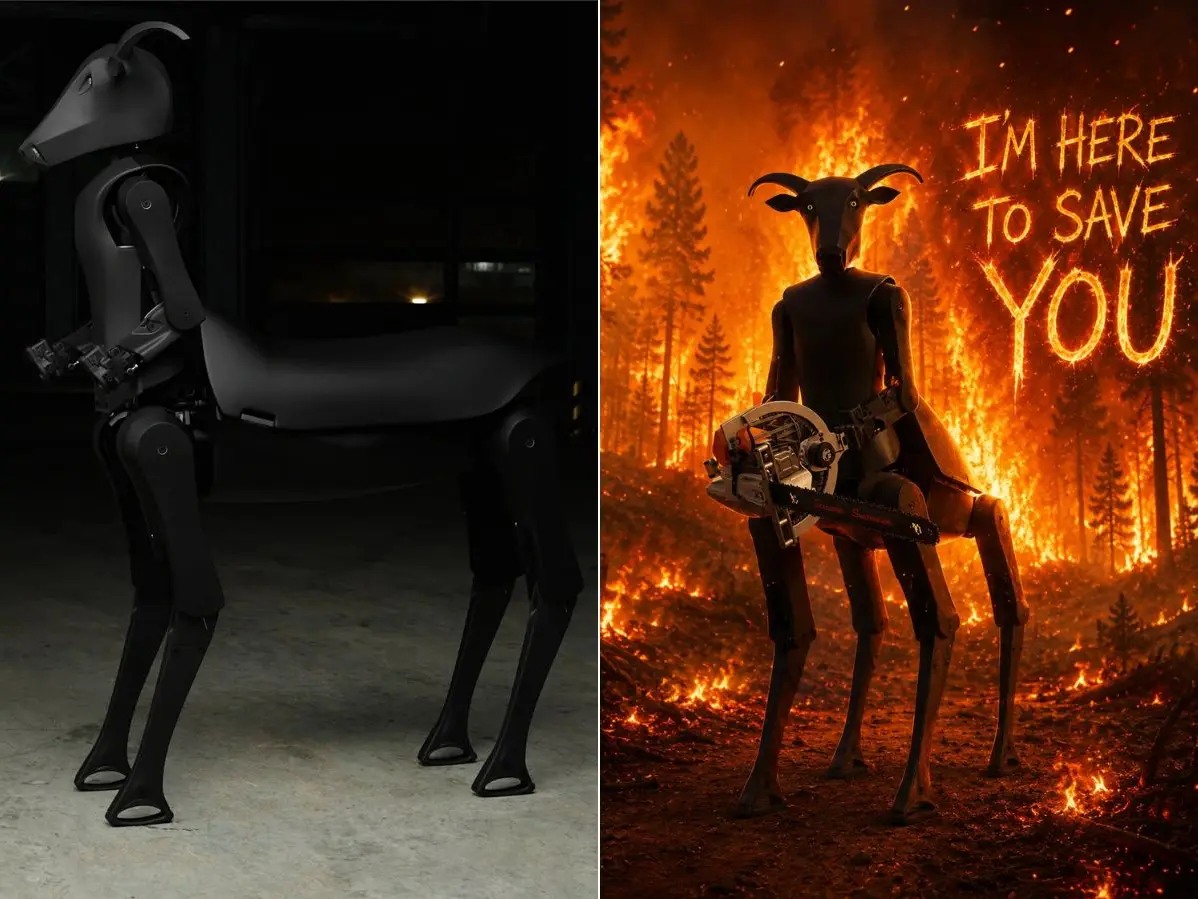)
‘Satanic’ chainsaw-wielding rescue bot leaves internet divided: ‘Those eyes are horrifying’
)
Massive explosion at Moscow restaurant kills at least 3; woman suspected of carrying bomb
)
"Am I Worthy?" Ranbir Kapoor addresses backlash over playing Lord Ram in Ramayana: Part 1
)
Are you an Indian on an H-1B visa? New US bill could make getting Green Card easier
)
US offers $15mn reward to dismantle alleged IRGC drone funding network
)
Ariana Grande's Petal video fuels debate as fans voice concern over her appearance
)
Have 7,000 Karnataka students tested positive for HIV? Here's the truth
)
Kim Kardashian shares sweet moment with boyfriend Lewis Hamilton during summer vacation
)
Harry Potter returning to theatres with unseen footage to celebrate 25 years of movie magic
)
Buying Russian oil could cost India dearly? MEA breaks silence on US 100% tariff bill
)
'Delimitation designed to disenfranchise Tamil Nadu': Rahul Gandhi urges parties to oppose Bill
)
Hrithik Roshan reacts to 'sorry Hrithik' trend, Kangana Ranaut slams him, mentions Saba Azad: 'You are in a committed relationship'
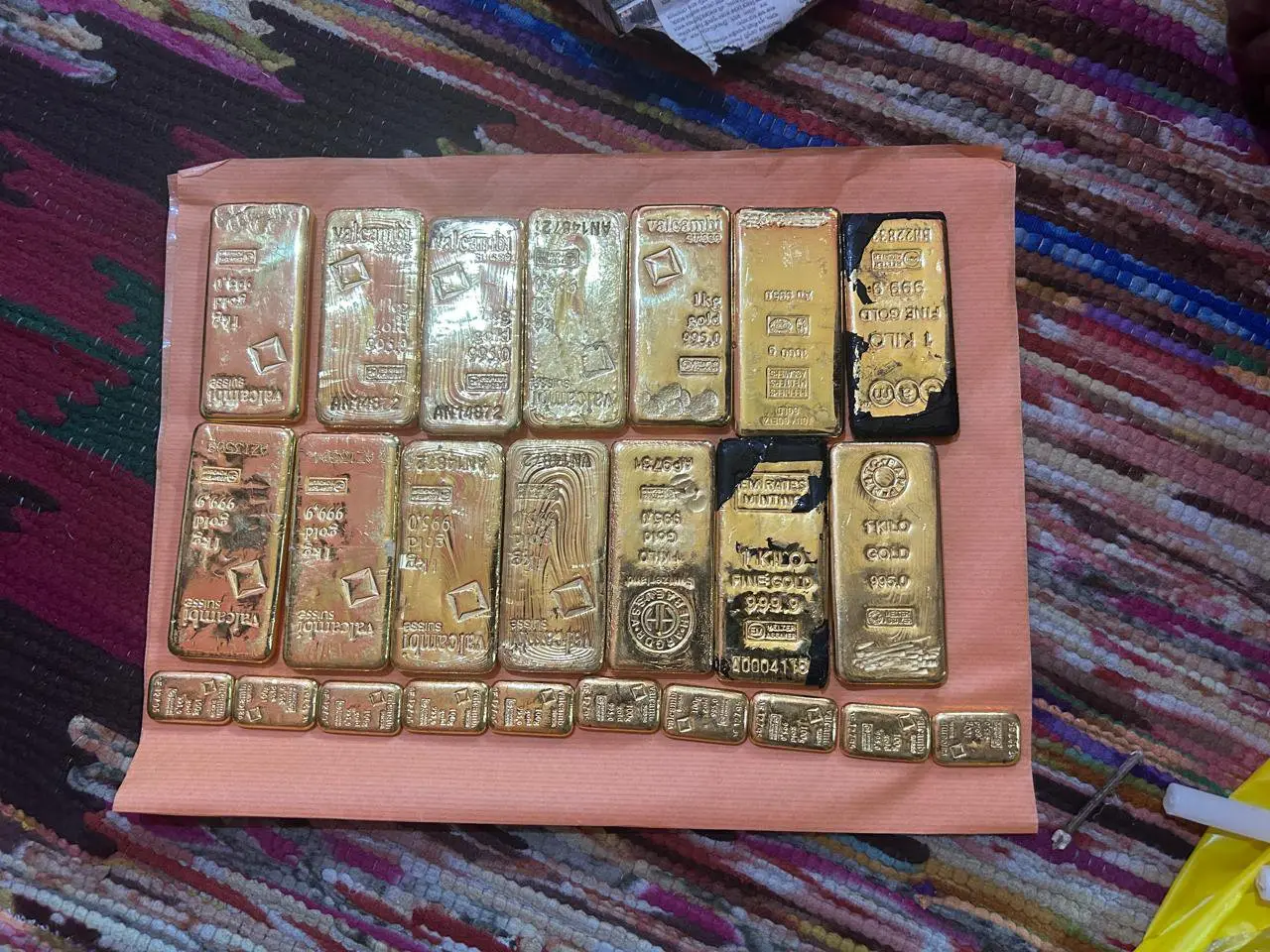)
Nearly Rs 29 crore cash, 15 kg gold found at ex-bus driver's house in West Bengal
)
German anatomist 'Dr Death's' family to grant his creepy last wish
A Protected Geological Legacy
The discovery was entirely accidental, made by miners in 2000 while they were excavating a new tunnel for the Industrias Peñoles company. Today, the site serves as a vital area of study for scientists interested in mineral growth and ancient microbial life. While the cave is not a tourist attraction, its digital mapping and scientific documentation ensure that the world can still marvel at this underground cathedral without putting anyone in harm's way.