

&imwidth=800&imheight=600&format=webp&quality=medium "Why do millions of travellers visit the Dead Sea every year? Know what's special")
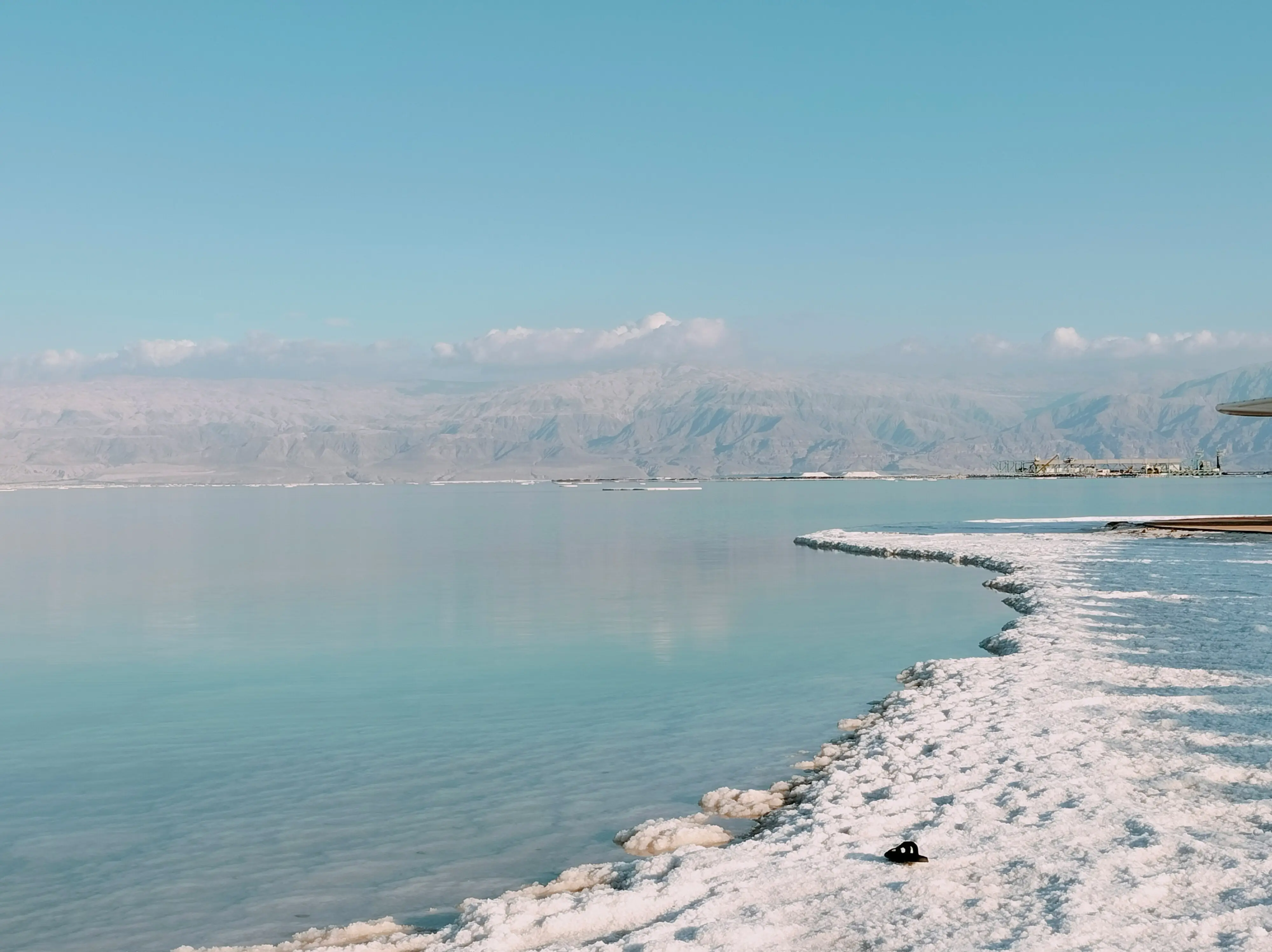
The Dead Sea attracts roughly 3 million visitors annually. Situated between Jordan, Israel, and the West Bank, it offers an environment unlike any other on the planet. Tourists travel to this region not just for a holiday, but for the proven health benefits and the unusual physical properties of the water.
The lowest land elevation on Earth
At approximately 430 metres below sea level, the shores of the Dead Sea represent the lowest land elevation on Earth. According to a 2024 environmental monitoring report, this extreme depression creates a highly specific microclimate that benefits visitors. The air in this region has a noticeably higher concentration of oxygen compared to standard sea-level locations. Furthermore, the extra atmospheric pressure acts as a natural filter, blocking out many harmful ultraviolet sun rays. This unique natural filtration allows tourists to safely expose their skin to the sun for extended periods, which is a key part of the local health therapies.
Effortless floating: The science behind the water
The most famous feature of the Dead Sea is how easy it is to float in its waters. This happens because the water is incredibly dense. According to marine researchers, the salt concentration reaches an astonishing 34 per cent. To put this into perspective, it is almost 10 times saltier than the Mediterranean Sea. Because of this extreme salinity, the density of the water simply pushes the human body upwards. Visitors cannot sink even if they try, resulting in an effortless floating experience. The heavy concentration of dissolved minerals, including magnesium, calcium, and potassium, is what primarily creates this unusual density.
Medical tourism and ancient healing traditions
Trending Stories
&imwidth=180&imheight=135&format=webp&quality=medium)
'Hell of a beautiful a**': Trump compliments Nicki Minaj as rapper joins him in Michigan rally
&imwidth=180&imheight=135&format=webp&quality=medium)
VIDEO: UP bride collapses while entering hotel room with husband, dies next day in Jhansi; father alleges murder
&imwidth=180&imheight=135&format=webp&quality=medium)
Student-led movement ousts Serbia's longtime leader as protests rage across Europe | GRAVITAS
&imwidth=180&imheight=135&format=webp&quality=medium)
Amber alert issued for 6-year-old boy abducted from US' California
&imwidth=180&imheight=135&format=webp&quality=medium)
Harry Kane favourite to win 2026 Ballon d’Or ahead of Lamine Yamal and Kylian Mbappé
&imwidth=180&imheight=135&format=webp&quality=medium)
'He is a red flag': Ex-India strength and conditioning coach on Rohit's fitness regime
&imwidth=180&imheight=135&format=webp&quality=medium)
Maurene Comey, daughter of ex-FBI director James Comey, was unlawfully fired as federal prosecutor, judge rules
&imwidth=180&imheight=135&format=webp&quality=medium)
Pakistan airline PIA unveils new crew uniforms, faces online criticism
&imwidth=180&imheight=135&format=webp&quality=medium)
'Skinwalker' sightings in Utah from 2010 detailed in new UFO Files
&imwidth=180&imheight=135&format=webp&quality=medium)
‘That is a miss’: Ravi Ashwin questions Sooryavanshi’s demotion to No. 3 in 2nd T20I vs NZ
&im=FitAndFill=(700,400)&imwidth=180&imheight=135&format=webp&quality=medium)
New OTT releases this week (October 26-November 1, 2026): Baththa, Akka, The One About Matthew Perry- 7 titles coming on Netflix, Prime Video and more
&imwidth=180&imheight=135&format=webp&quality=medium)
Elon Musk’s Grok releases first AI-generated Odyssey episode, months after promising ‘historically accurate’ full-length film
&imwidth=180&imheight=135&format=webp&quality=medium)
US Midterms 2026: Last leg polls and forecasts indicate Democratic momentum, but Senate control remains uncertain
&imwidth=180&imheight=135&format=webp&quality=medium)
'Already tired of his 9-to-5': Baby born with a moustache becomes internet sensation, video goes viral | Watch
&imwidth=180&imheight=135&format=webp&quality=medium)
Zimbabwe slips four places to 14th out of 29 in Africa’s Digital Rights and Inclusion ranking
&imwidth=180&imheight=135&format=webp&quality=medium)
Medvedev says Trump should have Zelensky 'assassinated' - 'Take care of this unfortunate little problem'
&imwidth=180&imheight=135&format=webp&quality=medium)
Maldives opposition leader demands transparency on Muizzu Govt's Pakistan defence, security deals
&im=FitAndFill=(700,400)&imwidth=180&imheight=135&format=webp&quality=medium)
Why do some fighter jets have two engines while others use one?
&imwidth=180&imheight=135&format=webp&quality=medium)
'I'll organise the Opposition': Bolsonaro vows to challenge Lula government after defeat, Trump calls vote 'rigged'
&imwidth=180&imheight=135&format=webp&quality=medium)
At least five shot dead in Guwahati hotel over suspected property dispute, police launch investigation
&imwidth=180&imheight=135&format=webp&quality=medium)
‘Sorry anti-Indian forces, but Modi won’t go’: BJP hits back at Kharge, demands apology for remark on PM
&imwidth=180&imheight=135&format=webp&quality=medium)
Uttarakhand innovator Ravi Tamta builds flying car without any formal engineering degree
&imwidth=180&imheight=135&format=webp&quality=medium)
Trump offers $1 million before US midterms. What is he asking Americans to report?
&imwidth=180&imheight=135&format=webp&quality=medium)
Clayface tops North American box office, Elizabeth Holmes documentary follows close behind
&imwidth=180&imheight=135&format=webp&quality=medium)
Boys, aged 10 and 12, rape 9-year-old in UP’s Hathras, lure her with berries
&imwidth=180&imheight=135&format=webp&quality=medium)
Houthi drones, missiles turn Saudi troop gathering into killing field | Gravitas
&imwidth=180&imheight=135&format=webp&quality=medium)
Equities or gold: How Kwala Intel approaches the investment dilemma
&imwidth=180&imheight=135&format=webp&quality=medium)
Israel elections 2026: How the country is gearing up for a crucial vote
&imwidth=180&imheight=135&format=webp&quality=medium)
Trump’s oil and gas holdings surge to $81.6 million amid Iran war as Americans face rising fuel costs
&imwidth=180&imheight=135&format=webp&quality=medium)
'I've done my work sincerely': AR Rahman on facing backlash over Ramayana soundtrack
Beyond the novelty of floating, a large portion of visitors travel to the region specifically for medical reasons. The dark, thick mud found naturally along the banks is highly sought after for skin treatments. Clinical data indicates that applying this mineral-rich mud directly to the skin results in an 88 per cent improvement in psoriasis symptoms after a four-week treatment period. Additionally, soaking in the warm water has been shown to reduce rheumatoid arthritis symptoms by up to 75 per cent. According to historical records, people have travelled here for thousands of years to access these natural remedies, and the minerals were even used in Egyptian mummification processes.
Historical and natural attractions
The region is not solely focused on wellness and floating. It is surrounded by significant historical sites that attract global attention. Qumran National Park, located nearby, is famously known as the discovery site of the ancient Dead Sea Scrolls. Just a short distance away sits the Masada Fortress, an ancient stone complex perched on a rock plateau, which features modern hiking trails and panoramic views. On the Jordanian side, visitors frequently travel to Mount Nebo and the various eco-resorts that offer clear views of the Moab Mountains.
The environmental crisis: Why the sea is receding
Despite its popularity, the Dead Sea is facing a severe ecological crisis. Environmental researchers report that the water level is currently dropping at an alarming rate of 1.1 to 1.2 metres annually. According to data from the Earth Resources Observation and Science Center, the surface area of the sea was roughly 1,050 square kilometres in 1930. Today, it has shrunk to just 605 square kilometres. This decline is primarily due to human intervention; the Jordan River, which historically fed the sea, has been heavily diverted by surrounding countries for agricultural and domestic water usage.
The threat of sinkholes and preservation efforts
As the salty water retreats, fresh groundwater moves in to dissolve the underground salt deposits left behind. This process has led to the formation of thousands of dangerous sinkholes along the coastal plain, threatening roads, hotels, and agricultural land. To combat this slow death, extensive research and experimental water transfer projects were launched in 2024. These initiatives aim to stabilise the water levels and eventually restore the ecological balance. In the meantime, local authorities have implemented strict responsible tourism guidelines, asking visitors to conserve water and protect the fragile ecosystem.
A trip to the Dead Sea offers a rare combination of geographical interest, historical depth, and proven health benefits. While environmental challenges pose a significant threat to its future, the region remains a highly specific natural environment that continues to provide immense value to those who visit responsibly.
