
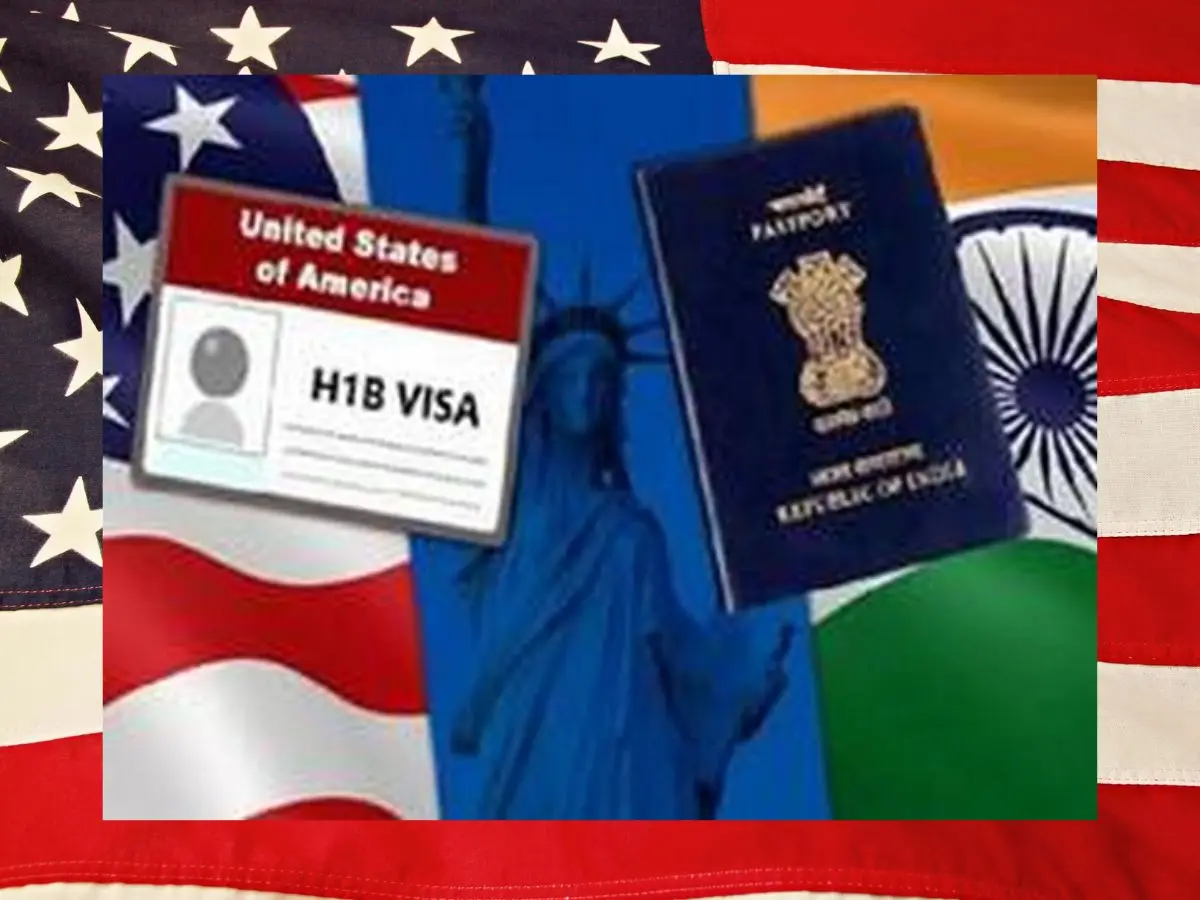
&imwidth=800&imheight=600&format=webp&quality=medium "Trump’s $100,000 H-1B visa fee stays blocked after appeals court ruling. All you need to know")
A US federal appeals court on Friday (July 24) rejected the Trump administration's attempt to reinstate a controversial $100,000 fee on new H-1B visas, dealing another setback to President Donald Trump's immigration policy aimed at highly skilled foreign workers.
The Boston-based First US Circuit Court of Appeals declined to stay a lower court order issued on 8 June that barred the administration from imposing the fee. The ruling came in response to a lawsuit filed by 20 Democratic state attorneys general, who argued that the charge amounted to an unlawful tax that Congress had never authorised.

In its decision, the three-judge panel said the administration had failed to demonstrate that it was likely to succeed on appeal in proving it had acted within its legal authority when introducing the fee. The panel, which consists of judges appointed by Democratic presidents, left the lower court's injunction in place while the broader legal challenge continues.
Trump announced the steep increase in September through a presidential proclamation, raising the cost of obtaining new H-1B visas from the typical range of about $2,000 to $5,000, depending on the application, to $100,000.
The H-1B visa programme, widely used by technology companies and other employers to recruit highly skilled foreign workers, issues 65,000 visas each year, along with an additional 20,000 reserved for applicants holding advanced degrees. Successful applicants are generally granted visas valid for three to six years.
Trending Stories
)
The Early Spring is proof not everyone can talk about their real feelings, and it is perfectly OK
)
UN votes to ‘correct the map’ as India backs fairer world view
)
Nigerian Navy discovers 99,000 litres of suspected stolen, illegally refined products as it intensifies anti-crude oil theft operations
)
Who is Aditi Paudel? 17-year-old becomes Japan's first literacy ambassador
)
Bengaluru: Officials find 40 kg expired chilli at chairman's club
)
Jaishankar rejects trade link to ending Ukraine war
)
Israeli strikes on Lebanon kill three, injure 23 despite truce
)
Alpine glacier was covered with sheep wool sheets to prevent melting. It worked
)
South Korea mulls deploying military assets to Strait of Hormuz
)
World's fifth-largest economy, British army can't afford to train
)
Breaking | Vance takes the podium: First White House briefing since Leavitt's exit
)
Taiwan raises 'concerns' over China's missile test
)
BRICS 2026: $1 trillion sovereign capital set to converge in Delhi for first iBRICS Summit
)
What is Iran's Pickaxe Mountain that Trump has again threatened to bomb?
)
UN votes to correct world map that visually shrank Africa for 450 years
)
Former NewJeans member Danielle launches YouTube channel, hints at new solo journey
)
Bangladesh batter Towhid Hridoy creates history with 350 not out in South Africa
)
Brendan Fraser’s transformation fuels The Mummy 4 excitement as fans welcome back Rick O’Connell
&im=FitAndFill=(700,400))
Krishna Janmashtami 2026: From Dhaniya Panjiri to Makhana Kheer- 5 best sweet dishes perfect for celebrating Lord Krishna’s birth
)
Donald Trump plans to travel to Ireland on Qatari-donated jet amid security concerns
)
Nazi-looted art to return to Jewish heirs
)
Eight killed in Kerala’s Thrissur after car rams into lorry parked on highway
&im=FitAndFill=(700,400))
Why Russian fighter jets use bulky, low-pressure tyres compared to US jets
)
FBI-wanted fraud accused arrested in Jalandhar over $600,000 scam
&im=FitAndFill=(700,400))
Why US tanks weigh over 20 tons more than Russian tanks
&im=FitAndFill=(700,400))
New Friday OTT releases (September 4, 2026): GDN, Dhamaal 4, Jagamae Sangeetham- Watch 6 new movies and TV shows on Netflix, Prime Video and more
)
Killing the Himalayas slowly: Human urine is melting a glacier on Mount Everest
Also read: ‘If they had nuclear weapon, there might not be a Middle East today’: Trump’s fresh jibe at Iran
Defending the policy, Trump said the H-1B programme "has been deliberately exploited to replace, rather than supplement, American workers with lower-paid, lower-skilled labour". The administration argued the higher fee would discourage misuse of the visa system.
The fee, however, did not apply to foreign nationals already in the United States on student visas, a category that accounts for a significant proportion of new H-1B recipients.
According to court filings, few employers have paid the new fee since it was introduced. The White House did not immediately respond to requests for comment following the appeals court's decision.

