

&imwidth=800&imheight=600&format=webp&quality=medium "Looking for the perfect rainy-season adventure? Try these 8 monsoon treks")
The rainy season transforms India's landscapes, turning dry trails into green routes filled with seasonal waterfalls. While heavy rain usually limits travel in some regions, the monsoon creates optimal conditions for trekking in the Western Ghats and specific Himalayan rain-shadow zones. If you want to step out this season, here are eight routes that are at their best when it rains.
High-Altitude Himalayan Escapes
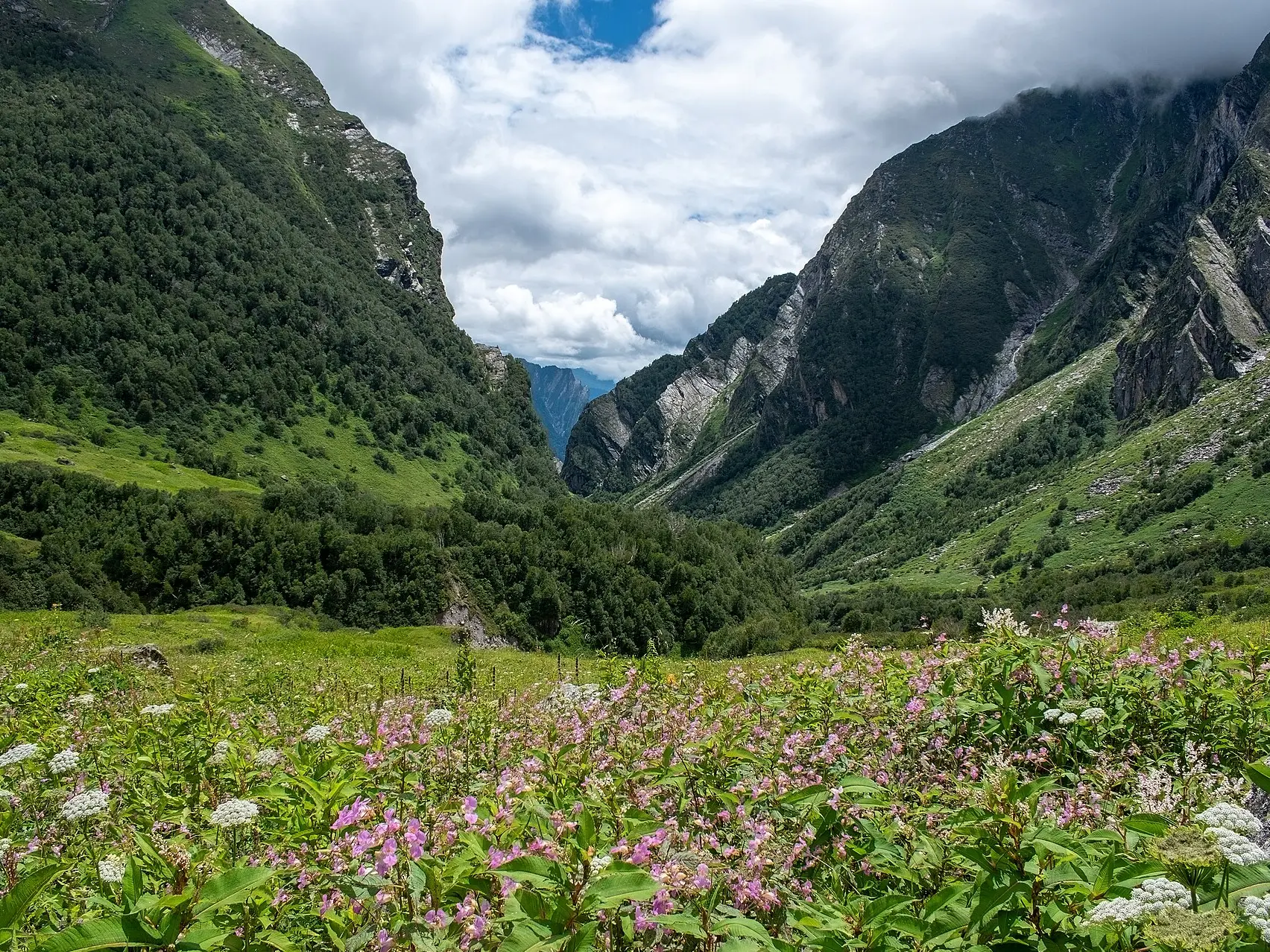
Valley of Flowers, Uttarakhand
A UNESCO World Heritage site, this moderately difficult trail takes four to six days to complete and opens strictly from June to October. The monsoon triggers the blooming of endemic alpine flowers, including blue poppies, covering the valley floor in distinct colours at an altitude of 3,658 metres.
Hampta Pass, Himachal Pradesh
Connecting the green Kullu valley with the arid Lahaul region, this moderate four-to-five-day trek is largely shielded from heavy downpours. Trekkers cross a 4,270-metre pass, observing a sharp geographical contrast from dense forests to barren mountains.
Trending Stories
&imwidth=180&imheight=135&format=webp&quality=medium)
'Lousy president': Trump hits back at Obama over 'cheesecake factory' White House jibe
&imwidth=180&imheight=135&format=webp&quality=medium)
US Midterms 2026: ‘Parasite’ and other insults turn some Republican-leaning Indian Americans towards Democrats
&imwidth=180&imheight=135&format=webp&quality=medium)
Meta’s AI bet is getting more expensive: What its $95 billion share plan means
&imwidth=180&imheight=135&format=webp&quality=medium)
At least five shot dead in Guwahati hotel over suspected property dispute, police launch investigation
&imwidth=180&imheight=135&format=webp&quality=medium)
Maurene Comey, daughter of ex-FBI director James Comey, was unlawfully fired as federal prosecutor, judge rules
&imwidth=180&imheight=135&format=webp&quality=medium)
Houthi drones, missiles turn Saudi troop gathering into killing field | Gravitas
&imwidth=180&imheight=135&format=webp&quality=medium)
Boys, aged 10 and 12, rape 9-year-old in UP’s Hathras, lure her with berries
&imwidth=180&imheight=135&format=webp&quality=medium)
'Skinwalker' sightings in Utah from 2010 detailed in new UFO Files
&imwidth=180&imheight=135&format=webp&quality=medium)
Zimbabwe slips four places to 14th out of 29 in Africa’s Digital Rights and Inclusion ranking
&imwidth=180&imheight=135&format=webp&quality=medium)
Harry Kane favourite to win 2026 Ballon d’Or ahead of Lamine Yamal and Kylian Mbappé
&imwidth=180&imheight=135&format=webp&quality=medium)
'Already tired of his 9-to-5': Baby born with a moustache becomes internet sensation, video goes viral | Watch
&imwidth=180&imheight=135&format=webp&quality=medium)
'He is a red flag': Ex-India strength and conditioning coach on Rohit's fitness regime
&imwidth=180&imheight=135&format=webp&quality=medium)
Amber alert issued for 6-year-old boy abducted from US' California
&imwidth=180&imheight=135&format=webp&quality=medium)
Maldives opposition leader demands transparency on Muizzu Govt's Pakistan defence, security deals
&imwidth=180&imheight=135&format=webp&quality=medium)
Israel elections 2026: How the country is gearing up for a crucial vote
&imwidth=180&imheight=135&format=webp&quality=medium)
Trump offers $1 million before US midterms. What is he asking Americans to report?
&imwidth=180&imheight=135&format=webp&quality=medium)
US Midterms 2026: Last leg polls and forecasts indicate Democratic momentum, but Senate control remains uncertain
&imwidth=180&imheight=135&format=webp&quality=medium)
Elon Musk’s Grok releases first AI-generated Odyssey episode, months after promising ‘historically accurate’ full-length film
&imwidth=180&imheight=135&format=webp&quality=medium)
IPL 2027: CSK confirm Michael Hussey’s departure; appoint Gareth Batty as assistant coach
&imwidth=180&imheight=135&format=webp&quality=medium)
Cameroon unveils school-based migration clubs to support young people’s migration choices
&imwidth=180&imheight=135&format=webp&quality=medium)
Student-led movement ousts Serbia's longtime leader as protests rage across Europe | GRAVITAS
&imwidth=180&imheight=135&format=webp&quality=medium)
Uttarakhand innovator Ravi Tamta builds flying car without any formal engineering degree
&imwidth=180&imheight=135&format=webp&quality=medium)
'I'll organise the Opposition': Bolsonaro vows to challenge Lula government after defeat, Trump calls vote 'rigged'
&imwidth=180&imheight=135&format=webp&quality=medium)
'I've done my work sincerely': AR Rahman on facing backlash over Ramayana soundtrack
&imwidth=180&imheight=135&format=webp&quality=medium)
‘All 3 SIR orders unanimous,’ EC tells SC, denies unilateral decision-making by CEC Gyanesh Kumar
&im=FitAndFill=(700,400)&imwidth=180&imheight=135&format=webp&quality=medium)
New OTT releases this week (October 26-November 1, 2026): Baththa, Akka, The One About Matthew Perry- 7 titles coming on Netflix, Prime Video and more
&imwidth=180&imheight=135&format=webp&quality=medium)
Pakistan airline PIA unveils new crew uniforms, faces online criticism
&imwidth=180&imheight=135&format=webp&quality=medium)
Trump’s oil and gas holdings surge to $81.6 million amid Iran war as Americans face rising fuel costs
&imwidth=180&imheight=135&format=webp&quality=medium)
Jordan strikes 'terrorist organisations' in Syria after deadly church attack as Damascus shuts main border crossing
&imwidth=180&imheight=135&format=webp&quality=medium)
‘That is a miss’: Ravi Ashwin questions Sooryavanshi’s demotion to No. 3 in 2nd T20I vs NZ
&imwidth=180&imheight=135&format=webp&quality=medium)
Microsoft offers voluntary exit packages to 60,000 employees in India, US, UK and Canada
&imwidth=180&imheight=135&format=webp&quality=medium)
'Hell of a beautiful a**': Trump compliments Nicki Minaj as rapper joins him in Michigan rally
Kashmir Great Lakes, Jammu and Kashmir
July and August offer the clearest window for this difficult, six-to-seven-day high-altitude route. It covers seven distinct alpine lakes situated above 4,000 metres, avoiding the heavy monsoon clouds that frequently affect the lower Himalayas.
Historic Forts of the Sahyadris
Rajmachi Fort, Maharashtra
Located in the Sahyadri mountains, this historical double-fort system is a prominent rainy-season draw. The 14-kilometre trail from Lonavala is a beginner-to-moderate route that can be completed as a day hike or a two-day overnight camp. It takes you past the ancient Kondane Buddhist caves, active waterfalls and dense green cover. Since leeches are highly active here during the monsoon, carrying salt or wearing leech socks is recommended.
Harishchandragad, Maharashtra
Known for a sheer cliff face called the Konkan Kada, this moderate trekking route takes one to two days to navigate and becomes heavily covered in mist between June and September. It offers a moderate physical challenge involving rock-cut steps and ancient temple ruins.
Sinhagad Fort, Maharashtra
A beginner-friendly day hike located just outside Pune, this trail takes only three to four hours to complete. The brief hike involves an elevation gain of around 600 metres, providing expansive views of the nearby Khadakwasla Dam, which fills up to capacity during the rainy months.
Southern India’s Green Peaks
Chembra Peak, Kerala
Wayanad’s highest peak stands at 2,100 metres. The route is a moderate day hike taking four to five hours, leading you through working tea estates to a heart-shaped lake that stays full throughout the year. Trekkers must obtain prior permission from the forest department, and the trail often closes during exceptionally heavy downpours. Like most Western Ghats routes, be prepared for leeches.
Mullayanagiri, Karnataka
As the highest peak in Karnataka, this trail in the Baba Budangiri range involves a short but steep ascent, making it a beginner-to-moderate hike that requires three to four hours. The monsoon weather here brings high winds, with thick fog regularly rolling over the narrow paths. Pack anti-leech socks before starting your ascent.
Essential Safety Measures
Trekking in the rain requires proper preparation. Always check local weather forecasts before departing, as sudden downpours can block roads or cause landslides. Carry waterproof gear, wear shoes with reliable grip, and consider hiring a local guide for safety. For Western Ghats trails, packing salt is an absolute necessity.
