

&imwidth=800&imheight=600&format=webp&quality=medium "Difficulty walking or losing balance? Experts explain possible signs of spine problems")
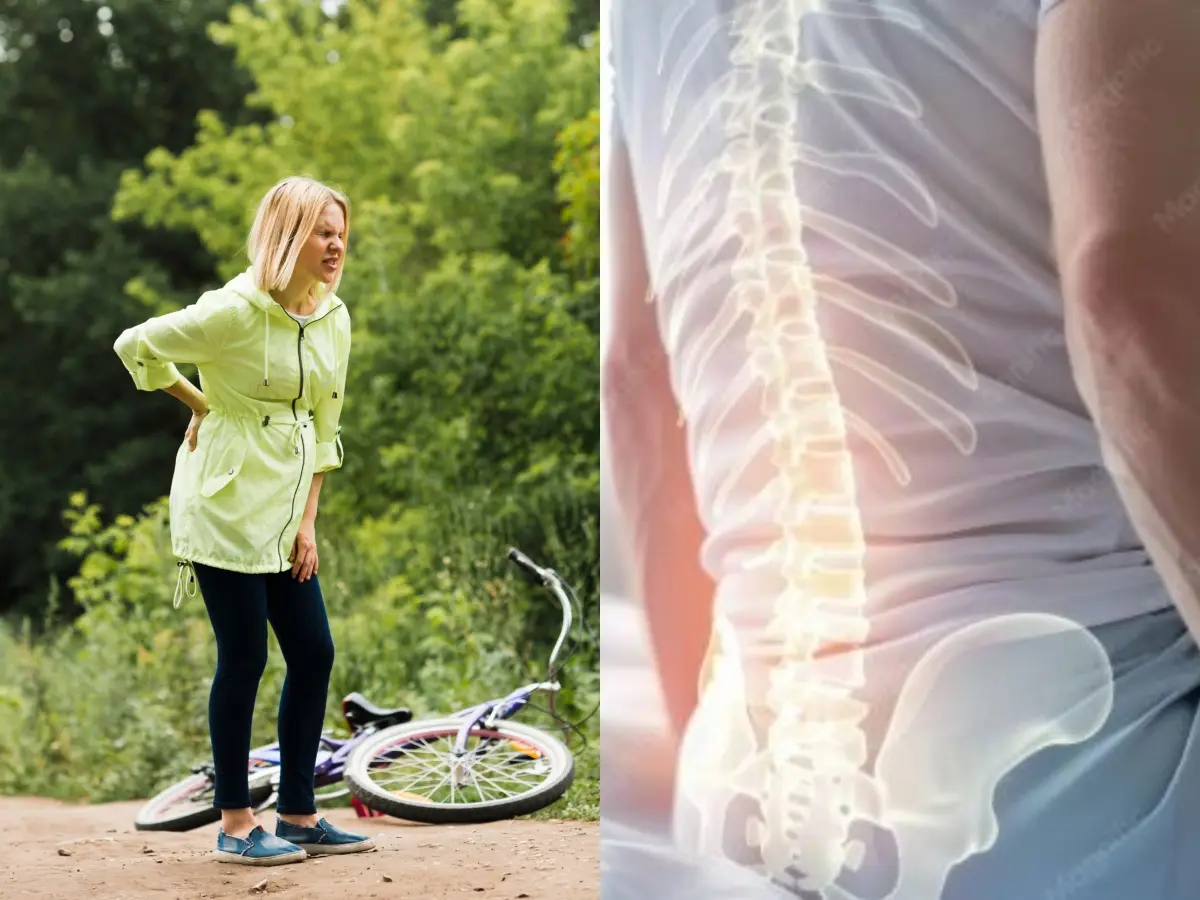
The spine plays an important role in supporting the body, protecting the spinal cord and helping people move with stability and coordination. However, changes in walking patterns or difficulty maintaining balance may sometimes point to an underlying spine or nerve problem. On World Spine Day, spine specialists explain the symptoms people should watch for and why persistent changes in movement deserve medical attention.
Experts on warning signs for walking and balance changes
The spine plays a vital role in supporting the body, protecting the spinal cord and enabling movement. While occasional unsteadiness may result from tiredness or other temporary factors, persistent changes in walking or balance can sometimes indicate an underlying medical condition.
Dr Mukesh Haritwal, HOD – Spine Care at Manipal Hospital, Jaipur, says difficulty walking or maintaining balance can be an early warning sign that should not be ignored. When pressure develops on the spinal cord or nerves, the signals responsible for movement, coordination and muscle strength may be disrupted, making it harder to remain steady while standing or walking.
According to Dr Haritwal, possible warning signs include frequent tripping or stumbling, difficulty walking in a straight line, weakness or stiffness in the legs, and numbness or tingling in the hands, arms or legs.
Trending Stories
&imwidth=180&imheight=135&format=webp&quality=medium)
Asian Games 2026: India face Afghanistan in quarterfinal on Sep 28; Pakistan clash with Hong Kong
&imwidth=180&imheight=135&format=webp&quality=medium)
Myanmar training camp case: US national, 6 Ukrainians allowed to meet their families abroad
&imwidth=180&imheight=135&format=webp&quality=medium)
Bigg Boss 20: Salman Khan schools Rhiti Tiwari over Qazi Touqeer clash, compares her to Dolly Bindra
&imwidth=180&imheight=135&format=webp&quality=medium)
Mushtaq Khan dies at 56: When Welcome actor opened up about his salary for iconic role Ballu
&imwidth=180&imheight=135&format=webp&quality=medium)
LPU students go on rampage, vandalise campus amid widespread protest: What's happening
&imwidth=180&imheight=135&format=webp&quality=medium)
'FIRST LOOK from inside Noah’s Ark': Researchers share video from inside mysterious mound in Turkey
&imwidth=180&imheight=135&format=webp&quality=medium)
‘Attack on Mecca a red line for Pakistan’: Shehbaz Sharif warns Houthis at UN
&imwidth=180&imheight=135&format=webp&quality=medium)
Pakistan deploys over 20,000 security personnel as PTI vows march for Imran Khan's release
&imwidth=180&imheight=135&format=webp&quality=medium)
OpenAI AI Agents hacked 4 websites before Hugging Face, researchers reveal
&imwidth=180&imheight=135&format=webp&quality=medium)
'A terrorist country is asking me that question?': Jaishankar hits back at Pakistani journalist at UN; flags attacks on commercial shipping
&imwidth=180&imheight=135&format=webp&quality=medium)
Trump-Xi summit wrap: Big pageantry, Iran talks, few major developments and more meetings planned
&imwidth=180&imheight=135&format=webp&quality=medium)
Did Hitler kill his niece Geli Raubal? Newly found records reopen a 95-year-old mystery
&imwidth=180&imheight=135&format=webp&quality=medium)
Hawaii braces for Hurricane Nolo: NOAA warns of flash flooding and mudslides
&imwidth=180&imheight=135&format=webp&quality=medium)
'What kind of confession is this?': Pakistan PM Shehbaz Sharif’s 'terrorists would be roaming New York' remark goes viral, raises alarm online. Watch
&imwidth=180&imheight=135&format=webp&quality=medium)
US-Iran war: Trump rejects Iran's Hormuz proposal, reports suggest talks expected next week
&imwidth=180&imheight=135&format=webp&quality=medium)
Bollywood x K-pop crossover! LE SSERAFIM’s Kazuha charms fans with Shah Rukh Khan’s ‘Chammak Challo’ steps
&imwidth=180&imheight=135&format=webp&quality=medium)
Gaza's war turned environmental damage into second crisis
&imwidth=180&imheight=135&format=webp&quality=medium)
‘Serial practitioner of terrorism’: Jaishankar calls out Pakistan’s ‘state-sponsored’ terror at UNGA
&imwidth=180&imheight=135&format=webp&quality=medium)
‘It is all possible’: Putin weighs next steps on Ukraine talks, rules out Europe conflict
&imwidth=180&imheight=135&format=webp&quality=medium)
Prince Harry offers rare glimpse into Archie and Lilibet’s life after UK move
&imwidth=180&imheight=135&format=webp&quality=medium)
Nigeria Navy moves to boost oil security, tackle crude theft and infrastructure threats
&imwidth=180&imheight=135&format=webp&quality=medium)
Donald Trump shares image of Xi's arrival in Washington, carries signs of AI
&imwidth=180&imheight=135&format=webp&quality=medium)
Pentagon quietly adds 37 wounded troops to Iran war tally without explaining when or how
&imwidth=180&imheight=135&format=webp&quality=medium)
US court backs Pentagon's decision to exclude Anthropic over Claude AI restrictions
&imwidth=180&imheight=135&format=webp&quality=medium)
US Supreme Court backs Trump administration's use of SAVE database to check voter citizenship
&imwidth=180&imheight=135&format=webp&quality=medium)
‘Could kill billions...’: Bill Gates backs calls to slow AI development amid fears of catastrophe
&imwidth=180&imheight=135&format=webp&quality=medium)
'Countries far from conflict are penalised': Jaishankar calls for Gulf peace, seafarer safety at UN
&imwidth=180&imheight=135&format=webp&quality=medium)
WATCH | As Shehbaz Sharif claims Pakistan’s ‘victory’ during 2025 conflict, Indian diplomat R Srinivas laughs at UN
&imwidth=180&imheight=135&format=webp&quality=medium)
Outrage erupts after 3-year-old is married to 60-year-old man in Pakistan, link to her sister's murder being probed
&im=FitAndFill=(700,400)&imwidth=180&imheight=135&format=webp&quality=medium)
New Friday OTT releases (September 25, 2026): Don’t Be Shy, Hunkkaar: The Roar, Mango Pachcha- 6 movies and TV shows on Netflix, Prime Video and more
&imwidth=180&imheight=135&format=webp&quality=medium)
Global community 'absent' in Gulf crisis: Saudi at UN calls for freedom of navigation, pre war status for Hormuz
&imwidth=180&imheight=135&format=webp&quality=medium)
Farhan, who went viral for AK47 celebration vs India in Asia Cup, hopes to lead Pakistan beyond Asian Games
&imwidth=180&imheight=135&format=webp&quality=medium)
‘I rejected it’: Trump confirms turning down Iran’s proposal to reopen Hormuz, claims Tehran is losing ‘badly’
&imwidth=180&imheight=135&format=webp&quality=medium)
Russia will achieve Ukraine war aims; Europe doing everything to block peace talks: Lavrov at UN
Other changes may include difficulty climbing stairs, getting up from a chair, walking on uneven surfaces or noticing that one foot drags while moving. These symptoms may develop gradually and can initially appear minor, but persistent or worsening changes should be medically evaluated. A clinical examination can help determine whether the symptoms are related to the spine, nerves or another underlying condition. Dr. Haritwal emphasises that people should not automatically dismiss recurring movement difficulties as general weakness or ageing.
What is cervical myelopathy?
Dr Gururaj Mallikarjun Sangondimath, Director of Spine Surgery, Spine Services at ISIC Multispeciality Hospital, explains that the spinal cord carries messages between the brain and different parts of the body. Compression of the spinal cord can interfere with these signals, affecting movement, coordination and balance.
One condition doctors may investigate is cervical myelopathy, which occurs when the spinal cord in the neck becomes compressed. People with this condition may experience an unsteady walking pattern, leg weakness or stiffness, and difficulty maintaining balance. Some may also notice numbness or tingling in their hands.
Problems with fine hand movements can be another warning sign. Difficulty buttoning a shirt, writing or holding objects may warrant assessment, particularly when these changes occur alongside walking difficulties or other neurological symptoms.
Why early medical evaluation matters?
Both specialists advise people to pay attention to symptoms that are new, persistent, recurring or gradually becoming worse. Repeated stumbling, unexplained balance problems, limb weakness, numbness or reduced coordination should not automatically be treated as a normal part of ageing.
However, these symptoms do not always indicate a spine disorder. Walking and balance difficulties can have several causes, which is why medical evaluation is important to establish the underlying reason.
Also Read: Is Ladies vs Ricky Bahl copied from Jeffrey Archer's book? Why he called Bollywood 'thieves'
Dr Sangondimath notes that spinal cord compression can worsen over time if left untreated. Identifying the problem early can help doctors determine an appropriate course of treatment and address symptoms before mobility and everyday activities are affected further.

