
&imwidth=800&imheight=600&format=webp&quality=medium "Nigeria Navy moves to boost oil security, tackle crude theft and infrastructure threats")
The Nigerian Navy has thrown its weight behind efforts to ramp up Nigeria's crude oil output, with the Chief of the Naval Staff, Vice Admiral Idi Abbas, promising stronger naval backing for oil-producing companies working to protect the country's petroleum infrastructure. This is according to a press statement available to WION and was signed by Navy Captain Abiodun Folorunsho, Director of Naval Information, Nigerian Navy.
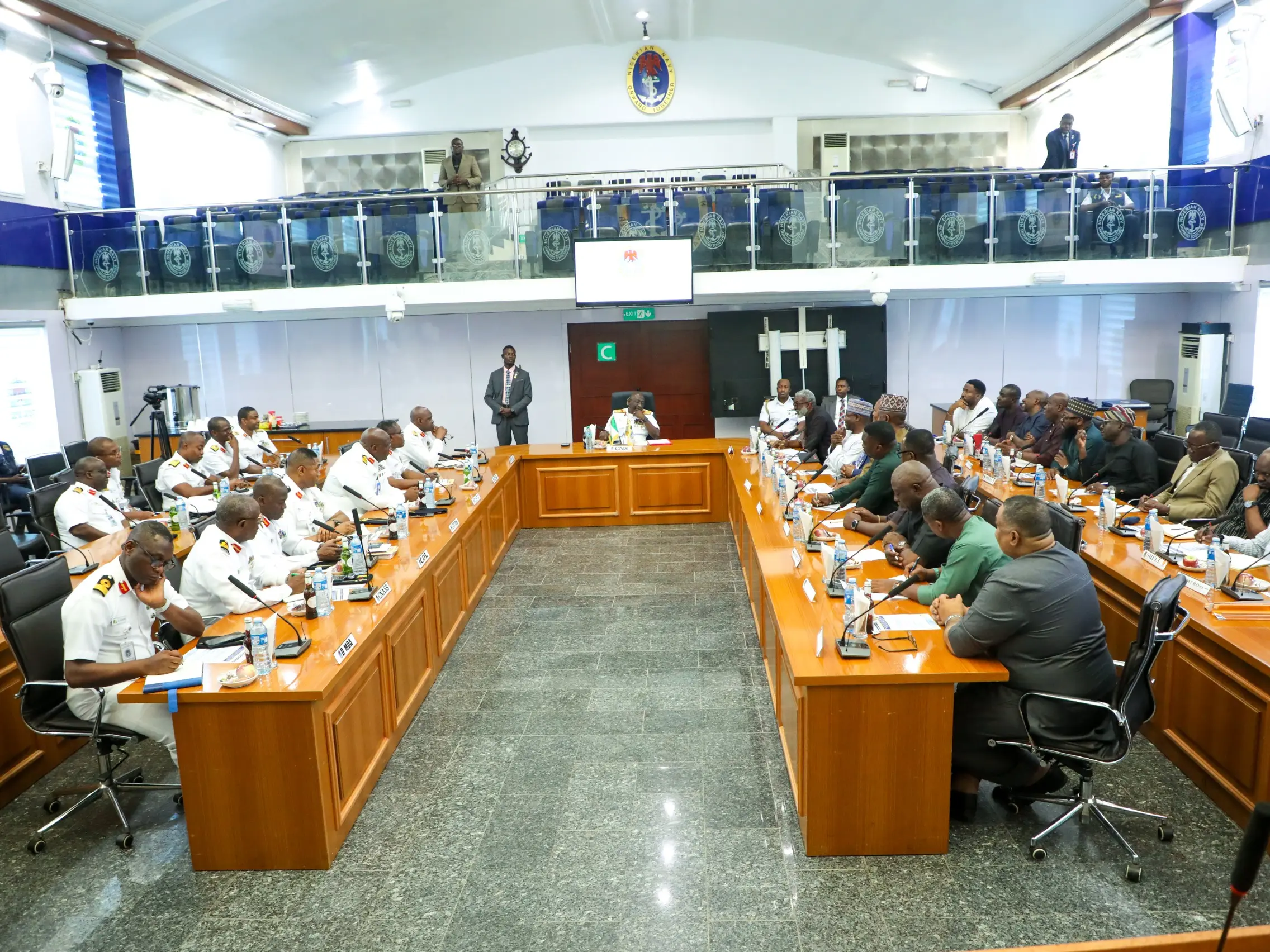
Vice Admiral Abbas made the pledge while hosting a delegation from the Security Sub-Committee of the Oil Producers Trade Section (OPTS) of the Lagos Chamber of Commerce and Industry (LCCI) at the Naval Headquarters in Abuja. The delegation was led by the sub-committee's chairman, Johnson Ogbum. The meeting zeroed in on how to tighten security around oil production facilities, remote assets, and export terminals, with a particular focus on curbing crude oil theft, third-party interference, and threats to offshore and near-shore infrastructure. The OPTS delegation used the opportunity to push for more naval patrols in high-risk maritime zones and stronger security cover for the movement of petroleum products.
In his response, Vice Admiral Abbas reassured the delegation of the Navy's continued commitment to securing Nigeria's maritime space and safeguarding assets considered critical to the national economy. He pointed to ongoing naval operations as a key driver behind the decline in crude oil theft recorded in recent times, while emphasising that closer intelligence-sharing between the Navy and oil companies remains crucial to staying ahead of emerging threats.

The Naval Chief also flagged technology as a growing pillar of maritime surveillance and patrol efficiency, and assured the delegation that their requests would be reviewed and acted upon in line with identified security needs and formal applications from affected companies. The Naval Headquarters meeting underscored the Navy's broader mandate of maintaining a secure maritime environment, one that supports higher crude oil output while protecting infrastructure critical to the economy, and signals a deepening of ties between the military and stakeholders across Nigeria's oil and gas sector.
