Breast Cancer Awareness Month 2025: Doctors explain how self-exams and lifestyle changes can lower the risk

&imwidth=600&imheight=450&format=webp&quality=medium "Breast Cancer Awareness Month 2025: Doctors explain how self-exams and lifestyle changes can lower the risk")
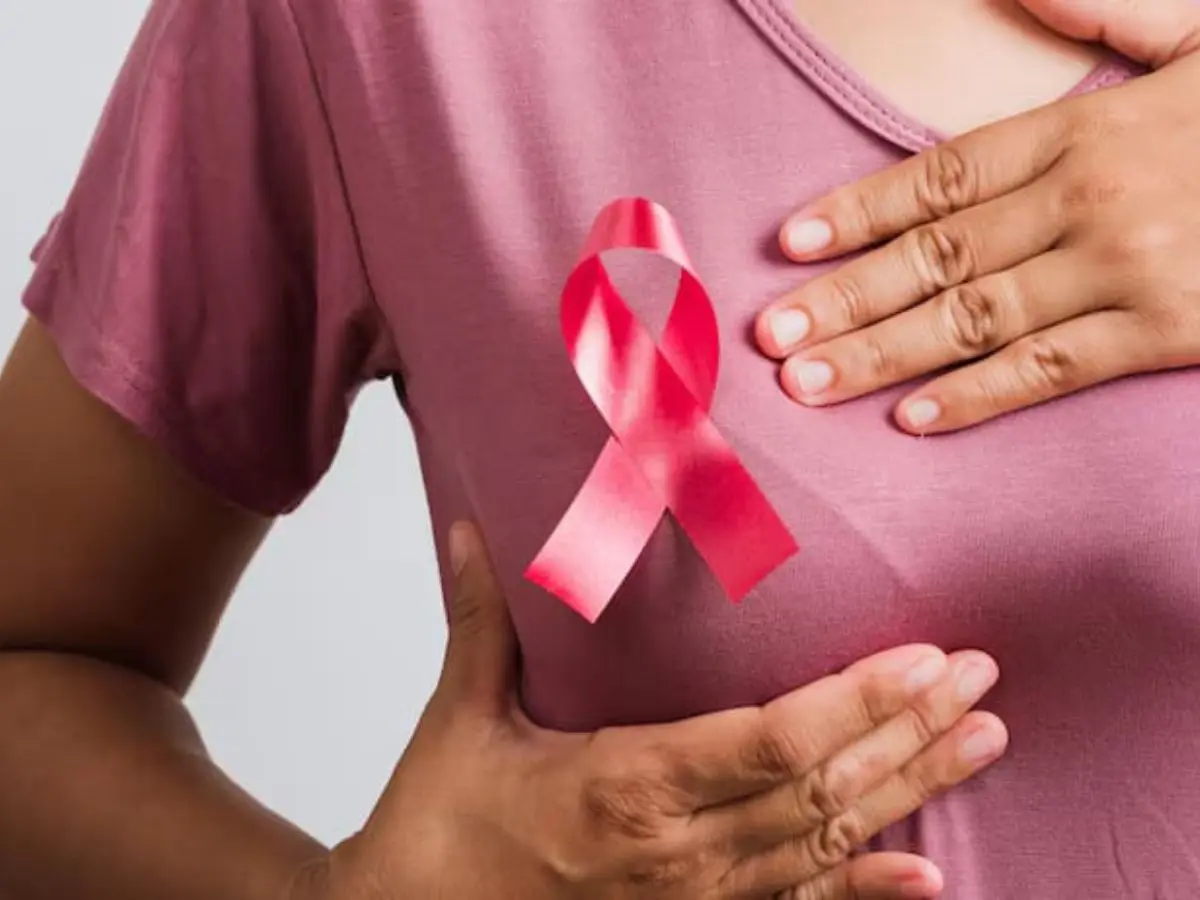
Breast Cancer Awareness Month 2025 Photograph: (Freepik)
This Breast Cancer Awareness Month, let’s pledge to stay informed, perform regular self-checks, encourage screenings, and support those fighting the battle, because awareness is the first step toward prevention.
Every October, the world turns pink to mark Breast Cancer Awareness Month, a time dedicated to spreading knowledge, encouraging screenings, and dispelling myths around one of the most common cancers affecting women globally.
According to the World Health Organization (WHO), breast cancer was the most common cancer among women in 157 countries in 2022, claiming around 670,000 lives worldwide. Yet, survival rates continue to improve, thanks to early detection, advancements in treatment, and awareness campaigns that empower individuals to take charge of their health.
Screenings and self-checks
Dr. Deepak Jha, Chief, Breast Surgery & Sr. Consultant - Surgical Oncology, Artemis Hospitals, emphasizes the importance of self-awareness and timely screenings, “Women in their 20s should start doing breast self exams regularly so they can get used to how their breasts normally look and feel. Women in their 20s and 30s should usually get a clinical breast exam every 1 to 3 years. Starting at age 40, women should get a mammogram every year to catch breast cancer early. But women who have a family history or genetic risk should start getting screenings sooner, as their doctor says they should.”
He adds that genetics and family history play a major role in increasing risk. Mutations in genes like BRCA1 or BRCA2 can significantly raise the chances of developing breast cancer, making genetic counseling and early screening essential.
Trending Stories
&imwidth=280&imheight=210&format=webp&quality=medium)
&imwidth=280&imheight=210&format=webp&quality=medium)
&imwidth=280&imheight=210&format=webp&quality=medium)
&imwidth=280&imheight=210&format=webp&quality=medium)
&imwidth=280&imheight=210&format=webp&quality=medium)
&imwidth=280&imheight=210&format=webp&quality=medium)
&imwidth=280&imheight=210&format=webp&quality=medium)
&imwidth=280&imheight=210&format=webp&quality=medium)
&imwidth=280&imheight=210&format=webp&quality=medium)
&im=FitAndFill=(700,400)&imwidth=280&imheight=210&format=webp&quality=medium)
&imwidth=280&imheight=210&format=webp&quality=medium)
&imwidth=280&imheight=210&format=webp&quality=medium)
&imwidth=280&imheight=210&format=webp&quality=medium)
&imwidth=280&imheight=210&format=webp&quality=medium)
&imwidth=280&imheight=210&format=webp&quality=medium)
&imwidth=280&imheight=210&format=webp&quality=medium)
&imwidth=280&imheight=210&format=webp&quality=medium)
&imwidth=280&imheight=210&format=webp&quality=medium)
&imwidth=280&imheight=210&format=webp&quality=medium)
&im=FitAndFill=(700,400)&imwidth=280&imheight=210&format=webp&quality=medium)
&imwidth=280&imheight=210&format=webp&quality=medium)
&imwidth=280&imheight=210&format=webp&quality=medium)
&imwidth=280&imheight=210&format=webp&quality=medium)
&imwidth=280&imheight=210&format=webp&quality=medium)
&im=FitAndFill=(700,400)&imwidth=280&imheight=210&format=webp&quality=medium)
&imwidth=280&imheight=210&format=webp&quality=medium)
&imwidth=280&imheight=210&format=webp&quality=medium)
&imwidth=280&imheight=210&format=webp&quality=medium)
&imwidth=280&imheight=210&format=webp&quality=medium)
&imwidth=280&imheight=210&format=webp&quality=medium)
&imwidth=280&imheight=210&format=webp&quality=medium)
&imwidth=280&imheight=210&format=webp&quality=medium)
&imwidth=280&imheight=210&format=webp&quality=medium)
&imwidth=280&imheight=210&format=webp&quality=medium)
Lifestyle choices matter
Dr. Jha also stresses the impact of lifestyle factors like diet, alcohol, and stress on breast health: “Eating a lot of processed foods and unhealthy fats, drinking a lot of alcohol, and being under a lot of stress all the time can change hormone levels and cell health, which can raise the risk of cancer. Keeping a healthy diet, avoiding alcohol, staying active, and managing stress through relaxation or mindfulness can all help lower the risk.”
At-home detection remains an essential tool. Dr. Jha recommends monthly self-exams, ideally 7 to 10 days after menstruation, and paying attention to any unusual changes like lumps, dimpling, redness, or discharge. “Finding breast cancer early greatly increases the chances of survival,” he explains. “When the disease is found early, treatment works better, is less harsh, and people recover much faster.”
Detection and myths
Dr. Poonam Patil, Consultant - Medical Oncology, Immunotherapy and Precision Medicine at Manipal Hospital, Bengaluru, shares similar views, “Every woman after the age of 20 years should learn to do breast self-examination. Not that one gets cancer at that age, but it gives her the opportunity to understand how her breast texture evolves with different phases of the menstrual cycle, with age, and gradually self-examination becomes a habit.”
She highlights the most common warning signs women often ignore: persistent lumps, skin dimpling, nipple inversion, and unexplained discharge. “Many women ignore these because they may assume that these are normal variations, or they’re afraid to seek medical advice.”
Dr. Patil also busts common myths:
- Myth: Breast cancer only affects women with a family history.
- Fact: Most breast cancers occur in women with no family history.
- Myth: A painless lump isn’t serious.
- Fact: Early-stage breast cancer is often painless; any lump must be checked.
- Myth: Breast cancer only affects women.
- Fact: Around 1% of cases occur in men, too.
On technological progress, she notes, “Artificial intelligence with machine learning and molecular breast imaging are coming up fast as imaging modalities.”
Key symptoms to watch for
Regardless of type, early signs of breast cancer often include:
- A hard, immovable lump in the breast or underarm
- Unusual changes in size, shape, or texture
- Nipple pulling inward or discharge
- Skin dimpling or redness
- Persistent pain in one area
If you notice any of these, don’t wait for your next mammogram; consult a doctor immediately.
What every woman can do
Experts agree that prevention and awareness go hand in hand. Here are proven ways to reduce your risk:
- Limit alcohol consumption or avoid it altogether.
- Exercise regularly, at least 30 minutes most days.
- Maintain a healthy weight.
- Avoid long-term hormone therapy after menopause unless medically necessary.
- Stay informed about your family’s medical history and consider genetic testing if advised.
Breastfeeding also provides a protective benefit, as Dr. Jha confirms, “A woman who breastfeeds may have a lower risk of getting breast cancer. It lowers the levels of some hormones that help cancer cells grow and helps the body get rid of breast cells that might be damaged.”
The road ahead
While breast cancer remains a major health challenge, survival rates continue to rise due to research, early detection, and personalized treatment. However, inequities still exist, women in low-income regions often face delayed diagnosis and limited treatment access. Early detection saves lives. It’s that simple. The earlier breast cancer is found, the more treatment options are available, and the better the chances of survival.