'Jogi' movie review

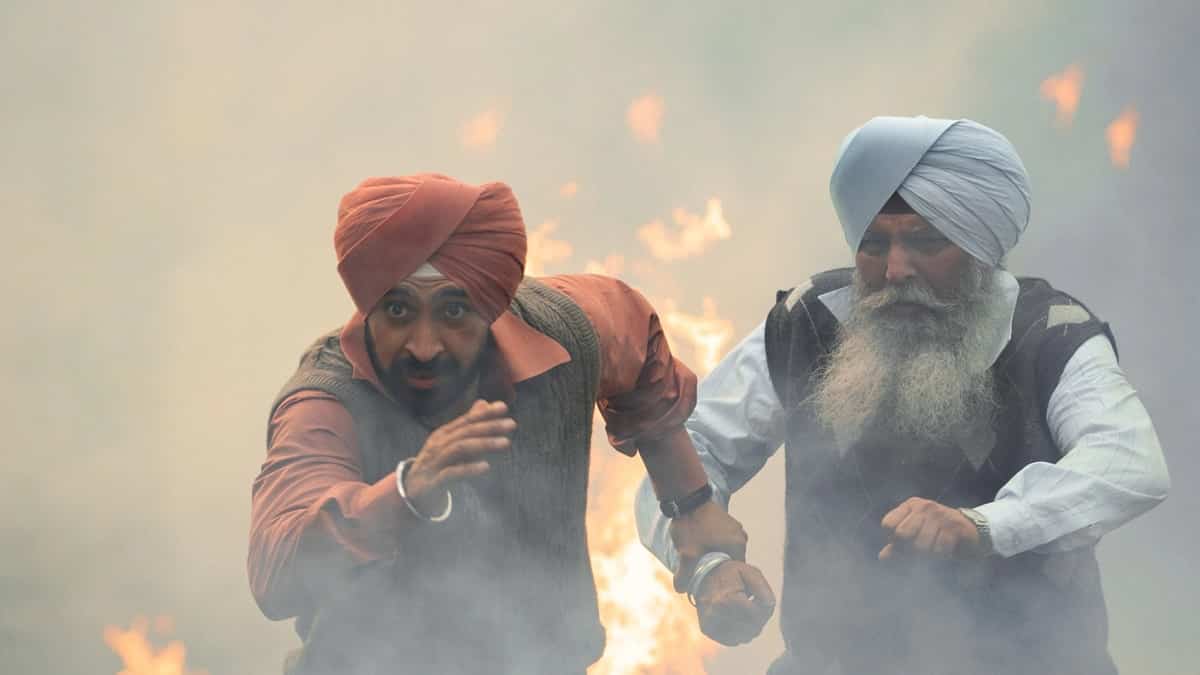
'Jogi' is streaming on Netflix.
Ali Abbas Zafar's 'Jogi' is set pat-in-the-middle of the 1984 anti-Sikh pogrom in Delhi but is curiously disinterested in the transpiring violence. To be fair, the film does show scenes of brutality from one of the most shameful episodes in independent India's history. In those three days, appalling, politically-sanctioned violence engulfed the Indian national capital and thousands of innocents lost their lives. But the effect of those horrors -- horrors that serve as a chilling reminder that men are just beasts with less hair and will lose all pretense of compassion at the drop of a hat -- is severely impaired by a trite, dull story involving personal vengeance.
For those who don't know, the 1984 pogrom was a result of the assassination of Prime Minister Indira Gandhi on October 31, 1984, by her radicalised Sikh bodyguards. The assassination was the result of Operation Blue Star, an ill-advised, ill-planned, and artillery-backed full-frontal military operation ordered by Gandhi to eliminate the Khalistani terrorist Jarnail Singh Bhindranwale. Bhindranwale was holed up with other militants in Amritsar's Golden Temple. But also in the temple complex were civilians, many of whom died in the crossfire. The Akal Takht, the highest seat of earthly authority for Sikhs, was laid to waste.

I have already given more context to the events depicted her than the script provides. Jogi (Diljit Dosanjh) is a young Sikh man who is unaware of Gandhi's assassination. While on a local bus, he and his elderly father are assaulted by their co-passengers. Unable to comprehend what is happening, he is told bluntly that his very religion is why he is being beaten.
Kumud Mishra's comically-evil politician (a stand-in for people like Sajjan Kumar, no doubt) is seen freeing criminals lodged for serious crimes and arming them with petrol bombs and metal rods. Each man is promised money, assigned to specific localities, and sicced on only Sikh-owned homes like rabid hounds. Never underestimate an enterprising Indian ringleader inciting a mob to violence. He also provides police officers with voter lists with Sikh names marked in red.
One of the cops, Chautala, played by Mohd. Zeeshan Ayyub, turns out to be honest and an old friend of Jogi. Coordinating with his friend, Chautala arranges for Jogi's family to leave for Punjab, even as the rest of the locality's Sikhs hide in a Gurudwara.
)
IND vs JPN one-off T20I: India survive scare from Japan to win five-over a side match by 2 runs
)
Putin's United Russia party wins 355 seats in Duma election; 4 other parties cross threshold to enter parliament
)
AI models chose to harm humans to stop ‘pain,’ alarming study raises fresh safety questions
)
‘0% chance’: Nvidia CEO Jensen Huang dismisses AI extinction fears by 2030
)
Samay Raina-Mukesh Chhabra controversy explained: What happened over girlfriend joke on India's Got Latent?
)
Trump's helipad event overshadowed by audio failure as major TV networks suspend pool coverage
)
Russia-Ukraine war: Russian strikes knock out three of Ukraine's largest steel plants
)
'Needs time away from the international scene': England white-ball captain Brook on pacer Brydon Carse's future
)
Glitch in the matrix caught on camera: Woman vanishes after talking to reporter
)
Anti-AI activists storm summit, say 'incompetent' leaders are leading us into a disaster - 'We need a vote'
)
Samsung raises Galaxy S26 prices by Rs 20,000: Here’s what each model now costs
)
J&K Assembly Session begins amid chaos: BJP, ruling alliance clash as statehood demand dominates
)
Key accused in Bihar's Jamui molestation case, arrested after police shoot him in leg
)
Randeep Hooda arrives in Gujarat for his first National Film Award: ‘Very grateful’
)
US and China vie for AI dominance as calls grow for regulation | Gravitas
&im=FitAndFill=(700,400))
Anant Nag to recieve Dadasaheb Phalke Award: From Ankur to Nishant- Revisit his best films and iconic performances on OTT
)
FIFA chief Infantino wants to reform governing body with consultation from federations
)
The Verdict | The Mecca Agreement is under scrutiny as Houthis attack Saudis
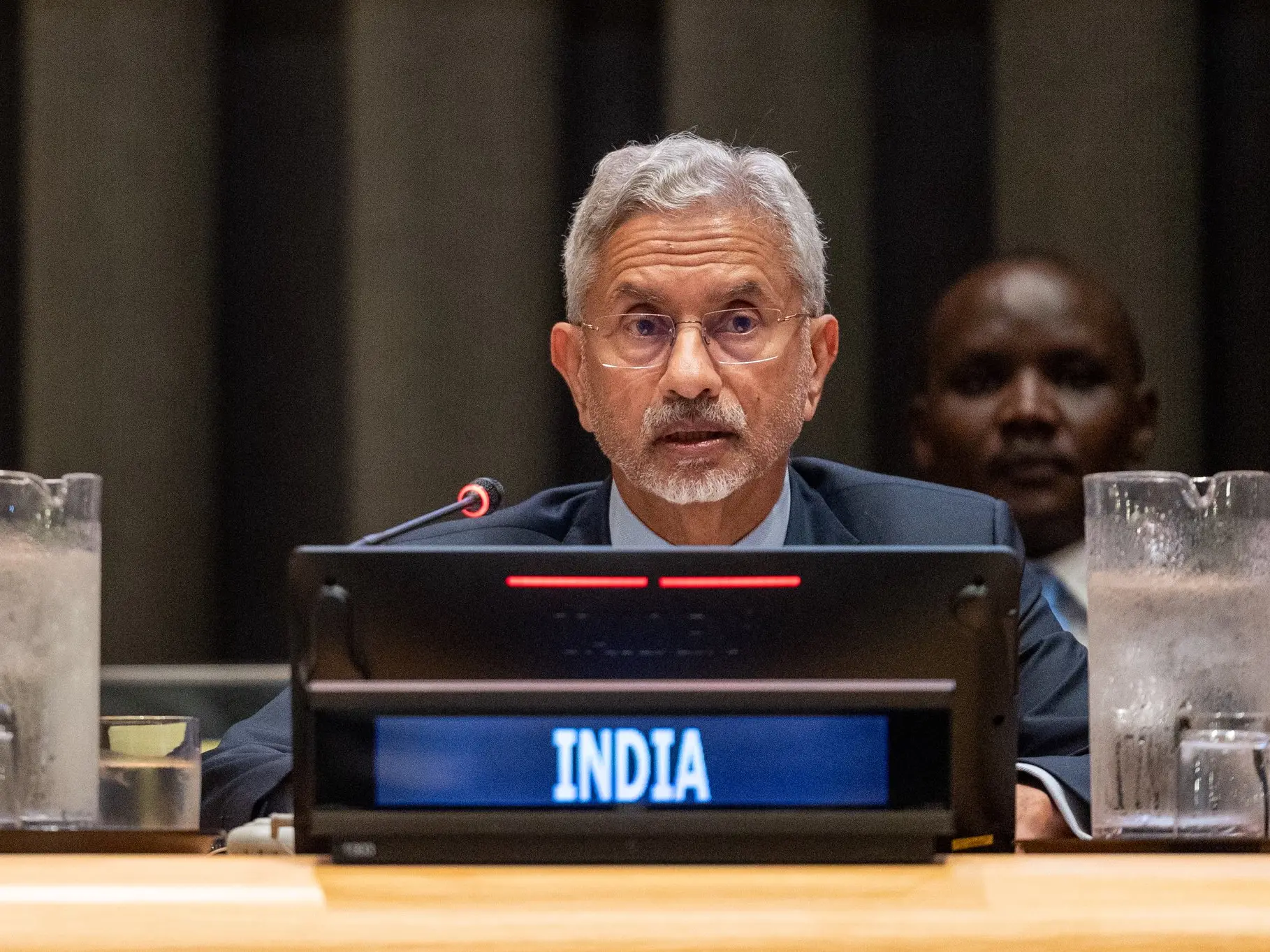)
India at UNGA81: Jaishankar warns global order under 'growing stress', pushes for ‘reformed multilateralism’
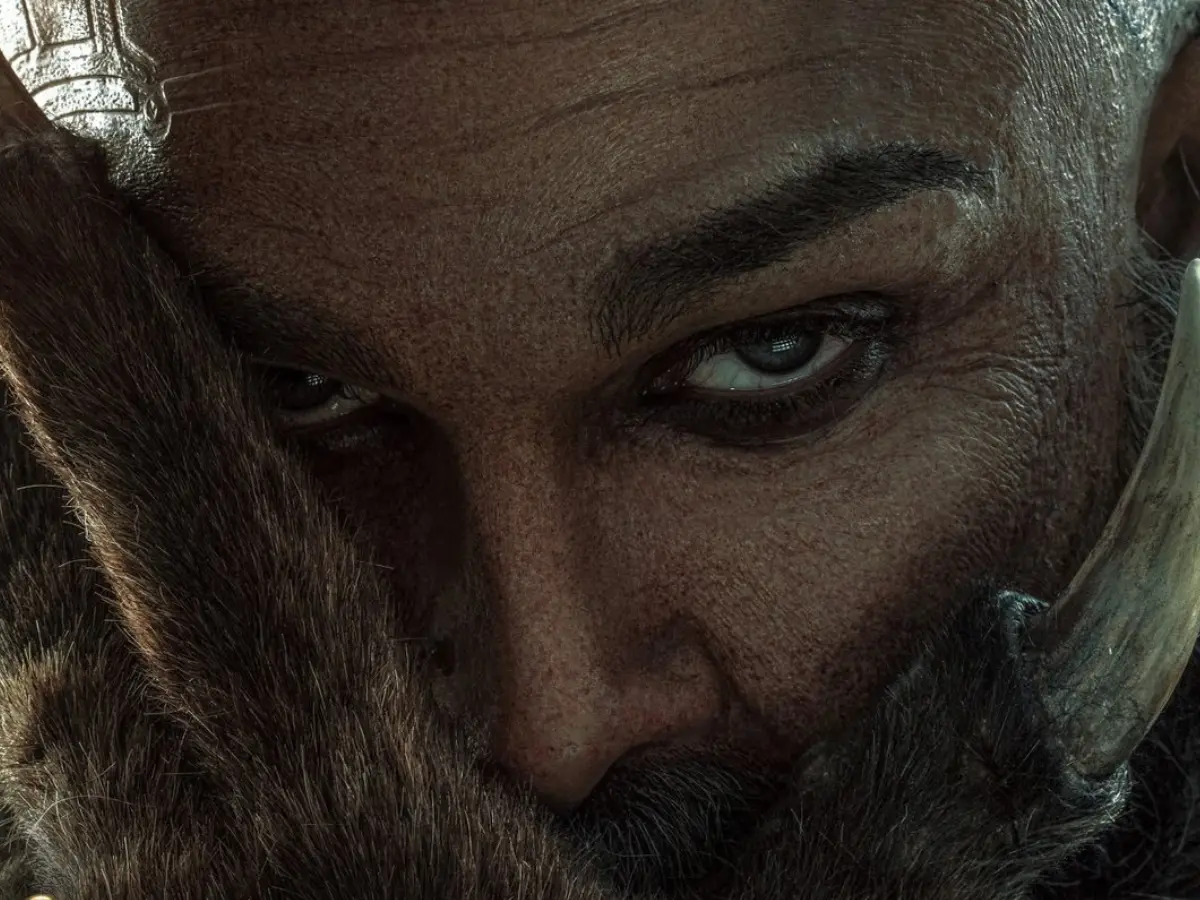)
Raaka creates history! Allu Arjun’s film secures Guinness World Record ahead of release
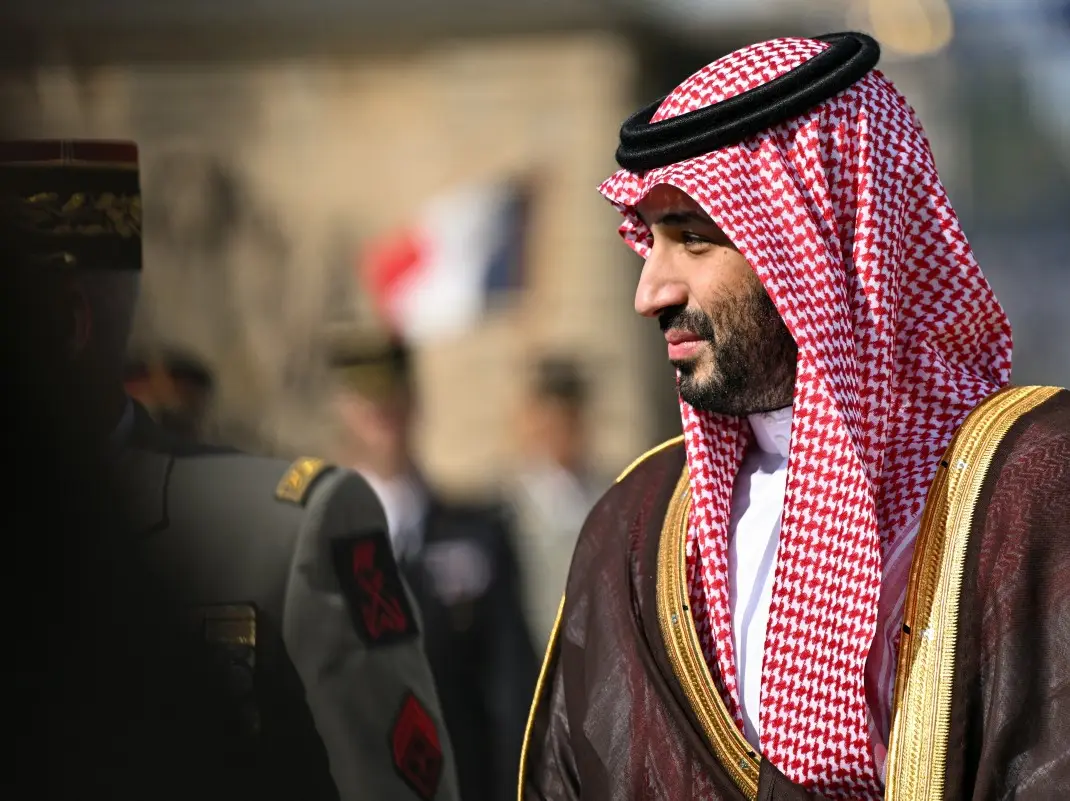)
Saudi Arabia exits China-led mBridge digital currency platform amid Saudi-Houthi conflict
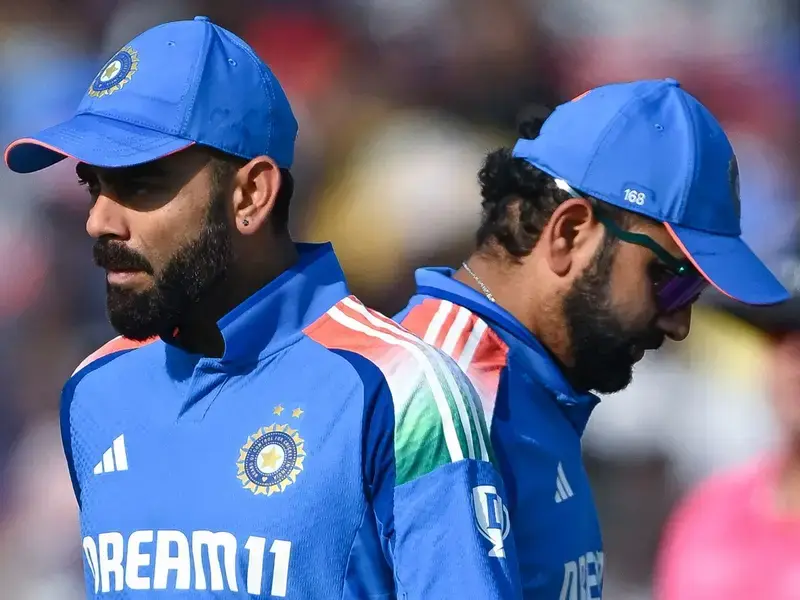)
'Lot of things to learn from experienced players': Jayasuriya backs Rohit, Virat for 2027 ODI World Cup
)
$110 billion Warner Bros merger: Paramount reaches settlement with 12 US states
&im=FitAndFill=(700,400))
New OTT releases this week (September 21-27, 2026): Shaque: Trust No One, Hunkkaar, Don’t Be Shy- 5 new titles coming to Netflix, Prime Video and more
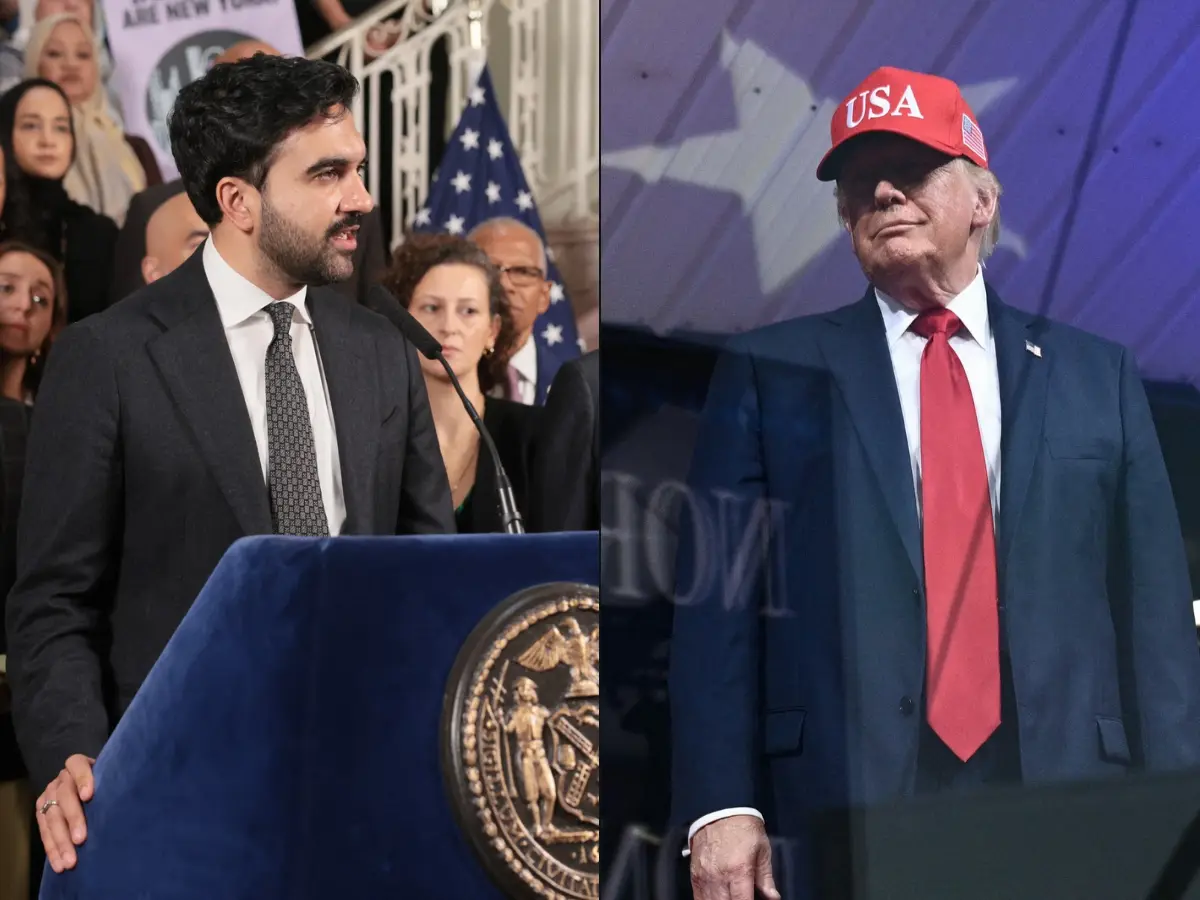)
From ‘communist’ to ‘great mayor’: Trump praises Mamdani after New York meeting, discusses immigration and housing
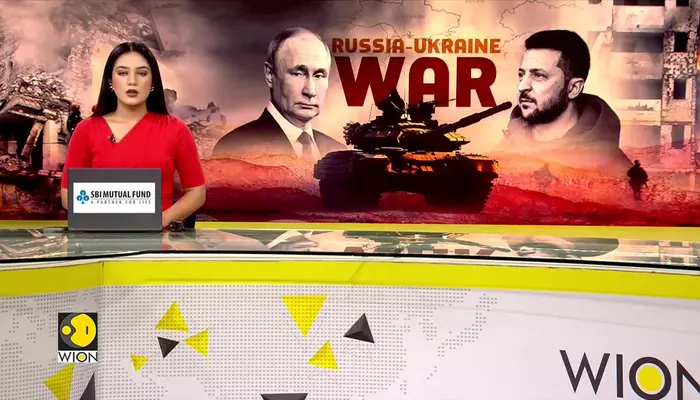)
Report: Zelensky meets CIA chief Ratcliffe at Shannon airport, weeks after his secret Moscow trip
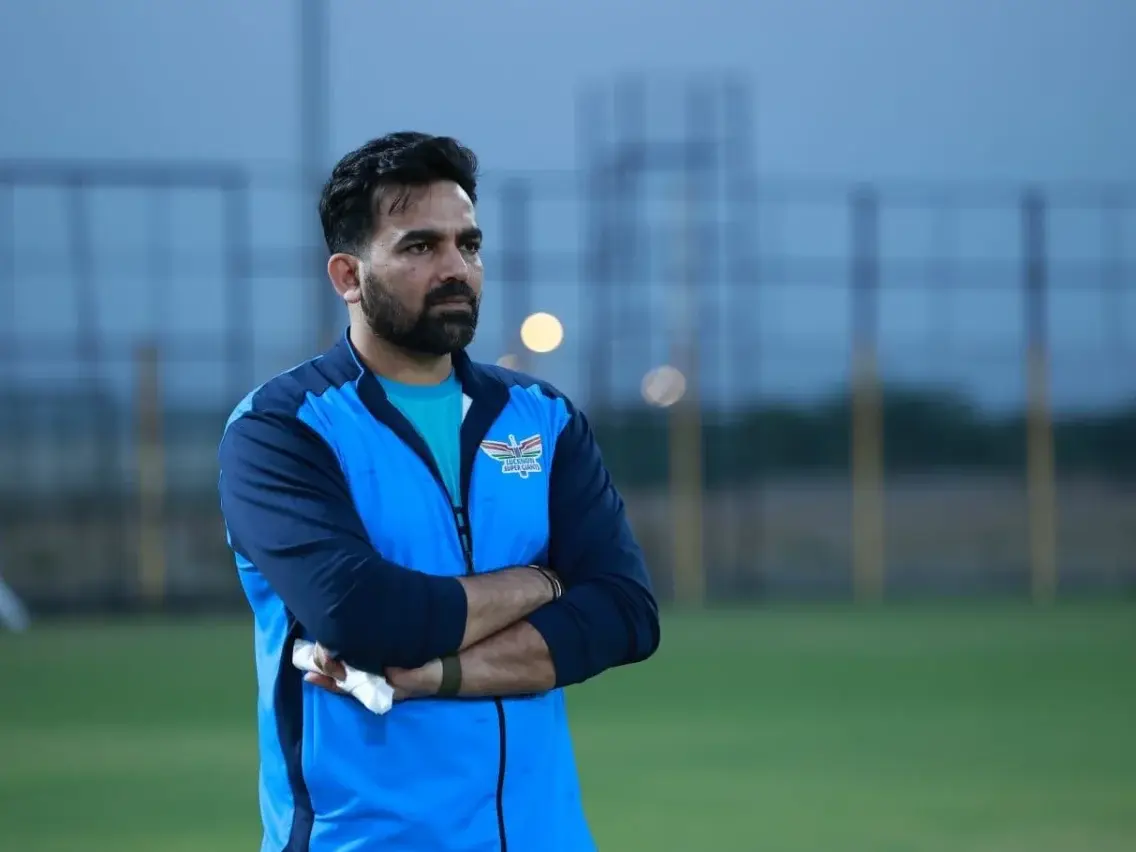)
How Zaheer Khan came to be CSK's head coach of IPL 2027
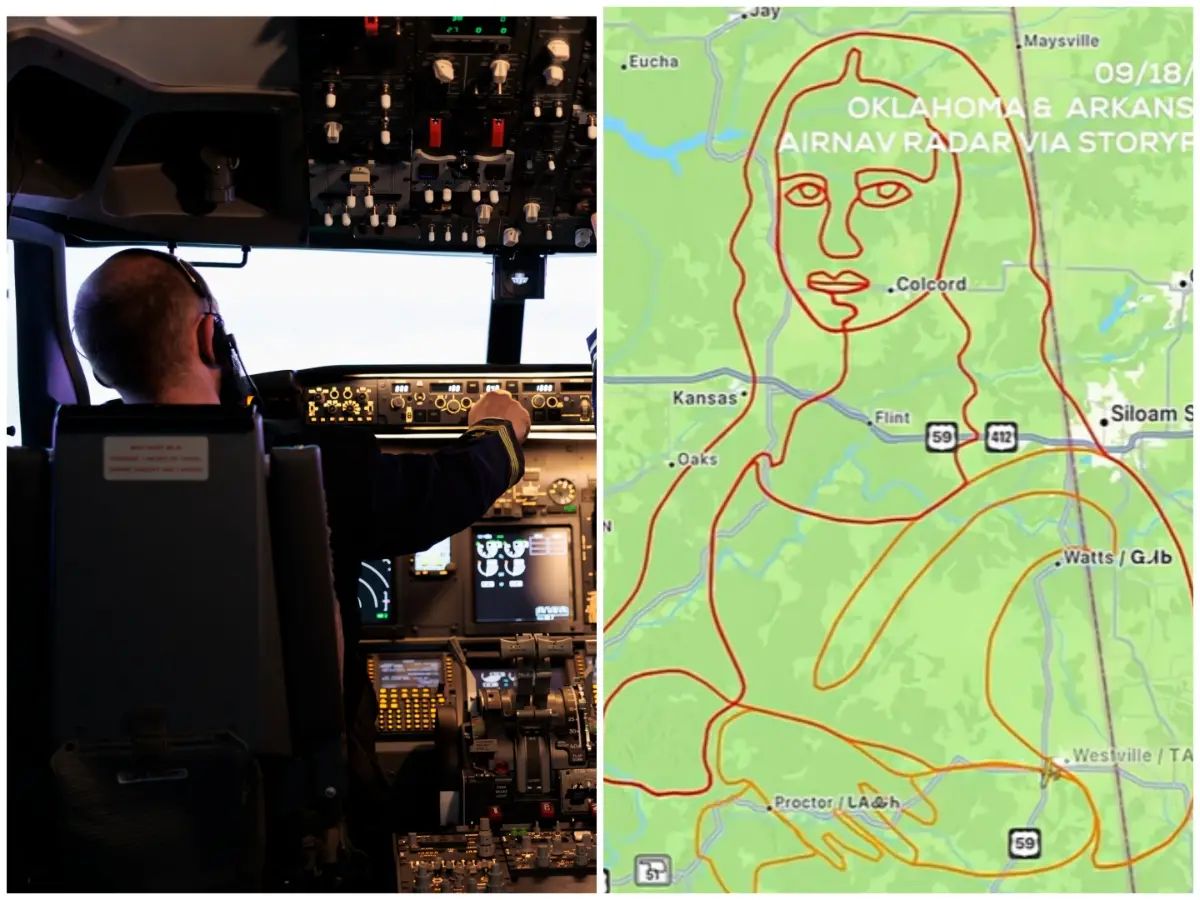)
Pilot recreates Mona Lisa in sky over Oklahoma and Arkansas in four-hour flight: VIDEO
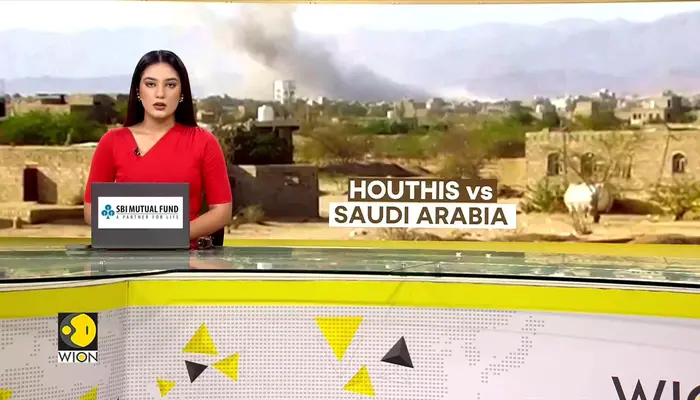)
UK PM Burnham agrees to 'defensive' military support for Saudi Arabia against Houthis
)
Jailer 2: Vidya Balan joins Rajinikanth's upcoming film as Kantha | Watch
)
Microsoft executive called AI training the ‘largest theft of labour in human history’
)
40-foot waves crash into cruise ship in dangerous stretch near Antarctica. Watch
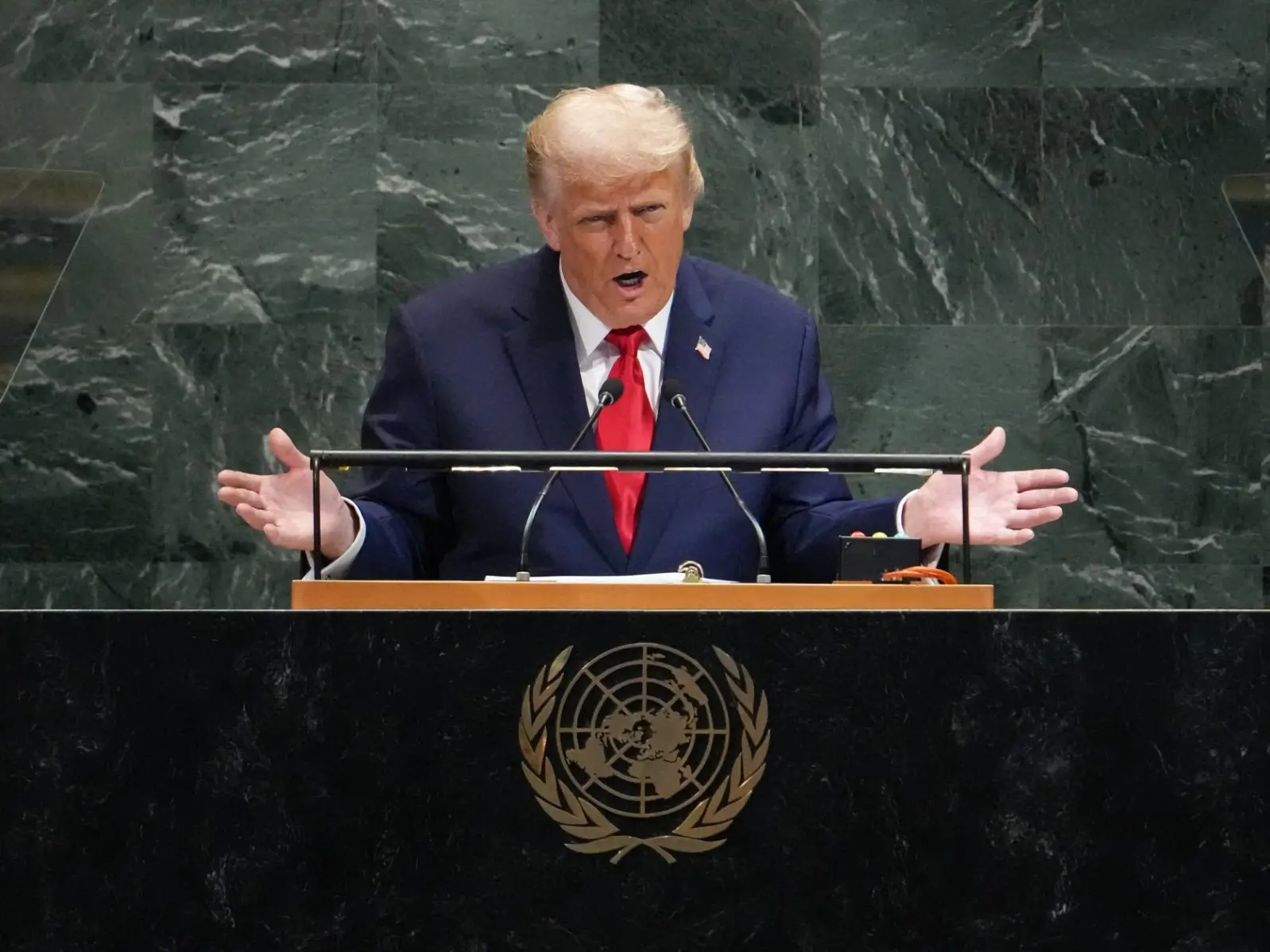)
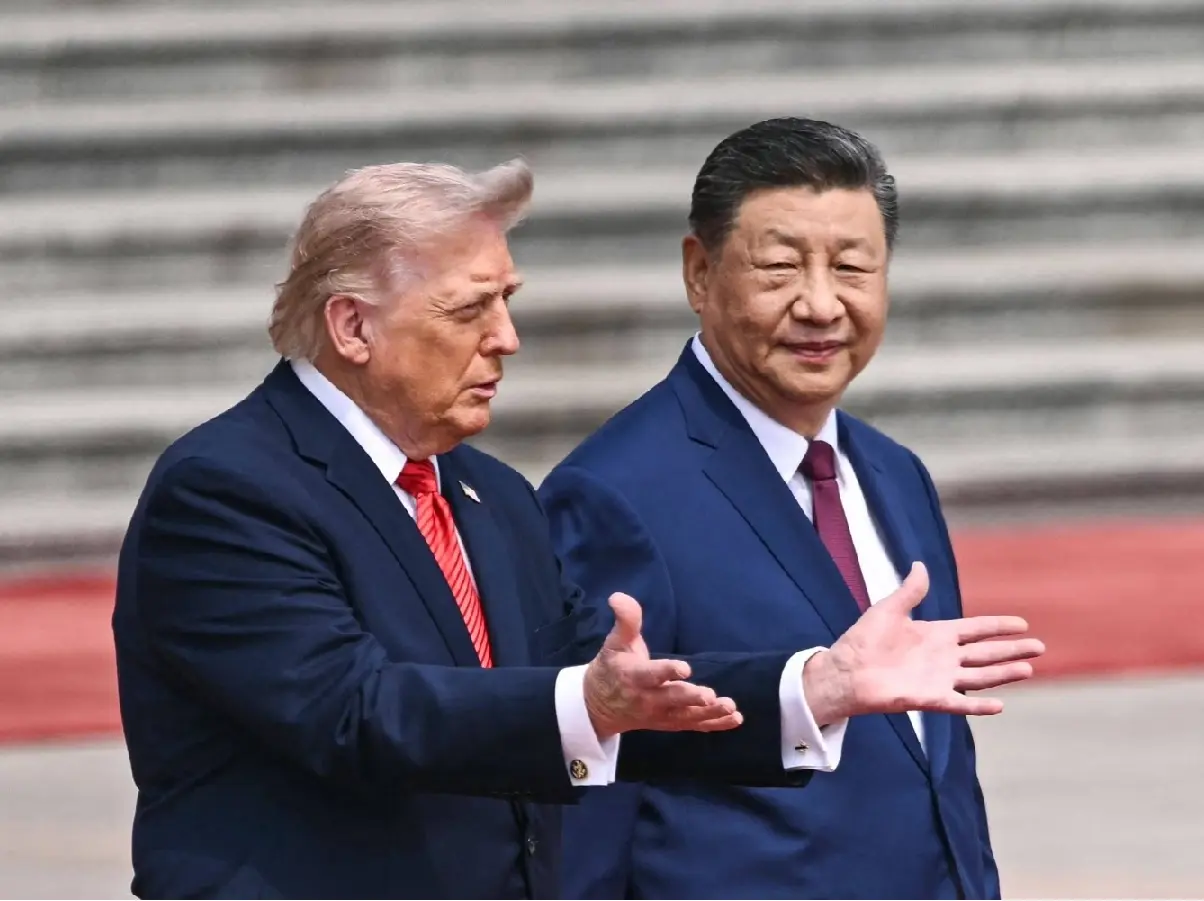
US-Iran war, peace deals and more: What to expect from Trump's UNGA 2026 speech
)
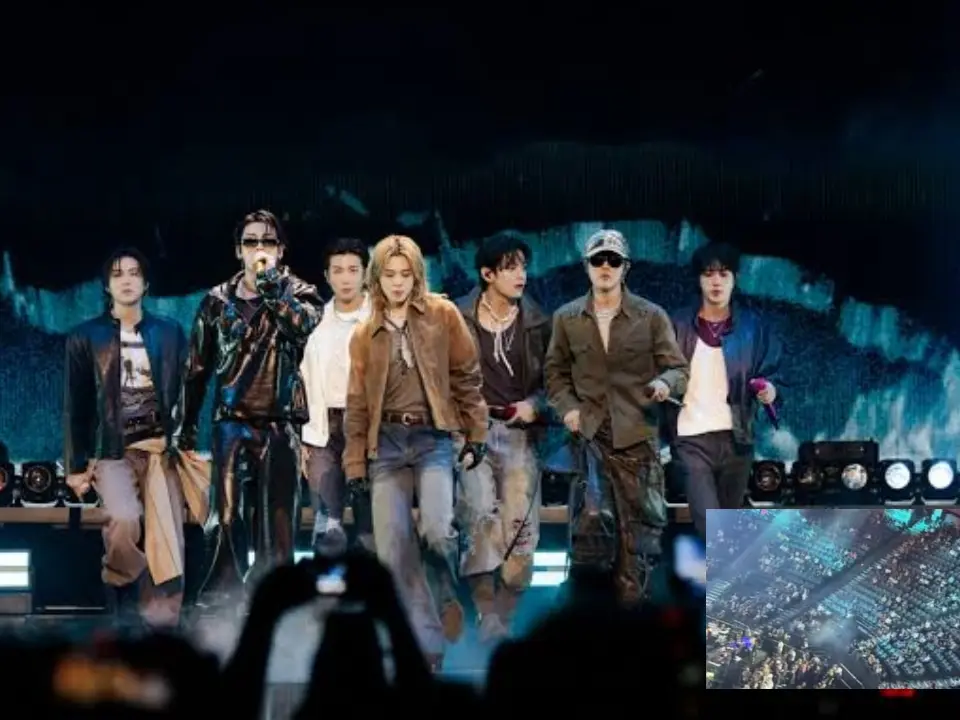
Explainer: Why rare-earth export licences and Board of Trade are US priorities ahead of Trump-Xi summit
)
BTS fans mock iHeartRadio’s day 2 turnout after short set controversy
)
Two infants die after fire breaks out at RIMS newborn care unit in Telangana's Adilabad
Also Read:‘Everything Everywhere All At Once’ movie review: This Michelle Yeoh-starrer is a cinematic miracle
Also in the police force is Lalli (Hiten Tejwani), who, we are told, has hated Jogi, once his pal, for years and is willing to let the entire community get murdered if his foe would also be among the casualties. The reason for Lalli’s vendetta against his former friend is revealed in a flashback that is ludicurously out of place. Lalli is also given a redemption of sorts. He is not the anti-hero the film thinks he is.
'Jogi' is at its strongest when its focus is on the pogromand its immediate impact. Whenever it goes too deep into the characters and their (badly written to boot) backstories, it loses focus. Personal stories surely have a place in overarching narratives. They give a certain flavour and intimacy to horrific events such as this. But those massacres were just not acts of revenge (and assuredly not for personal revenge). They were carefully orchestrated by politicians and targetted a single community with surgical precision.
Watch 'Jogi' only if you are a fan of Dosanjh, who is really in top form here, doing his best with the material he is saddled with. Mishra is also effective in a stereotypical role of a politician who sees the murders and rapes as a means to proceed to higher echelons of the party. Zeeshan Ayyub is also reliably good, but an actor of his calibre deserves characters with more depth than that.
'Jogi' is streaming on Netflix.