Evolution of celebrity rights and the way forward


Celebrity rights and media
Celebrity culture is ever-growing – increased accessibility to celebrities with the growth and popularity of new modes of communication and digital media has made it easier for people to use a public figure’s personal attributes for their own use. It was only a matter of time till this led to unauthorized commercial exploitation of a celebrity’s personality rights. From Gautam Gambhir suing a restaurant, to dolls resembling Daler Mehndi being sold in the market, to taxi drivers embellishing their vehicles with posters of Bollywood actors; the violation of personality rights can be witnessed on different scales and platforms simultaneously.
Prior to delving into the future of celebrity rights, it is first important to understand what it is. The understanding of personality rights in India can find its roots in the development of common laws or classic natural law that established personality rights as an inalienable right. It refers to a bundle of rights largely comprising of the right to publicity, the right to keep one's image and likeness from being commercially exploited without permission or contractual compensation, and the right to privacy, the right to be left alone and not have one's personality represented publicly without permission. These rights flow from Article 19 and 21 of the Constitution of India.
Elements from copyright law, trademark law, and advertising laws are also applicable. The Indian Copyright Act, 1957 codifies ‘Performers’ Rights’, and the Trademark Act, 1999 includes ‘name’ in its definition of a ‘mark’. The Advertising Standards Council of India (ASCI) in its Code of Self-Regulation has also recognised the likelihood of misappropriation and exploitation of well-known personalities in advertisements. It would be simple to understand personality rights as the rights of individuals to have control over the usage and commercialization of their persona in the form of their voice, signature, catchphrases, likeness, appearance, silhouette, feature, face, expression, gesture, mannerism, distinctive character, and any other facet of their personality.

Although there is no specific legislation concerning personality rights in India, courts have taken cognizance of personality rights in several judgements. In Shivaji Rao Gaikwad v. Varsha Productions, the court made an attempt to open the facets for the litigating parties aggrieved from the violation of personality right, and accordingly granted an injunction in favor of Rajinikanth for unauthorised use of his image. Several other public figures have successfully initiated action before courts for unlawful use of their image, likeness or other personality attributes, including Daler Mehndi, Barkha Dutt, Gautam Gambhir, amongst others.
However, the recent order passed by the Delhi High Court in favour of Amitabh Bachchan significantly propels the protection of personality rights in India forward. For the first time, Indian courts have passed an order protecting unauthorised exploitation of a celebrity’s personality from known and unknown defendants, i.e. a John Doe order. The scope of the order is extremely wide, operating against the world at large, thereby making it easier for celebrities to enforce their rights against any third party. This is especially useful against the unorganised sector, which has seen considerable growth in the past few years and where infringement runs rampant.
The order brings about a new dimension in the Indian intellectual property right regime, particularly in respect of personality rights. While it is not possible decode the total impact of the order, the development of the case must be closely monitored as it may set a new precedent and establish a cohesive legal framework for enforcement of celebrity rights.
)
Justice eludes Air India 1985 bombing victims as Canada probe goes 'inactive' | Gravitas
)
Trump revives India-Middle East-Europe economic corridor as India emerges central to West Asia’s future: What is it?
)
Erdogan again raises Kashmir issue at UNGA, calls for dialogue under UN Charter
)
The Verdict | Moral policing isn’t culture or discipline, it’s crime
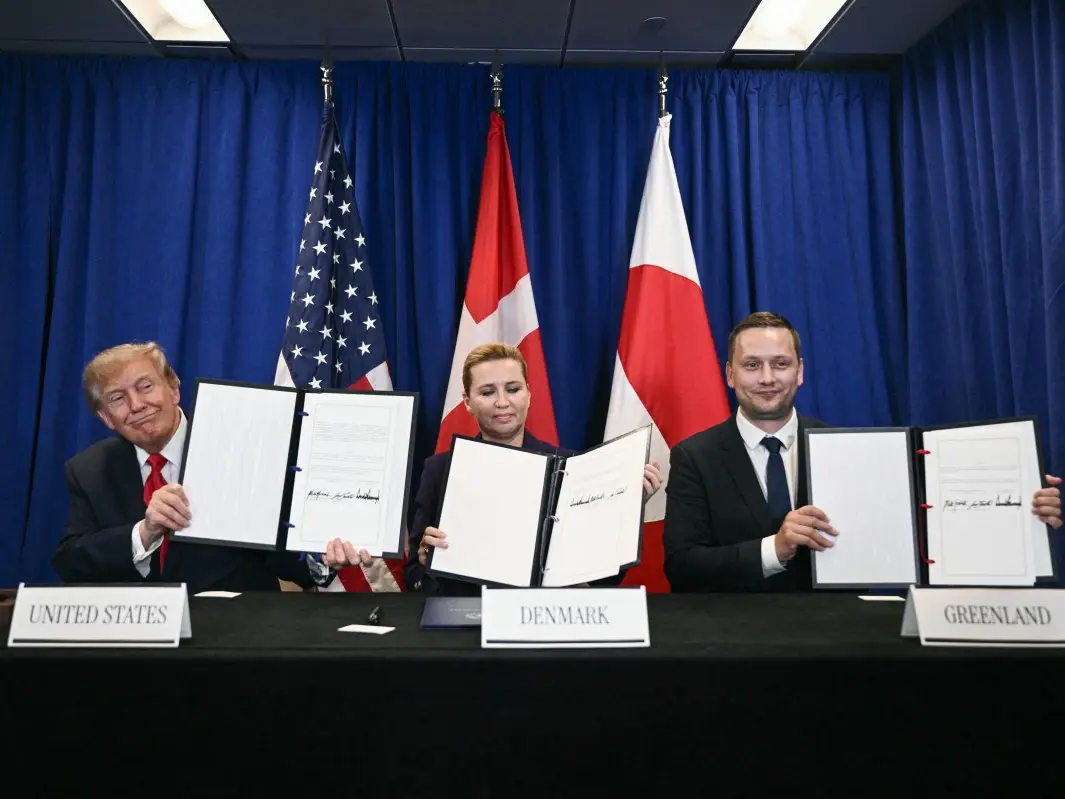)
Trump signs Greenland security deal with Denmark, paving way for two new US military bases
)
Major League Soccer referee sacked for sexist comment about female match referee
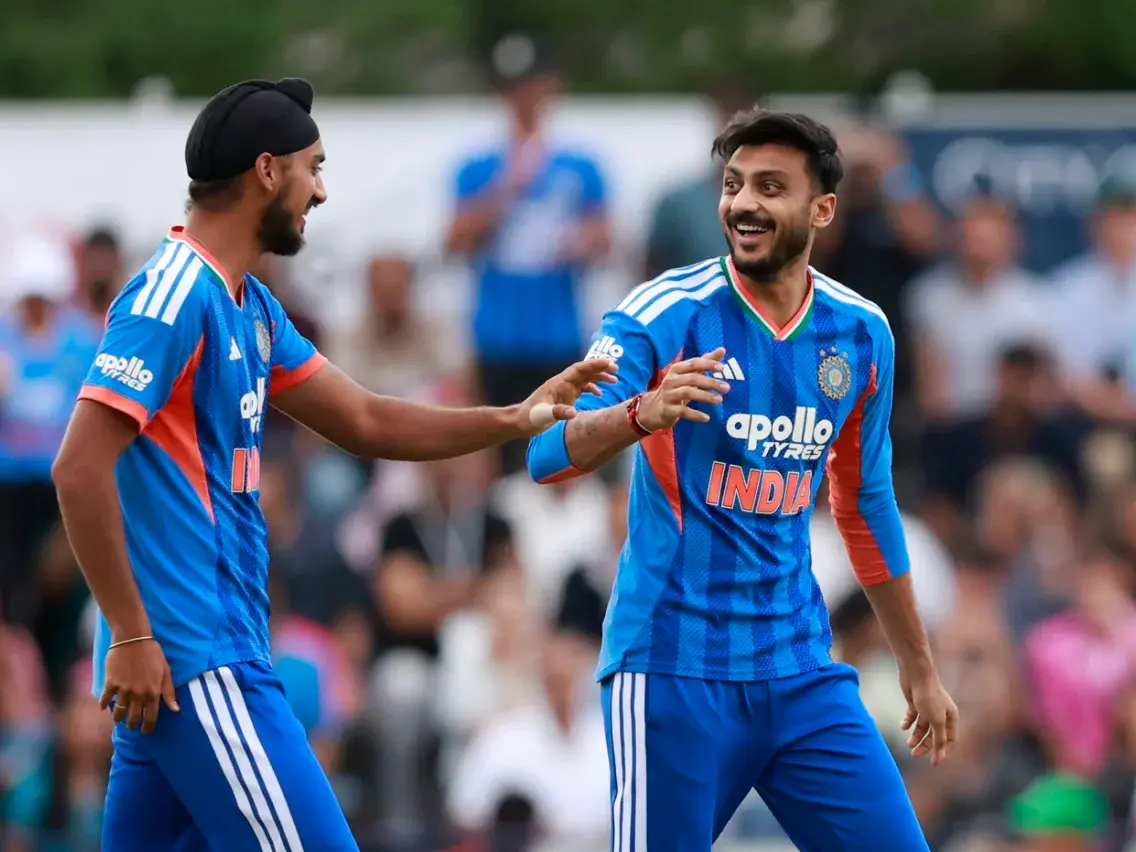)
IND vs JPN T20I: How an overturned wide became point of difference between India's win and a tie
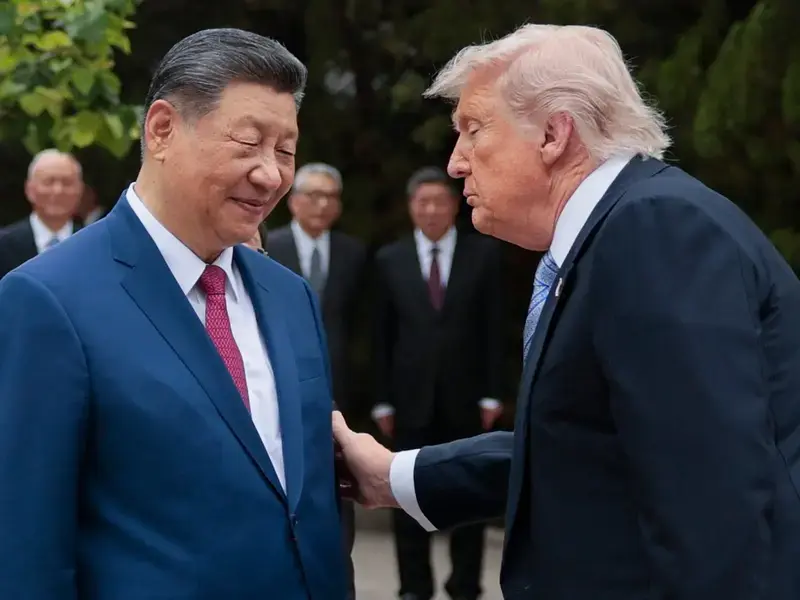)
Trump-Xi summit: From trade to Taiwan, what will the US and Chinese presidents discuss in Washington?
)
Cyclone Arnab: Landfall expected before midnight tomorrow as IMD issues orange alerts across six states
)
ICC plans T20I expansion and fewer ODIs in 2027–2031 FTP cycle: Report
)
'Mumma’s boy from Gwalior who dared to dream': Kartik Aaryan pens long note after first National Award win
)
Gravitas | Boosting NHS productivity could save 20,600 lives in UK annually: Report
)
US and China vie for AI dominance as calls grow for regulation | Gravitas
)
Yemen clashes kill 154 people in two days as cornered Saudi battles Houthi offensive | Gravitas
)
Bomb scare in New York amid UNGA: Suspicious suitcase found near UN headquarters
)
IND vs JPN, one-off T20I: Japan captain Kendel on pushing India to the brink - ‘It was special’
)
Raaka creates history! Allu Arjun’s film secures Guinness World Record ahead of release
)
Saudi Arabia exits China-led mBridge digital currency platform amid Saudi-Houthi conflict
)
WION Iconic Tourism Summit and Awards 2026: Key voices to discuss India’s tourism future
)
WION Iconic Tourism Summit and Iconic Awards 2026: India's travel economy leaders gather in Delhi
)
American manufacturing is reshoring faster than its factory floors can absorb
&im=FitAndFill=(700,400))
New OTT releases this week (September 21-27, 2026): Shaque: Trust No One, Hunkkaar, Don’t Be Shy- 5 new titles coming to Netflix, Prime Video and more
)
81st UN General Assembly: Burnham announces UK-US AI defence tie-up
)
Trump calls on nations to quit ‘rogue’ and ‘out-of-control’ International Criminal Court, rips UN
)
Who is Clavicular? The 20-year-old controversial 'Looksmaxxing' influencer charged with rape allegations
)
'What kind of confession is this?': Pakistan PM Shehbaz Sharif’s 'terrorists would be roaming New York' remark goes viral, raises alarm online. Watch
)
IIT Bombay professor Suryanarayana Doolla sent on leave amid Sahil Wakode death probe
)
'This is normally what toddlers do': Why a psychiatrist is raising fresh questions about Trump’s recent behaviour
&im=FitAndFill=(700,400))
National Film Awards 2026: Kartik Aaryan, Mammootty, Yami Gautam, Randeep Hooda and other key winners
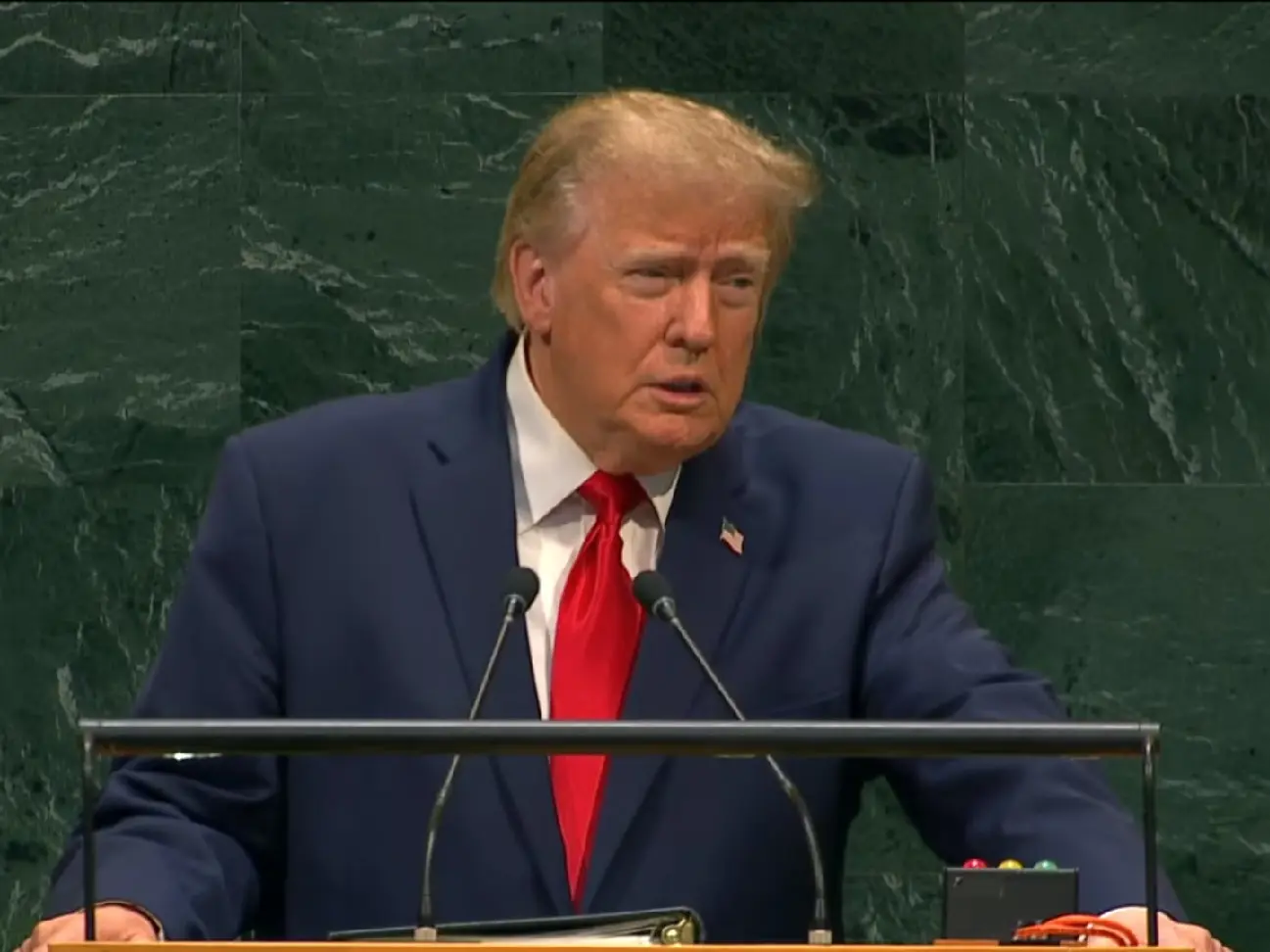)
‘Strike a deal or drive Iran into hell’: Trump issues fresh warning to Tehran at UNGA
)
Anne Hathaway to run in supporting race for Nolan's epic
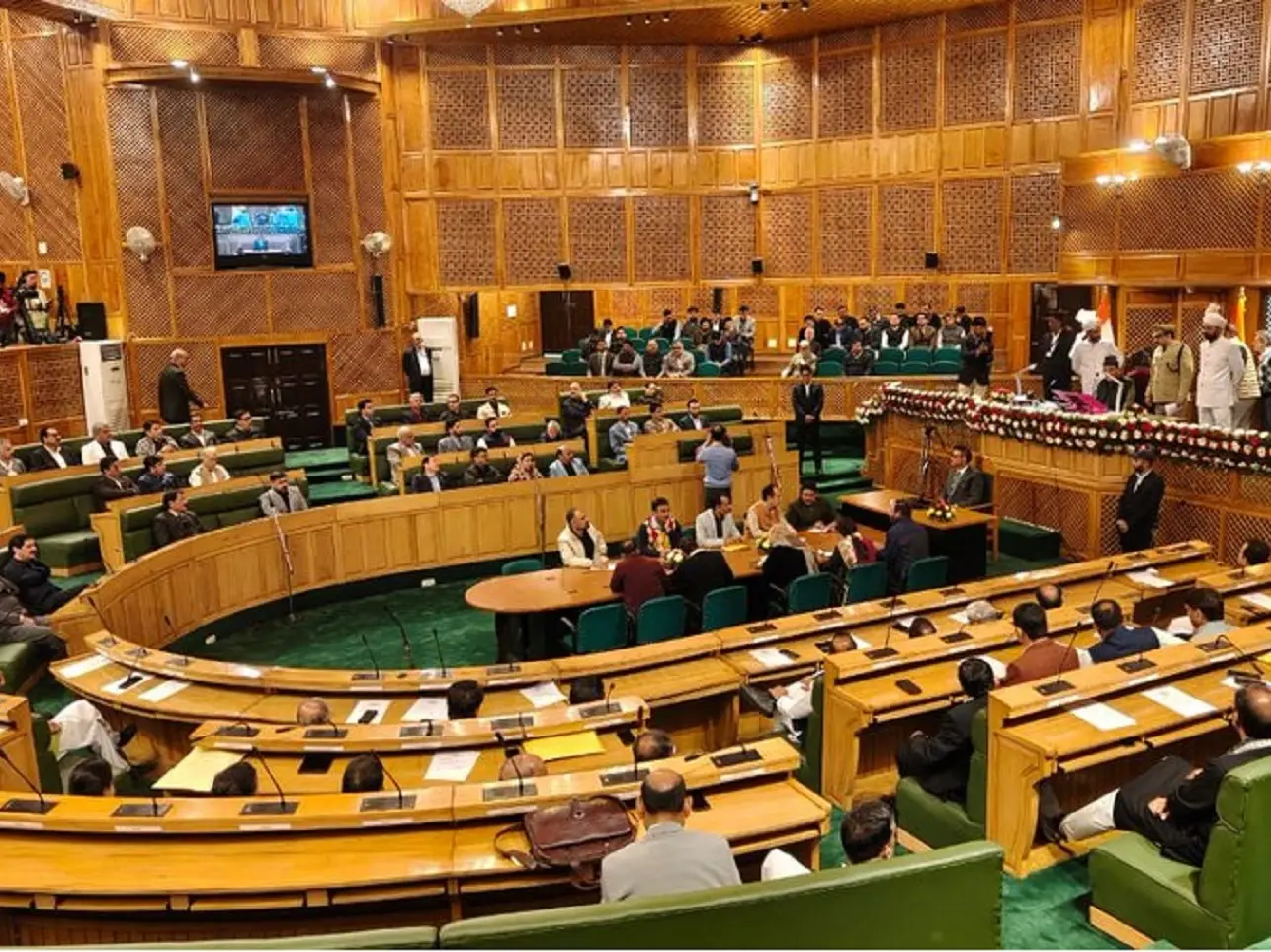)
Over 4,200 books withdrawn from circulation in J&K colleges, 94% from Kashmir
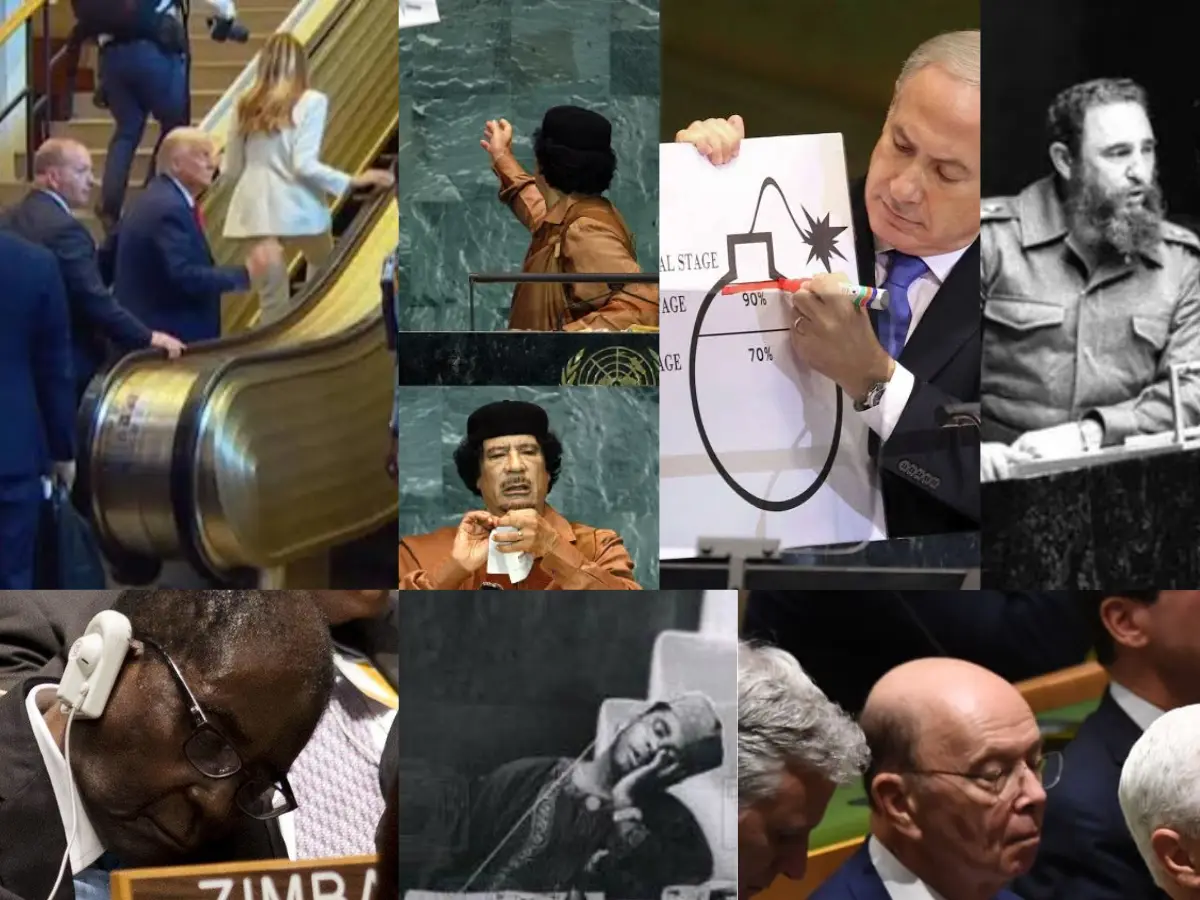)
From Gaddafi tearing up UN Charter to Trump’s ‘escalatorgate’: Most unforgettable UNGA moments
)
Explainer: Why rare-earth export licences and Board of Trade are US priorities ahead of Trump-Xi summit
)
Asia prepares for record El Nino, food shock
)
Oil slips to $98 as Saudi Arabia restarts East-West oil pipeline
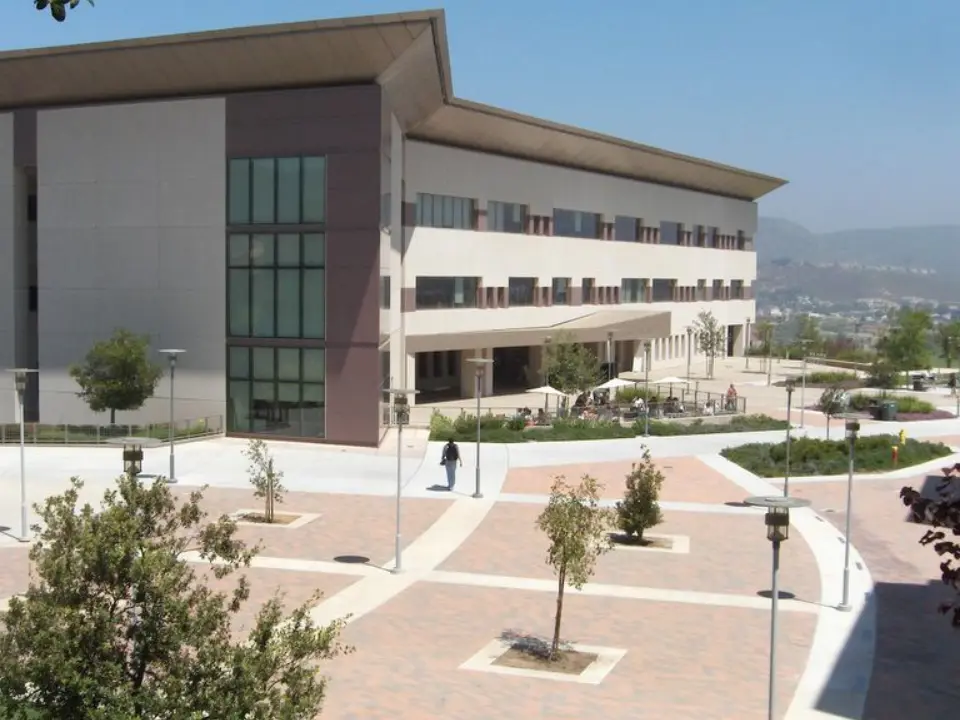)
Four female students raped during 'Red Zone' at California university. What we know
In the last few years, there have been more problems with people's personality rights being violated. A majority of the cases that have been brought before the courts include allegations of violations of personality rights committed by print and digital media, such as newspapers, magazines, TVs, and radio programs. Despite this, the advent of the digital age, the spread of technology, and the usage of social media platforms have further exacerbated the problem of protecting individual personality rights and made them more susceptible to abuse.
The nature of the action initiated by Amitabh Bachchan before the Delhi High Court, would be ideal for a celebrity to enforce their rights against unknown infringing parties. Such orders not only have a deterrent effect, but can also be punitive in nature, where actual costs, consequences and peril may lay against non-compliant parties. Notably, non-compliance would amount to contempt of court, which is an offence, and can result in civil and criminal liability.
Obtaining a John Doe order would only be beneficial for any celebrity keen on protecting their personality right, and preventing dilution of their image, reputation and goodwill that they have painstakingly built over several years.
(Disclaimer: The views of the writer do not represent the views of WION or ZMCL. Nor does WION or ZMCL endorse the views of the writer.)
You can now write for wionews.com and be a part of the community. Share your stories and opinions with us here.