Heeramandi, Gangubai Kathiawadi and more: Tracing Sanjay Leela Bhansali's love for grandeur in movies

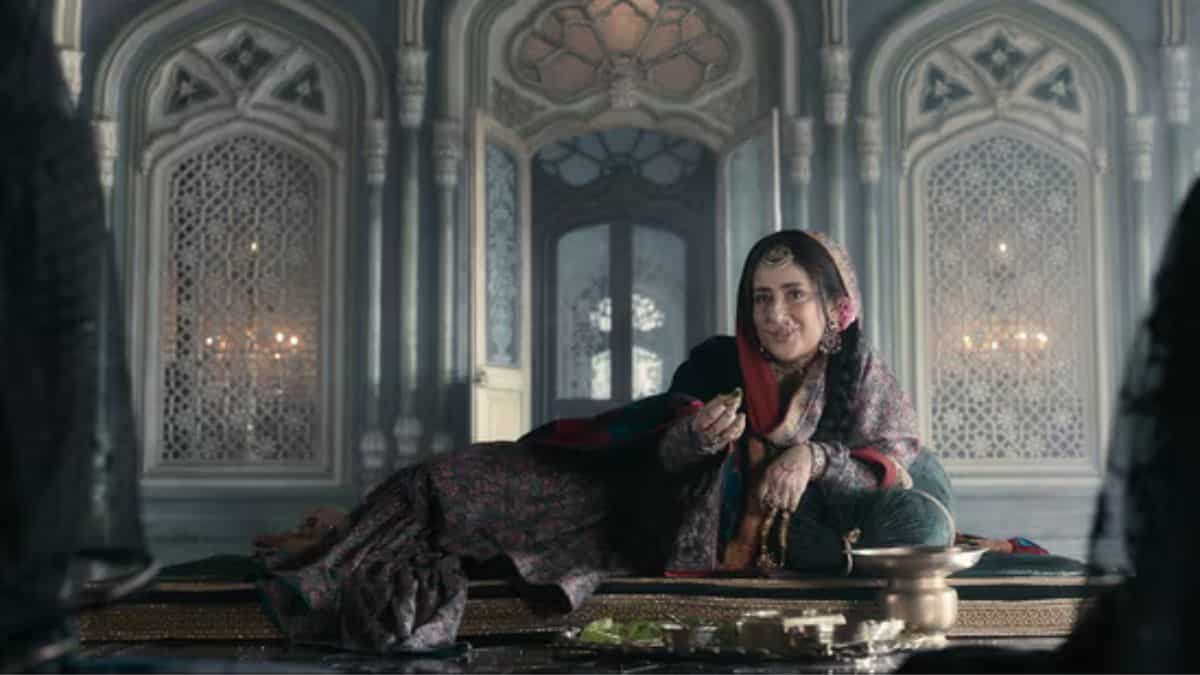
Heeramandi trailer
With the release of Heeramandi: The Diamond Bazaar, all eyes are on Sanjay Leela Bhansali's tale of love, liberation, betrayal and more. Currently streaming on Netflix, the series boasts of a women-led cast with the likes of Manisha Koirala, Aditi Rao Hydari, Richa Chadha, Sonakshi Sinha, Sanjeeda Shaikh and Sharmin Segal taking on the baton. While the show revolves around the rule of courtesans in British-ruled India, it is the signature beauty of its majestic sets that has left many speechless. With each scene designed to perfection, one can spot the attention to detail right from its characters' costumes, colours of the pillars, and carvings on the walls to the architectural designs of different landscapes throughout the series - from Mallikajaan'sShaahi Mahal to nawabs' palaces.

A few things play a pivotal role when it's about visual aesthetics of any cinematic piece - art direction, production design, costumes and cinematography, the 61-year-old director seems to take keen interest in all of those aspects, along with his respective teams. But this isn't the only project where Bhansali's focus on grandeur and magnanimity has taken the centre stage. The National Award-winning filmmaker's inclination towards larger-than-life sets perhaps stems from his obsession with space, as he explained in several interviews. When he was a child, Bhansali would often make up a parallel reality in his mind, where he would push out the walls of his family home to something larger. This vision is now a staple in most of his projects - whether it's helmed for the small screen or the big.
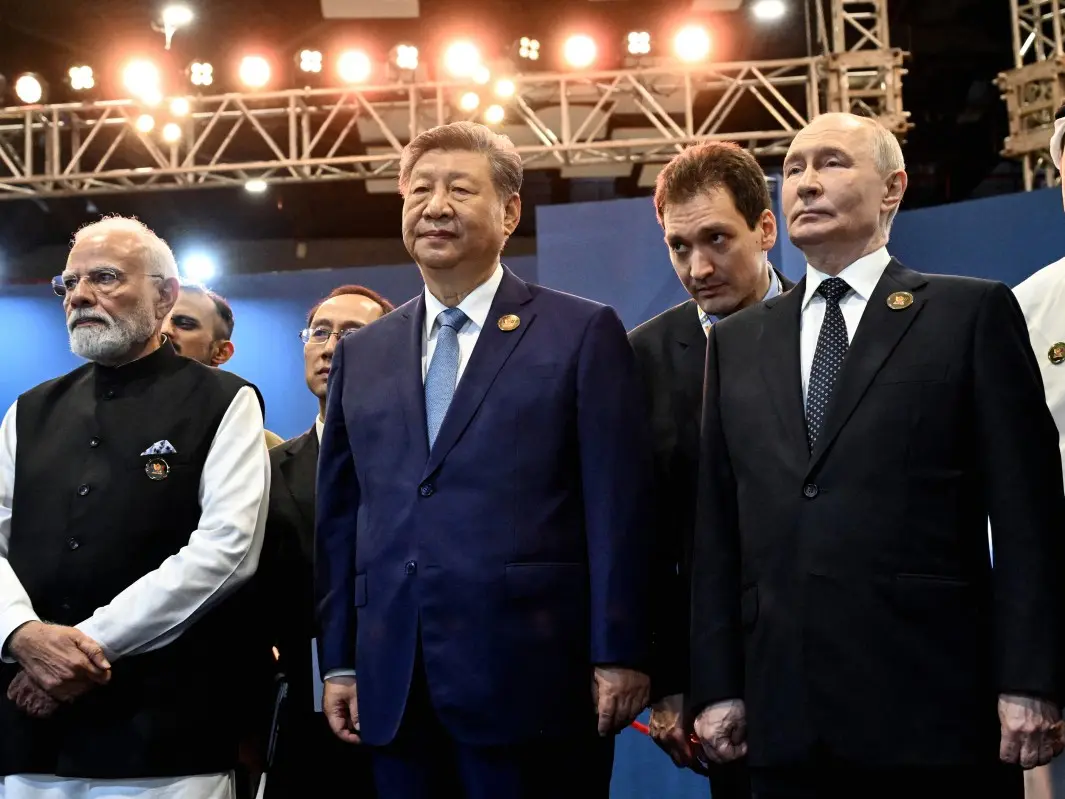)
Did India risk its US trade deal despite softer stance at BRICS?
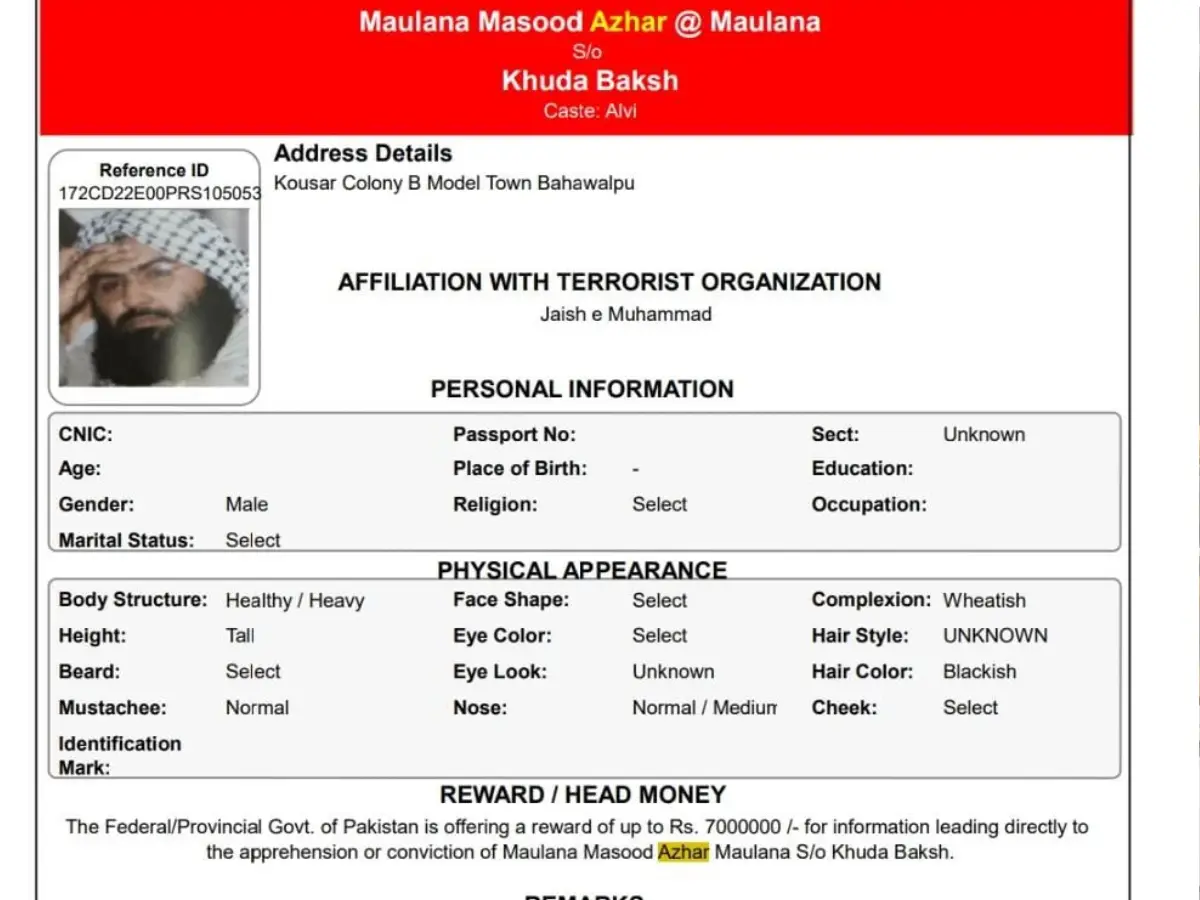)
Pakistan puts Pak Rs 70 lakh bounty on UN terrorist Masood Azhar; move draws skepticism in Delhi
)
First naval drone battle? Ukraine says Sargan 3000 sank Russian unmanned boat
)
Practical Magic 2 breaks Spidey spell over North American box office
)
'Huge destructive power': North Korea calls its latest missile launches 'live-fire drill' even as US dismisses 'immediate threat'
)
‘Let’s go’: Newly declassified videos show dramatic rescue of US Air Force officers downed in Iran
)
Ganesh Chaturthi 2026: Devotees throng the iconic Lalbaugcha Raja pandal in Mumbai
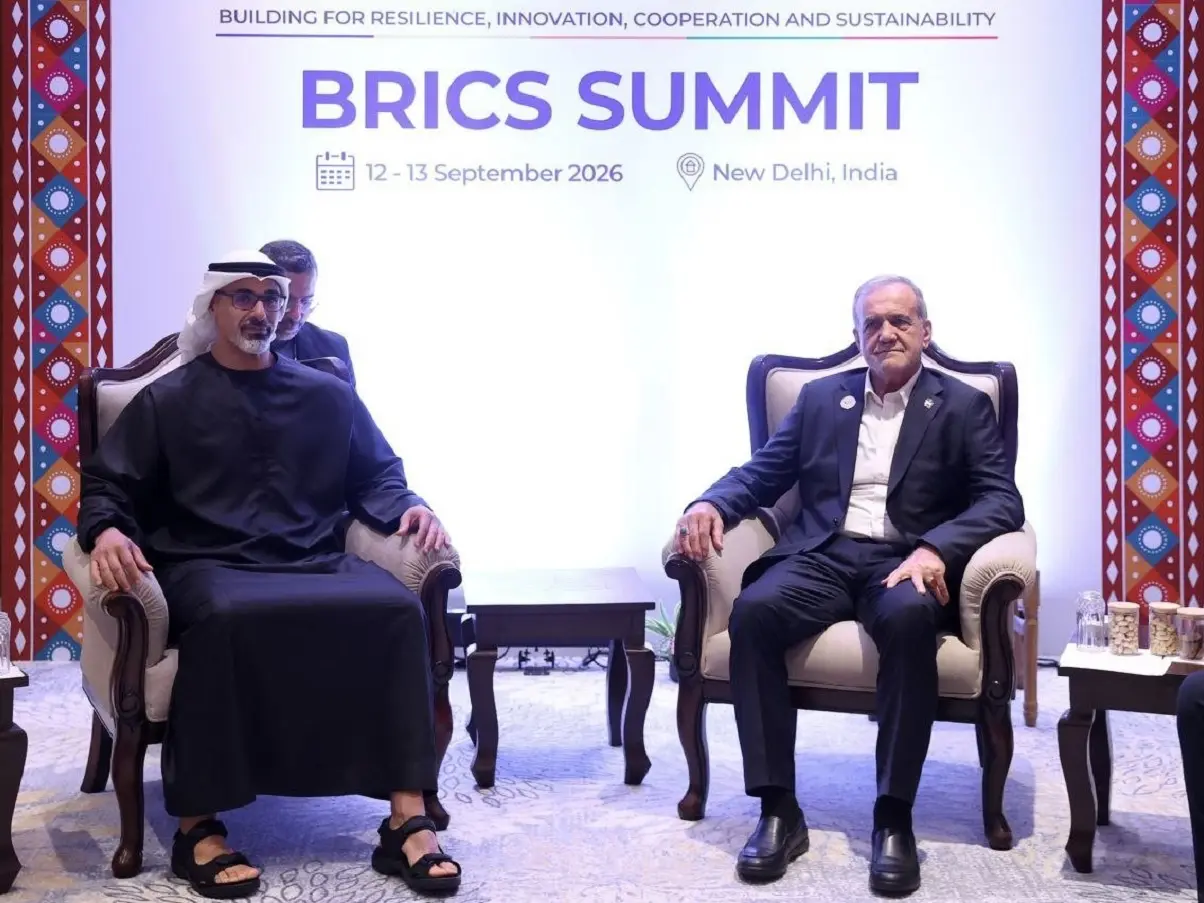)
Delhi’s balancing act: BRICS serves as a stage for West Asia diplomacy
&im=FitAndFill=(700,400))
Why European Meteor missiles use ramjet engines compared to standard US solid rockets
)
Iran, India agree to deepen humanitarian and political ties, President Pezeshkian says
)
‘Want to reset ties with India, have engagement based on mutual interests,’ says Bangladesh minister
)
Trump says Canada eager to reach a deal, it could come ‘fairly soon’ if Ottawa treats US farmers better
)
Turkish Airlines plane flies through a storm three times, triggering severe turbulence
&im=FitAndFill=(700,400))
Why Chinese PL-15 air-to-air missiles use dual-pulse motors compared to European interceptors
)
Orlando Bloom addresses Pirates of the Caribbean comeback and reunion with Johnny Depp
)
China thinned Himalayan troop presence in 2025, India defence report says; terms border situation 'stable'
)
Russia proposes to build 360 kmph Ivolga FG trains in India: What happened on sidelines of BRICS
)
800 million years old - Scientists discover 'fingerprints' of supercontinent Gondwana in ancient rocks
)
Israeli minister calls to strip Gaza film directors of citizenship
)
'Nobody knows if it can be in control': ‘Godfather’ of AI, China spy chief back AI slowdown calls, flags political threat
)
China discovers vast gold and silver 'mine' in the Pacific with unheard-of deposits
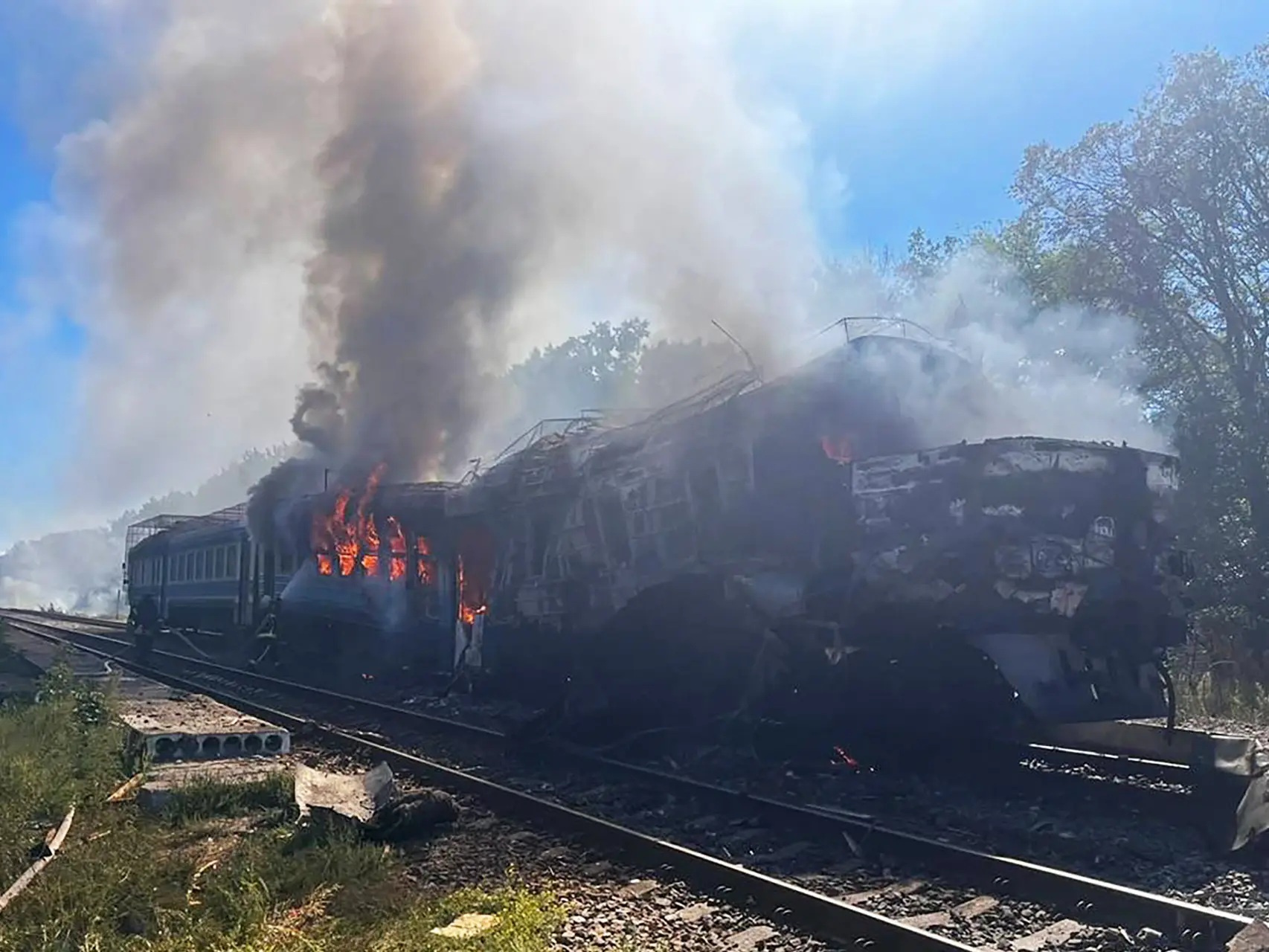)
Russian drone hits Warsaw-bound train near Polish border, Zelensky accuses Moscow of ‘deliberate’ targeting
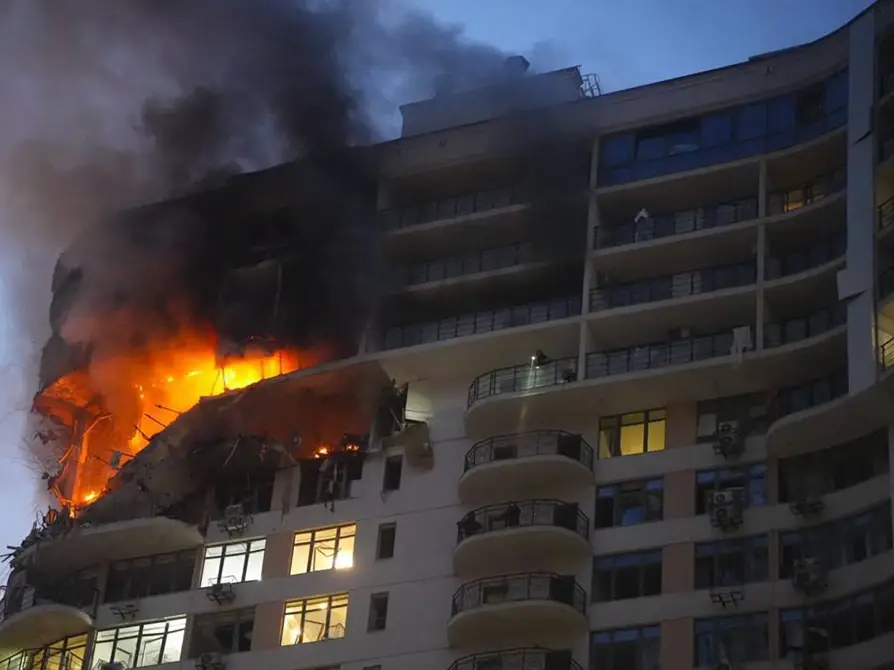)
War is making Russia stronger? How Ukraine is shaping Moscow’s next generation of weapons
)
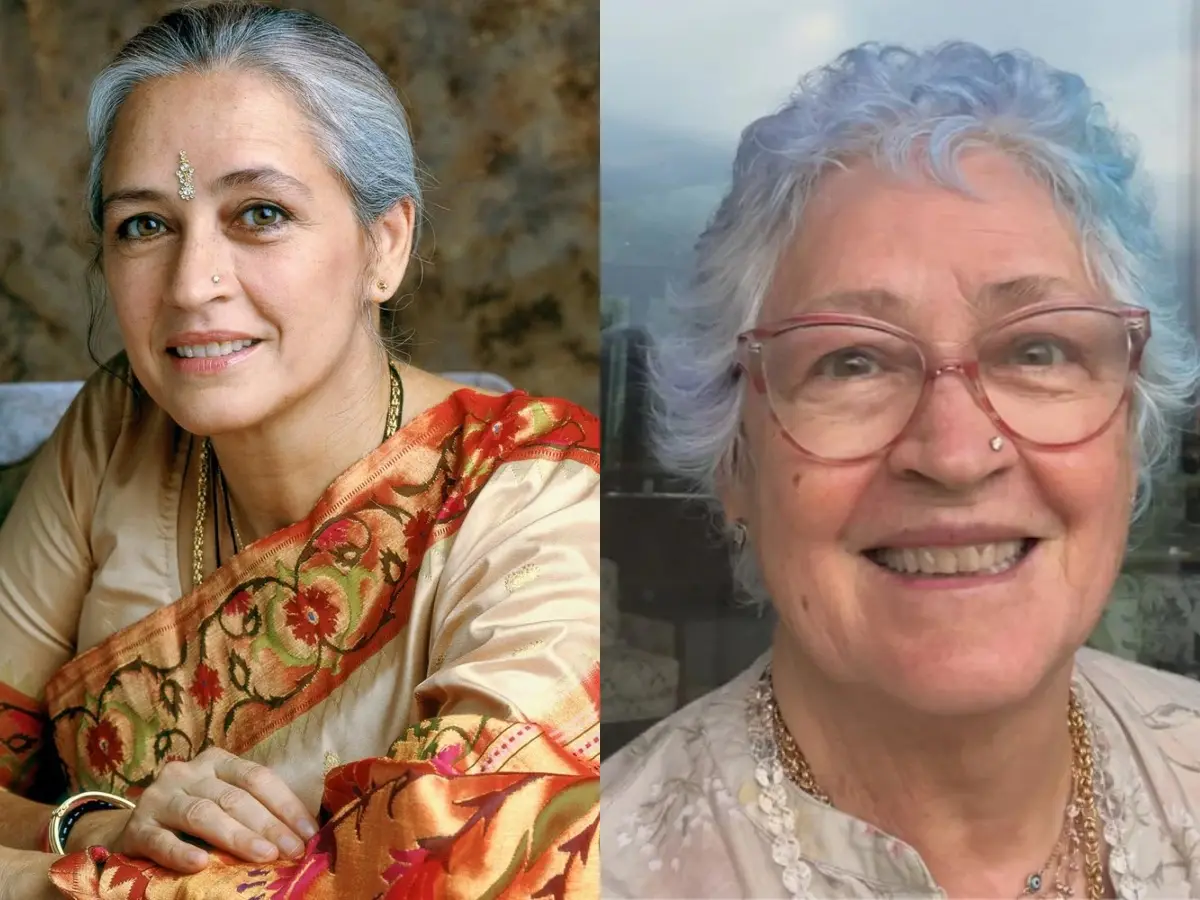
Plane carrying prominent figure crashes at Libya’s Misrata airport: Report
)
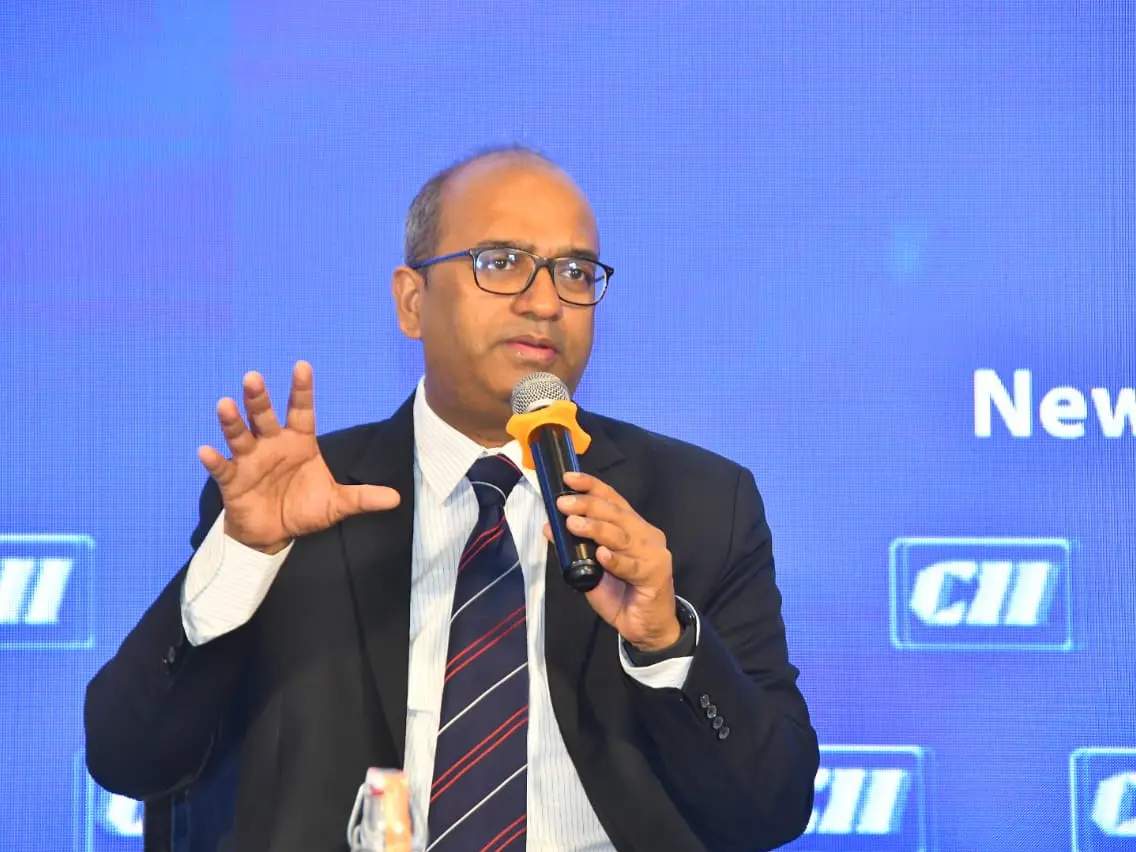
Veteran Bollywood actress Nafisa Ali shares health update as Stage 4 cancer progresses, starts targeted therapy
)
NEET-UG to move to computer-based test soon, NTA DG says ‘CBT is the future’
)
Woman removes all her clothes on American Airlines flight, performs 'indecent acts'; arrested
)
Liam Neeson sparks romance rumours after holding hands with Stella Stocker at TIFF 2026
&im=FitAndFill=(700,400))
New OTT releases this week (September 14-20, 2026): Lust Stories 3, Waiting Hai, Irumudi- 5 new titles coming on Netflix, Prime Video and more
)
Indian importers urge Bangladesh to lift export ban on 'Hilsa' fish ahead of Durga Puja
)
Video of Pakistani lawmaker struggling to read English tribute to Jinnah goes viral - WATCH
)
Did China give Iran intel before US base strike that killed 3 troops? Trump says, 'You’re right...'
)
Women's Asia Cup 2026: India denied trophy once again despite winning the title
)
Humans may lose control of AI: Anthropic CEO calls for slowdown, Altman, Musk back him
Heeramandi review: Sanjay Leela Bhansali delivers a riveting story in a familiar set up
In the 2022 film Gangubai Kathiawadi, the storyteller brought to screen Mumbai's infamous red-light district Kamathipura. Among several other things, which also included the use of different hues of white in textiles, his love for intricacies also reflected in how he created a time-lapse of sorts with the depiction of movie posters on the walls of theatres on the sets. Whether it was about the curtains chosen for the brothels or wall paintings and texturing, the team was extra cautious to reflect the Kamathipura of the 1950s-60s and the changing time.
More glimpses of Bhansali's aesthetically sound mind were seen in Padmaavat where two different worlds come together seamlessly - the pristine royal palace of Chittor and the rustic world of Alauddin Khilji. The controversial jauhar scene featuring Deepika Padukone might have become a topic of discussion for the wrong reasons, but one can't deny that it also emerged as one of the better scenes crafted and shot in Indian cinema.
InBajirao Mastani, among the many highlights was Shahi Darbar with its towering pillars and flowing water streams adorned with lotuses. From Villa Kashi to Aina Mahal and Kachehri court, the opulence was a common thread stitching different pieces of the movie together. Shot in Gujarat, Rajasthan and Mumbai, the sets of 2013 movie Goliyon Ki Rasleela Ram-Leela smoothly changed from rustic to classic with the progression of the story.
But while period dramas seem to be the master storyteller's passion, Bhansali has also put his visionary weight behind other movies including Guzaarishand Saawariya, which might not have worked as well at the box office, but doled out several filmmaking lessons for aspiring cinema enthusiasts.
Turning a spotlight on Portuguese culture in Goa, Guzaarish was shot in Villa Mascarehnas which was a typical Portuguese mansion resembling a church. Even in the scenes that were shot inside the villa, the team managed to add a graceful element of space and how. As for Saawariya, one can't possibly forget the blues of the imaginary city complete with lake, streets, shops and a clock tower.
Transporting viewers to a fantasy world seems second nature to the director, who often treats his sets like characters, which was also evident in his 2005 movie Blackwhich was largely shot in Shimla. Films like Devdaswere telling of Bhansali's strong sense of aesthetics and vision much before it became a mark of his filmmaking. The story was a recreation of Sarat Chandra Chattopadhyay's 1917 novel of the same name, but the splendour only magnified emotions of every character - whether it was Dev, Paro or Chandramukhi.
When helming the 1999 film Hum Dil De Chuke Sanam, the director was certain that the movie was to be set in Gujarat to get the flavour of the region. Among the many highlights of the movie, including the carefully chosen colour schemes for each of its character, was the kite-flying scene that certainly lives rent-free in the minds of viewers even today.
Away from the signature Bhansali markers of a movie was his directorial debut Khamoshi: The Musical.Unlike the big-budget numbers the director is now known for, the 1996 movie featuring Manisha Koirala, Salman Khan and Nana Patekar stands testimony to the director's understanding of lens and music. Time has been kind to the story of Annie Braganza and her differently-abled parents, and to date, cine-goers consider it to be one of his best works.
