India’s digital battlefield: Can India build its own military network?

&imwidth=600&imheight=450&format=webp&quality=medium "India’s digital battlefield: Can India build its own military network?")
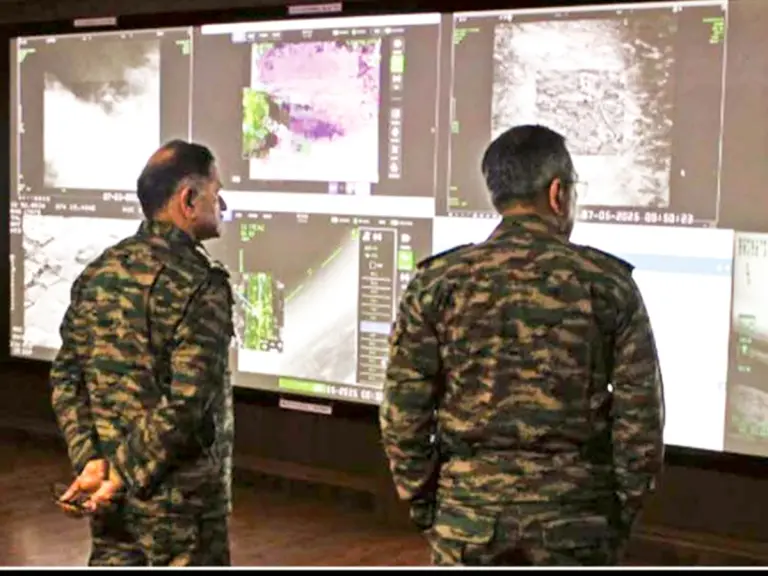
India is meticulously building its digital infrastructure towards data-driven warfare. Photograph: (Credit: ANI)
As modern warfare shifts to data-driven battlefields, India is investing heavily in indigenous tactical communication networks, software-defined radios, and cyber-resilient command systems to secure its armed forces.
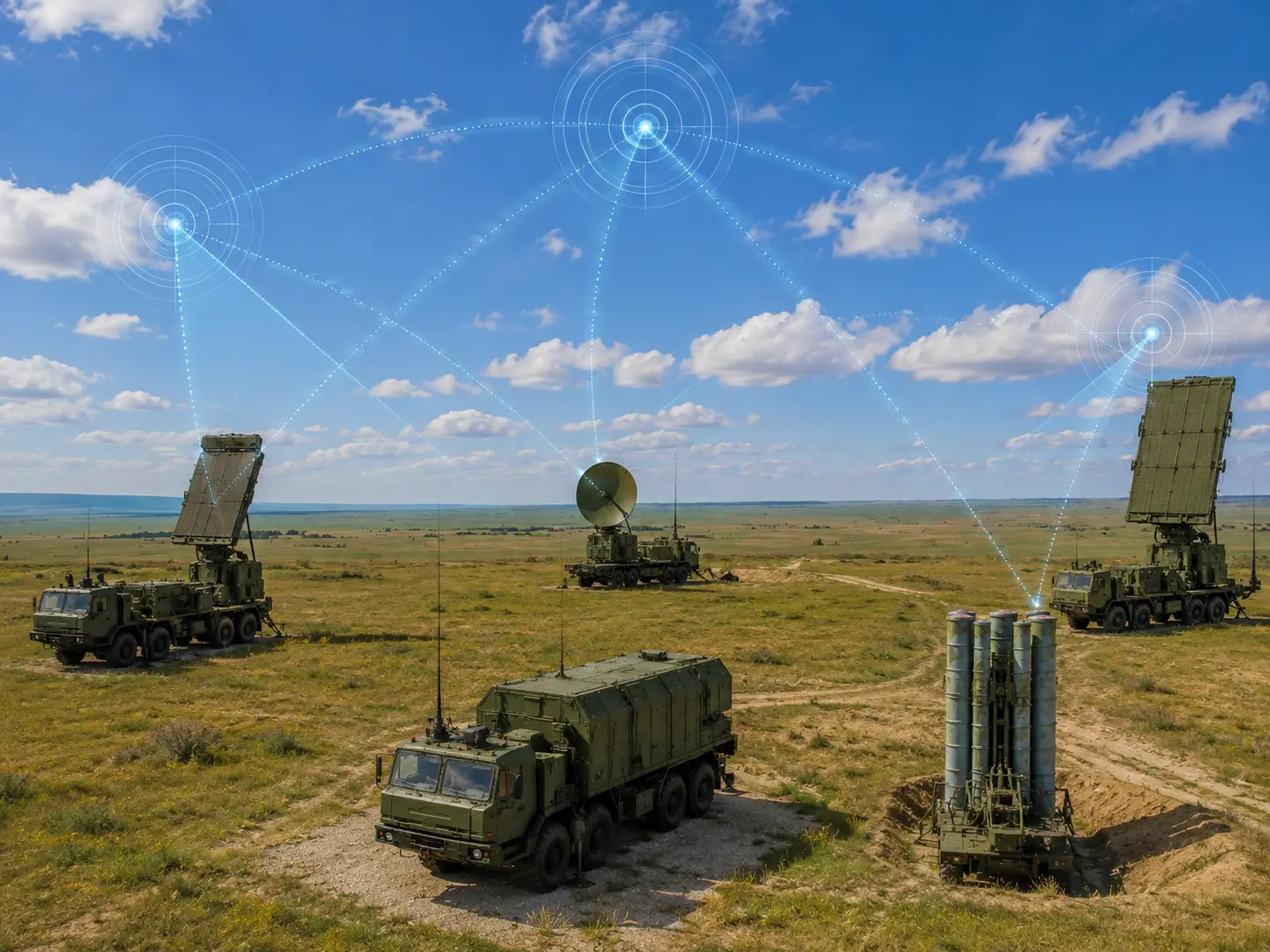
Modern warfare is no longer determined by firepower alone. The ability to connect sensors, soldiers, drones, radars, weapons, and command centres in real time is increasingly becoming as important as the weapons themselves. India is building this digital architecture as its armed forces move towards network-centric and data-driven warfare.
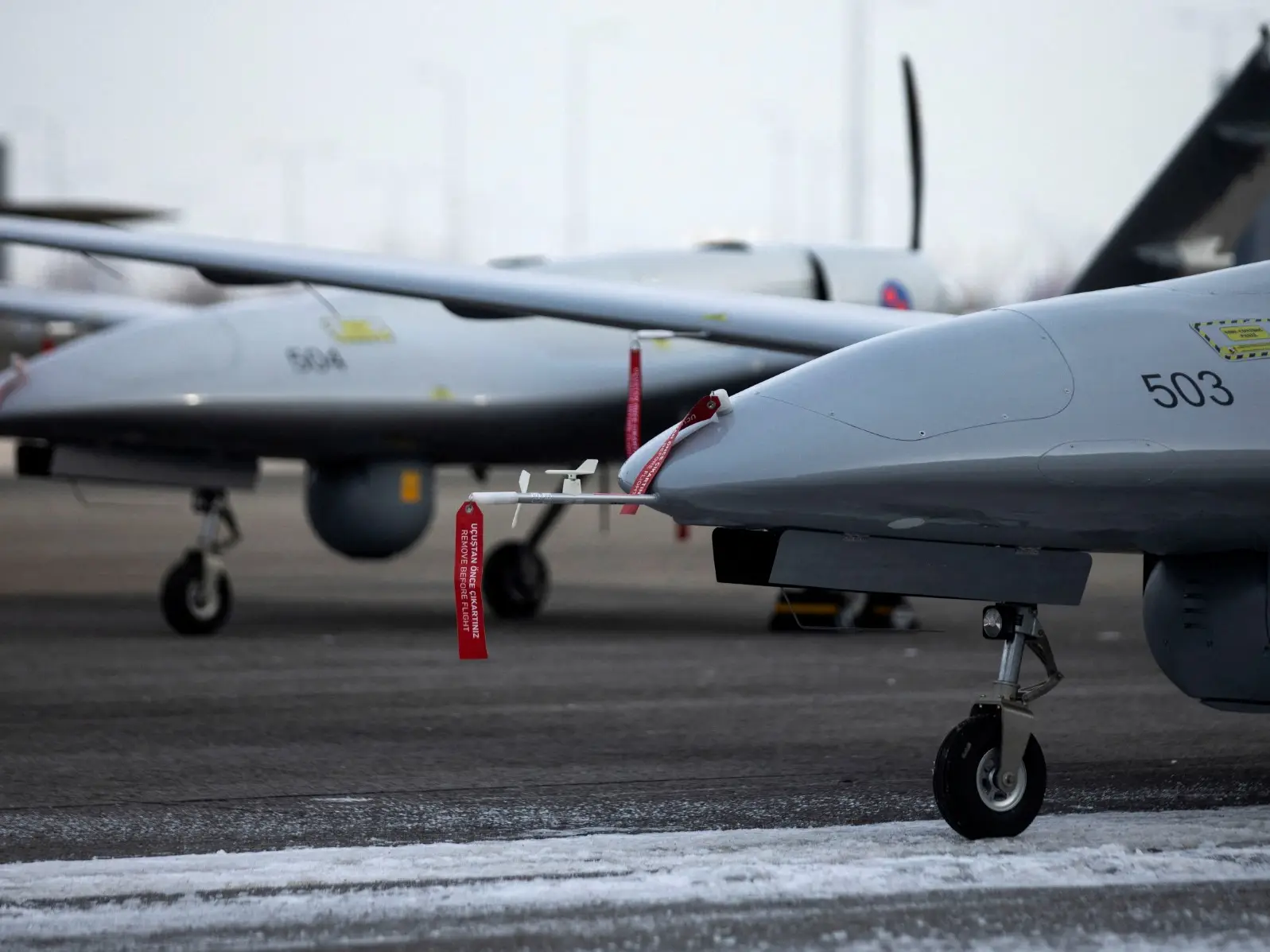
The concept is straightforward. A drone or radar detects a threat, information is transmitted to a command centre, a decision is made and the appropriate weapon is assigned. The objective is to compress the entire sensor-to-shooter cycle from minutes to seconds.
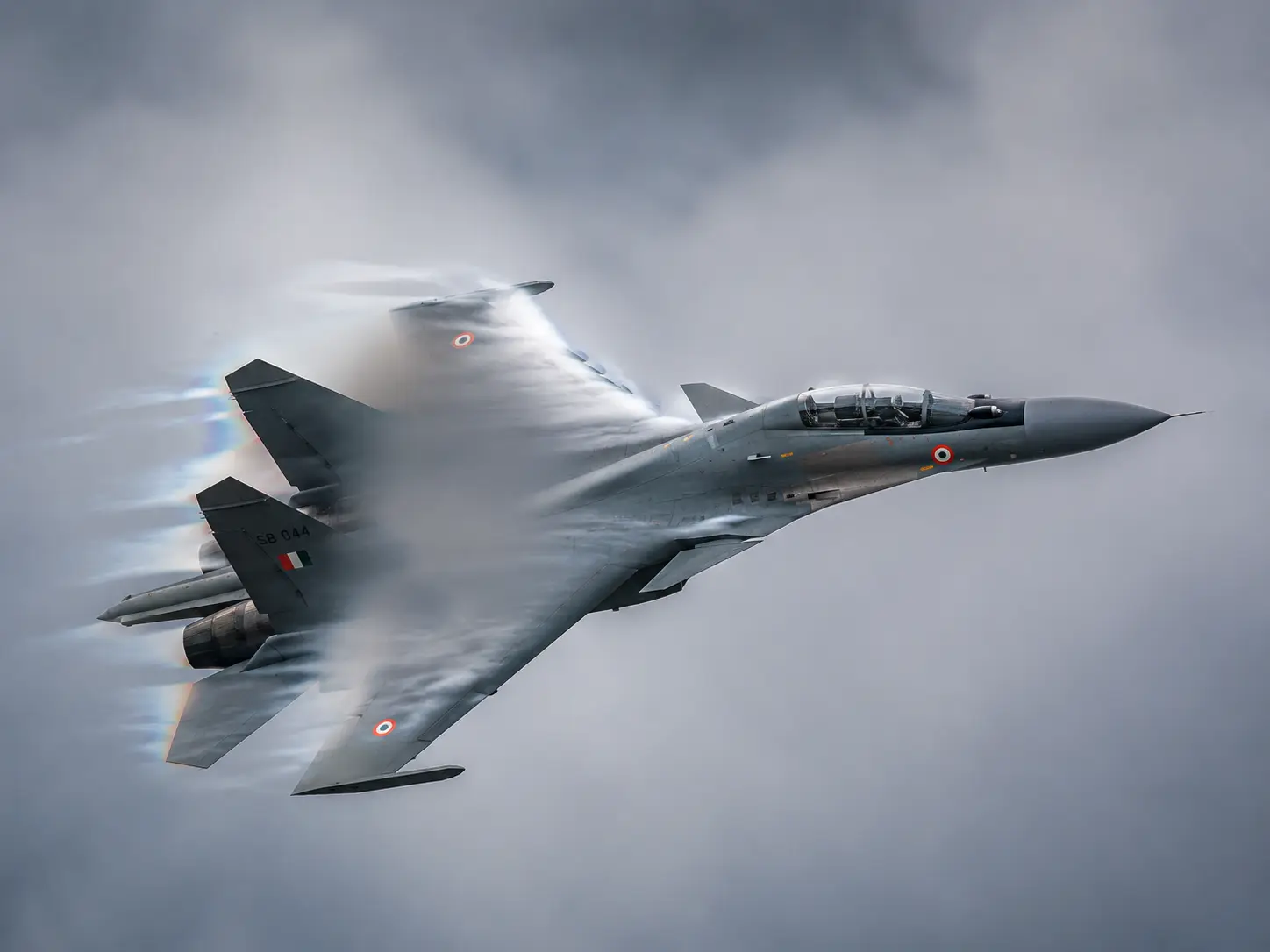
India already has several pieces of this architecture as displayed dominantly during Operation Sindoor. The Indian Air Force’s Integrated Air Command and Control System, or IACCS, creates an integrated air-surveillance picture, while the Army’s Akashteer system links sensors and air-defence weapons to enable faster detection and engagement of aerial threats.
The Army also operates ASCON as a strategic communications backbone, while projects such as SAMBHAV are intended to improve connectivity in difficult and remote operational environments. GSAT-7B, meanwhile, is being developed as a dedicated communications satellite for the Army. But connecting the battlefield creates new vulnerabilities. Jamming, cyberattacks, electronic warfare, GPS denial and attacks on individual network nodes could disrupt the flow of battlefield information.
Trending Stories
&im=FitAndFill=(700,400))
)
)
)
)
)
)
)
)
)
)
)
)
)
)
&im=FitAndFill=(700,400))
)
)
)
)
)
)
)
)
)
)
)
)
)
&im=FitAndFill=(700,400))
Sandeep Agarwal, Chairman and Managing Director of Bharati Defence and Infrastructure Limited, believes India has made substantial progress, but the architecture remains incomplete. “India is partially prepared for a truly networked battlefield,” Agarwal said, pointing to IACCS, Akashteer and Trigun as evidence of progress. However, he cautioned that multiple networks are still not fully integrated, limiting seamless information sharing between the services.
The bigger challenge is ensuring these networks survive when an adversary actively attempts to disrupt them. “India’s military communication networks have significant resilience but cannot yet be considered fully assured in a heavily jammed or GPS-denied environment,” Agarwal added.
He argues that India needs greater network redundancy, secure tactical data links with advanced anti-jamming capabilities, alternative navigation systems and decentralised networks capable of continuing operations even when individual nodes are knocked out.
That could define the next stage of India’s military transformation.
Because on tomorrow’s battlefield, the decisive advantage may belong not to the force with the biggest weapon, but to the one that sees first, shares faster and strikes sooner.

