

&imwidth=800&imheight=600&format=webp&quality=medium "US and China signal intent to extend tariff truce after constructive talks in Stockholm")
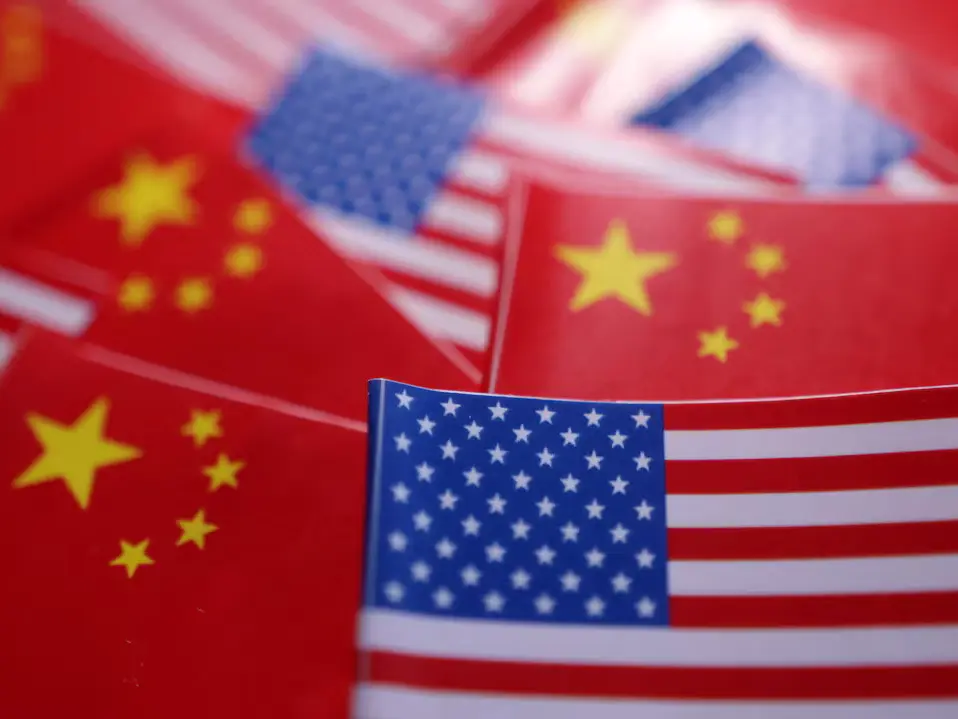
Top US and Chinese trade officials concluded two days of high-level talks on July 29 with a mutual agreement to push for an extension of the current 90-day tariff truce, amid growing concerns that the world’s two largest economies could reignite a trade war if no deal is reached by the August 12 deadline. While no formal breakthroughs were announced, officials on both sides described the meetings as “constructive,” reflecting a cautiously optimistic tone that contrasted with the tense atmosphere earlier this year when tariff rates escalated into triple digits.
Truce extension on the table as August deadline looms
The meetings, held in Stockholm, included US Treasury Secretary Scott Bessent and US Trade Representative Jamieson Greer, along with China’s top trade negotiator Li Chenggang and Vice Premier He Lifeng. They reviewed prior agreements reached in Geneva and London and explored mechanisms to continue pausing mutual tariffs, including the 24 per cent levies currently suspended. “Nothing is agreed until we speak with President Trump,” Bessent told reporters, adding that the final decision rests with the president. “But the meetings were very constructive. We just haven’t given the sign-off.”
Bessent is expected to brief Trump in Washington on July 30 following the president’s return from Scotland, where he signed a separate trade pact with the European Union. Trump, speaking aboard Air Force One, said Bessent felt “very good” about the China meetings and hinted at the possibility of extending the truce another 90 days. Chinese officials, meanwhile, echoed similar sentiments, emphasising cooperation and the broader stakes involved. “The two sides should further deepen dialogue and strive for more win-win outcomes,” Vice Premier He Lifeng said. “Confrontation harms both sides.”
Rare earths, trade balance, and geopolitical friction in focus
The talks tackled a wide range of economic and strategic issues beyond tariffs. A key point of contention remains China’s control over rare earth minerals, critical to technologies such as electric vehicles and military hardware. Recent months have seen Beijing slow the export of these minerals in response to US curbs on semiconductor and AI chip sales to China.
Trending Stories
&im=FitAndFill=(700,400)&imwidth=180&imheight=135&format=webp&quality=medium)
Navratri 2026: 9 days, 9 forms of Goddess Durga and 9 colours- Check the complete list
&imwidth=180&imheight=135&format=webp&quality=medium)
Trump accuses Houthis of driving up oil prices before US midterms, warns of consequences
&imwidth=180&imheight=135&format=webp&quality=medium)
Russian woman and Bihar boy's love story goes viral after she reaches India to marry him
&imwidth=180&imheight=135&format=webp&quality=medium)
Arijit Singh 9-city India stadium tour to start from January: Check venue and ticket prices
&imwidth=180&imheight=135&format=webp&quality=medium)
US Midterms 2026: In Alaska, cost-of-living anxiety meets strangest ballot in high-stakes Senate race
&imwidth=180&imheight=135&format=webp&quality=medium)
F1 set to return to Africa for first time since 1993
&imwidth=180&imheight=135&format=webp&quality=medium)
'Don't ever mess with nature!': Trump’s tiger attack post triggers social media backlash as victim's family issues heartbreaking tribute
&imwidth=180&imheight=135&format=webp&quality=medium)
CMs Vijay-Naidu meet in Vijayawada, discuss water sharing, river-linking
&imwidth=180&imheight=135&format=webp&quality=medium)
Air India Flight from Frankfurt diverted to Jaipur after hijack alert, probe on
&imwidth=180&imheight=135&format=webp&quality=medium)
1,500 drones illuminate Mumbai sky as Cordelia Cruises unveils second ship, Cordelia Sky
&imwidth=180&imheight=135&format=webp&quality=medium)
Delhi Police arrest Cockroach Janta Party's Saurav Das, Ashutosh Ranka, Ajinkya Shinde in Jantar Mantar case, to be produced before court
&imwidth=180&imheight=135&format=webp&quality=medium)
Pakistan to chair UN-backed global Borrowers’ Platform as its own debt burden mounts, triggers sarcastic reactions on social media
&imwidth=180&imheight=135&format=webp&quality=medium)
‘Rise up, young patriots!’: American singer Mary Millben says US donors funding CJP, backs Modi govt
&imwidth=180&imheight=135&format=webp&quality=medium)
Nobel Peace Prize winner Navi Pillay calls on US to 'get back to' being defender of human rights
&imwidth=180&imheight=135&format=webp&quality=medium)
France accuses Musk of ‘online harassment’ of European leaders, warns of poll interference
&imwidth=180&imheight=135&format=webp&quality=medium)
'Turn approver, resign, we'll forgive you': Rahul Gandhi claims receiving messages from CEC Gyanesh Kumar
&imwidth=180&imheight=135&format=webp&quality=medium)
MI5 chief warns Russia is UK’s ‘aggressor number one’ as Iran and AI threats grow
&imwidth=180&imheight=135&format=webp&quality=medium)
Trump reconsidering calling off Nidal Hasan's execution livestream. Here's why
&imwidth=180&imheight=135&format=webp&quality=medium)
‘My president, I mean my husband’: Trump's new press secretary Katie Zacharia's first briefing goes off the rails in 14 minutes
&imwidth=180&imheight=135&format=webp&quality=medium)
‘How many people did she illegally bring from Somalia?’ Trump targets Ilhan Omar, questions her net worth
&imwidth=180&imheight=135&format=webp&quality=medium)
Marco Rubio to visit India next week, focus on energy cooperation and strategic ties
&imwidth=180&imheight=135&format=webp&quality=medium)
US politicians mistakenly use Indian, Russian warship images for Navy's birthday posts
&imwidth=180&imheight=135&format=webp&quality=medium)
'Ouch!!! That must hurt': Kangana Ranaut hails Kamal Haasan's sharp reply to Elon Musk over Starlink row
&imwidth=180&imheight=135&format=webp&quality=medium)
Girl 'dead' for 8 hours wakes up at her own funeral, dad insists she wasn't breathing
&imwidth=180&imheight=135&format=webp&quality=medium)
Sidhu Moose Wala’s younger brother wins hearts by recreating late singer’s signature move at Toronto Hologram Show
&imwidth=180&imheight=135&format=webp&quality=medium)
UK school ditches technology, shifts from screen to pen and paper for learning
&imwidth=180&imheight=135&format=webp&quality=medium)
Durga Puja 2026: Kolkata roads get a splash of colours
&im=FitAndFill=(700,400)&imwidth=180&imheight=135&format=webp&quality=medium)
New OTT releases this week (October 12-18, 2026): Sacrifice, Koffee with Karan S9, Roadies Rebirth- 6 titles coming on Netflix, JioHotstar and more
&imwidth=180&imheight=135&format=webp&quality=medium)
Inside Aneet Padda's 24th birthday bash with rumoured boyfriend Ahaan Panday and Alia Bhatt
&imwidth=180&imheight=135&format=webp&quality=medium)
New Cold War: Why is China buying more gold? Explained
&imwidth=180&imheight=135&format=webp&quality=medium)
Netanyahu wants to join Saudi's war on Houthis, but Crown Prince denies: Report
&imwidth=180&imheight=135&format=webp&quality=medium)
Anupam Kher joins Ranbir Kapoor's Ramayana as Jatayu, new poster unveiled
&imwidth=180&imheight=135&format=webp&quality=medium)
Measles kills again: 6 dead in Pennsylvania as America faces its worst outbreak in decades | Gravitas
&imwidth=180&imheight=135&format=webp&quality=medium)
Cornell University suspends fraternity parties over 2024 gang rape allegations
While both parties avoided publicly discussing security-sensitive topics like TikTok or China’s ties with Russia and Iran, US negotiators did raise concerns over China’s export-driven industrial model. They pressed for reforms that would increase Chinese consumer demand, which in turn could create more opportunities for US exports. “We’re not looking to decouple,” Bessent said. “We just need to de-risk in certain strategic industries—rare earths, semiconductors, and medicines.”
Bessent and Greer said they expect another round of talks in roughly 90 days, regardless of whether the current pause is extended. They also noted growing “personal interaction and mutual respect” between the negotiating teams.
Momentum builds, but risks remain
The International Monetary Fund on July 29 flagged the potential expiration of the US-China truce as a major global economic risk, despite raising its growth forecast. Any failure to extend the truce could see tariffs “boomerang” back to triple-digit levels, threatening global supply chains and financial markets.
Trump, who has long decried the US trade deficit with China, claimed recent deals with Japan, Indonesia, and the EU demonstrate growing momentum. US officials also said they were on track to reduce the trade imbalance with China by $50 billion this year. A future meeting between Trump and Chinese President Xi Jinping remains on the horizon, with both sides suggesting it could happen by the end of the year—though no formal plans have been announced.
(With inputs from agencies)