Singapore home sales surge to five-month high despite new cooling measures

&imwidth=600&imheight=450&format=webp&quality=medium "Singapore home sales surge to five-month high despite new cooling measures")
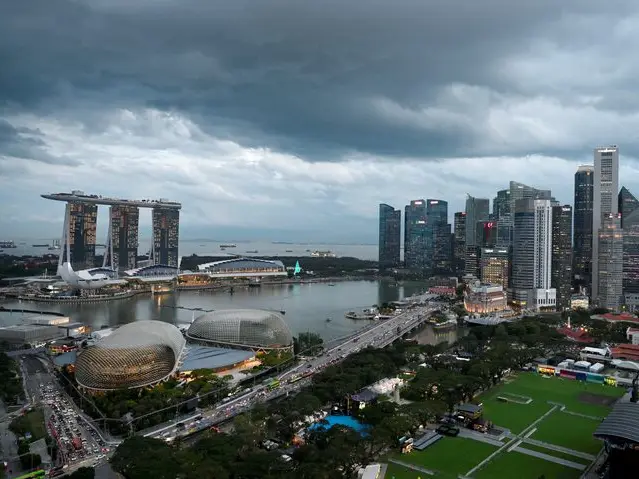
A view of the skyline in Singapore September 17, 2024. Photograph: (Reuters)
The Singapore home buying spree came despite the government’s July 4 revision of the Seller’s Stamp Duty (SSD), which extended the minimum holding period for private residential properties from three to four years and raised SSD rates by four percentage points across all tiers.
Singapore’s new private home sales soared in July to their highest level since February, defying the government’s latest round of cooling measures aimed at curbing speculation. Developers sold 940 private residential units, excluding executive condominiums (ECs), more than triple the 272 units transacted in June, according to Urban Redevelopment Authority (URA) data released on August 15. Including ECs, sales jumped to 1,311 units from 305 a month earlier. The surge followed a sharp increase of 1,675 units in new launches across four projects in July compared with just 187 units in June, which helped absorb pent-up demand.
July’s total sales were 63.2 per cent higher than in the same month last year. Market momentum was led by the launch of Lyndenwoods in the Science Park district, which sold 96.5 per cent of its 343 units at a median price of S$2,463 ($1919.17) per square foot. In the prime Core Central Region, Upperhouse on Orchard Boulevard sold 53 per cent of its 301 units, while The Robertson Opus in Unity Street moved 41 per cent of its 348 units during its launch weekend. The EC segment was buoyed by the debut of Otto Place in Tengah, which sold 358 of its 600 units at a median price of S$1,746 ($1360.46) per square foot.
Cooling measures target speculative flips
The buying spree came despite the government’s July 4 revision of the Seller’s Stamp Duty (SSD), which extended the minimum holding period for private residential properties from three to four years and raised SSD rates by four percentage points across all tiers. Properties sold within the first year now face a 16 per cent tax, up from 12 per cent, while those sold between three and four years are subject to 4 per cent.
The move is designed to dampen the sharp rise in sub-sale transactions, the resale of uncompleted units, which jumped 150 per cent between 2020 and 2024. HDB flats remain unaffected, as they already carry a five-year minimum occupation period. Industry players believe that the impact on long-term buyers is limited.
Long-term outlook remains resilient
Trending Stories
)
&im=FitAndFill=(700,400))
)
)
)
)
)
)
)
)
)
)
)
)
)
)
&im=FitAndFill=(700,400))
)
)
)
)
)
)
)
)
)
)
)
)
)
)
)
)
)
)
)
)
)
)
)
&im=FitAndFill=(700,400))
)
Analysts note that Singapore’s housing market remains underpinned by strong fundamentals, a tight supply-demand balance, robust economic growth, and firm rental demand. GDP grew 2.3 per cent in 2024, unemployment stands at just 1.9 per cent, and core district rents are up 6.5 per cent year-on-year.
CBRE and PropNex forecast 7,000-9,000 new private home sales in 2025, with prices rising 3-4 per cent. More launches are expected to sustain momentum, with five condominium projects totalling 2,472 units slated for August. As macroeconomic uncertainties, including US trade tensions, weigh on global sentiment, analysts say Singapore’s disciplined approach to housing policy will keep the market attractive to both homebuyers and long-term investors.
(With onputs from agencies)