Prosus-led shareholders push for leadership change at Byju's: Report


An illustration of Byju's logo.
A coalition of prominent shareholders, led by tech investor Prosus, is ramping up its push to oust the founders of Indian edtech giant Byju's and initiate a leadership overhaul.
The once-celebrated startup, controlled by billionaire Byju Raveendran and valued at $22 billion in 2022, has recently been grappling with a series of setbacks, including the resignations of its auditor Deloitte and key board members.
A lawsuit in the US challenging loan terms and payment has further fuelled the company's struggles.

Byju's, which has witnessed a downturn in fortunes, marked by mass layoffs and a substantial drop in valuation, is now at the centre of a shareholder revolt.
The concerned shareholders, expressing apprehensions about the future stability of the company, released a statement, demanding a comprehensive resolution to "outstanding governance, financial mismanagement, and compliance issues."
They are advocating for a restructuring of the Board of Directors, aiming to dilute the founders' control, and a change in the company's leadership.
)
Three labourers killed as DU student loses control of his car, rams into them on Dwarka Expressway
)
Pentagon revives mandatory testosterone testing for male troops aged 30 and above
)
FACT CHECK: Why did PM Modi ask Xi ‘is it okay’ at BRICS Summit? New video reveals...
)
India seeks to build a full semiconductor supply chain
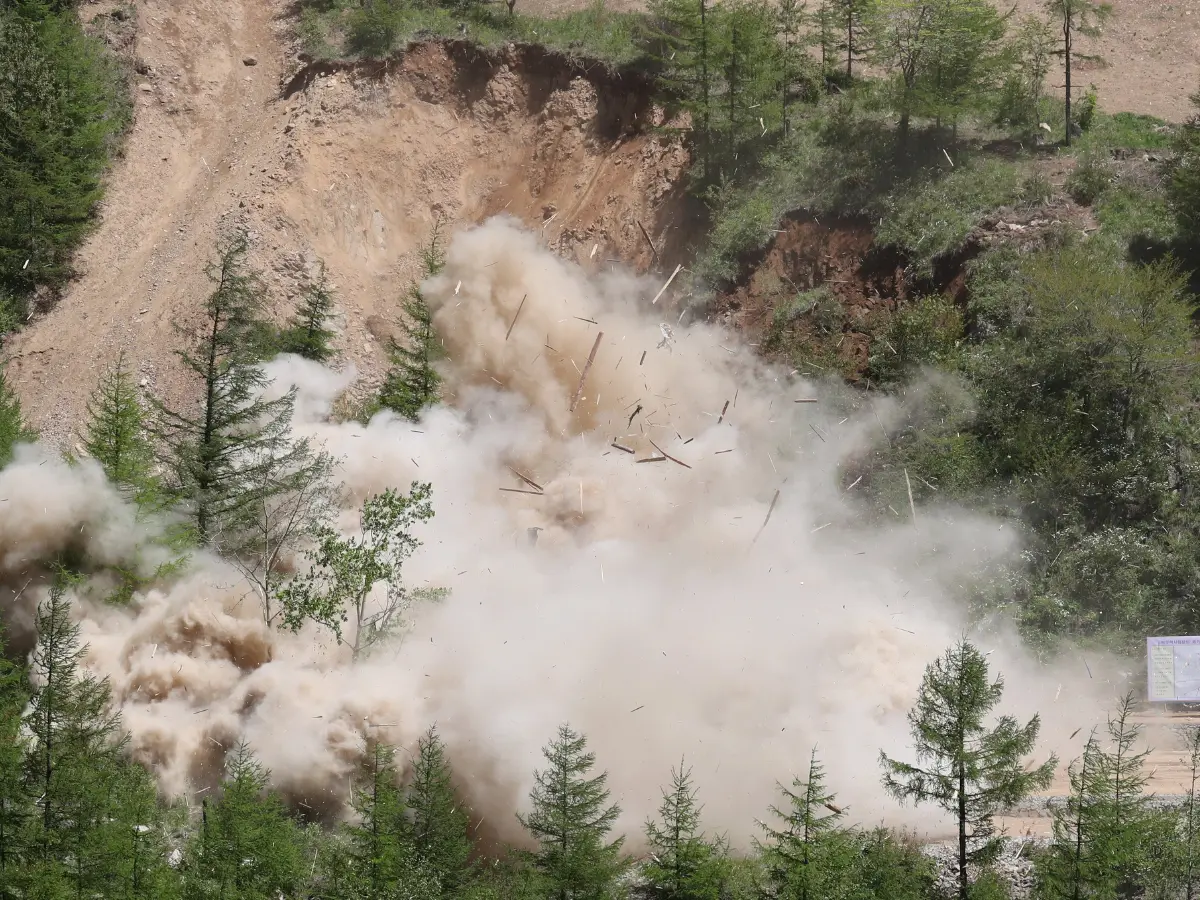)
North Korea's last nuclear test in 2017 set off 1,399 earthquakes over 8 years, each stronger than previous
&im=FitAndFill=(700,400))
From Abhishek Sharma to Sahil Chauhan, 5 batters with fastest T20I hundreds
)
Indian activist-lawyer Prashant Bhushan's post brings focus on ‘conflict of interest’ appointments of ex-govt officials at Reliance, Adani groups
)
US And Denmark reach Greenland deal, Trump announces expanded military presence
)
Former India player Diana Edulji wants Smriti Mandhana to replace Harman as skipper at the earliest
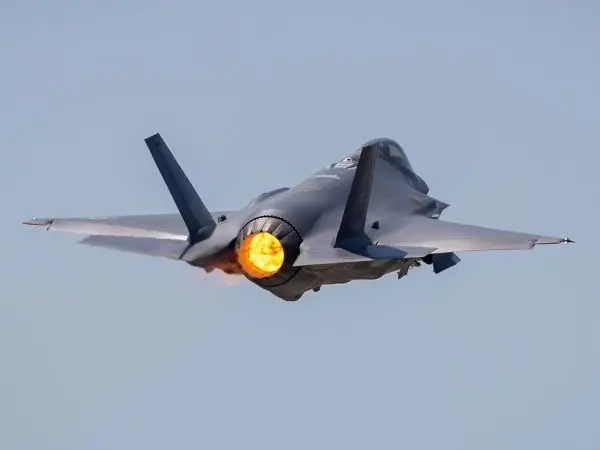)
China may have gained access to US's classified F-35 jets; parts meant for repairs diverted to Hong Kong, sparking Pentagon inquiry
&im=FitAndFill=(700,400))
Meet top 5 batters in the latest ICC T20I Rankings
)
Godfather of AI Geoffrey Hinton gives US lawmakers a one-year warning on AI
)
US F-16 fighter jet crashes in Michigan during training mission, pilot ejects safely
)
Shivakumar attends 79th Kalyana Karnataka Utsav in Kalaburagi
)
Trump signs Russia sanctions law: India faces fresh 100% tariff threat over Russian oil
)
Why Ranveer Singh’s Dhurandhar missed India’s Oscar entry; FFI jury member reveals what happened
)
Hong Kong extends newborn cash support scheme by three years
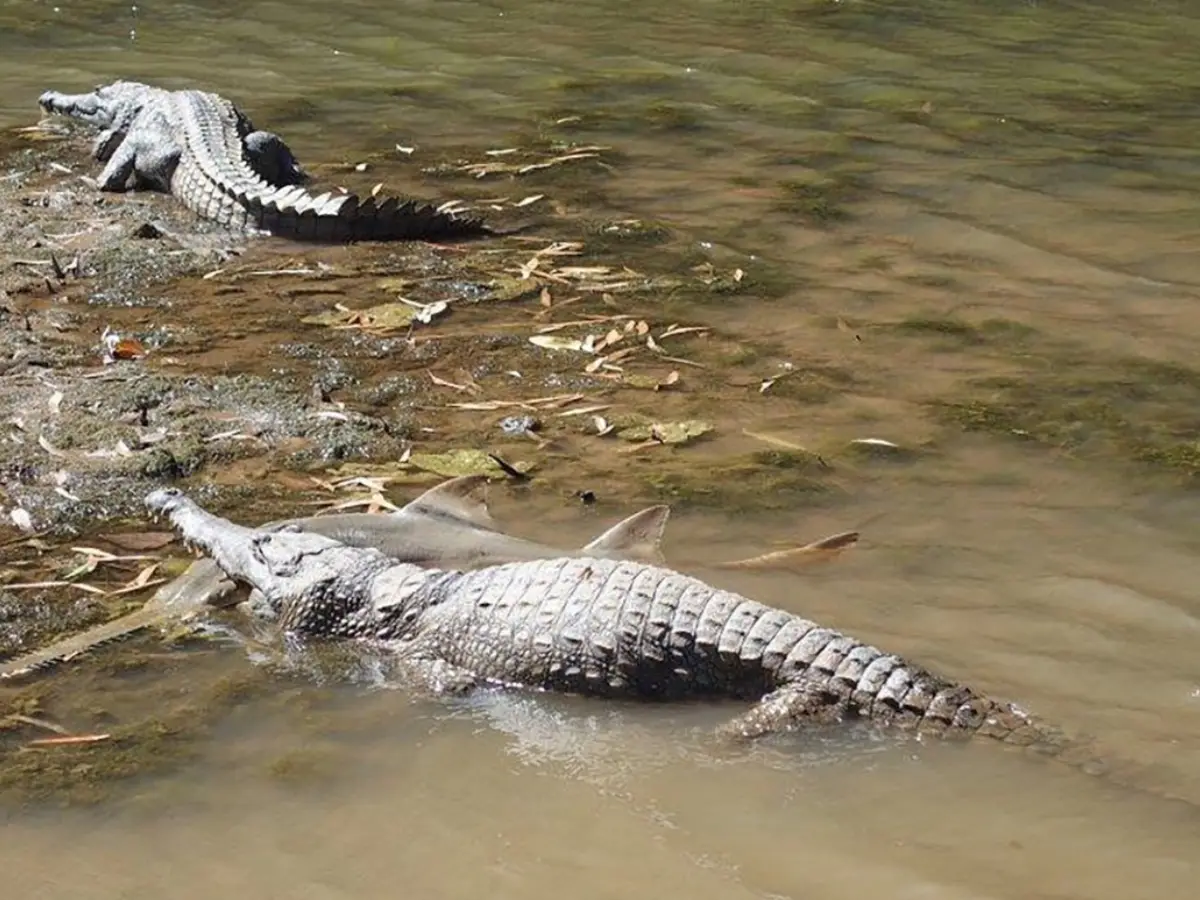)
How did an Australian river with 500 crocodiles pass the Olympic test? Here's how
)
‘Will go to any extent’: Pakistan vows to defend Saudi Arabia amid Houthi attacks
)
'He will always be ahead': India coach Gambhir says Sooryavanshi won't walk into team ahead of Samson
)
The Verdict | When precision fails: US commits war crime in Minab school strike, UN finds
)
Trump signs Russia sanctions bill into law, targets Moscow’s energy sector
&im=FitAndFill=(700,400))
New Friday OTT releases (September 18, 2026): Lust Stories 3, You+Me, Best of the Best- 8 new titles coming on Netflix, Prime Video and more
)
Africa is splitting, and a lot sooner than estimated, giving way to a new ocean
)
'Gangsta' crab shoves knife blade at man and his dog in Florida - Watch
)
Trump bans CNN, MS NOW and Politico from White House over ‘FAKE NEWS’
)
Trump 2.0: Dark days ahead for America’s ‘imperial presidency’
)
Trump's Greenland dream comes true? POTUS announces 'Infinite Life' deal with Denmark, claims permanent US control
)
Laura Wolvaardt sets new world record for most WT20I runs in a year
)
Drone strikes cooling tower at Russia's Kursk Nuclear Plant, IAEA confirms
)
Who is Khalilur Rahman? All you need to know about 81st UN General Assembly President
&im=FitAndFill=(700,400))
Meet top 5 bowlers in latest ICC T20I rankings
)
Ukraine plans record $109 bn defence spending, nearly two thirds of budget amid Russia war
&im=FitAndFill=(700,400))
Meet top 5 Indian batters with fastest T20I centuries
Prosus, holding approximately 9 per cent stake in Byju's, disclosed the statement and asserted that it enjoys support from "a number of major investors," although they refrained from specifying names.
Other backers of this initiative reportedly include Sofina and Peak XV, formerly known as Sequoia Capital India.
The shareholders' concerns gained momentum following the resignation of Byju's auditor Deloitte last year. The departure was triggered by the edtech company's delay in presenting financial statements for the year ending March 31, 2022.
Deloitte expressed frustration, stating that despite numerous letters, essential documents were not provided by the company's board.
Additionally, board members affiliated with Peak XV, Prosus, and Chan Zuckerberg Initiative also stepped down from Byju's board in the same period.
As the tug-of-war intensifies, some of Byju's investors are asserting that the company's valuation has experienced a substantial dip, plummeting to a range between $1 billion and $3 billion.
(With inputs from Reuters)