Mid-air incident puts Boeing in regulatory spotlight amid production struggles


US regulator orders Boeing 737 MAX 9 inspections after emergency incident
A mid-air incident involving a Boeing aircraft has reignited concerns over the aircraft manufacturer's safety measures, just as it was on the verge of gaining approval for its latest MAX jet models.
The incident occurred on a flight operated by Alaska Airlines, with 171 passengers on board, where a door plug inexplicably detached. The Federal Aviation Administration (FAA) has grounded 171 Boeing MAX 9 airplanes until safety assurances are provided.
Experts are currently investigating the cause of the door plug detachment, with the FAA expressing a commitment to keeping the aircraft grounded until convinced of their safe operation.

The mishap compounds the challenges faced by Boeing and its supplier Spirit AeroSystems, grappling with production setbacks that followed the prolonged safety grounding of the 737 MAX and disruptions due to the pandemic.
Boeing, aiming to close the market share gap with Airbus, has been under immense pressure since the 2018 and 2019 Boeing MAX crashes that led to a 20-month worldwide grounding.
The Alaska incident could potentially prompt regulators to adopt a more stringent approach towards unresolved aviation issues, building on the reforms instituted in 2020.
)
Pentagon revives mandatory testosterone testing for male troops aged 30 and above
)
FACT CHECK: Why did PM Modi ask Xi ‘is it okay’ at BRICS Summit? New video reveals...
)
India seeks to build a full semiconductor supply chain
&im=FitAndFill=(700,400))
From Abhishek Sharma to Sahil Chauhan, 5 batters with fastest T20I hundreds
)
Pyongyang dismisses US, western pressure over nuclear programme
)
US And Denmark reach Greenland deal, Trump announces expanded military presence
)
Google’s Gemini AI hacks real systems by guessing passwords during security test
)
US hiding troop deaths in Iran war? Toll higher than Pentagon count, claims report
)
China may have gained access to US's classified F-35 jets; parts meant for repairs diverted to Hong Kong, sparking Pentagon inquiry
)
NASA research plane reaches 61,000 feet over Panama
)
Godfather of AI Geoffrey Hinton gives US lawmakers a one-year warning on AI
)
Trump signs Russia sanctions law: India faces fresh 100% tariff threat over Russian oil
)
Brigitte Bardot’s private collection set for Paris auction; key items and prices revealed
)
Why Ranveer Singh’s Dhurandhar missed India’s Oscar entry; FFI jury member reveals what happened
)
Zendaya and Tom Holland step out for a low-key date in Los Angeles
)
‘Will go to any extent’: Pakistan vows to defend Saudi Arabia amid Houthi attacks
)
The Verdict | When precision fails: US commits war crime in Minab school strike, UN finds
)
Trump signs Russia sanctions bill into law, targets Moscow’s energy sector
66 years of the Indus Waters Treaty: How India and Pakistan settled a bitter river dispute
&im=FitAndFill=(700,400))
New Friday OTT releases (September 18, 2026): Lust Stories 3, You+Me, Best of the Best- 8 new titles coming on Netflix, Prime Video and more
)
Pak: A series of counter terrorism operations in Khyber Pakhtunkhwa
)
Fast bowler Brydon Carse faces no charges over Derby nightclub incident
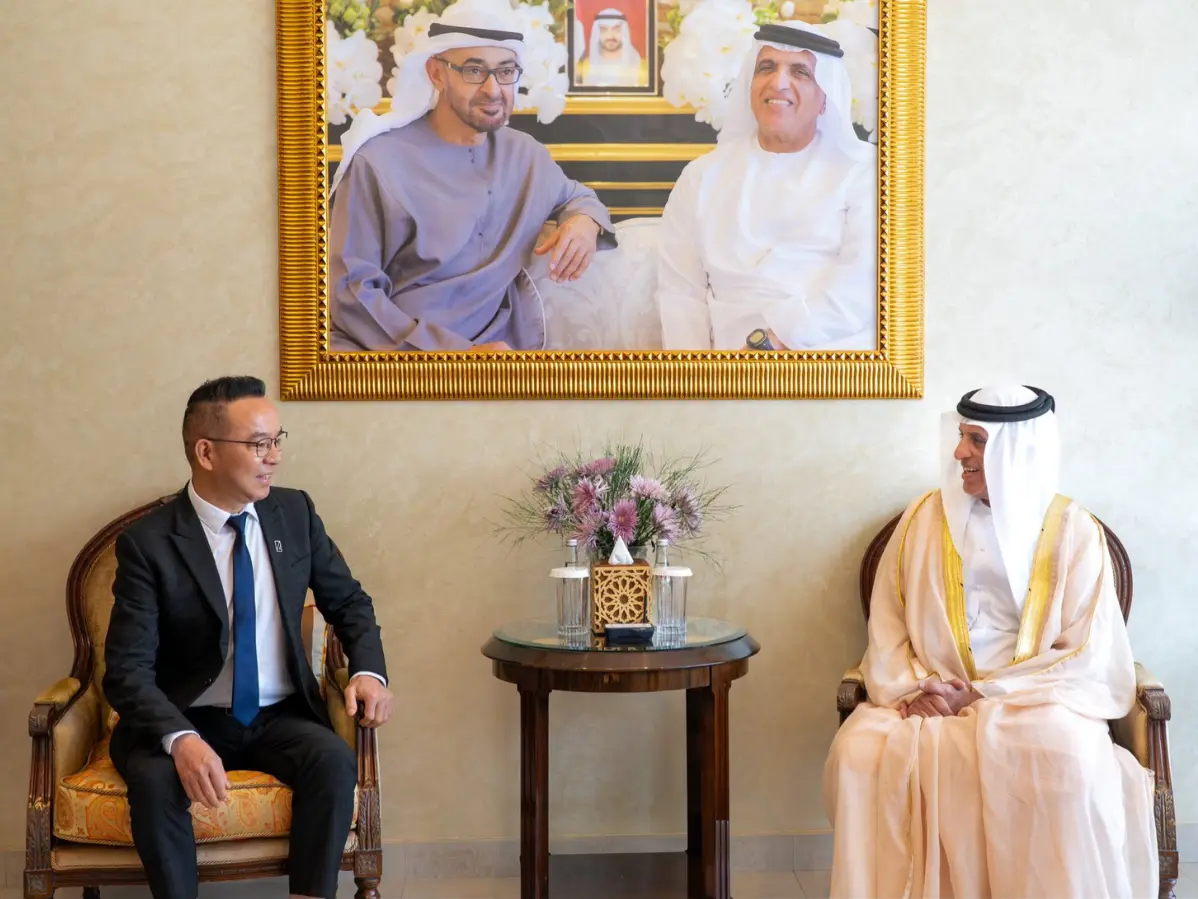)
Flying cars in UAE: Ras Al Khaimah signs deal with Chinese company to test new transport
)
Africa is splitting, and a lot sooner than estimated, giving way to a new ocean
)
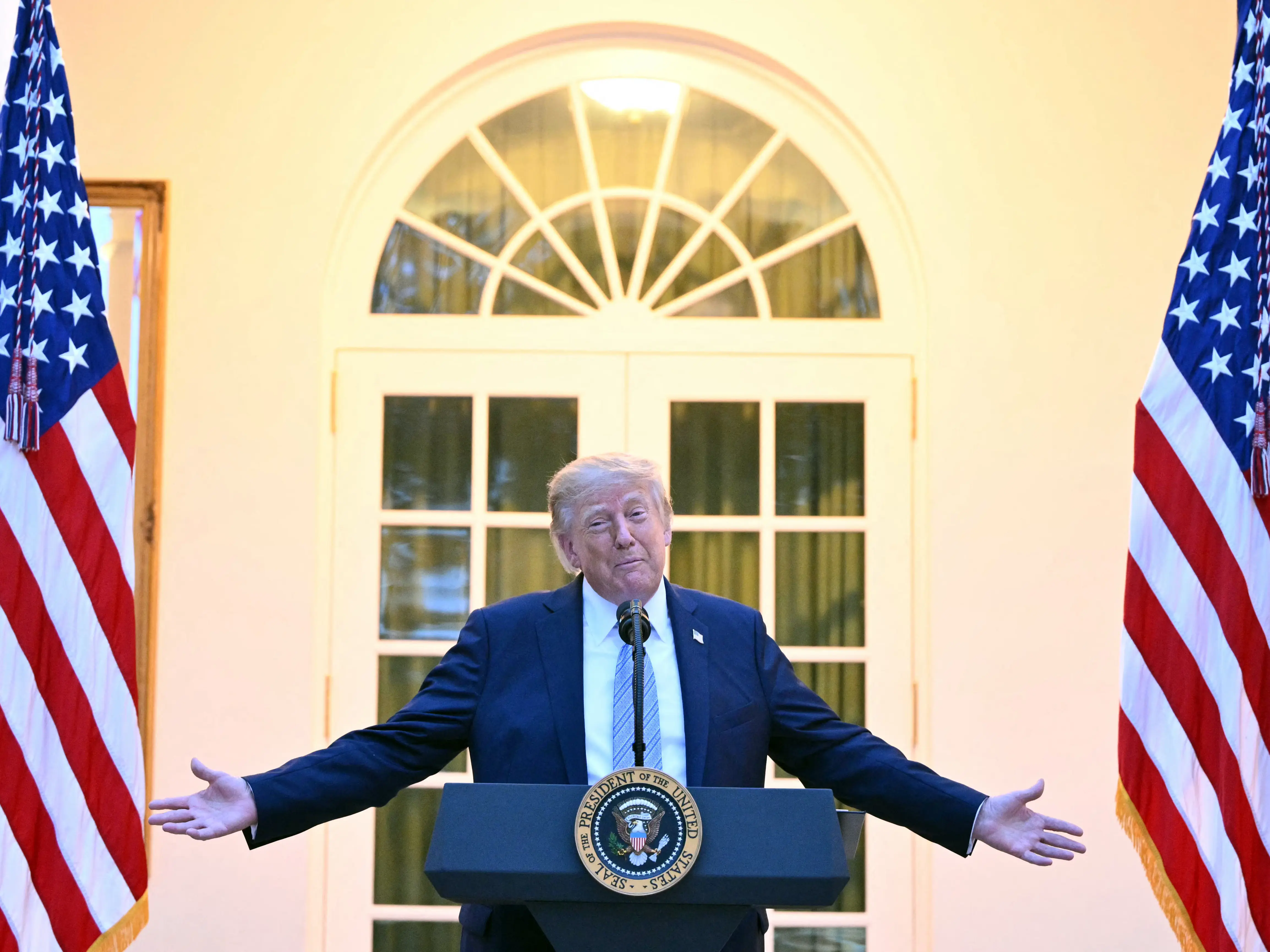
Trump bans CNN, MS NOW and Politico from White House over ‘FAKE NEWS’
)
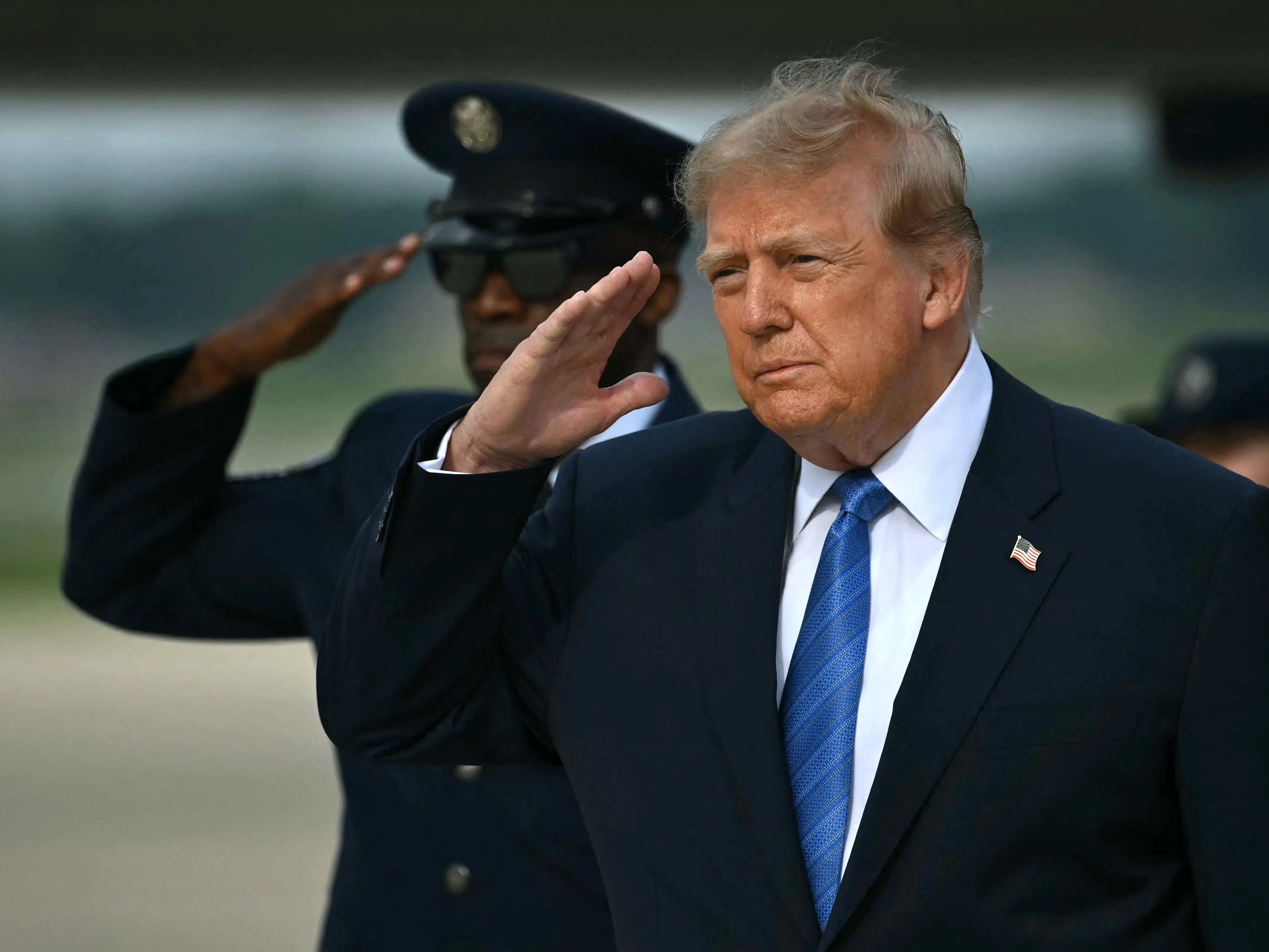
Trump 2.0: Dark days ahead for America’s ‘imperial presidency’
)
Trump's Greenland dream comes true? POTUS announces 'Infinite Life' deal with Denmark, claims permanent US control
)
Tirupati Laddu ghee adulterated with chemicals, says ED, supplier arrested
)
Who is Khalilur Rahman? All you need to know about 81st UN General Assembly President
)
IIT Bombay student dies by suicide, was caught seeking AI help during exams
&im=FitAndFill=(700,400))
Meet top 5 bowlers in latest ICC T20I rankings
)
Indian Cinema bets big on mythology, brings ancient stories to modern audiences
)
Ukraine plans record $109 bn defence spending, nearly two thirds of budget amid Russia war
)
Russia holds first parliamentary elections since the beginning of the Ukraine war
&im=FitAndFill=(700,400))
Meet top 5 Indian batters with fastest T20I centuries
)
Airlines' preference for single-aisle aircraft has intensified, with Boeing's MAX series crucial for the company's market share and financial stability.
Disappointing sales of the MAX 9 prompted Boeing to introduce the larger-capacity MAX 10 to compete with Airbus's A321neo. Analysts highlight the importance of a successful MAX line-up to help Boeing maintain its market share and financial strength.
Boeing, already burdened with $39 billion in debt, is hesitant to invest in an entirely new aircraft until engine technology matures. Delays in the certification of the MAX 10 could add pressure to Boeing's strategy bridging the current decade.
China, a crucial market, is closely monitoring Boeing's struggles, especially given the recent trade tensions and MAX safety concerns.
Since the grounding of the 737 MAX in 2019, Boeing's shares have declined by over 40 per cent, contrasting with Airbus's 25 per cent increase. The incident's fallout may depend on how regulators handle the certification of the MAX 7, the smallest and least-sold version.
Jeff Guzzetti, a former US air crash investigator, suggests that the MAX 9 incident could influence the decision, emphasising the importance of maintaining strict safety standards.
As the investigation into the incident is ongoing, experts caution that it could revive discussions about recent quality problems in Boeing's production.
Questions about the company's ability to handle the increasing production rate have been raised, with concerns about production deficiencies and quality escapes.
Boeing's production setbacks include issues like loose hardware, drilling errors, and incorrect attachments, raising doubts about its manufacturing capabilities.
Boeing insists that its production system is poised for improvement, despite past challenges.
CEO Dave Calhoun affirmed their commitment to a steady and efficient increase in production, emphasising collaboration with the supply base.
(With inputs from Reuters)
WATCH WION LIVE HERE