Japan government contemplates declaring an end to the deflation battle, sources say

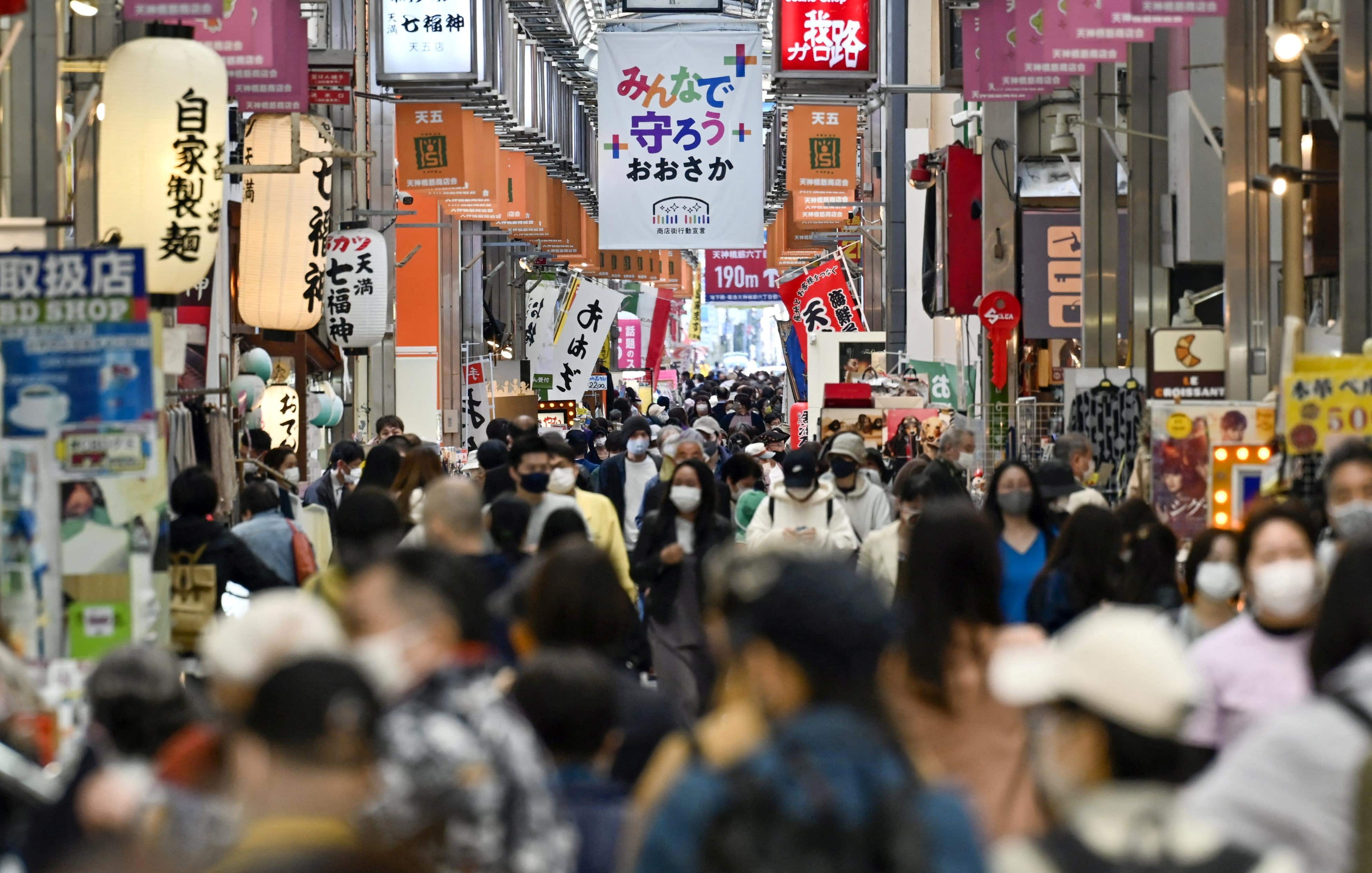
Osaka, Japan
The Japanese government is contemplating on officially declaring an end to the prolonged battle against deflation; Kyodo News reported citing sources familiar with the matter.
According to the report, this consideration comes after nearly two decades of the country grappling with moderate price declines.
While Japan has consistently denied being in a state of deflation, dispelling entrenched public perceptions of stagnant prices and wages has proven challenging.

"The recent bout of inflation, driven mostly by higher import costs, and the prospect of sustainable wage growth is seen as clearing the way for Japan to end its war on deflation," the sources in correspondence with Kyodo News stated.
The government is closely monitoring labour-management wage negotiations and the trajectory of inflation to ascertain whether conditions have matured for a definitive departure from deflationary pressures.
For Japan, entrenched deflationary pressures have perpetuated a detrimental cycle, wherein falling prices have constrained corporate profits and impeded wage growth, subsequently hampering private consumption—a pivotal component of the economy.
)
Trump says Russia has ‘lost control’ of its diesel industry, calls for end to ‘ridiculous, never-ending’ war
)
Asian Games: Indian women's hockey team thrash Indonesia 17-1, blasts 36 goals in 2 matches
)
Putin's United Russia party wins 355 seats in Duma election; 4 other parties cross threshold to enter parliament
)
AI kill switch explained: Why shutting down a dangerous AI may not be as simple as pressing a button
)
Delhi Air pollution: Strict crackdown on waste burning
)
SNL UK takes aim at Ed Sheeran with AI Princess Diana sketch
)
‘0% chance’: Nvidia CEO Jensen Huang dismisses AI extinction fears by 2030
)
Samay Raina-Mukesh Chhabra controversy explained: What happened over girlfriend joke on India's Got Latent?
)
Four decades after leaving Kolkata, the Birlas may be coming back for more
)
Apple reportedly building AI server with M8 Ultra chips, may use Nvidia technology
)
Glitch in the matrix caught on camera: Woman vanishes after talking to reporter
)
IIT Bombay tensions ease after three-hour open house; director’s assurances pacify students
)
Samsung raises Galaxy S26 prices by Rs 20,000: Here’s what each model now costs
)
J&K Assembly Session begins amid chaos: BJP, ruling alliance clash as statehood demand dominates
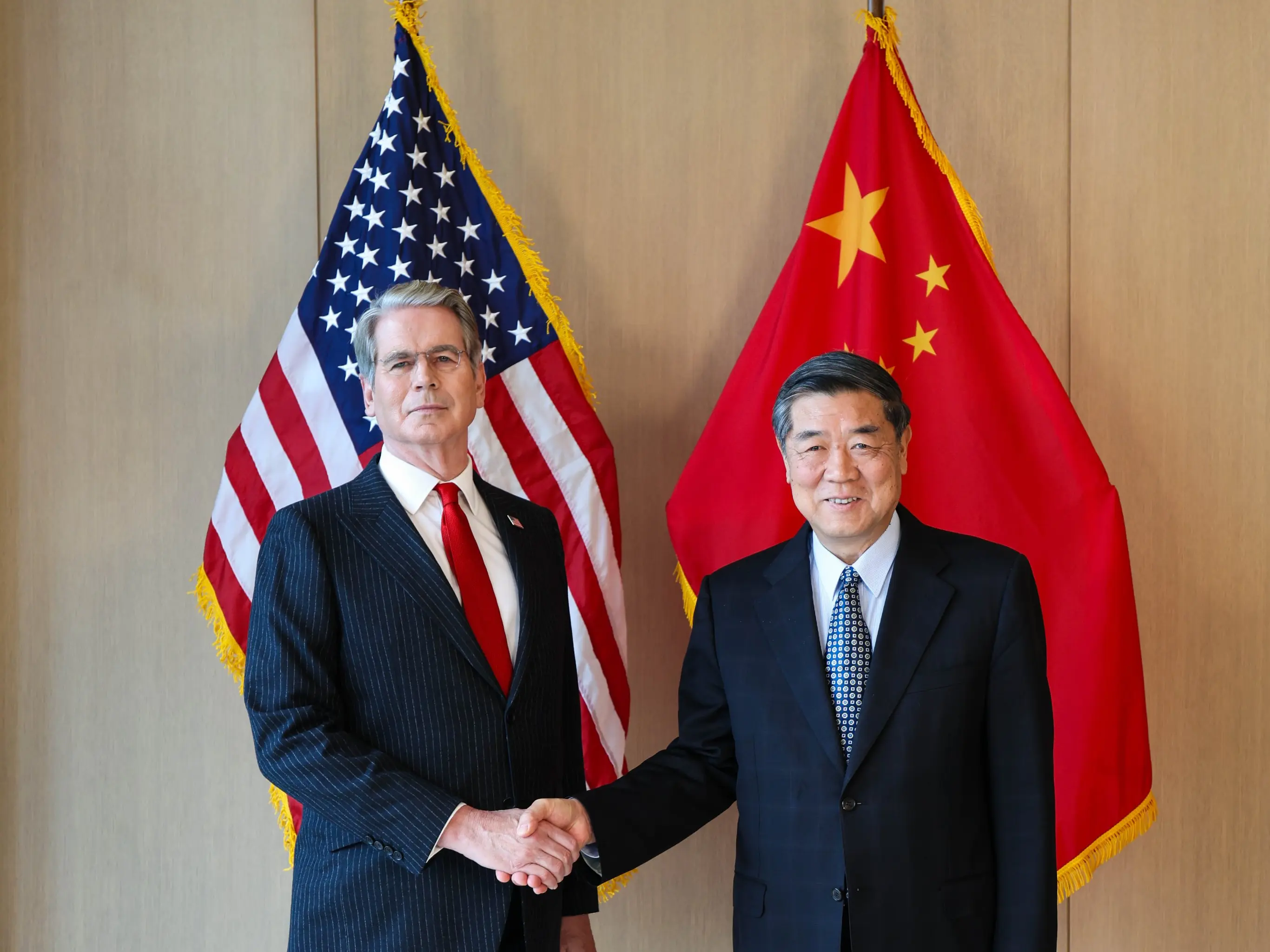)
Bessent meets China’s He Lifeng to prepare for Trump-Xi summit
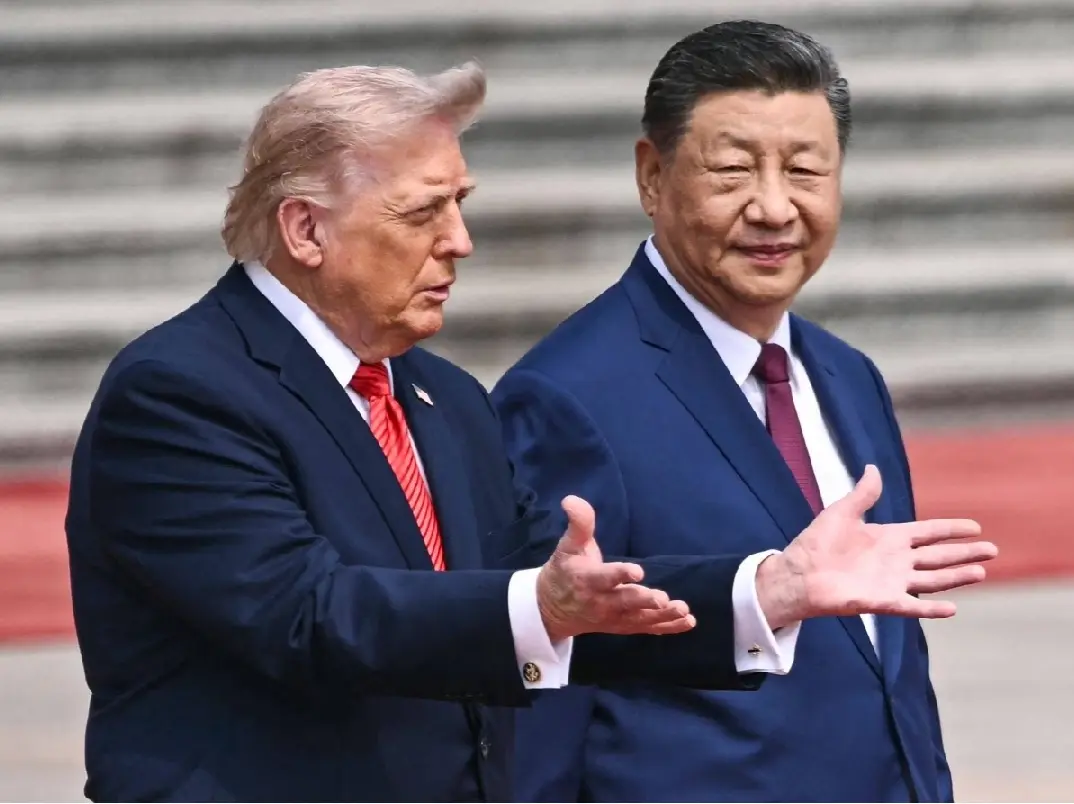)
US and China vie for AI dominance as calls grow for regulation | Gravitas
)
Four Hands, Two Sonatas ep (5-8) review: Song Kang Lee, Jun Young elevate the emotional stakes after a tragic turn
)
The Verdict | The Mecca Agreement is under scrutiny as Houthis attack Saudis
)
Who was Sheikh Ahmed bin Rashid Al Maktoum? From Dubai Royal family to police, sports and racing
)
Saudi Arabia exits China-led mBridge digital currency platform amid Saudi-Houthi conflict
)
Maharashtra TET paper leak: Chargesheet reveals papers smuggled in shoe insoles for Rs 8,000
)
'Lot of things to learn from experienced players': Jayasuriya backs Rohit, Virat for 2027 ODI World Cup
)
Taylor Swift has a 'proud wife' moment as Travis Kelce scores first touchdown of season: 'That’s my husband!'
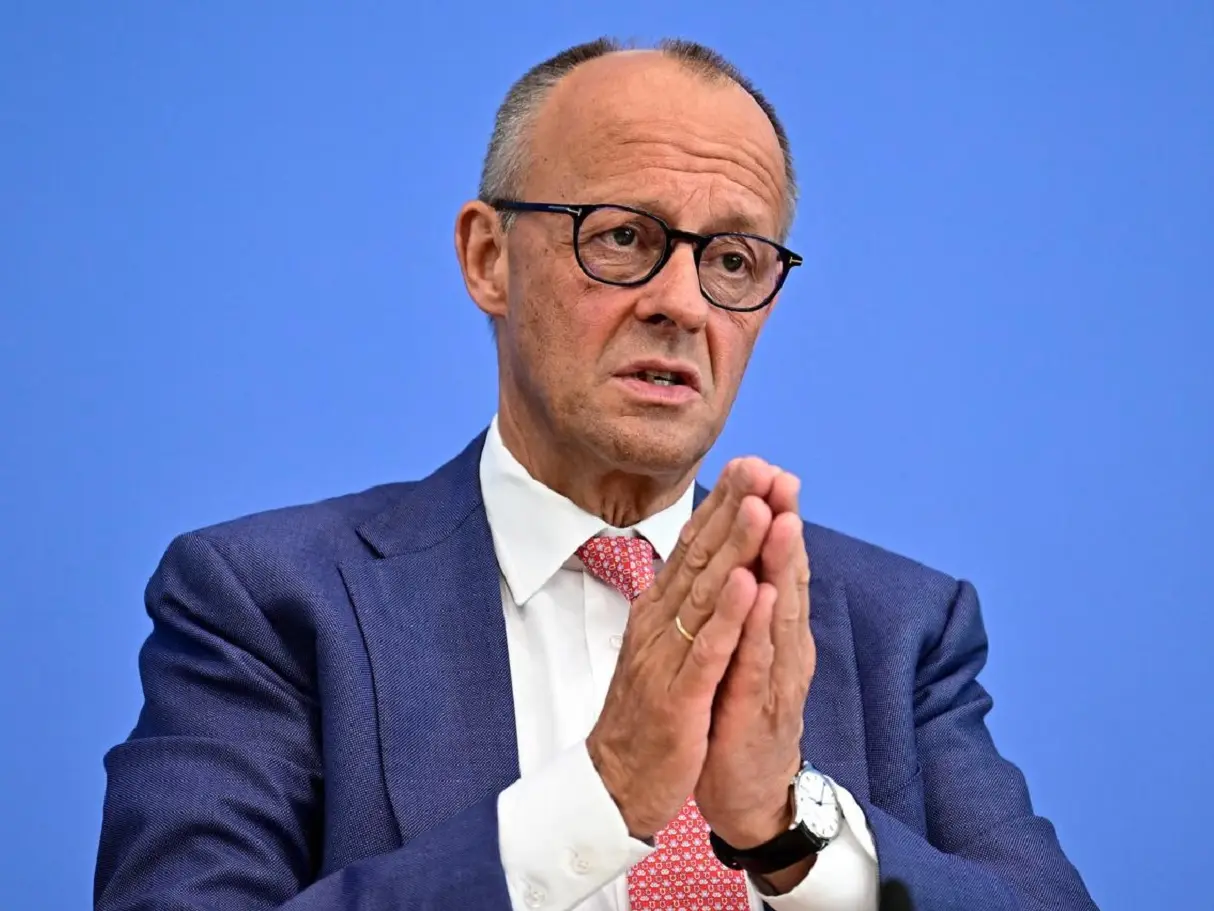)
Chancellor Friedrich Merz vows to stay on as exit polls signal major poll setback
)
Mahabharat actor Saurav Gurjar arrested in Hyderabad, sent to 14-day judicial custody in sexual exploitation case
&im=FitAndFill=(700,400))
New OTT releases this week (September 21-27, 2026): Shaque: Trust No One, Hunkkaar, Don’t Be Shy- 5 new titles coming to Netflix, Prime Video and more
)
WATCH | Mysterious lights over Tehran caught on video. Drone, aircraft or something else?
)
What is Yom Kippur and why is it celebrated? All you need to know about the Jewish Day of Atonement
)
Iranian airlines to shut worldwide on Sept 23, Bessent warns of US banking ban
)
White House TV pool halts Trump coverage after CNN barred from UNGA events
)
Pilot recreates Mona Lisa in sky over Oklahoma and Arkansas in four-hour flight: VIDEO
)
Fitna Al-Khawarij: Decoding biggest security threat to Pakistan | Gravitas
)
Jailer 2: Vidya Balan joins Rajinikanth's upcoming film as Kantha | Watch
)
Microsoft executive called AI training the ‘largest theft of labour in human history’
)
40-foot waves crash into cruise ship in dangerous stretch near Antarctica. Watch
)
BTS fans mock iHeartRadio’s day 2 turnout after short set controversy
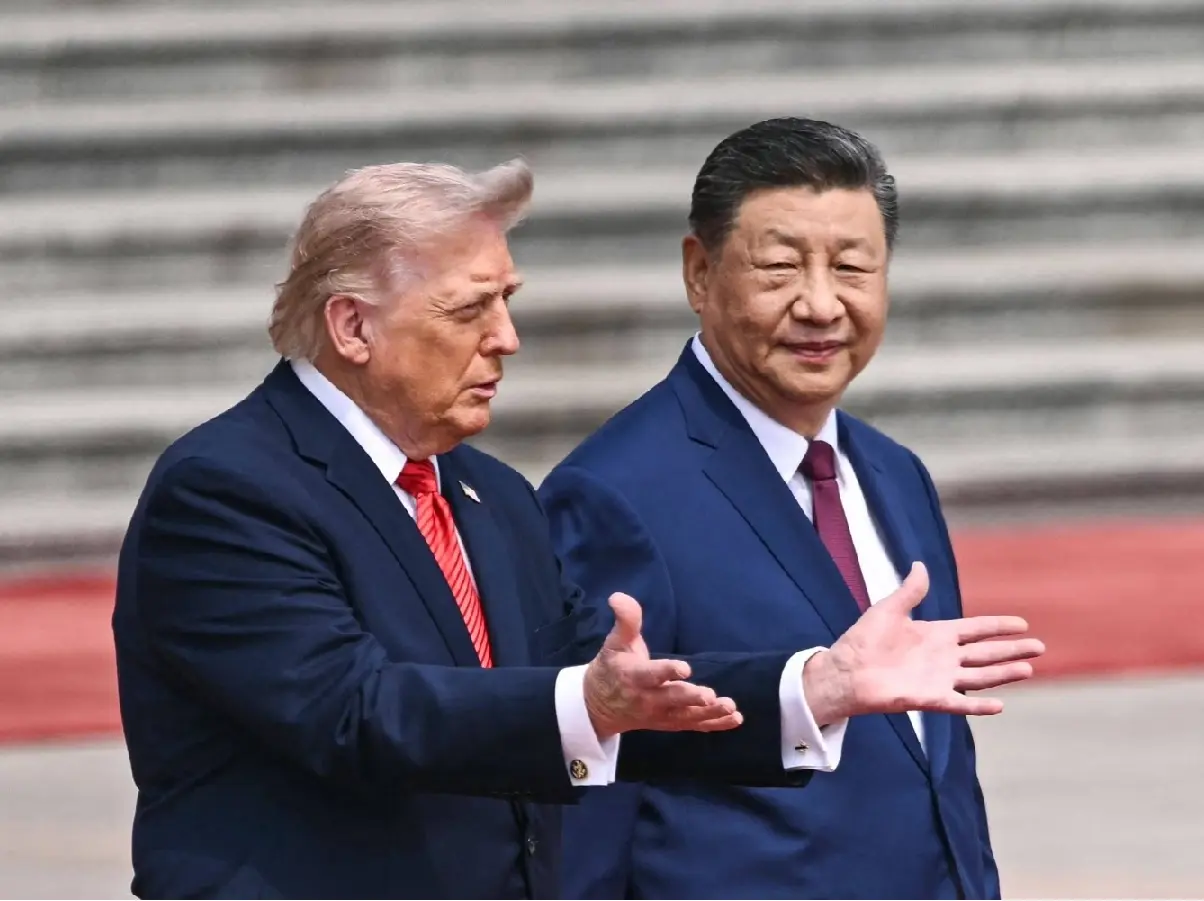)
Explainer: Why rare-earth export licences and Board of Trade are US priorities ahead of Trump-Xi summit
)
The Scandal, why so scandalous? Ji Chang Wook leaves you gasping for air
Thus, an official declaration will mark the removal of a major growth obstacle for Japan's economy.
Potential avenues for a formal announcement include Prime Minister Fumio Kishida or Cabinet members making a public declaration, or the government issuing a statement in its monthly economic report.
However, government officials indicate that any decision will hinge on economic performance and ultimately lie within the purview of the Prime Minister.
"June will be important," noted one government official, citing upcoming policy measures aimed at bolstering domestic demand, including income and residence tax cuts for Japanese households.
However, there exists caution within the government regarding the timing of declaring an end to deflation, given lingering uncertainties in the price outlook and broader economic landscape.
Despite signs of progress, scepticism persists within certain quarters of the government regarding the necessity and timing of officially ending the deflation narrative.
Some officials assert that maintaining the current stance, which denies Japan being in a state of deflation, remains a priority.
They highlight potential reputational risks should economic conditions deteriorate post-declaration.
The Bank of Japan's aggressive monetary easing measures, in tandem with a joint agreement with the government in 2013 aimed at achieving 2 percent inflation, have been significant efforts to combat deflation.
However, BOJ Chief Kazuo Ueda recently acknowledged Japan's state of inflation, fuelling speculation about potential shifts in monetary policy.
Critical economic indicators, including Japan's closing output gap, indicate a pickup in demand—a positive sign for achieving stable inflation.
Yet, amidst cautious optimism, government officials stress the need for prudence and vigilance, particularly given the unforeseen recessionary episode at the end of 2023.