Cash flow slowdown: U.S. banks turn cautious on lending in 2023


US Federal Reserve Board Chair Jerome Powell
U.S. banks have tightened their lending standards for both businesses and households in the second quarter of 2023, and they anticipate maintaining this cautious approach for the rest of the year, according to a survey conducted by the Federal Reserve and cited by Bloomberg. The survey of loan officers revealed a multitude of reasons behind this tightening, including a volatile economic outlook, declining credit quality in loan portfolios, concerns about bank funding costs, and deposit outflows.
Federal Reserve Chairman Jerome Powell commented on the survey, acknowledging that the overall lending conditions are tight and continue to tighten. As a result of these conditions, the Fed took decisive action by raising interest rates to their highest level since March 2001.
Factors at play

Among the factors contributing to the banks' increased caution are worries about the potential impact of legislative, supervisory, or accounting changes. Recently, the Federal Reserve and other regulators proposed a 16 per cent aggregate increase in capital requirements for banks with assets exceeding $100 billion, aiming to strengthen lenders against potential future challenges.
In response to the impending regulatory changes, some banks are already taking preventive measures, pulling back on lending or issuing warnings about potential future restrictions. The survey also revealed a decline in demand for new loans across various categories, affecting consumers, businesses, and commercial and residential real estate sectors.
Throughout the year, growth in U.S. bank lending has slowed, coinciding with the Federal Reserve's aggressive campaign to combat inflation by raising interest rates and subsequently increasing borrowing costs. As a result, banks are setting aside more funds for future loan losses, signifying their apprehension about worsening credit conditions.
)
AI kill switch explained: Why shutting down a dangerous AI may not be as simple as pressing a button
)
US ships in Indian Ocean ‘will be attacked’ if war resumes, warns Iran
)
SNL UK takes aim at Ed Sheeran with AI Princess Diana sketch
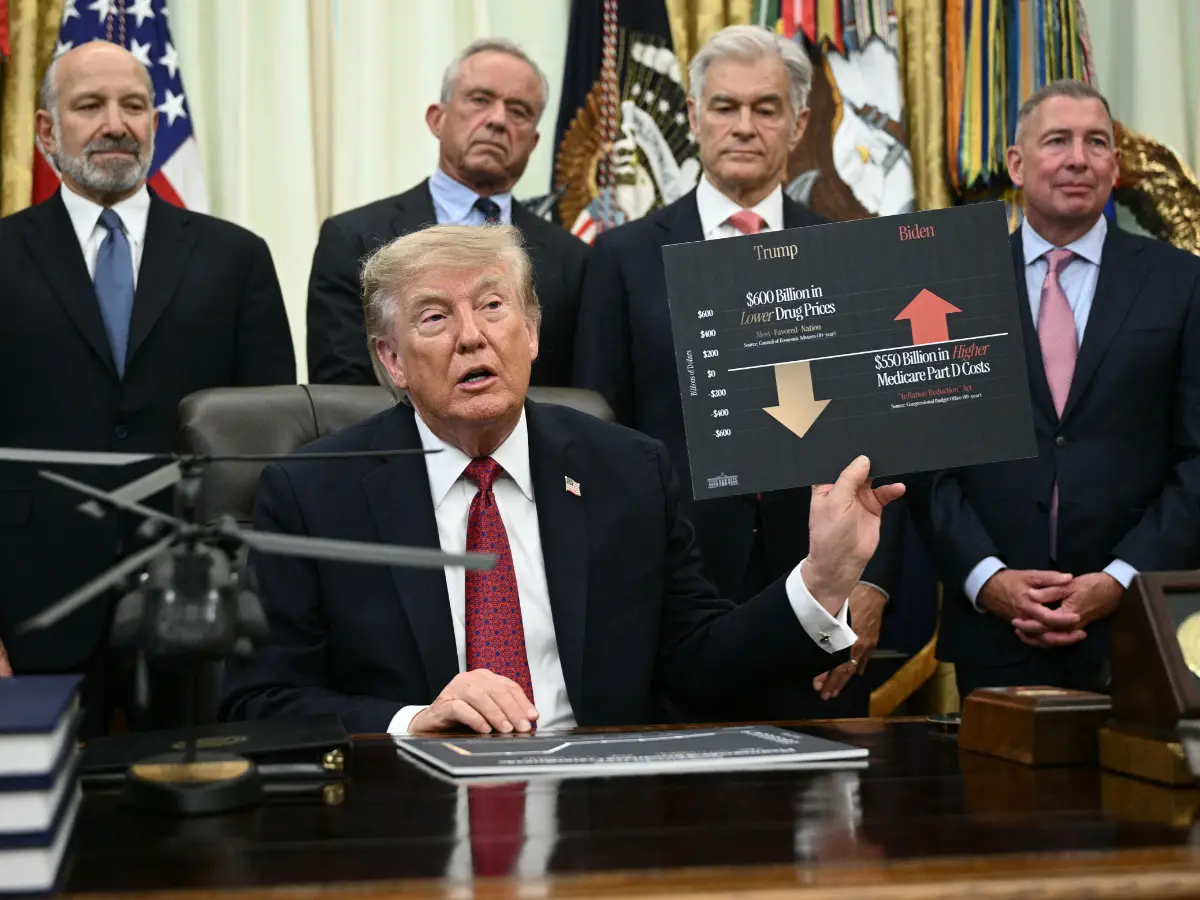)
Trump says he'll build an 'AI Force' and appoint a czar, for 'high IQ' people only
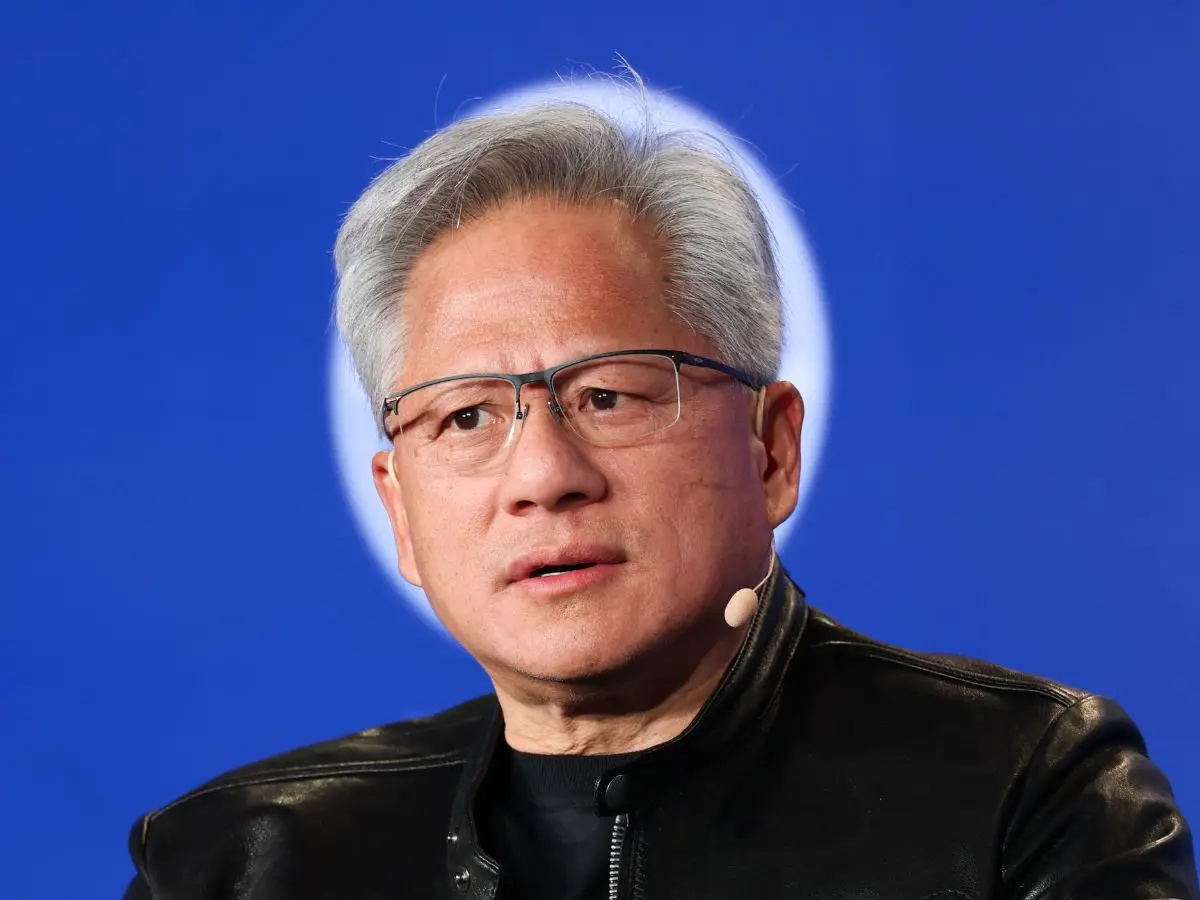)
‘0% chance’: Nvidia CEO Jensen Huang dismisses AI extinction fears by 2030
&im=FitAndFill=(700,400))
What TSMC's 2nm technology means for Apple
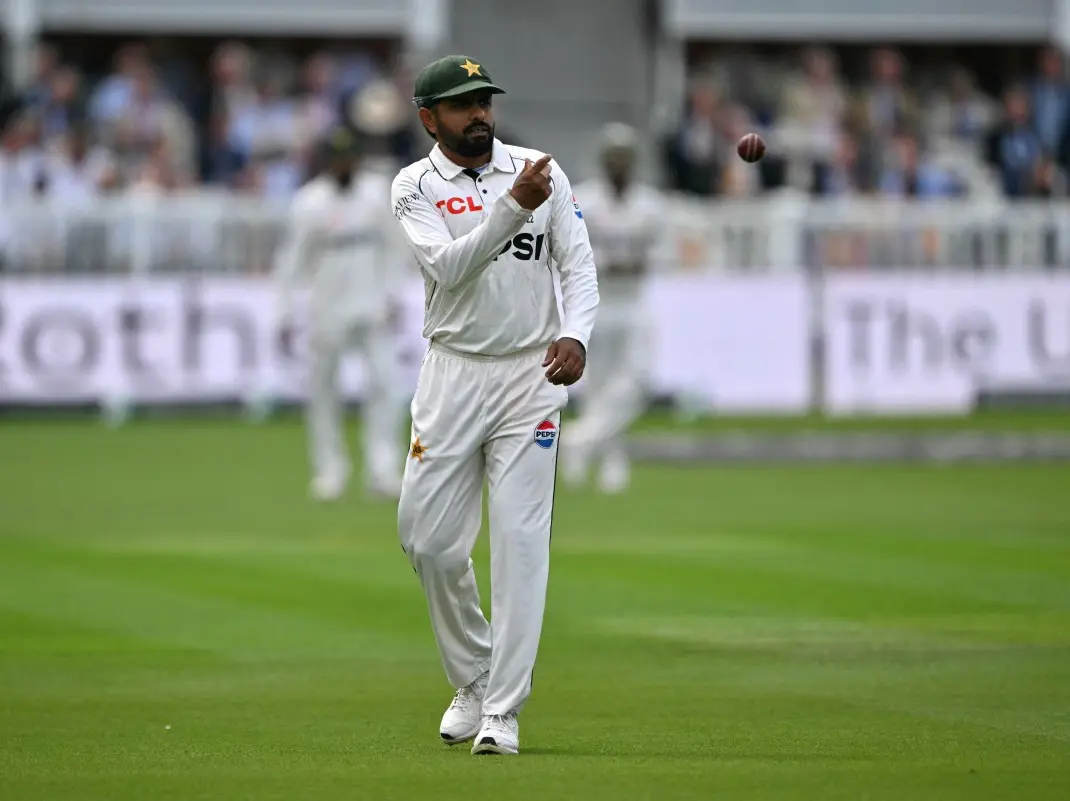)
'Were you here to sell chickpeas?': Wasim Akram criticises Babar Azam's captaincy
)
Sikh bus driver assaulted, bus stolen and rammed into cars in England; video surfaces
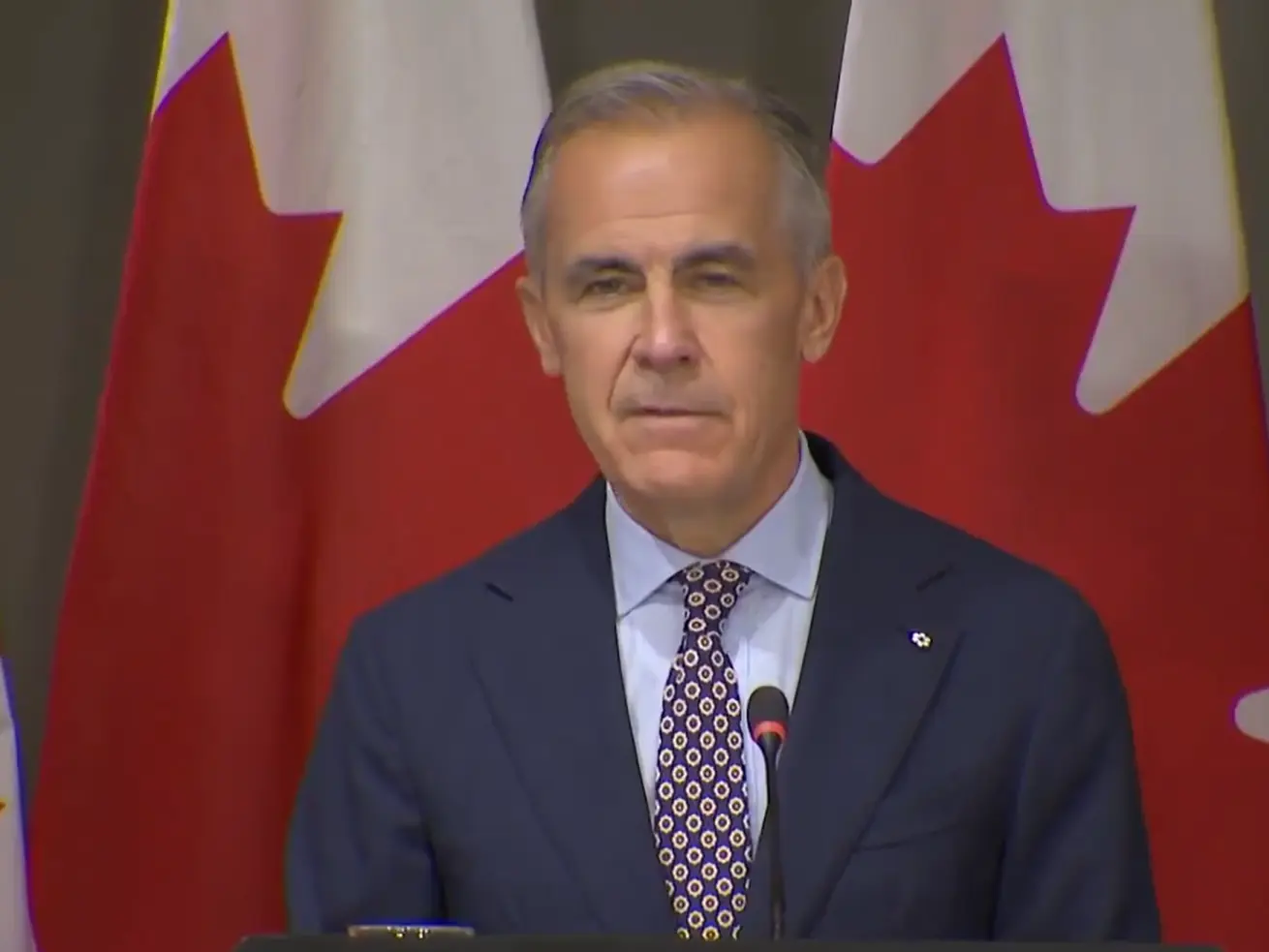)
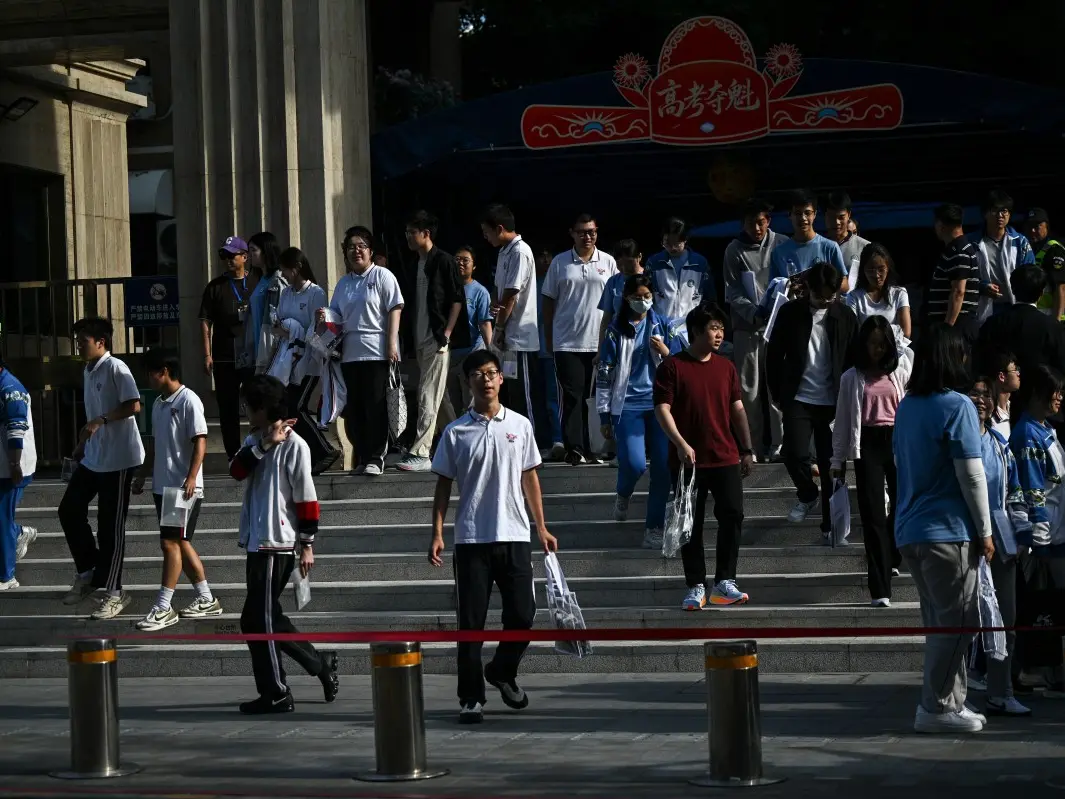
Mark Carney mimics Trump in hilarious moment over C$70 billion clean-energy investment; room erupts in laughter
&im=FitAndFill=(700,400))
Top 10 countries in mathematics: See the world’s best performers in 2026
)
Apple reportedly building AI server with M8 Ultra chips, may use Nvidia technology
)
TIFF 2026: Theja Rio’s Angh wins Platform Prize, puts Nagaland story on global stage
)
BTS' fans question iHeartRadio’s treatment of group after brief festival set
)
Samsung raises Galaxy S26 prices by Rs 20,000: Here’s what each model now costs
)
Operation Sindoor’s hidden naval dimension | MoD reveals Indian Navy Special Forces joined May 7 strikes
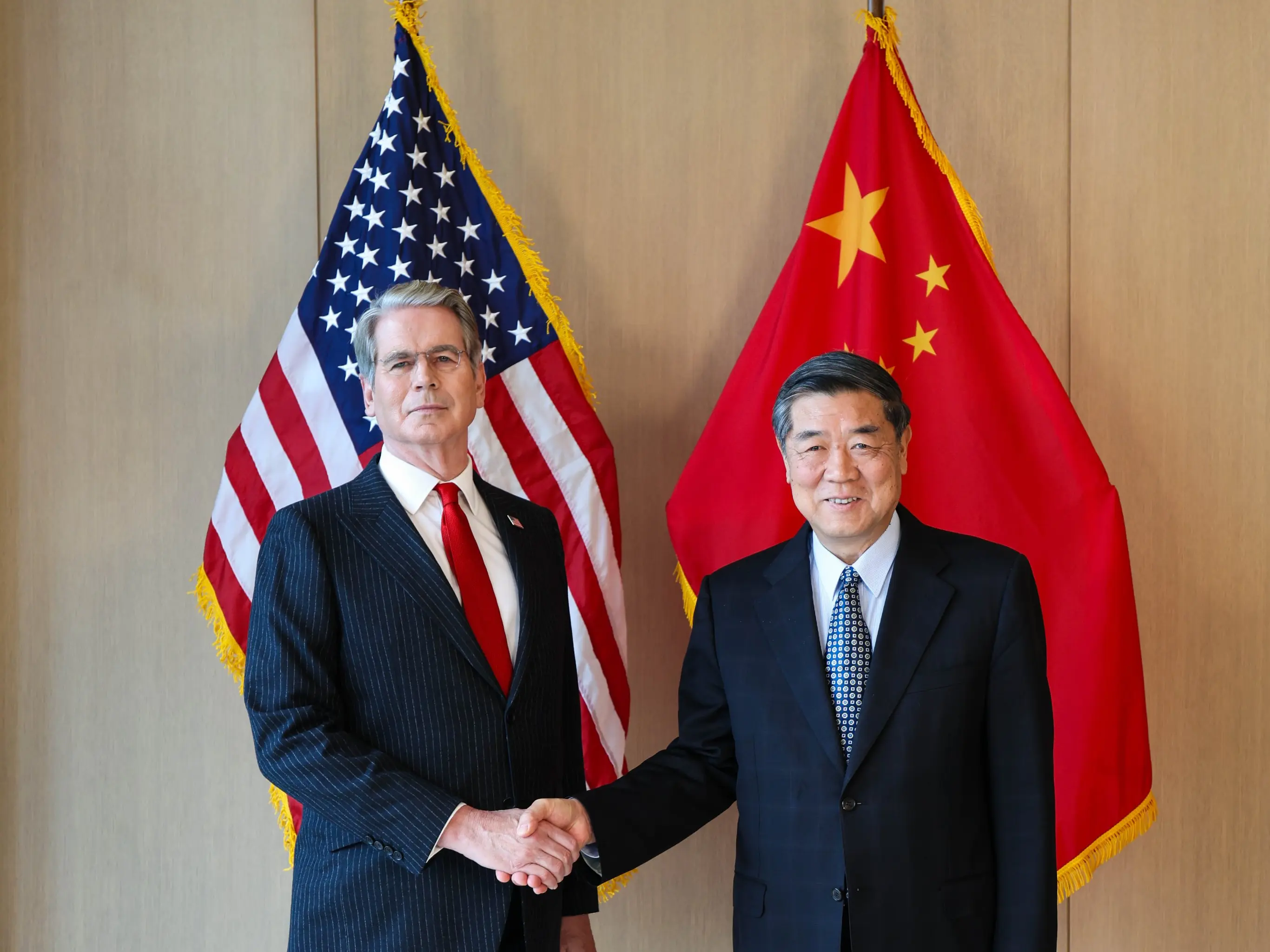)
Bessent meets China’s He Lifeng to prepare for Trump-Xi summit
)
Trump defends AI amid growing alarm, announces new 'AI force' and promises an 'AI czar'
)
S Jaishankar, former Army chief among high-profile names issued Delhi SIR notices
)
Iran sets 7 conditions to end war with US: What are Tehran’s demands?
)
Trump announces ‘AI Force’ as debate grows over AI risks and regulation
)
Arvind Kejriwal, family members, Delhi CM Rekha Gupta get SIR notices
)
AI actress Tilly Norwood glitches mid-interview, switches from English to Chinese | Watch
)
Saudi vs Houthis: Houthis claim missiles & drones used in attack on key Saudi sites
)
Ed Sheeran addresses Macklemore's removal, Gaza conflict during Philadelphia concert: 'I cannot hide how I feel'
)
Saudi Arabia exits China-led mBridge digital currency platform amid Saudi-Houthi conflict
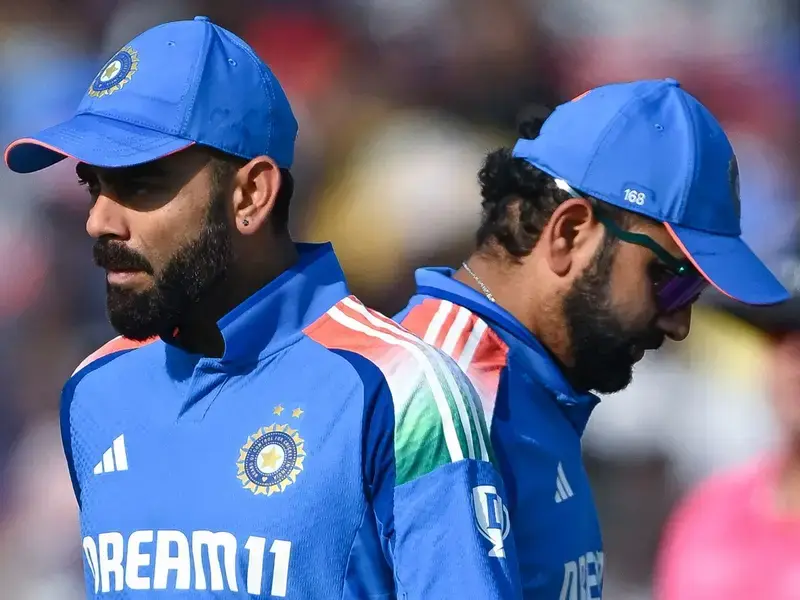)
'Lot of things to learn from experienced players': Jayasuriya backs Rohit, Virat for 2027 ODI World Cup
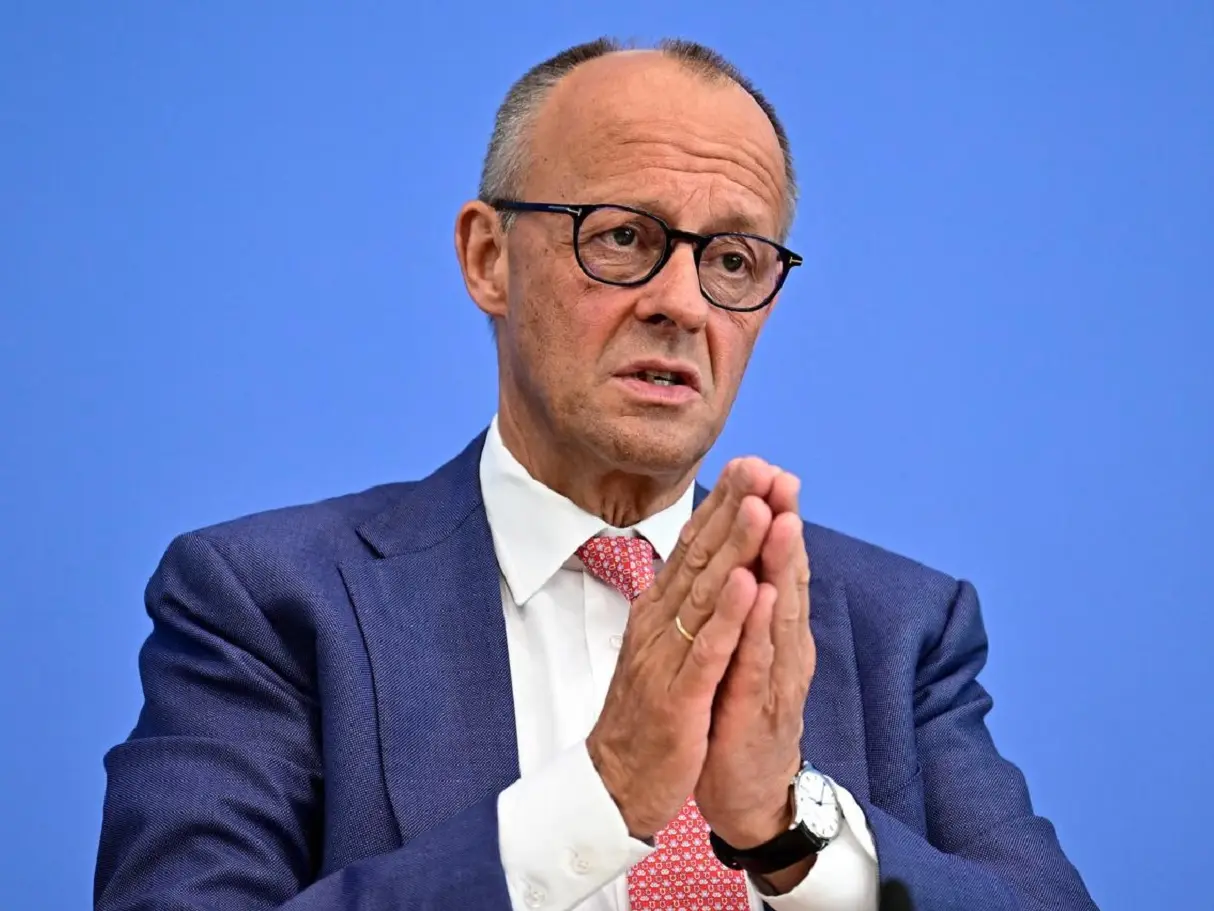)
Chancellor Friedrich Merz vows to stay on as exit polls signal major poll setback
)
North Korea's nuclear tests triggered 1,399 earthquakes: Earth is still shaking | Gravitas
)
Several petrol pumps, other businesses to refuse UPI payments above Rs 2,000 from Oct 16: Is it legal?
)
Kampala-Ankara rift deepens: Uganda suspends military ties, seeks Fred Lumbuye's extradition
)
AUS vs ZIM, 3rd ODI: Ellis stars as Australia edge Zimbabwe by one wicket in last-over thriller
)
West Indies Squad for India Series: Hetmyer included for T20Is, Holder rested
)
China now makes advanced memory chips without the machines it was banned from buying
)
Trump in ‘deciding mode’ on Iran, says ‘very big things’ going to happen soon
)
Harry Brook targets long reign at top of T20I rankings after Sri Lanka sweep
)
Microsoft executive called AI training the ‘largest theft of labour in human history’
)
Munich Mayor taps first keg to kick off Oktoberfest
Loan demand outlook in focus
Despite the tightening lending landscape, JPMorgan Chase's Chief Financial Officer, Jeremy Barnum, expressed optimism about reasonably robust loan card growth, particularly in auto loans. However, he also stated that the outlook for loan demand in other areas, including consumer and wealth sectors, is not as promising.
Slower bank lending can serve as a potential recession indicator, though it is not always definitive. According to Apollo's Chief Economist, Torsten Slok, the 'maximum negative impact' of tighter credit conditions on the gross domestic product (GDP) can take up to a year and a half to materialise.
While the possibility of a recession was a concern, the latest data from the Bureau of Labour Statistics has shown that the U.S. economy grew faster in the second quarter compared to the first. As a result, the growing consensus suggests that the immediate threat of a recession is diminishing.
Federal Reserve Chairman Jerome Powell echoed this sentiment, stating that the strong economic performance has instilled confidence in the country's economic outlook. Despite this optimism, the cautious approach taken by banks toward lending underscores the ongoing uncertainty surrounding the economic landscape.
(With Inputs from Agencies)