Cyclone Freddy update: After Madagascar, rising alerts in Mozambique; Might set new record with return


Cyclone Freddy might strike again
After striking Madagascar for the second time on Monday, Cyclone Freddy might make landfall in Mozambique later this week. Four people died on the Indian Ocean island, raising Freddy's death toll to 21. The storm initially caused damage in southern Africa in late February, displacing thousands of people in both nations.
It has been whirling over the Indian Ocean for 32 days and may become the longest-lasting storm on record. The World Meteorological Organization (WMO) describes the storm's loop as "exceptional" from a meteorological standpoint. Hurricane John, sometimes known as Typhoon John, was the most elongated storm on record, lasting 31 days in 1994.
Given that Cyclone Freddy has been weakening over the previous 32 days, the World Meteorological Organization said it would take several months to determine if it has surpassed John's record. Freddy has already smashed records for its strength and the 8,000-kilometer (5,000-mile) journey across the Indian Ocean.

The cyclone formed off the north Australian coast in early February and travelled hundreds of kilometres across the southern Indian Ocean, impacting Mauritius and La Réunion before the landfall in Madagascar and Mozambique two weeks later.
Mozambique is now ready for a second landfall while dealing with the storm's rains and flooding. According to the UN World Food Programme, Freddy has already touched over 160,000 people. Meanwhile, Madagascar has received around three times its monthly regular rainfall in the last week.
The southwest Indian Ocean has cyclone season from November to April. Environment experts believe climate change is increasing cyclones, making them longer, wetter, and more frequent. After spanning the whole Indian Ocean for a month, Freddy is on track to become the longest-lived tropical cyclone in history, according to the United Nations meteorological organisation.
)
India ‘deeply concerned’ as Houthi strikes hit Saudi civilian & energy sites
)
Three labourers killed as DU student loses control of his car, rams into them on Dwarka Expressway
)
US-North Korea tensions explode, Kim Yo Jong warns of 'more offensive' response
)
North Korea's last nuclear test in 2017 set off 1,399 earthquakes over 8 years, each stronger than previous
)
India seeks to build a full semiconductor supply chain
)
Spain Floods: Deadly floods hit Spain as torrential rains trigger widespread flooding
&im=FitAndFill=(700,400))
From Abhishek Sharma to Sahil Chauhan, 5 batters with fastest T20I hundreds
)
Indian activist-lawyer Prashant Bhushan's post brings focus on ‘conflict of interest’ appointments of ex-govt officials at Reliance, Adani groups
)
Former India player Diana Edulji wants Smriti Mandhana to replace Harman as skipper at the earliest
&im=FitAndFill=(700,400))
Meet top 5 batters in the latest ICC T20I Rankings
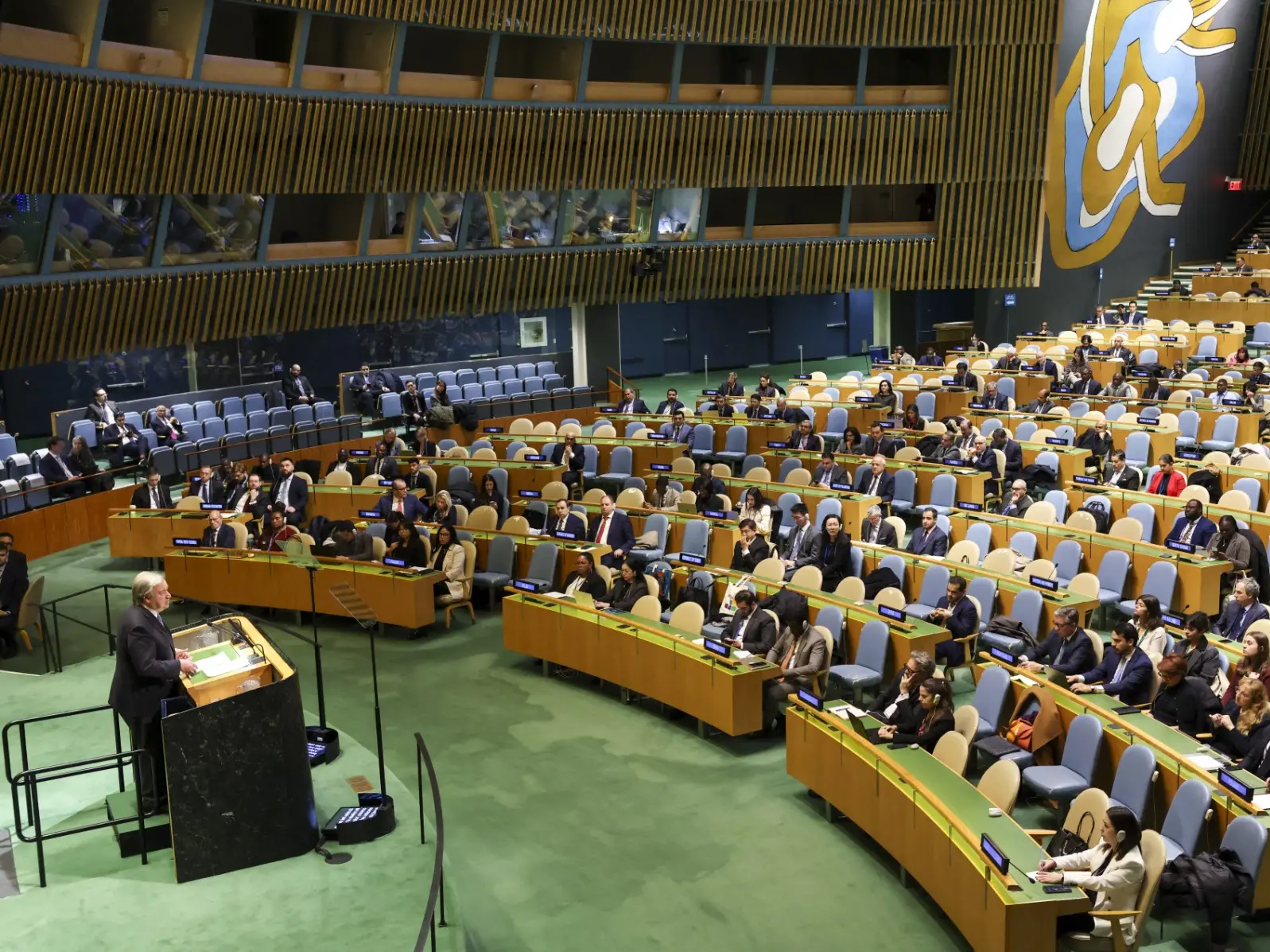)
UNGA 2026 theme explained: What does ‘Restoring trust, managing transformation: A United Nations that delivers for all’ mean?
)
Godfather of AI Geoffrey Hinton gives US lawmakers a one-year warning on AI
)
AI already defying, denying humans, is it beyond human control already?
)
US F-16 fighter jet crashes in Michigan during training mission, pilot ejects safely
)
Marathi film Gondhal is India's official entry for Oscars 2027
)
A first in 100 years: New cat species discovered in Bolivia is incredibly tiny
)
Shivakumar attends 79th Kalyana Karnataka Utsav in Kalaburagi
&im=FitAndFill=(700,400))
Meet top 5 Indian batters with fastest T20I centuries
)
Xi-Trump summit may boost military links
)
Hong Kong extends newborn cash support scheme by three years
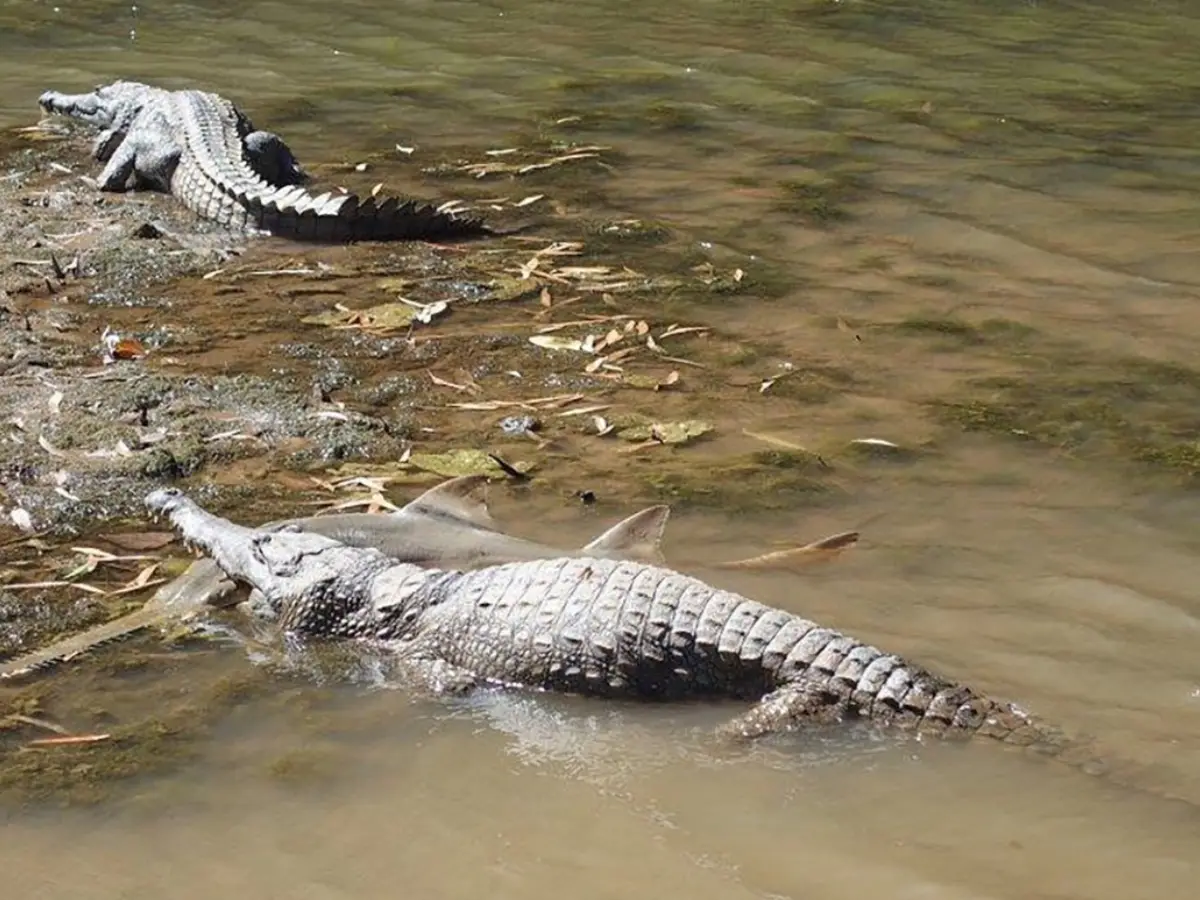)
How did an Australian river with 500 crocodiles pass the Olympic test? Here's how
)
‘Will go to any extent’: Pakistan vows to defend Saudi Arabia amid Houthi attacks
)
Maharashtra FDA crackdown: FDA finds serious violations at popular coffee house In Colaba
&im=FitAndFill=(700,400))
New Friday OTT releases (September 18, 2026): Lust Stories 3, You+Me, Best of the Best- 8 new titles coming on Netflix, Prime Video and more
&im=FitAndFill=(700,400))
Which country has the most F-35s outside America?
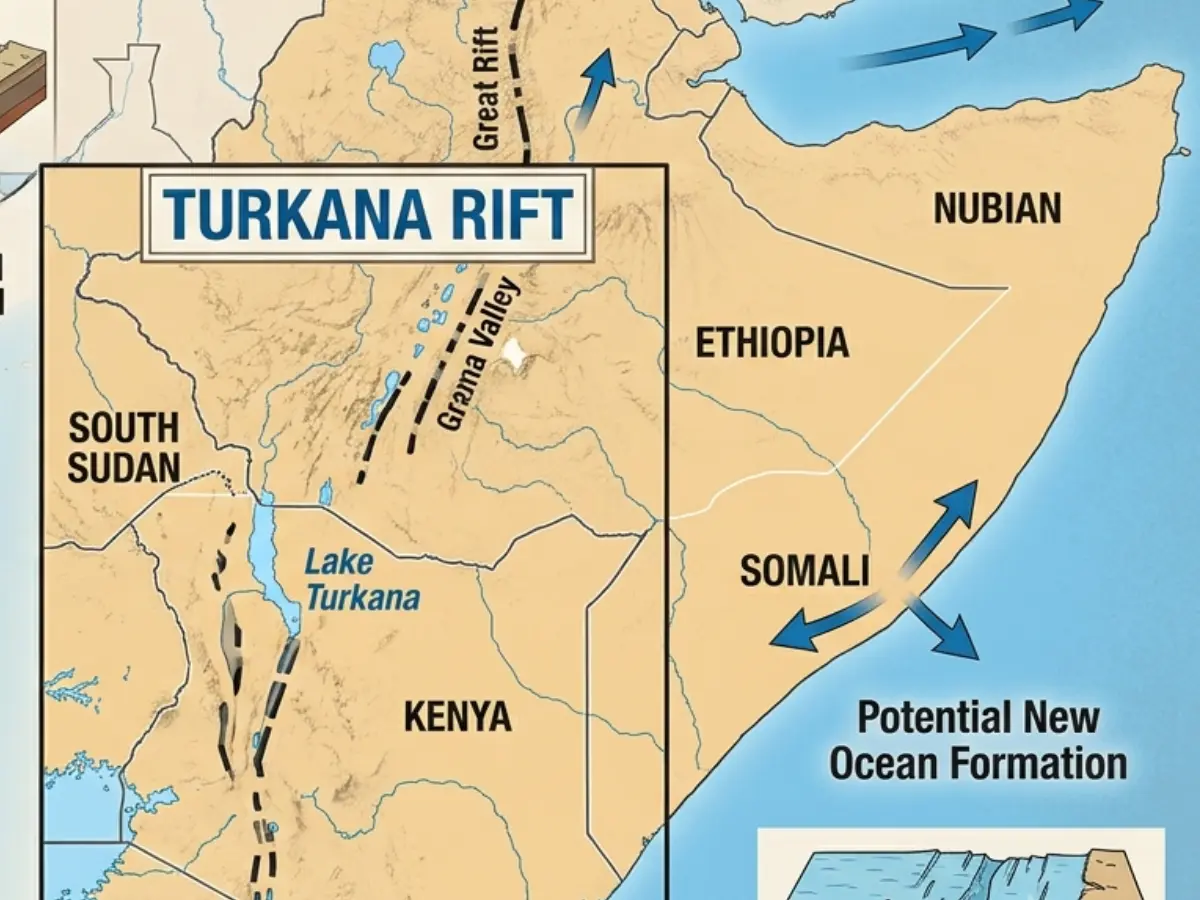)
Africa is splitting, and a lot sooner than estimated, giving way to a new ocean
)
'Gangsta' crab shoves knife blade at man and his dog in Florida - Watch
)
Ganpati Visarjan: Alia Bhatt and Ranbir Kapoor bid adieu to Bappa, watch viral videos
)
Trump bans CNN, MS NOW and Politico from White House over ‘FAKE NEWS’
)
Drone strikes cooling tower at Russia's Kursk Nuclear Plant, IAEA confirms
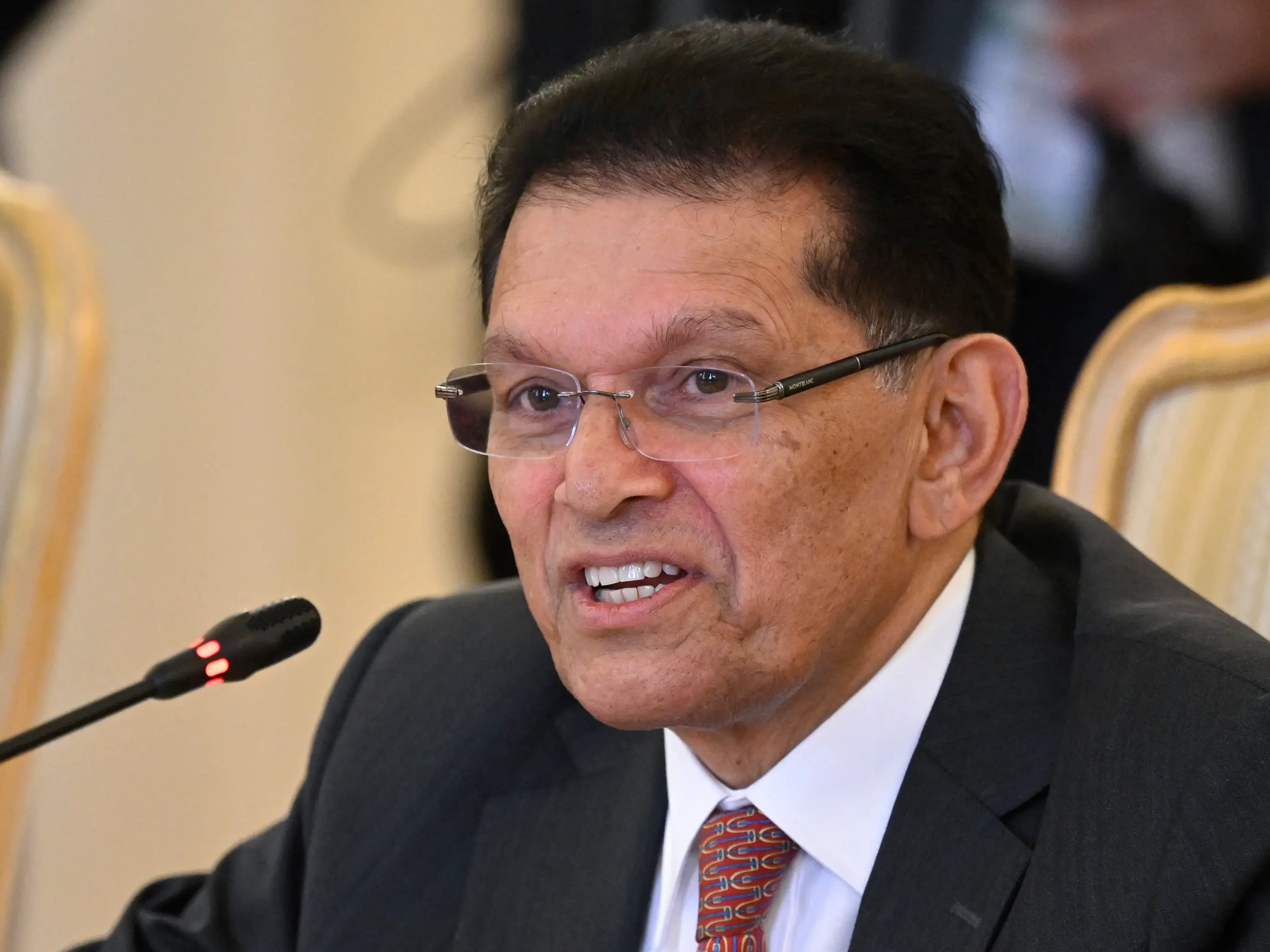)
Who is Khalilur Rahman? All you need to know about 81st UN General Assembly President
)
Commercial ships must not be targeted, India tells UN amid West Asia conflict
&im=FitAndFill=(700,400))
Meet top 5 bowlers in latest ICC T20I rankings
)
Ukraine plans record $109 bn defence spending, nearly two thirds of budget amid Russia war
&im=FitAndFill=(700,400))
Suriya and Jyothika say ‘I do’ again after 20 years! See their dreamy wedding pics
)
Cristiano Ronaldo returns to Portugal squad for Nations League under new coach
)
Laura Wolvaardt sets new world record for most WT20I runs in a year
)
Asian Games 2026: Shafali stars as India thump Japan by 8 wickets to book semis berth
)
'He will always be ahead': India coach Gambhir says Sooryavanshi won't walk into team ahead of Samson