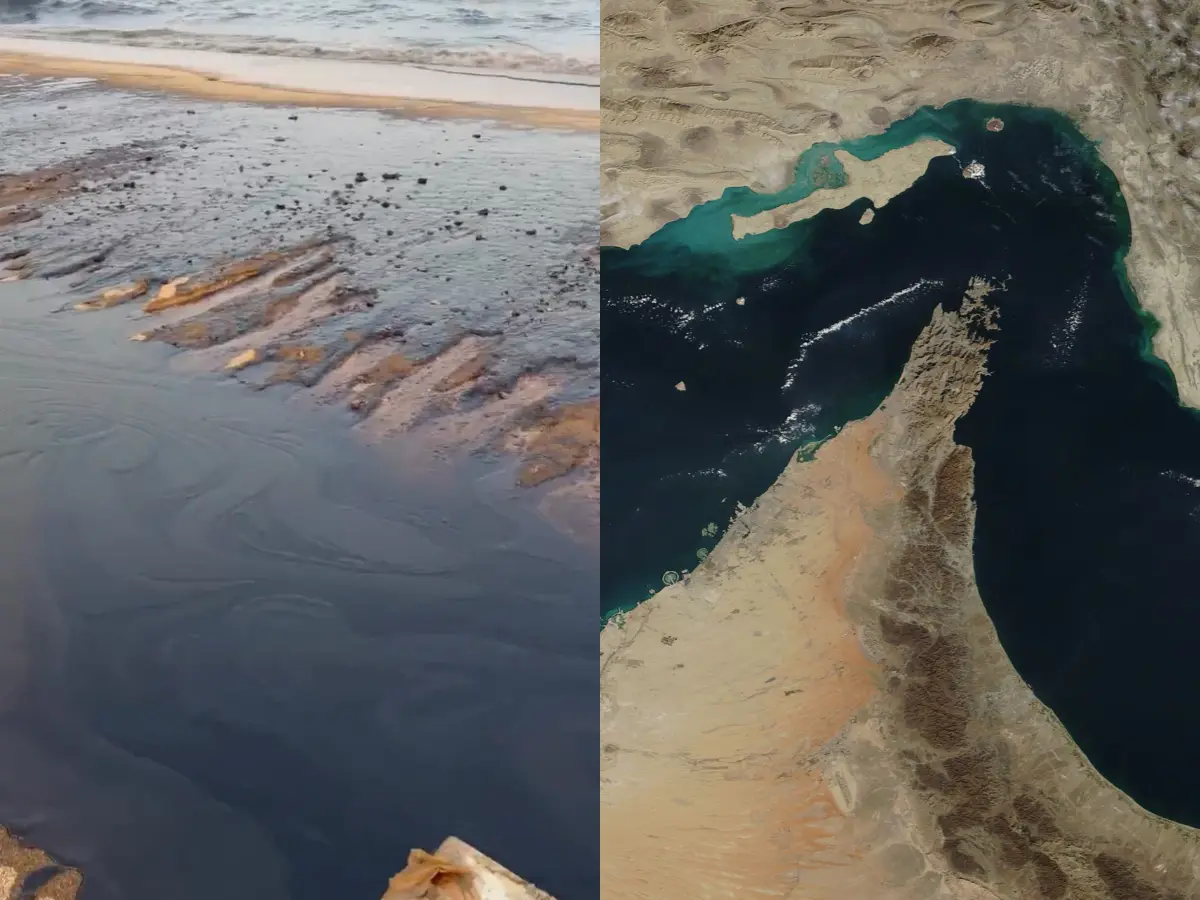
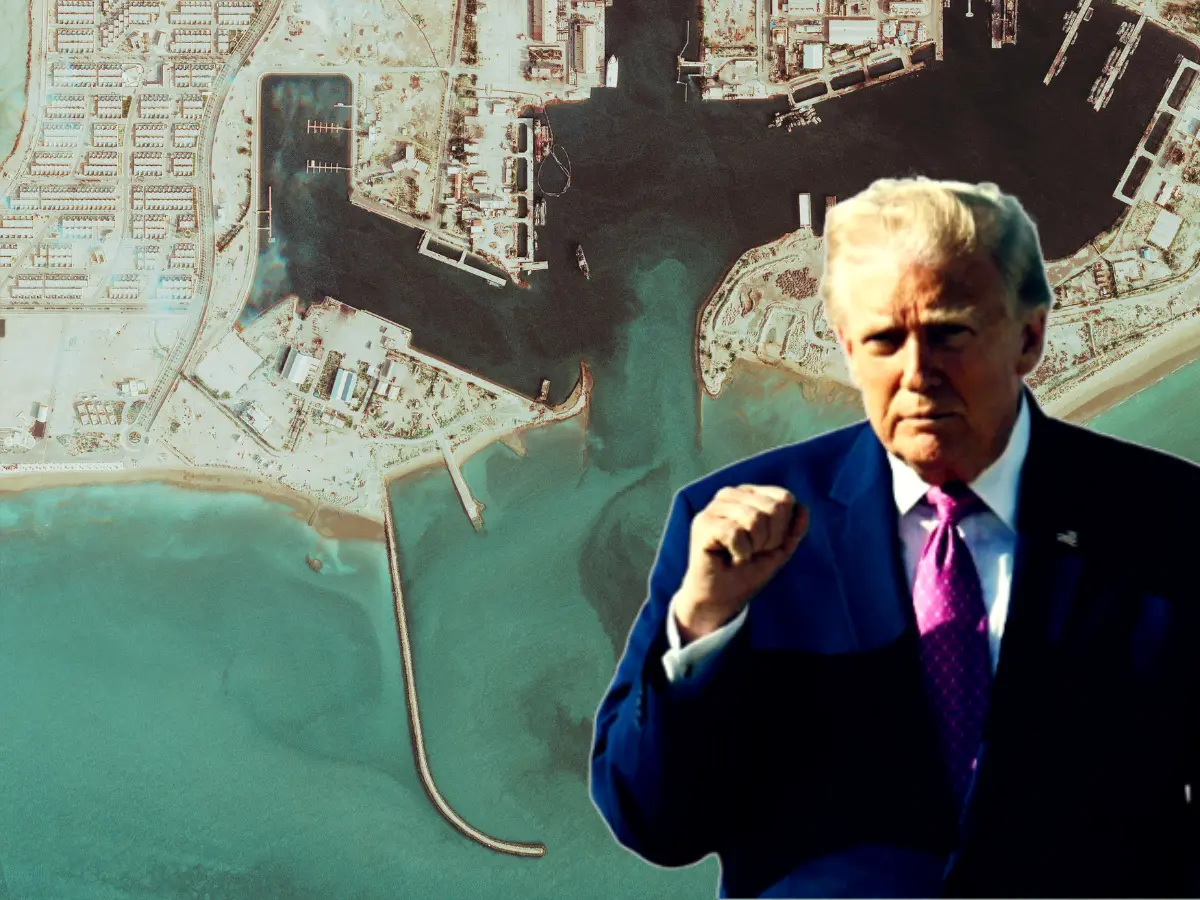
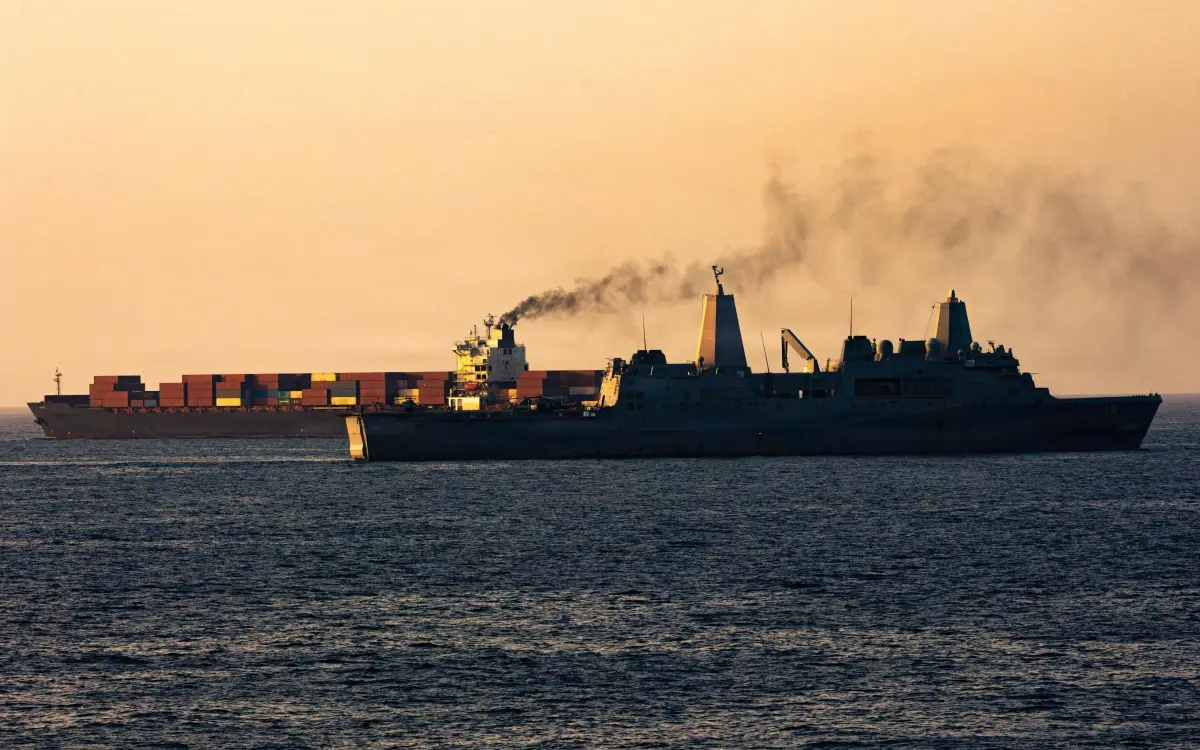
WION Decodes: Two-thirds of ships crossing Hormuz are now 'dark'. What does that mean?

&imwidth=600&imheight=450&format=webp&quality=medium "WION Decodes: Two-thirds of ships crossing Hormuz are now 'dark'. What does that mean?")
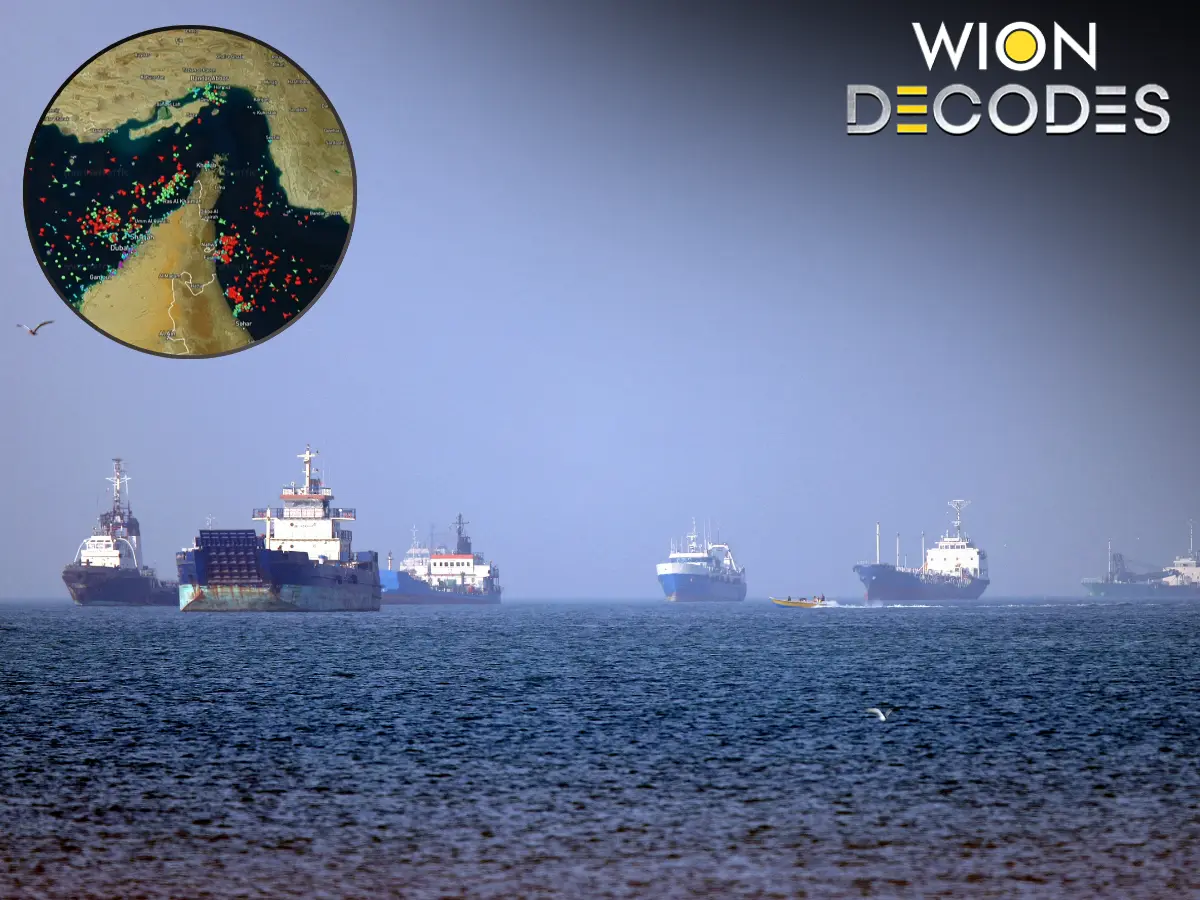
Strait of Hormuz has a new problem: Two-thirds of ships are now 'dark' Photograph: (Combination image crated using pics from AFP)
Two-thirds of vessels crossing the Strait of Hormuz are now being classified as "dark". But does that mean they are operating secretly, illegally, or simply disappearing from tracking systems? WION Decodes what is really happening.
The Strait of Hormuz, one of the world's most important energy corridors, has become increasingly difficult to track as the war between Iran, the US, and Israel continues. Before the conflict, fewer than 1 per cent of vessels crossing the strait were classified as "dark". Since July 8, that figure has risen to around two-thirds of all transits, according to maritime intelligence firm Kpler.
But what exactly does "dark" mean, and why does it matter?
What is a 'dark' ship transit?
In this context, "dark" does not necessarily mean that a vessel is operating illegally or secretly. It means that its exact route cannot be confirmed because of gaps in available tracking data.
According to Kpler, these gaps can result from disabled transponders, jammed signals, or missing satellite imagery. When tracking systems cannot establish where a vessel crossed the waterway, that transit is recorded as unknown or "dark".
Before the war, the vast majority of vessels followed the traditional corridor through the centre of the Strait of Hormuz, making their movements relatively easy to track.
Trending Stories
&imwidth=280&imheight=210&format=webp&quality=medium)
&im=FitAndFill=(700,400)&imwidth=280&imheight=210&format=webp&quality=medium)
&imwidth=280&imheight=210&format=webp&quality=medium)
&imwidth=280&imheight=210&format=webp&quality=medium)
&imwidth=280&imheight=210&format=webp&quality=medium)
&im=FitAndFill=(700,400)&imwidth=280&imheight=210&format=webp&quality=medium)
&imwidth=280&imheight=210&format=webp&quality=medium)
&imwidth=280&imheight=210&format=webp&quality=medium)
&imwidth=280&imheight=210&format=webp&quality=medium)
&imwidth=280&imheight=210&format=webp&quality=medium)
&imwidth=280&imheight=210&format=webp&quality=medium)
&imwidth=280&imheight=210&format=webp&quality=medium)
&imwidth=280&imheight=210&format=webp&quality=medium)
&imwidth=280&imheight=210&format=webp&quality=medium)
&imwidth=280&imheight=210&format=webp&quality=medium)
&imwidth=280&imheight=210&format=webp&quality=medium)
&imwidth=280&imheight=210&format=webp&quality=medium)
&imwidth=280&imheight=210&format=webp&quality=medium)
&imwidth=280&imheight=210&format=webp&quality=medium)
&imwidth=280&imheight=210&format=webp&quality=medium)
&imwidth=280&imheight=210&format=webp&quality=medium)
&imwidth=280&imheight=210&format=webp&quality=medium)
&imwidth=280&imheight=210&format=webp&quality=medium)
&imwidth=280&imheight=210&format=webp&quality=medium)
&im=FitAndFill=(700,400)&imwidth=280&imheight=210&format=webp&quality=medium)
&imwidth=280&imheight=210&format=webp&quality=medium)
&imwidth=280&imheight=210&format=webp&quality=medium)
&imwidth=280&imheight=210&format=webp&quality=medium)
&imwidth=280&imheight=210&format=webp&quality=medium)
&imwidth=280&imheight=210&format=webp&quality=medium)
&imwidth=280&imheight=210&format=webp&quality=medium)
&imwidth=280&imheight=210&format=webp&quality=medium)
&imwidth=280&imheight=210&format=webp&quality=medium)
&imwidth=280&imheight=210&format=webp&quality=medium)
&imwidth=280&imheight=210&format=webp&quality=medium)
Also read | Trump calls Strait of Hormuz 'American territory', vows Iran will never get nuclear weapon
Why are so many transits now going dark?
The pattern changed after Iran closed the strait following the outbreak of the war.
The waterway now effectively has two competing routes. One runs along the Iranian side and is the only route approved by Tehran. The other lies farther south, near Oman's coast and potentially mined waters.
During the relatively calmer period between June 17 and July 7, around nine ships a day used the Iranian route, and eight used the Omani route. Others travelled through unidentified routes or the former International Maritime Organization corridor. After hostilities resumed on July 8, however, the share of unidentified or "dark" crossings surged to two-thirds.
How much has traffic through Hormuz fallen?
The change in tracking visibility comes alongside a huge decline in overall shipping. Before the war, around one-fifth of global oil and liquefied natural gas exports passed through the Strait of Hormuz.
In February, an average of 95 commodity carriers crossed the strait each day. After Iran closed the waterway on March 1, it fell to around 10 per day.
A June agreement briefly pushed the average up to 36 daily transits. But after fighting resumed on July 8, the number dropped again to around 15 transits a day through August 22.
Also read | UAE suspends trade with Iran, accuses it of targeting Gulf shipping; Tehran calls claim baseless
Are sailors still trapped in the Gulf?
Yes. The disruption has left around 6,000 sailors and 500 vessels stranded in the Gulf, according to the International Maritime Organization. The IMO said discussions were continuing on securing a safe maritime route, but stressed that progress depended on de-escalation in the region.
The maritime risks have also become deadly. The IMO has recorded 68 incidents in the Gulf and neighbouring waters during the war, including 47 incidents classified as attacks by the UK Maritime Trade Operations.
At least 20 seafarers and port workers have been killed, 35 wounded, and one remains missing, according to the IMO.
Why does the 'dark' trend matter?
The rise in dark transits makes it harder to know exactly where vessels are travelling through one of the world's most important shipping chokepoints. That creates uncertainty for ship operators, insurers, governments and maritime authorities, especially in waters where Iran has warned of possible mines and where commercial vessels have already come under attack.