&imwidth=800&imheight=600&format=webp&quality=medium "Will Khamenei’s sons take charge if Iran’s Supreme Leader is forced to exit? Who are they and what do reports say?")
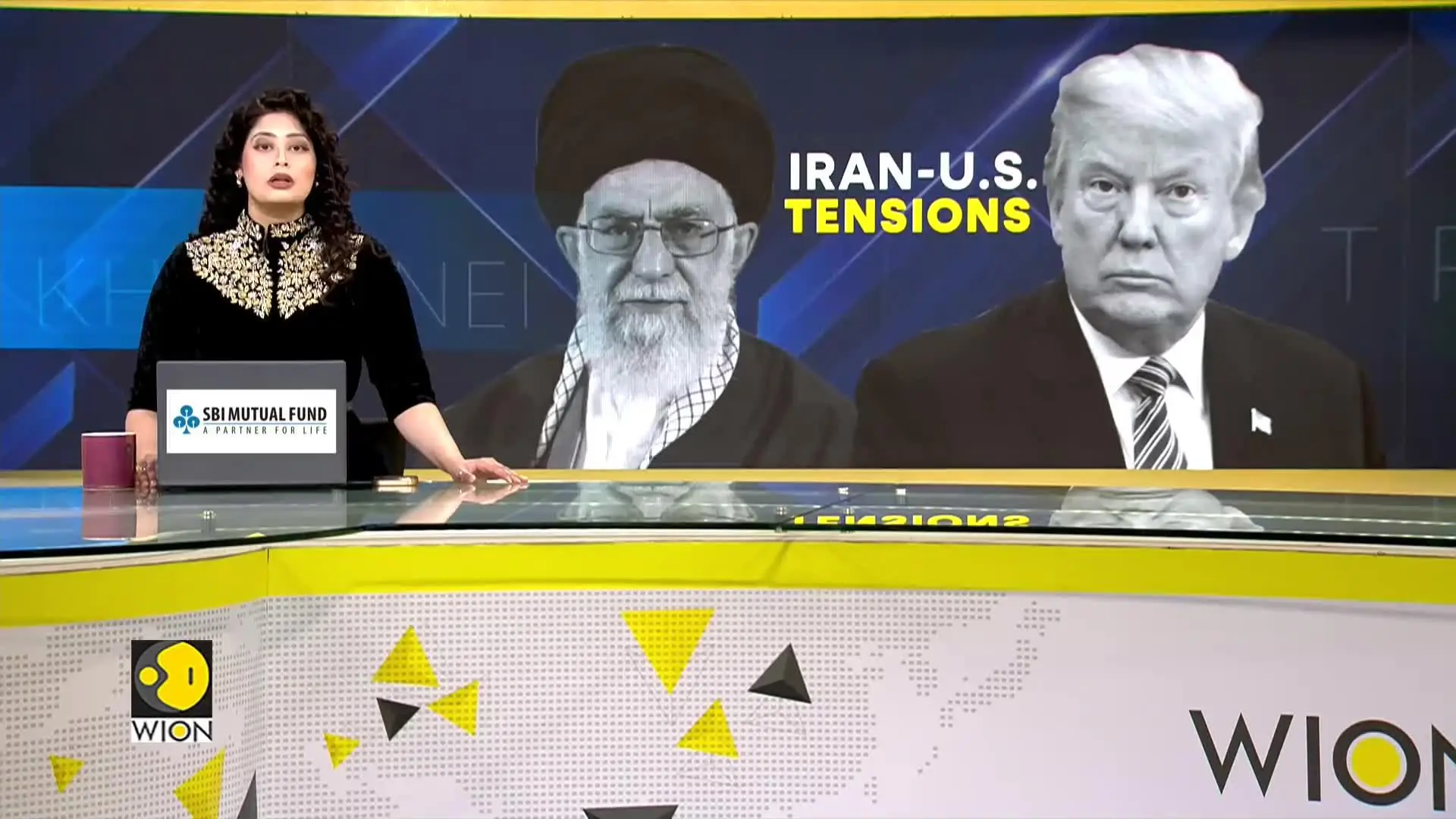
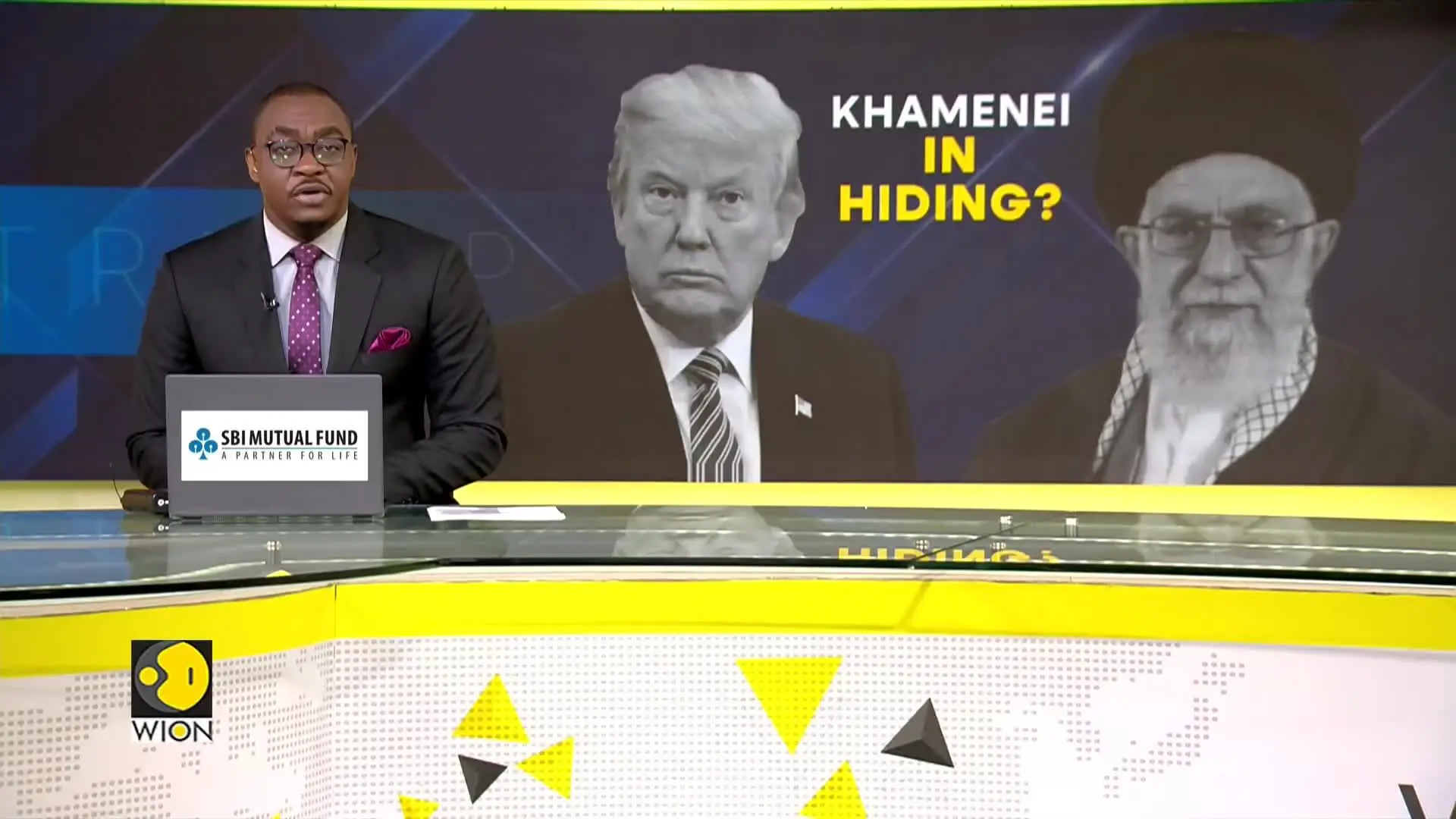
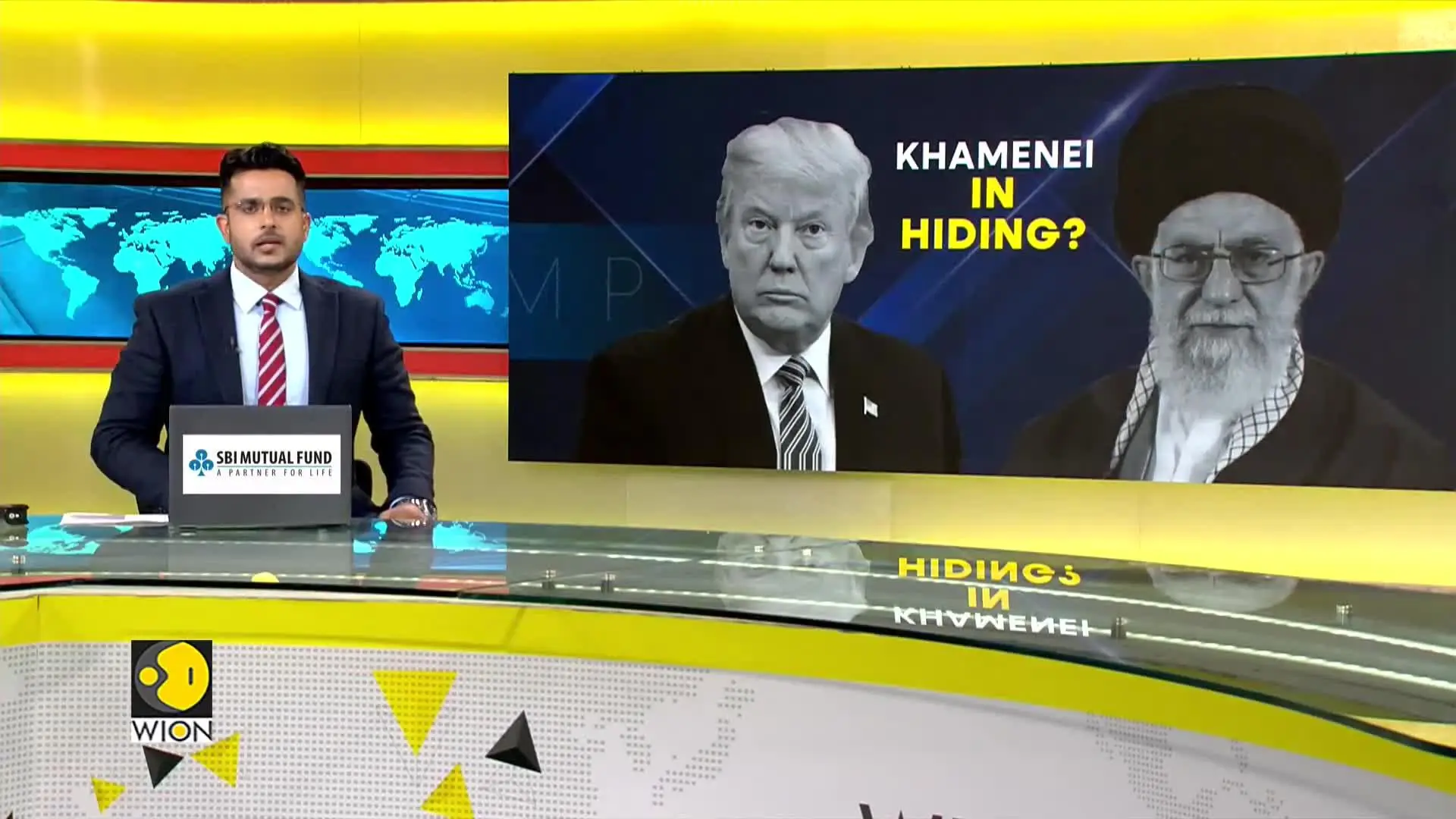
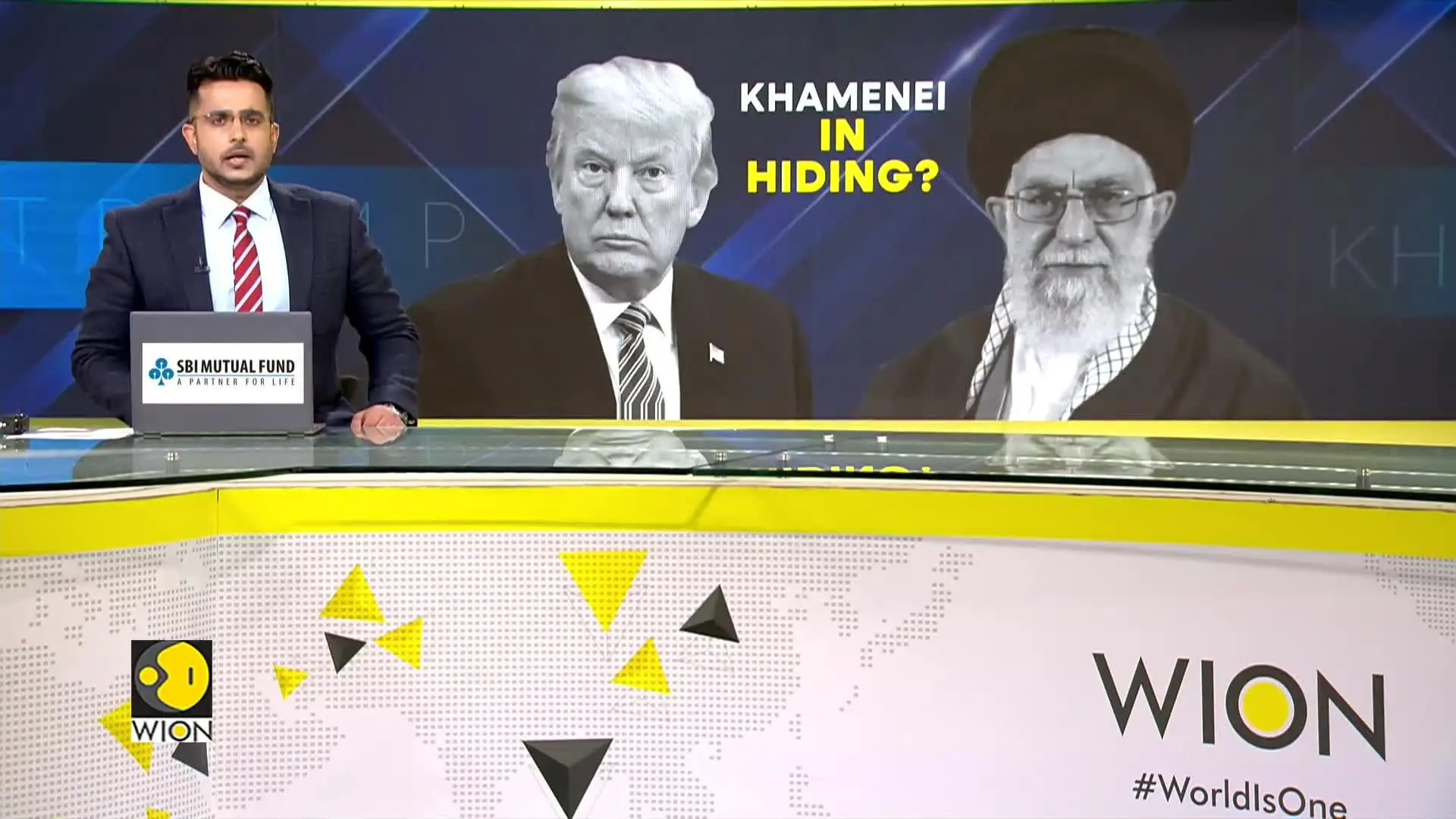
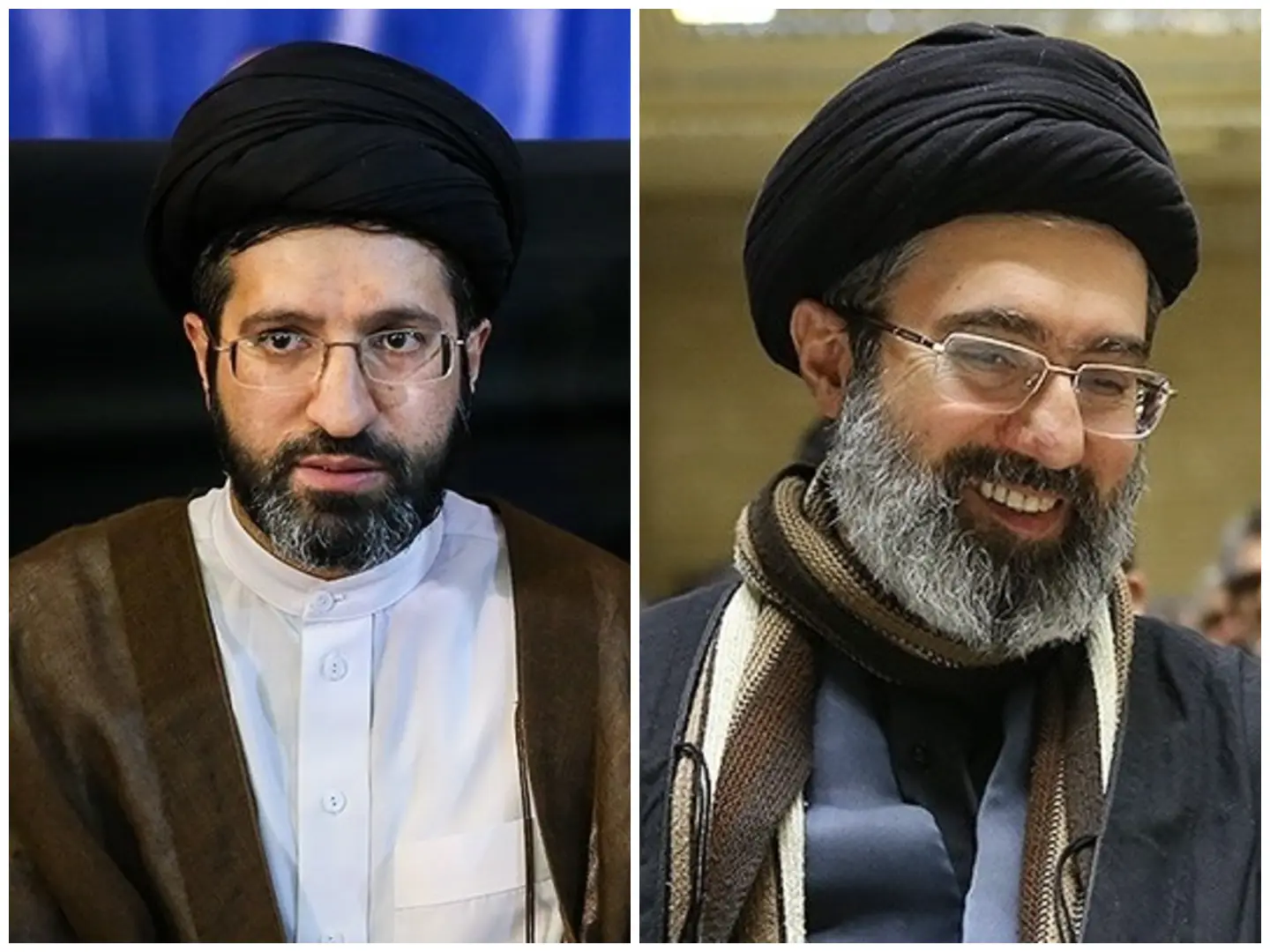
Unconfirmed and often speculative reports are claiming that a son of Ayatollah Ali Khamenei has “taken charge” as the Iranian Supreme Leader is being protected by the Islamic Republic amid threats of possible US military action against the regime. Some reports say it's Mojtaba Khamenei, while others say it's Masoud Khamenei. The claims originate largely from opposition-aligned and predominantly online media outlets, and there is no official confirmation at the time of writing. Attention has nevertheless shifted sharply to who could fill the power vacuum in the possible absence of Khamenei, who is aged 90. His sons Mojtaba and Masoud are considered the most prominent among his children. Here is what is known about them. Khamenei has four sons and two daughters.
Who is Masoud Khamenei, who has reportedly taken charge in Iran?
While much remains unclear, there have been reports of US Navy deployments, particularly the USS Abraham Lincoln Carrier Strike Group, alongside speculation about possible Israeli–US actions targeting Iran, with the aim of a possible regime change. There were also reports, rejected by the Iranian regime, that Ayatollah Ali Khamenei has relocated to a fortified underground bunker in Tehran for security reasons.

That's when the names of Masoud and Mojtaba started floating in media reports.
Seyyed Masoud Hosseini Khamenei is the third son of Iran’s Supreme Leader and his wife, Mansoureh Khojasteh Bagherzadeh. Opposition-affiliated outlets such as Iran International, amplified by US and Western media, have claimed that amid heightened fears of US military strikes, Masoud has assumed an expanded role.
Trending Stories
)
Pentagon revives mandatory testosterone testing for male troops aged 30 and above
)
FACT CHECK: Why did PM Modi ask Xi ‘is it okay’ at BRICS Summit? New video reveals...
)
India seeks to build a full semiconductor supply chain
&im=FitAndFill=(700,400))
From Abhishek Sharma to Sahil Chauhan, 5 batters with fastest T20I hundreds
)
Pyongyang dismisses US, western pressure over nuclear programme
)
US And Denmark reach Greenland deal, Trump announces expanded military presence
)
Google’s Gemini AI hacks real systems by guessing passwords during security test
)
US hiding troop deaths in Iran war? Toll higher than Pentagon count, claims report
)
China may have gained access to US's classified F-35 jets; parts meant for repairs diverted to Hong Kong, sparking Pentagon inquiry
)
NASA research plane reaches 61,000 feet over Panama
)
Godfather of AI Geoffrey Hinton gives US lawmakers a one-year warning on AI
)
Trump signs Russia sanctions law: India faces fresh 100% tariff threat over Russian oil
)
Brigitte Bardot’s private collection set for Paris auction; key items and prices revealed
)
Why Ranveer Singh’s Dhurandhar missed India’s Oscar entry; FFI jury member reveals what happened
)
Zendaya and Tom Holland step out for a low-key date in Los Angeles
)
‘Will go to any extent’: Pakistan vows to defend Saudi Arabia amid Houthi attacks
)
The Verdict | When precision fails: US commits war crime in Minab school strike, UN finds
)
Trump signs Russia sanctions bill into law, targets Moscow’s energy sector
66 years of the Indus Waters Treaty: How India and Pakistan settled a bitter river dispute
&im=FitAndFill=(700,400))
New Friday OTT releases (September 18, 2026): Lust Stories 3, You+Me, Best of the Best- 8 new titles coming on Netflix, Prime Video and more
)
Pak: A series of counter terrorism operations in Khyber Pakhtunkhwa
)
Fast bowler Brydon Carse faces no charges over Derby nightclub incident
)
Flying cars in UAE: Ras Al Khaimah signs deal with Chinese company to test new transport
)
Africa is splitting, and a lot sooner than estimated, giving way to a new ocean
)
Trump bans CNN, MS NOW and Politico from White House over ‘FAKE NEWS’
)
Trump 2.0: Dark days ahead for America’s ‘imperial presidency’
)
Trump's Greenland dream comes true? POTUS announces 'Infinite Life' deal with Denmark, claims permanent US control
)
Tirupati Laddu ghee adulterated with chemicals, says ED, supplier arrested
)
Who is Khalilur Rahman? All you need to know about 81st UN General Assembly President
)
IIT Bombay student dies by suicide, was caught seeking AI help during exams
&im=FitAndFill=(700,400))
Meet top 5 bowlers in latest ICC T20I rankings
)
Indian Cinema bets big on mythology, brings ancient stories to modern audiences
)
Ukraine plans record $109 bn defence spending, nearly two thirds of budget amid Russia war
)
Russia holds first parliamentary elections since the beginning of the Ukraine war
&im=FitAndFill=(700,400))
Meet top 5 Indian batters with fastest T20I centuries
)
According to the reports, Masoud has assumed temporary day-to-day management of the Supreme Leader’s office, acting as the primary liaison between the leader who is allegedly operating from the bunker, and regime authorities, executive structures, the military-security machinery and key institutions. The stated aim is to ensure continuity of command and operations.
Some reports went further, claiming that Masoud is “taking over leadership of the country” temporarily or “acting as the Supreme Leader”. This is most likely meant in a managerial or proxy sense during a crisis period, rather than indicating any formal transfer of power.
It is highly unlikely that this represents a constitutional succession or formal handover either. Rather, it appears to be a precautionary and interim arrangement linked to immediate security threats, not a permanent shift.
Masoud has long been part of the Supreme Leader’s inner circle, although little is publicly known about him due to his low profile. He remained largely obscure outside elite regime circles, as well as opposition networks and international observers focused on the Khamenei family. The 53-year-old Shia cleric makes very few official appearances or public statements.
He has largely been involved in managing aspects of his father’s communications operations and is often described as a key figure behind Khamenei’s official website khamenei.ir, which disseminates the Supreme Leader’s messages, speeches and propaganda.
Reports suggest Masoud handles communications, media and administrative roles within the Supreme Leader’s office, known as Beit-e Rahbari. He reportedly acts as a behind-the-scenes coordinator rather than a frontline political or security operator, unlike his brother Mojtaba.
The prominent son: Mojtaba Hosseini Khamenei
The second son of Khamenei, Mojtaba Khamenei, is more prominent within family and regime dynamics. The mid-ranking Shia cleric is often titled Hojjatoleslam, although some reports refer to him as an ‘ayatollah.’
Mojtaba studied theology under his father and other prominent clerics at the Qom seminary, where he later taught. He served during the Iran–Iraq War in the 1980s with the Basij, the paramilitary force of the Islamic Revolutionary Guard Corps (IRGC). He reportedly has deep ties to the IRGC, Basij paramilitary units and Iran’s intelligence structures, developed over several decades.
Married to Zahra Haddad-Adel, the daughter of a former parliamentary speaker, Mojtaba has three children. He also maintains a very low public profile and rarely appears in public or speaks openly.
Various reports have described him as “shadowy”, “enigmatic”, or a “backroom figure” who acts as a gatekeeper to his father.
Mojtaba is accused of playing a key role in the 2009 post-election crackdown and the suppression of the Green Movement. According to Western media narratives, he allegedly helped manipulate election results in favour of Mahmoud Ahmadinejad by directing Basij forces. He has also been linked to security and intelligence operations suppressing protests at various times, including during the 2022–2023 unrest. The US Treasury has sanctioned Mojtaba for alleged human rights abuses and repression.
He has further been linked, in unconfirmed reports, to regime efforts to move funds out of Iran via cryptocurrency amid protests and external threats.
Who will succeed Khamenei?
The selection of Iran’s Supreme Leader does not follow a hereditary line but is constitutionally decided by the Assembly of Experts. The Supreme Leader must possess high clerical credentials, management experience and broad public recognition.
Mojtaba is generally considered to fall short in clerical rank and formal governance experience compared with senior ayatollahs already within the system, although reports over the years have suggested he was being groomed for a higher role. Ali Khamenei himself has publicly opposed dynastic succession. Reports in 2025 indicated that he had identified three other senior clerics as contingency options amid Israel–US tensions, notably excluding Mojtaba.
However, if Khamenei were to be removed through a US military operation or intense American pressure, an orderly succession might not occur. Regime instability and political chaos could follow, rather than a smooth transition. If Mojtaba were to become Supreme Leader, it would widely be viewed as establishing dynastic rule, contradicting the Islamic Republic’s founding anti-monarchical principles that emerged from the 1979 revolution and the overthrow of the Shah’s dynasty.