Can Iran attack US mainland if Trump strikes Tehran first?

For Google Discover traffic, the most realistic "mainland" threat isn't a missile, but cyber warfare. Iran’s "Charming Kitten" and "Mint Sandstorm" hacking groups have significantly matured.
1. The ICBM "Threshold" Status
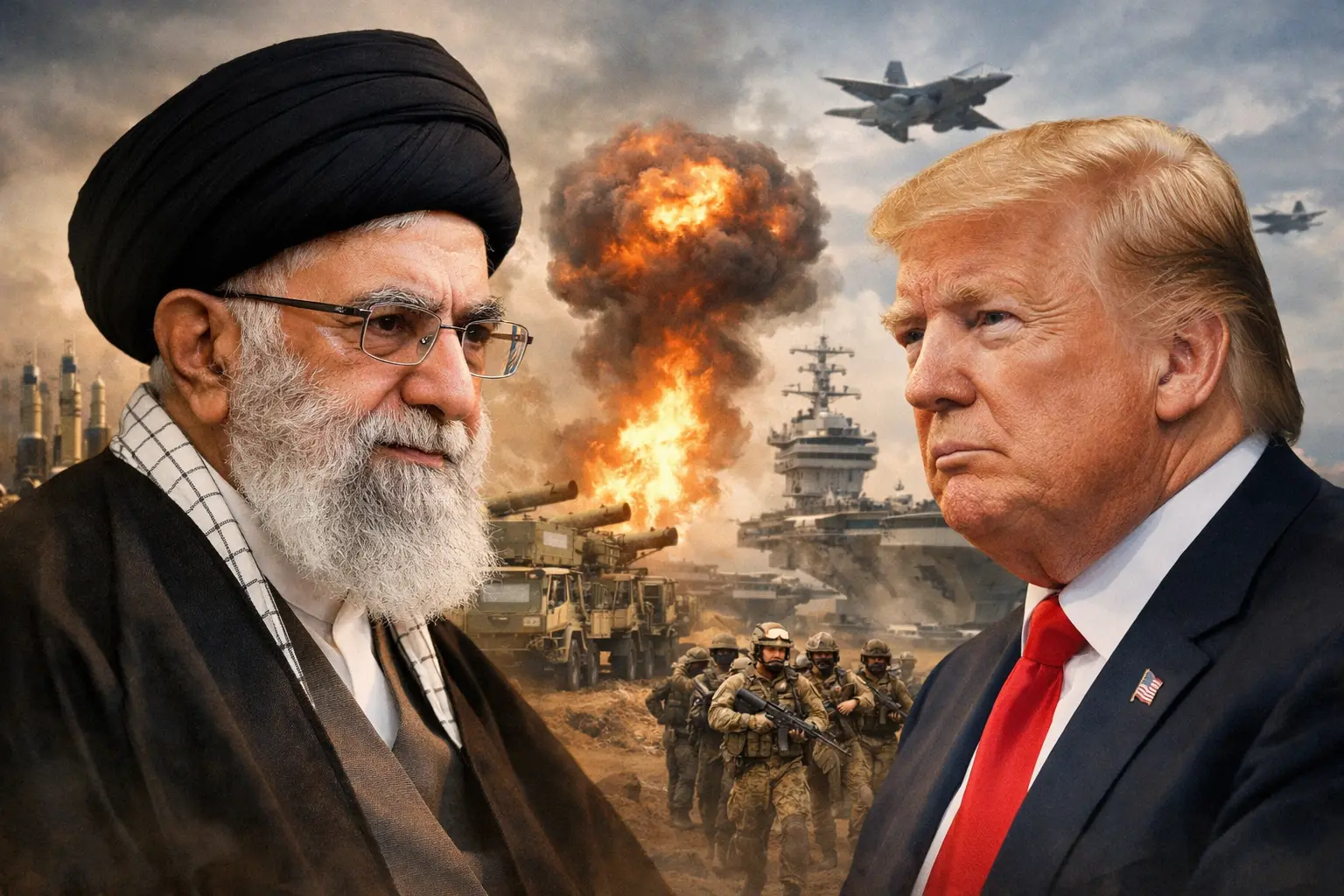
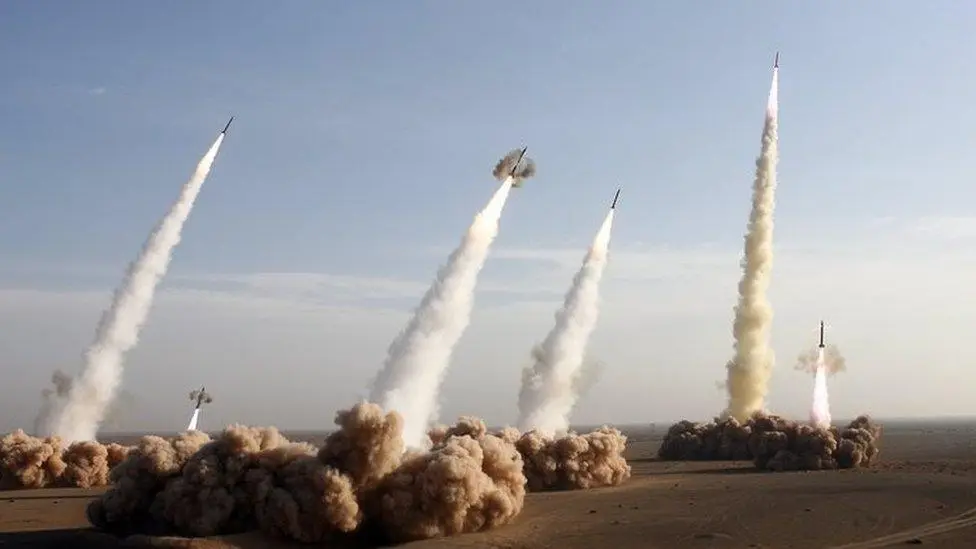
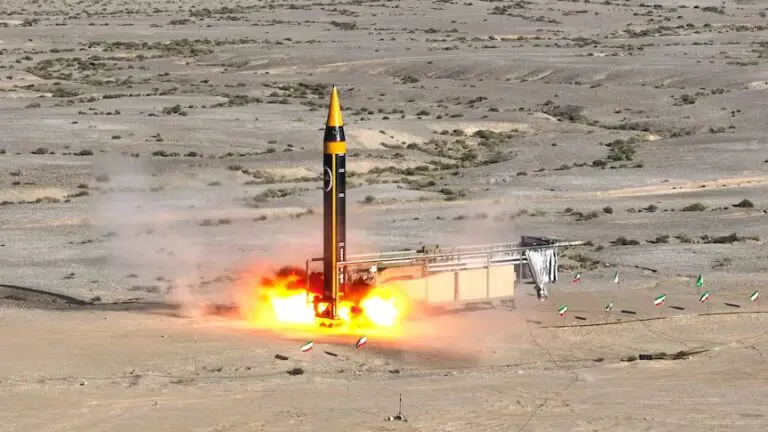
Currently, Iran does not have a confirmed, operational Intercontinental Ballistic Missile (ICBM) capable of reaching the U.S. mainland. However, military analysts note that Iran’s space program (the Simorgh and Zuljanah launch vehicles) uses technology that is "dual-use." This means the transition from a satellite carrier to a long-range missile is primarily a matter of re-entry vehicle technology. While a direct nuclear strike is not currently a conventional threat, the "threshold" status means Tehran is closer to this capability than it was a decade ago.
2. Asymmetric "Sleeper" and Cyber Operations
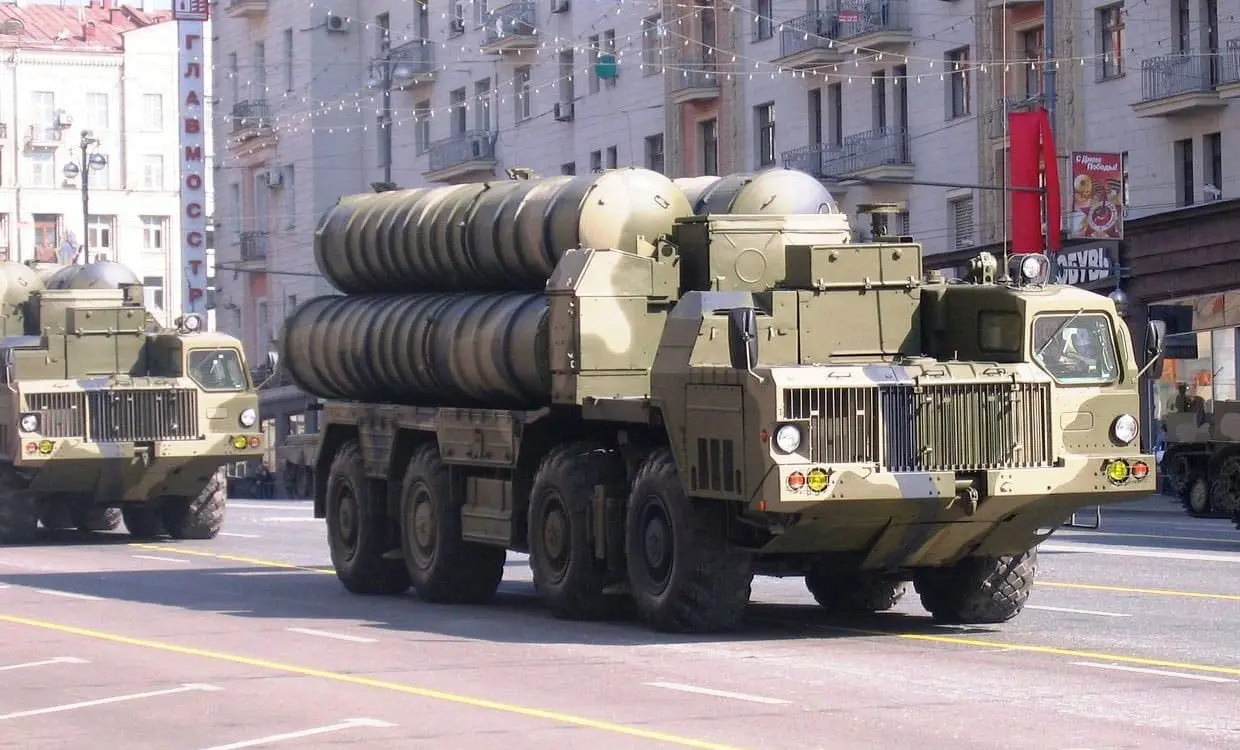
Iran’s "Charming Kitten" and "Mint Sandstorm" hacking groups have significantly matured. In response to a strike on Tehran, these groups would likely target US critical infrastructure, specifically power grids, water treatment plants, and the financial sector. The goal would be to bring the psychological impact of the war directly to American cities without firing a single physical shot.

3. Proxies and "Gray Zone" Attacks
US intelligence agencies (FBI and DHS) have historically warned about Iranian-linked "sleeper cells" or proxies operating within North America. While widespread attacks are unlikely, targeted assassinations of high-ranking officials or sabotage of sensitive facilities remain a top concern for US domestic security. This "shadow war" is Iran’s primary way of projecting power beyond its regional borders.
4. Transcontinental Drone Technology
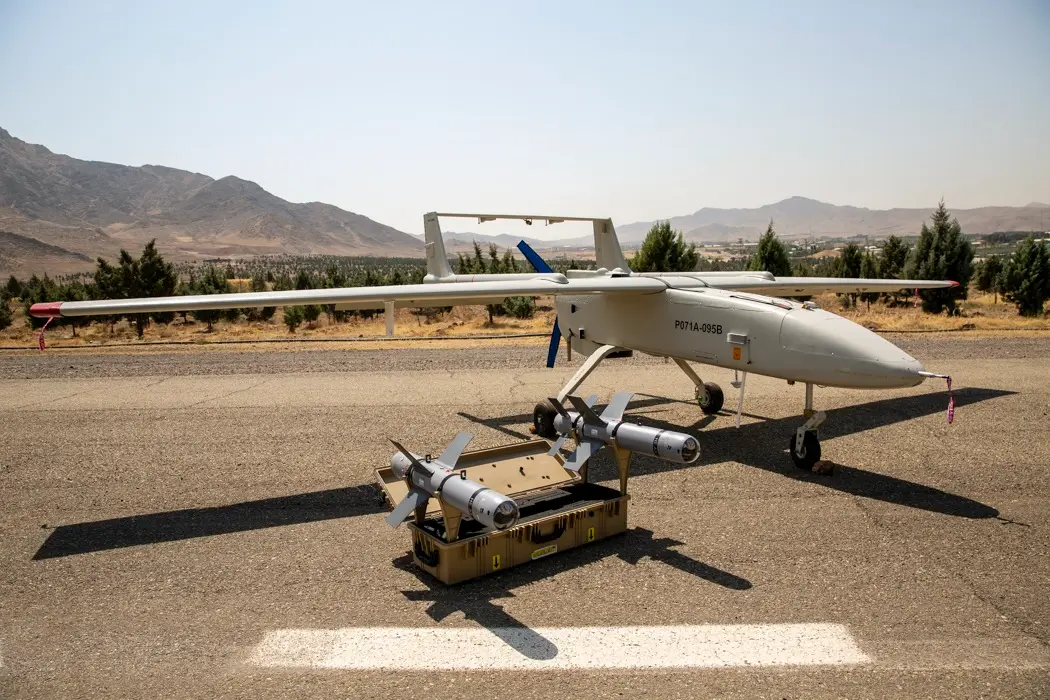
Iran has become a global leader in low-cost, long-range loitering munitions (suicide drones). While these currently lack the range to cross the Atlantic, there are concerns regarding "launch platforms." Analysts have theorized that Iran could use modified commercial cargo ships, acting as "mobile missile bases" in the Atlantic—to launch drones or short-range missiles toward U.S. coastal cities. This would bypass the need for a traditional ICBM.
5. The "Red Line" Deterrence
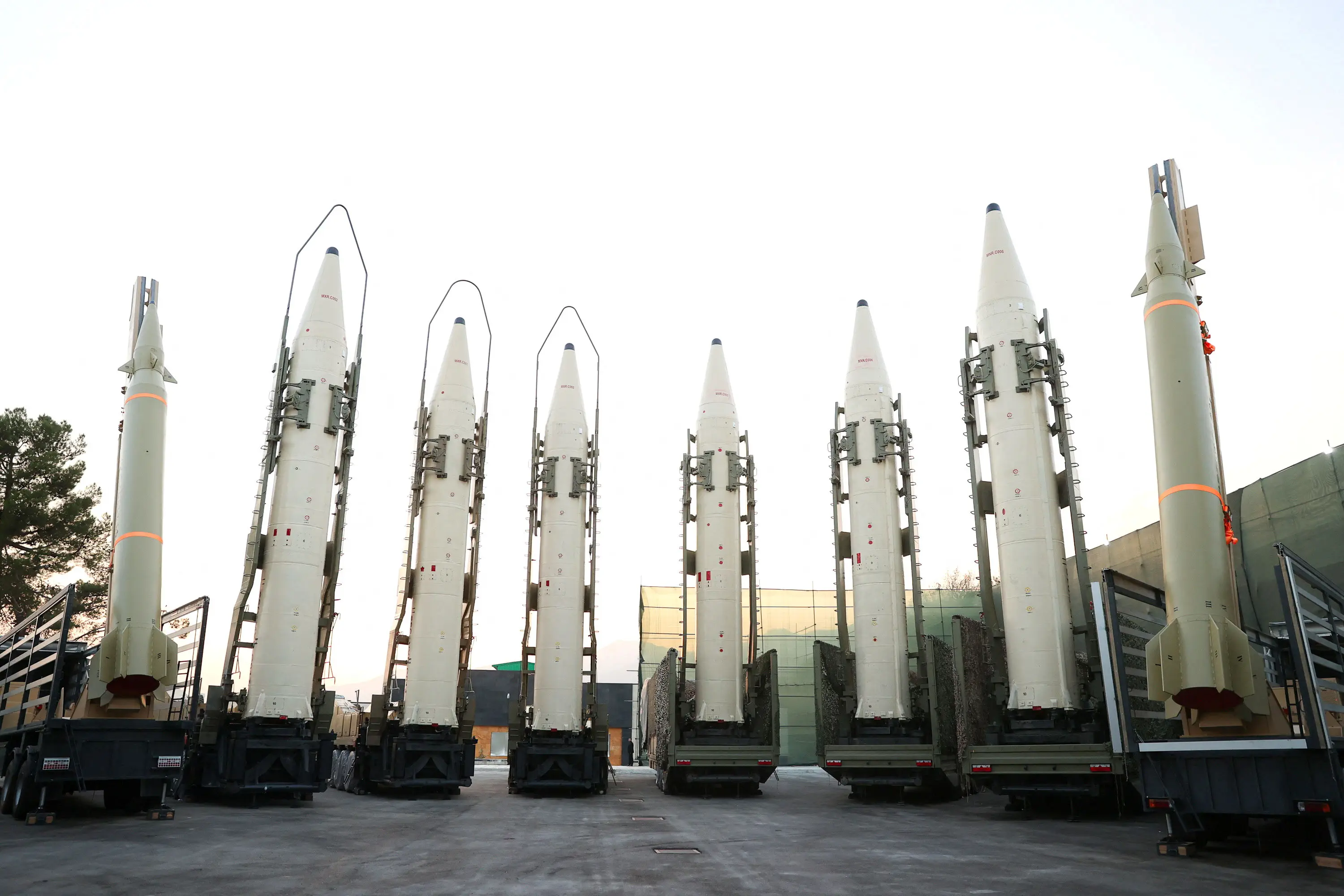
The reason President Trump has moved the USS Abraham Lincoln into the theater is to ensure that the cost of attacking the US mainland remains "existential" for the Iranian regime. The US relies on its Ground-based Midcourse Defense (GMD) in Alaska and California to intercept any rogue long-range launches, creating a "shield" that Iran is currently unlikely to penetrate with its current missile inventory.
6. The "Floating Fortress" & Drone Mother-Ships
Military analysts have expressed growing concern over Iran's use of converted commercial tankers, such as the IRINS Makran, acting as "mobile sea bases." As the USS Abraham Lincoln moves into the Indian Ocean, these Iranian vessels, which have previously been spotted in the Atlantic, could serve as launch platforms for long-range suicide drones or anti-ship missiles. By operating from international waters in the Atlantic or Caribbean, these ships could technically bring US coastal cities within range of "loitering munitions" (like the Shahed-136), bypassing the need for a traditional, detectable ICBM launch.
7. Activation of "Gray Zone" Sleeper Cells
A strike on Tehran would likely trigger what US intelligence agencies (FBI/DHS) call "asymmetric domestic retaliation." In early 2026, federal authorities have increased monitoring of individuals with ties to the IRGC's Quds Force operating within the US mainland. Rather than a large-scale military invasion, the threat involves targeted sabotage of critical infrastructure, such as power substations or water treatment plants and potential assassination plots against current and former US officials. This "stay-behind" network is designed to create internal chaos, forcing the Trump administration to divert military resources back to domestic security.
)
)
)
)
)