'2nm vs 3nm chips': What's the real difference?

While 3nm chips use FinFET architecture, 2nm processors upgrade to Gate-All-Around nanosheets. This redesign boosts speed by 15 per cent and reduces power consumption by 30 per cent. However, 2nm wafer costs have surged to a massive USD 30,000.
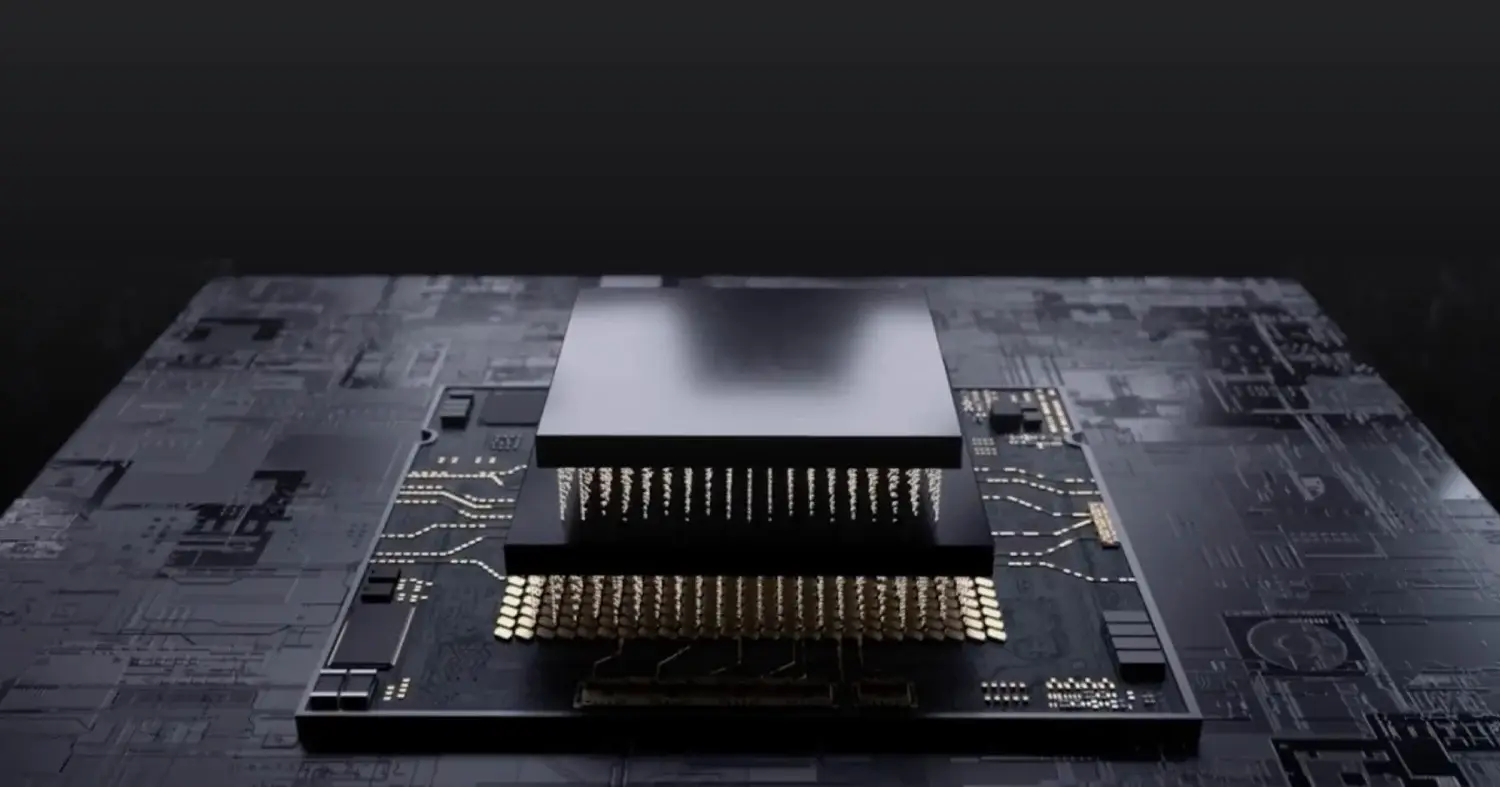
The Next Silicon Leap
For years, 3-nanometre chips have powered the world's most advanced smartphones and AI servers. However, semiconductor giants like TSMC are now rapidly transitioning to 2-nanometre technology, marking one of the largest engineering leaps in a decade.

The Death of FinFET
The fundamental difference is not just size, but a complete structural redesign. While 3nm chips rely on traditional FinFET architecture, 2nm processors transition to Gate-All-Around (GAA) nanosheet transistors to radically reduce energy leakage.

Packing More Transistors
By adopting this advanced nanoscale architecture, engineers can pack significantly more processing power into the exact same physical footprint. According to TSMC specifications, the 2nm node delivers a 15 per cent increase in logic density compared to enhanced 3nm chips.
A Massive Speed Boost
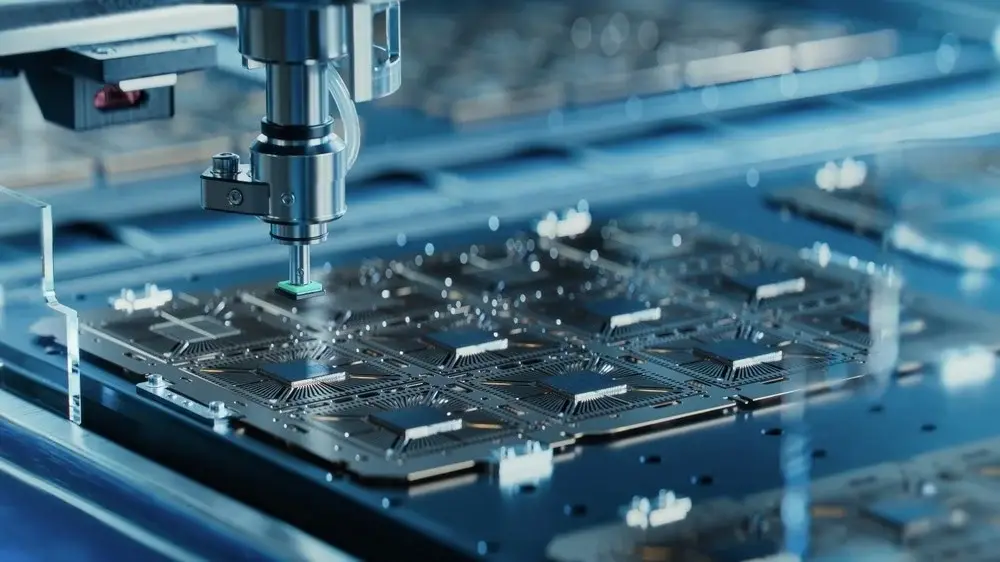
These microscopic architectural upgrades translate directly into immense real-world computing capabilities. When operating at the exact same power level, a 2nm processor runs 10 to 15 per cent faster than its 3nm predecessor, delivering snappier mobile performance.
Unmatched Power Efficiency
The most dramatic technological improvement comes in thermal and energy management. If configured to run at the exact same speed as a 3nm processor, the new 2nm chip will consume 25 to 30 per cent less power, drastically extending battery life.
The Astronomical Cost
This engineering marvel carries a severe financial penalty for global tech companies. Industry reports indicate that manufacturing a single 2nm silicon wafer costs roughly USD 30,000, representing a staggering 50 per cent price hike over standard 3nm production.

The Reshaping Market
Despite the immense USD 30,000 price tag, high-volume production for 2nm technology is accelerating throughout 2026. These ultra-dense processors will soon serve as the foundational hardware for next-generation flagship smartphones and massive artificial intelligence data centres.
)
)
)
)
)