

&imwidth=800&imheight=600&format=webp&quality=medium "Why would Cuba want to kill Maduro? A report claims that could happen if...")
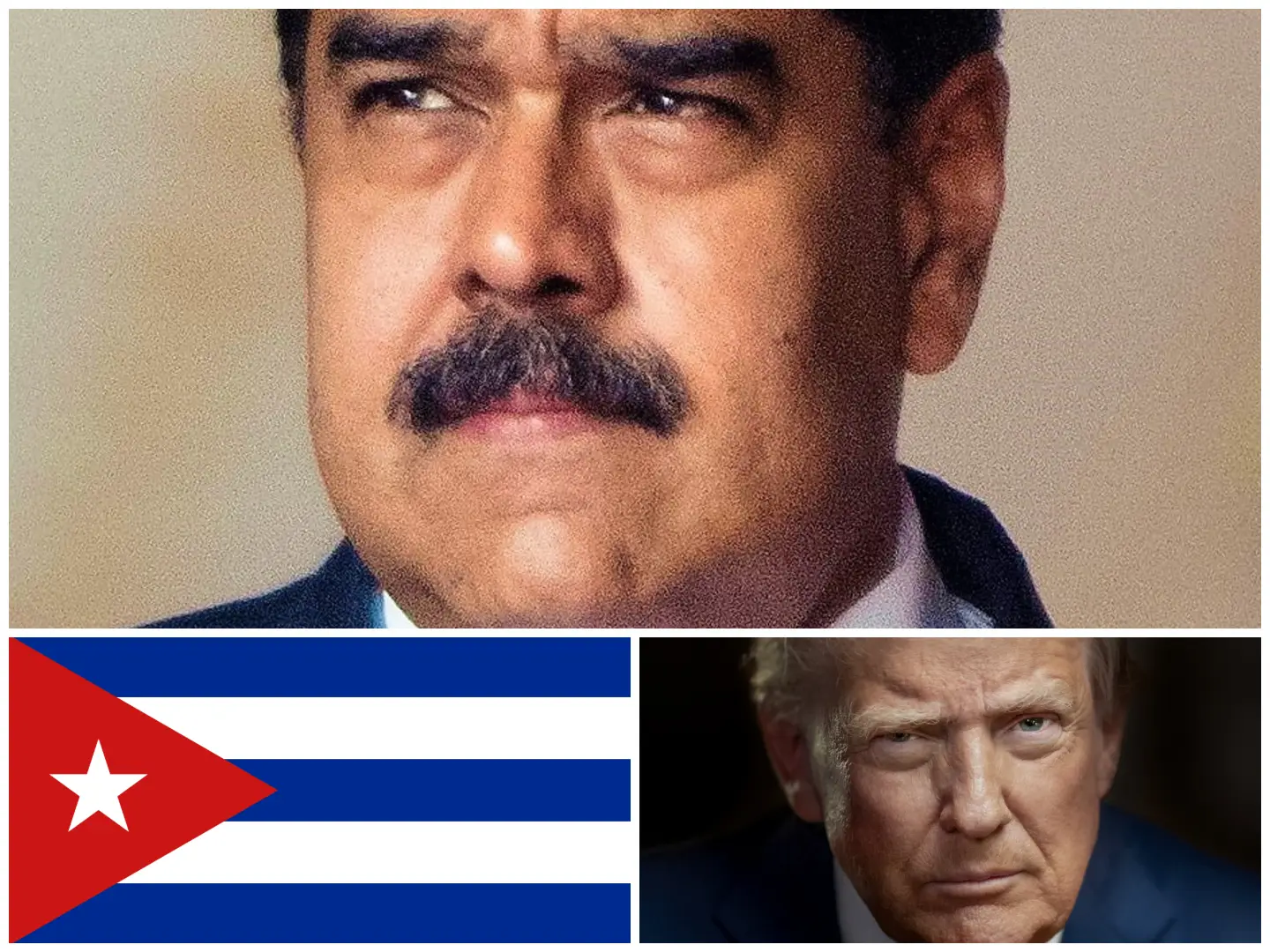
A report by the Axios website on Monday (Nov 24) implied that Cuba would kill Venezuelan leader Nicolás Maduro if he flees amid a possible direct military action by the US against the Latin American nation. The report is largely based on unnamed intelligence sources. This could be one of the many attempts by the American media to put pressure on the Venezuelan government as the US attempts a regime change, through ‘Operation Southern Spear’, a massive military buildup cloaked as a counternarcotics operation. But it is important to examine why Cuba would want to kill Maduro if he reaches some kind of understanding with US President Donald Trump and exits the regime or flees Venezuela. The short answer, it appears, is that Venezuela, or more specifically its oil, is the lifeline for Cuba. For a longer answer, read below.
What are the claims made in the Axios article?
The article claimed that Cuba might kill Maduro if he attempts to negotiate with Trump. The report almost entirely cited anonymous US administration officials. This is not confirmed intelligence, but a perceived risk that can complicate the Trump administration’s Venezuela strategy, amid reports that the US leader and Maduro could hold a phone conversation. At the time of writing this, there is no public evidence to suggest that Cuba has threatened Maduro, or planned to act against him.
The Axios report, titled Scoop: Trump ready to talk with Maduro over Venezuela drug strikes, is in the context of Trump’s escalating pressure campaign on Maduro, with Operation Southern Spear targeting alleged drug-trafficking boats in the Caribbean.
According to the officials cited in the report, a possible hindrance to Maduro stepping down voluntarily would be a fear that his Cuban ‘handlers’ might retaliate violently if he attempted to flee or cooperate with the US. The report said: “Part of the challenge of persuading Maduro to leave, US officials say, is that his Cuban handlers might execute him if he yields to American pressure and quits.”
Trending Stories
&imwidth=180&imheight=135&format=webp&quality=medium)
US midterms 2026: What polls and prediction markets indicate about Congress
&imwidth=180&imheight=135&format=webp&quality=medium)
Ilhan Omar breaks silence over alleged marriage to her brother; Trump thinks it's 'really good answer'
&imwidth=180&imheight=135&format=webp&quality=medium)
From Agni-V to Project Kusha: How are India’s indigenous missile systems and defence shield reshaping modern warfare
&imwidth=180&imheight=135&format=webp&quality=medium)
Will Rohit and Kohli play ODI World Cup 2027? BCCI president Manhas says board 'not in a position to comment'
&imwidth=180&imheight=135&format=webp&quality=medium)
‘I caution the president...’: Trump’s ex-press secretary warns after Zacharia’s exit
&imwidth=180&imheight=135&format=webp&quality=medium)
Diljit Dosanjh's Oct 30 Delhi show hits roadblock, Delhi Police denies permission
&imwidth=180&imheight=135&format=webp&quality=medium)
'It's a crime not to see this scene': Tehran puts Trump 'behind bars'
&imwidth=180&imheight=135&format=webp&quality=medium)
Kolkata airport: CISF detects ₹1.13 crore in US dollars hidden in bags of 2 Bangkok-bound passengers
&imwidth=180&imheight=135&format=webp&quality=medium)
China's dancing robot turns violent bodyguard, lifts cars and fights intruders - Watch
&imwidth=180&imheight=135&format=webp&quality=medium)
Rafale Marine fighter begins flight trials in Goa ahead of Indian Navy induction
&imwidth=180&imheight=135&format=webp&quality=medium)
Priyanka Chopra celebrates Dussehra 2026 with Nick Jonas and daughter Malti Marie | See pics
&imwidth=180&imheight=135&format=webp&quality=medium)
Feds obtain DNA evidence that could prove Ilhan Omar married her brother: Report
&imwidth=180&imheight=135&format=webp&quality=medium)
US to get 850 F-35 stealth fighter jets under 10-year Pentagon-Lockheed deal
&imwidth=180&imheight=135&format=webp&quality=medium)
Meta slapped with $25 billion fine in New Mexico over Facebook data practices, company plans appeal
&im=FitAndFill=(700,400)&imwidth=180&imheight=135&format=webp&quality=medium)
New OTT releases this week (October 19-25, 2026): Gajab Raat to Chaar Yaar-8 titles to watch during Dussehra week on Netflix, Prime Video and more
&imwidth=180&imheight=135&format=webp&quality=medium)
16-foot doomsday fish in Chile triggers fears that the next earthquake is coming
&imwidth=180&imheight=135&format=webp&quality=medium)
Viral video shows cross falling on Colombia priest, no official confirmation | WATCH
&imwidth=180&imheight=135&format=webp&quality=medium)
US midterms 2026: Trump's approval rating hits record low as Democrats gain ground
&imwidth=180&imheight=135&format=webp&quality=medium)
Why websites around the world are suddenly going offline? What you need to know about PHP
&imwidth=180&imheight=135&format=webp&quality=medium)
Ranbir Kapoor apologises for Dussehra speech slip, clarifies remark at Ramayana event
&imwidth=180&imheight=135&format=webp&quality=medium)
Australia police arrest former national 100m champ Jake Doran for alleged child abuse
&imwidth=180&imheight=135&format=webp&quality=medium)
'Father of all bombs' vs 'mother of all bombs': Iran threatens US with new weapon as Trump hints at MOAB strike
&imwidth=180&imheight=135&format=webp&quality=medium)
Are the US and Israel preparing for another major attack on Iran? Here's what report claims
&imwidth=180&imheight=135&format=webp&quality=medium)
'You are a dummy, you are a stupid person': Trump loses temper with CNN, ABC reporters after questions about Russia sanctions
&imwidth=180&imheight=135&format=webp&quality=medium)
WATCH: Woman IPS officer fires several rounds of AK-47, ignites debate online
&imwidth=180&imheight=135&format=webp&quality=medium)
'Gyanu must go': CJP's Saurav Das, Ashutosh Ranka after release, despite Jantar Mantar protest undertaking
&imwidth=180&imheight=135&format=webp&quality=medium)
EU probes Booking.com under Digital Services Act
&imwidth=180&imheight=135&format=webp&quality=medium)
US-Iran war: Bibi, Trump gamble on new Iran war to save themselves in polls
&imwidth=180&imheight=135&format=webp&quality=medium)
Pakistan signs another defence pact even as Makkah Alliance shows no teeth. This time, it's with Qatar, Indonesia, Turkey
What could be Cuba’s potential motive to eliminate Maduro if he exits the Venezuelan regime?
The report appeared to suggest that Cuba's motive would stem from its deep economic reliance on the Venezuelan regime. For more than 20 years, Venezuela has supplied subsidised oil to Cuba, which is a crucial economic support for the Communist regime. Cuba reportedly gets 53 million barrels of oil from Venezuela annually at preferential rates, valued at approximately 4 billion US dollars per year. This oil supply has been central to keeping the Cuban economy afloat, particularly during periods of economic crisis. Cuba, in return, has embedded intelligence personnel within Venezuelan institutions, including internal security advisors and even participating in Maduro’s protective personal security detail.
If Maduro defected or pursued a deal with Trump, it could jeopardise Cuba’s economic survival and expose its covert networks inside Venezuela. Cuba might act to prevent Maduro from abandoning the Chavista system.
Also read: 'No war, yes peace': Venezuelan President Maduro dances to remix of his own speech – WATCH
What is the Chavista system? The socialist bonhomie between Cuba and Venezuela
Since the presidency of late Hugo Chávez in 1999, Cuba and Venezuela have had a close ideological and economic alliance. Chávez established the Chavista system, a socialist governance model inspired by Cuba. The system preferred state control over key industries like oil, and regional cooperation with like-minded nations like Cuba. Part of this is the Alba alliance, by which Venezuela gives oil subsidies to Cuba in exchange for Cuban personnel supporting health, education, and security projects in Venezuela. Since the time of Chávez, Cuban intelligence operatives, security advisers, and even personal guards for Chávez and later Maduro have been embedded in Venezuela. This network helps reinforce both regimes’ political stability. The Chavista system represents both ideological solidarity and tangible economic interdependence between the two nations. The Axios report implies that a threat to this system could make Cuba act against Maduro.

