
&imwidth=800&imheight=600&format=webp&quality=medium "Why India and Japan are betting big on clean hydrogen and green ammonia | WION Decodes")
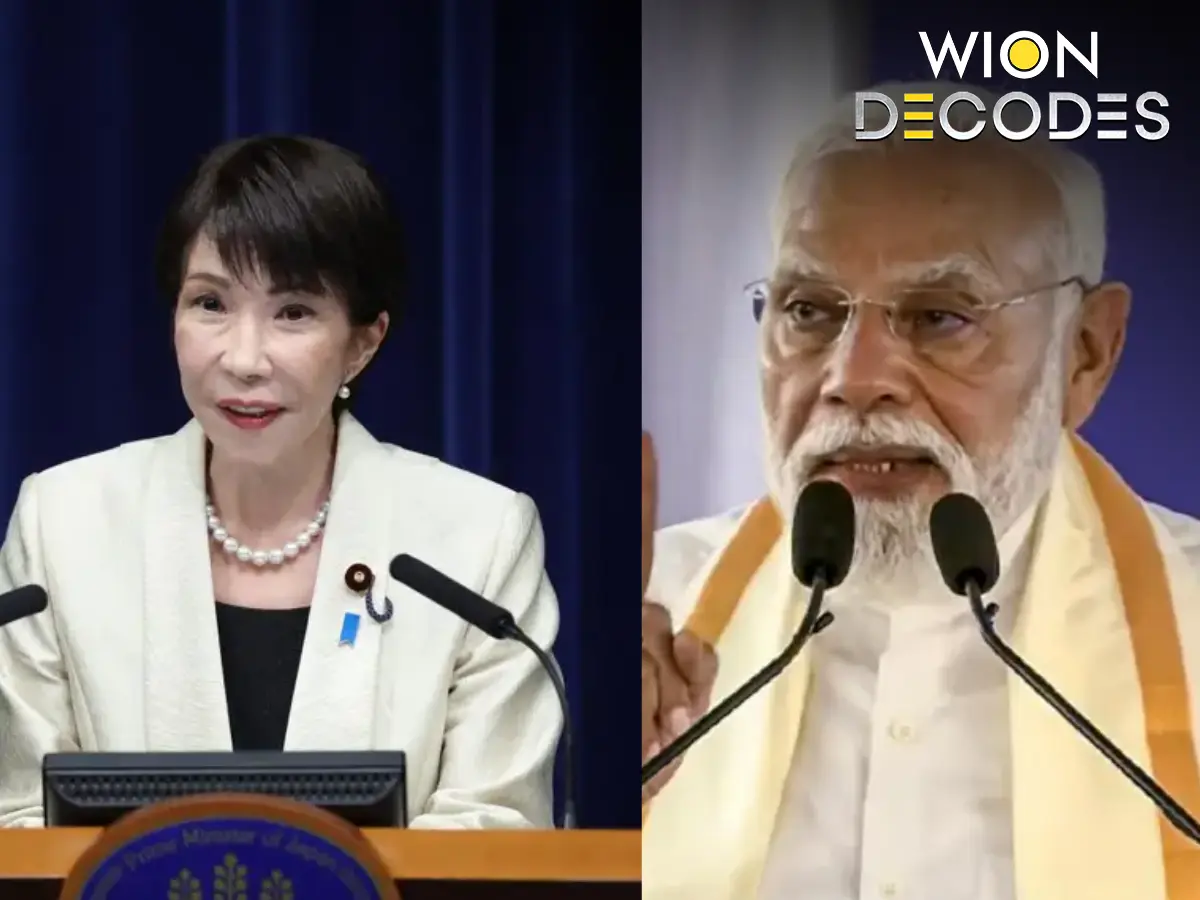
Japan Prime Minister Sanae Takaichi will meet Indian Prime Minister Narendra Modi as she arrive in India for the first time. Among other things, the two leaders are expected to discuss advancing cooperation on clean hydrogen and green ammonia, a key pillar of the India-Japan strategic partnership aimed at strengthening energy security, accelerating industrial decarbonisation, and building resilient clean energy supply chains. But why is India and Japan betting on clean hydrogen and ammonia:
India's abundant solar energy and vast land availability make it one of the world's cheapest producers of green hydrogen and ammonia. India aims to produce 5 million metric tonnes (MMTPA) of green hydrogen annually by 2030 and reduce dependence on imported fossil fuels. This positions India as a global hub for green hydrogen and ammonia exports. Additionally, industrial decarbonisation supports cleaner production in sectors such as fertilisers, heavy industry and power generation.

Also Read: India-Japan ties to go beyond the handshake
Japan lacks sufficient land for large-scale solar and wind projects but like India, it also wants to reduce dependency on imported energy specially after the West Asia war. It seeks alternatives to imported coal and natural gas. Clean ammonia can be used as a chemical feedstock, semiconductor cleaning agent and as fuel for co-firing in thermal power plants. Japan has created opportunity with its Hydrogen Society Promotion Act as it offers long-term Contracts for Difference (CfD) subsidies. Japanese companies like IHI are partnering with India's ACME Group on a $3 billion green ammonia project in Odisha.
Trending Stories
&im=FitAndFill=(700,400))
National Handloom Day 2026: From Alia Bhatt to Samantha Ruth Prabhu; Actresses who celebrated India's textile heritage as brides
)
The Royals enter the Doctor Who universe: King Charles and Queen Camilla beam into Commonwealth Games in TARDIS
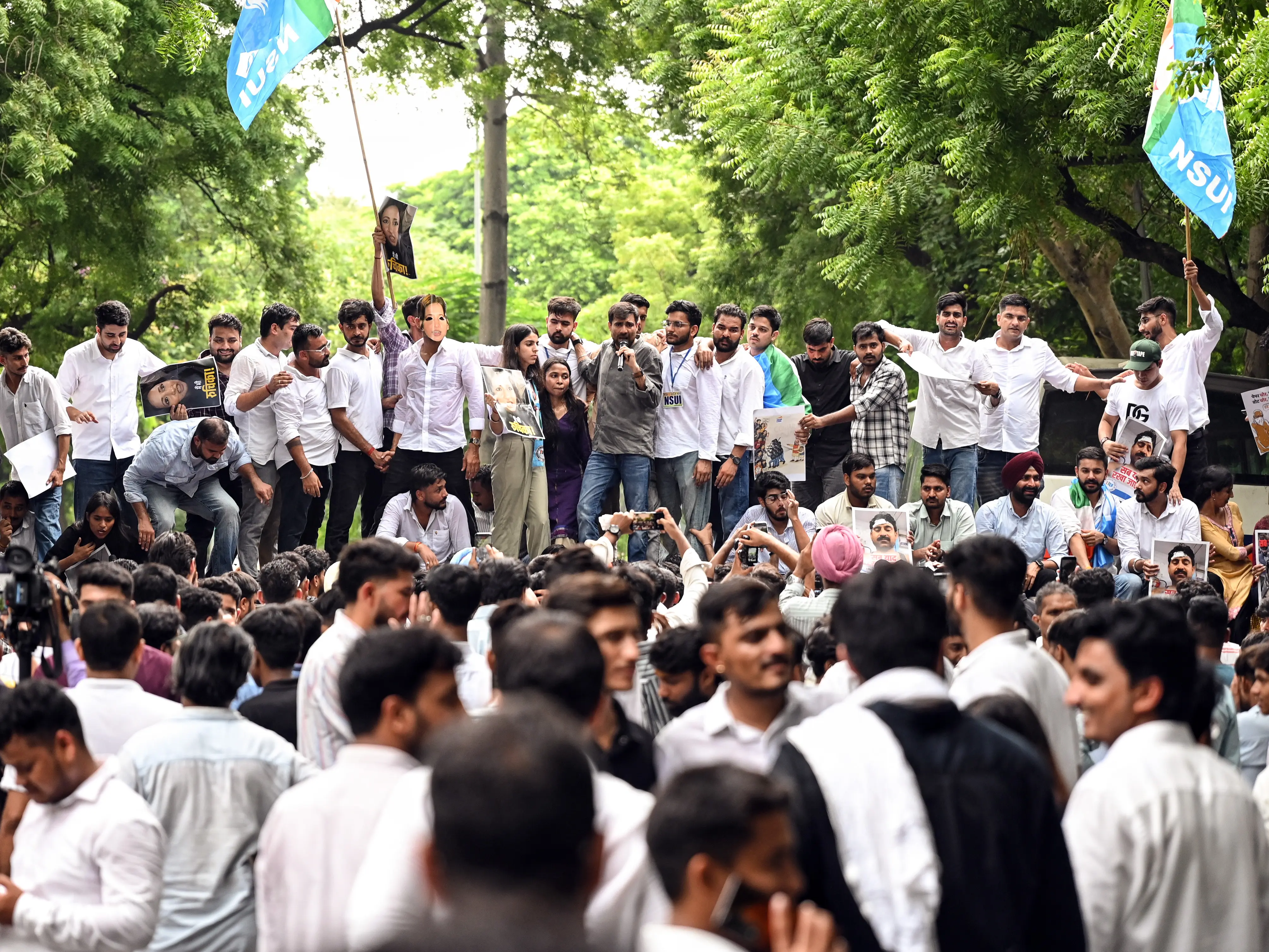)
No connection between Jantar Mantar protesters and Pakistan-based ISI terror module, Punjab Police clarify
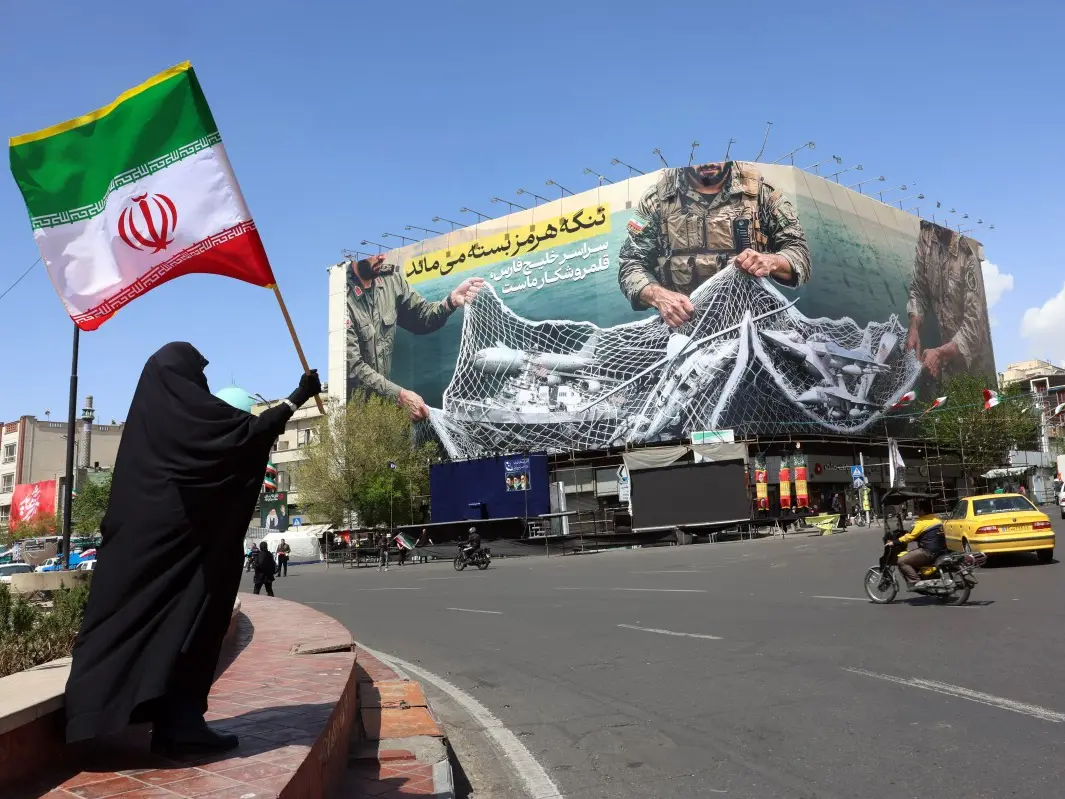)
'Massive attack coming... wait, never mind': Iran mocks US 'theatre diplomacy,' rejects Trump's claim of Hormuz progress
)
Reels vs Results: Why political messaging alone won't win over India's young voters
)
Major relief for TN CM Vijay as wife Sangeetha withdraws infidelity and divorce petition
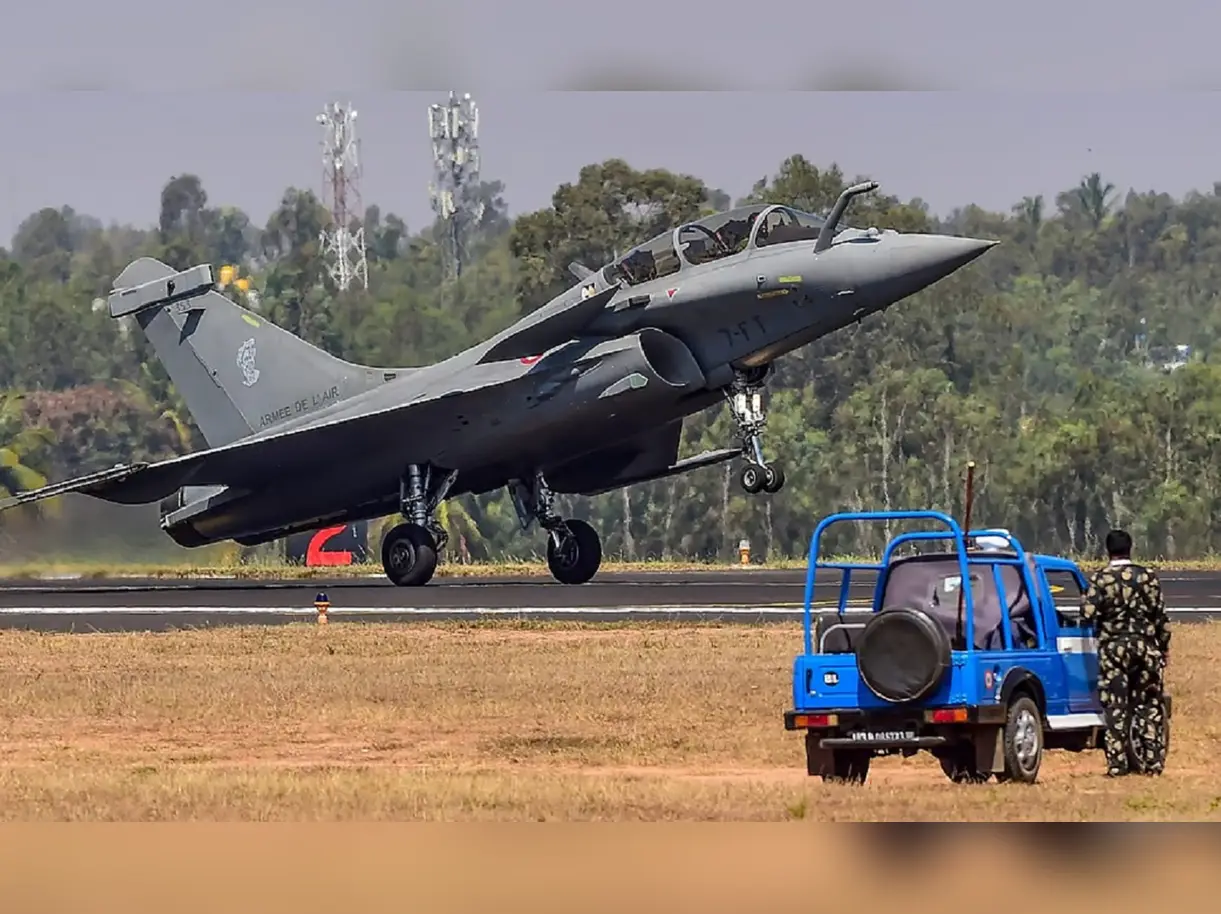)
France offers deal for 114 Rafale fighter jets, with 94 to be made in India
)
Ukrainian astronomers see gargantuan objects dashing at 39,600 kmph on the Moon - 'They can reach Earth in 20 minutes'
)
Drug-resistant fungus that hides in hair and enters bloodstream reported in 23 US states
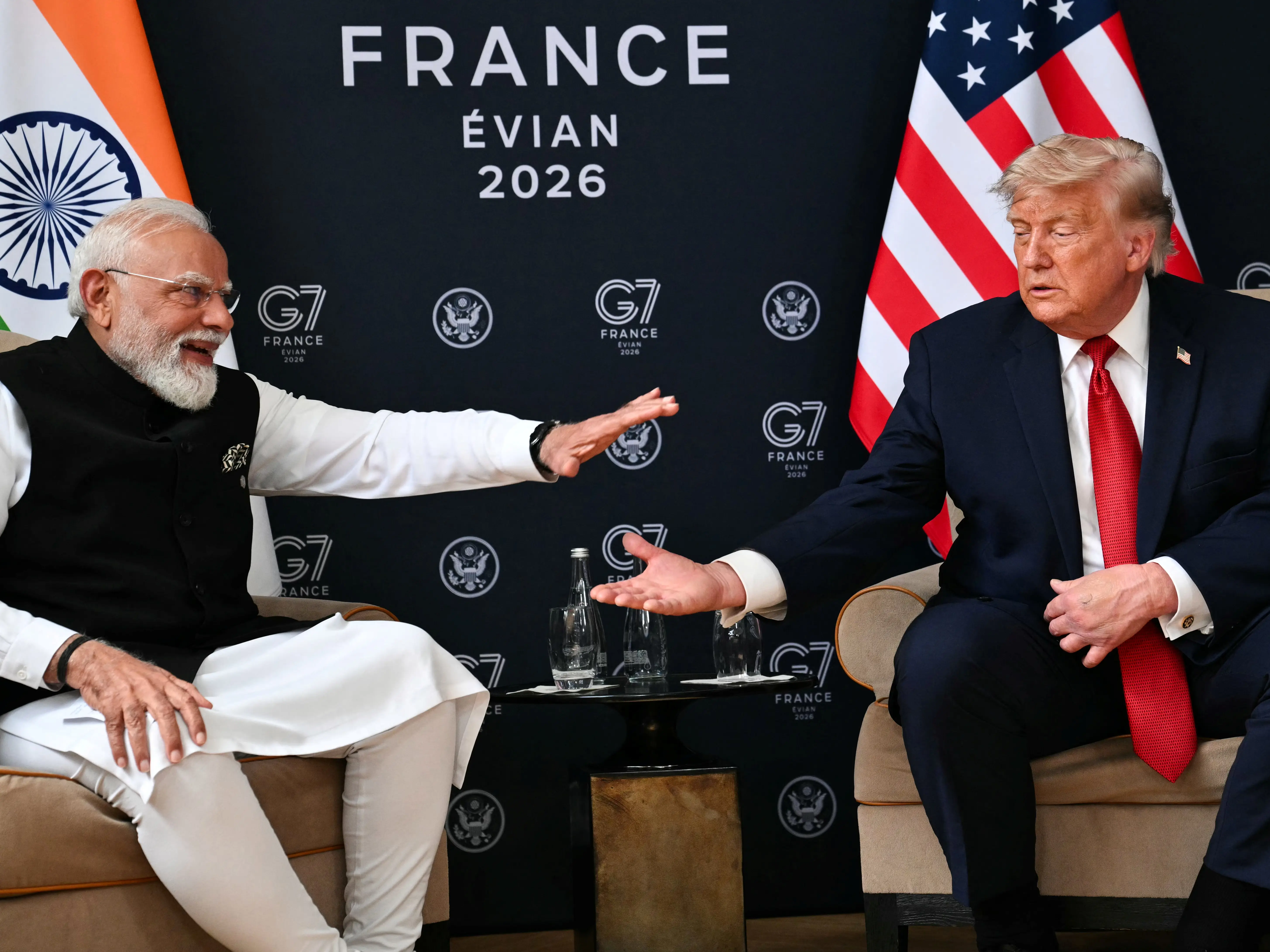)
India avoids higher US tariff, secures lower 10% rate. Here's how
)
Explained | Can India reach WTC final with a series win in Sri Lanka?
)
'Security can't be bought with Pakistan, Turkey deal': Iran tells Saudi Arabia
)
Primetime trailer: Robert Pattinson channels Chris Hansen in A24's dark crime thriller
)
Zendaya and Tom Holland celebrate their marriage with private reception in England
)
Vishal Bhardwaj to develop film on Tarun Tejpal case after latest court verdict: Report
&im=FitAndFill=(700,400))
Can an S-400 operate in the desert?
)
Lightning bolt strikes football field in Thailand, killing a player during a match
)
Thailand teen killed grandparents before shooting teachers at school – What we know about suspect
&im=FitAndFill=(700,400))
New Friday OTT releases (August 7, 2026): Operation Safed Sagar, Vadhandhi, Main Vaapis Aaunga- 6 movies and TV shows on Netflix, Prime Video and more
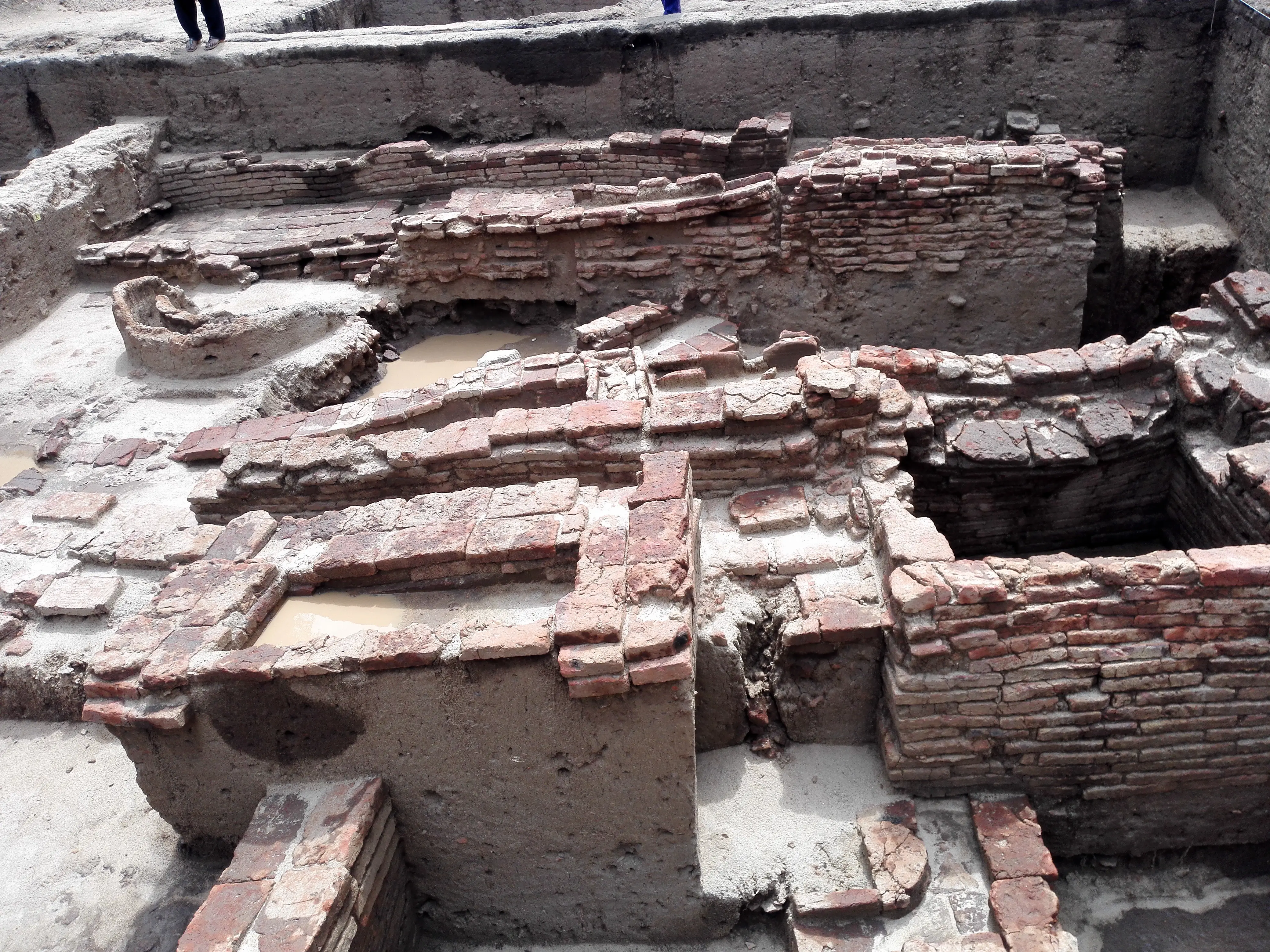)
The genetic roots of Tamils: 75,000 DNA markers decoded in latest study of Sangam-era settlement
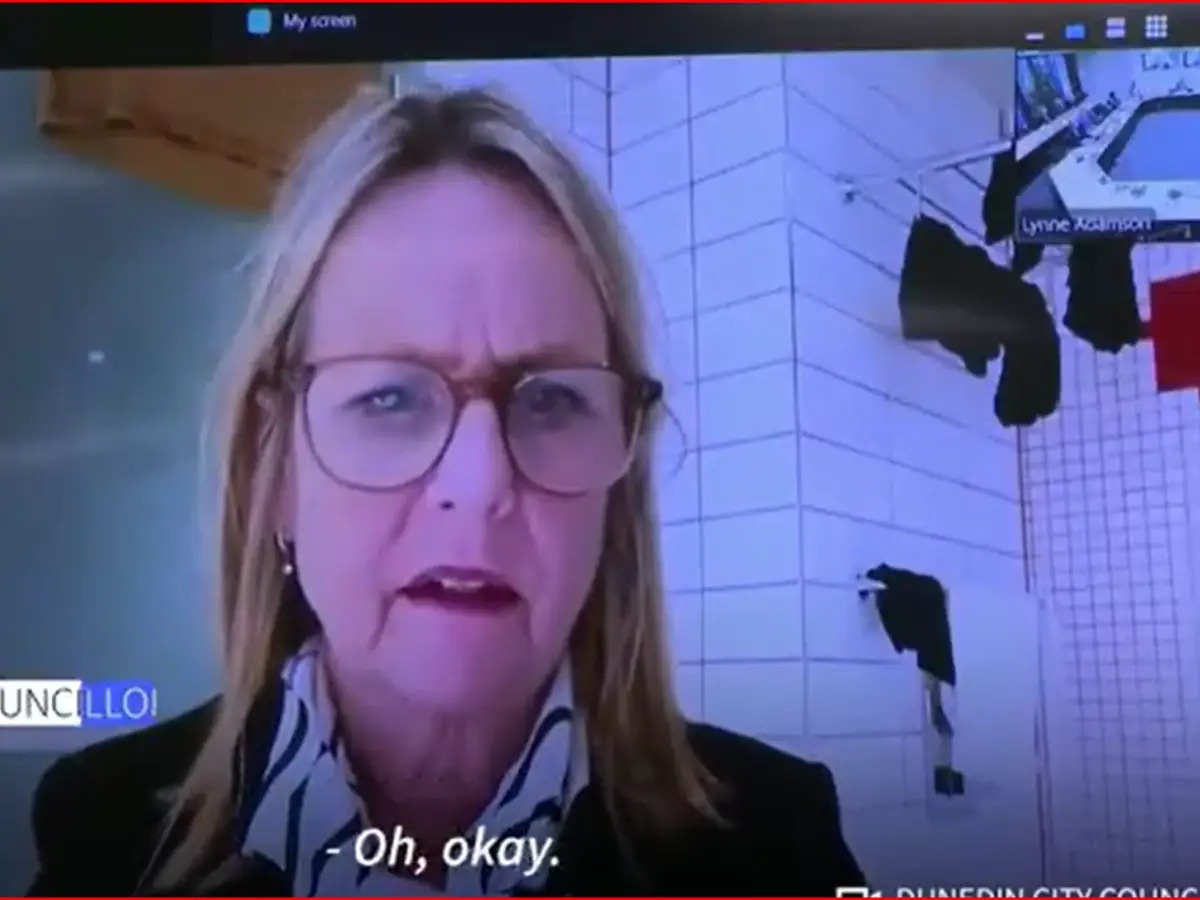)
NZ female politician joins meeting from bathroom with underwear hanging - 'You can see my washing, you can see me'
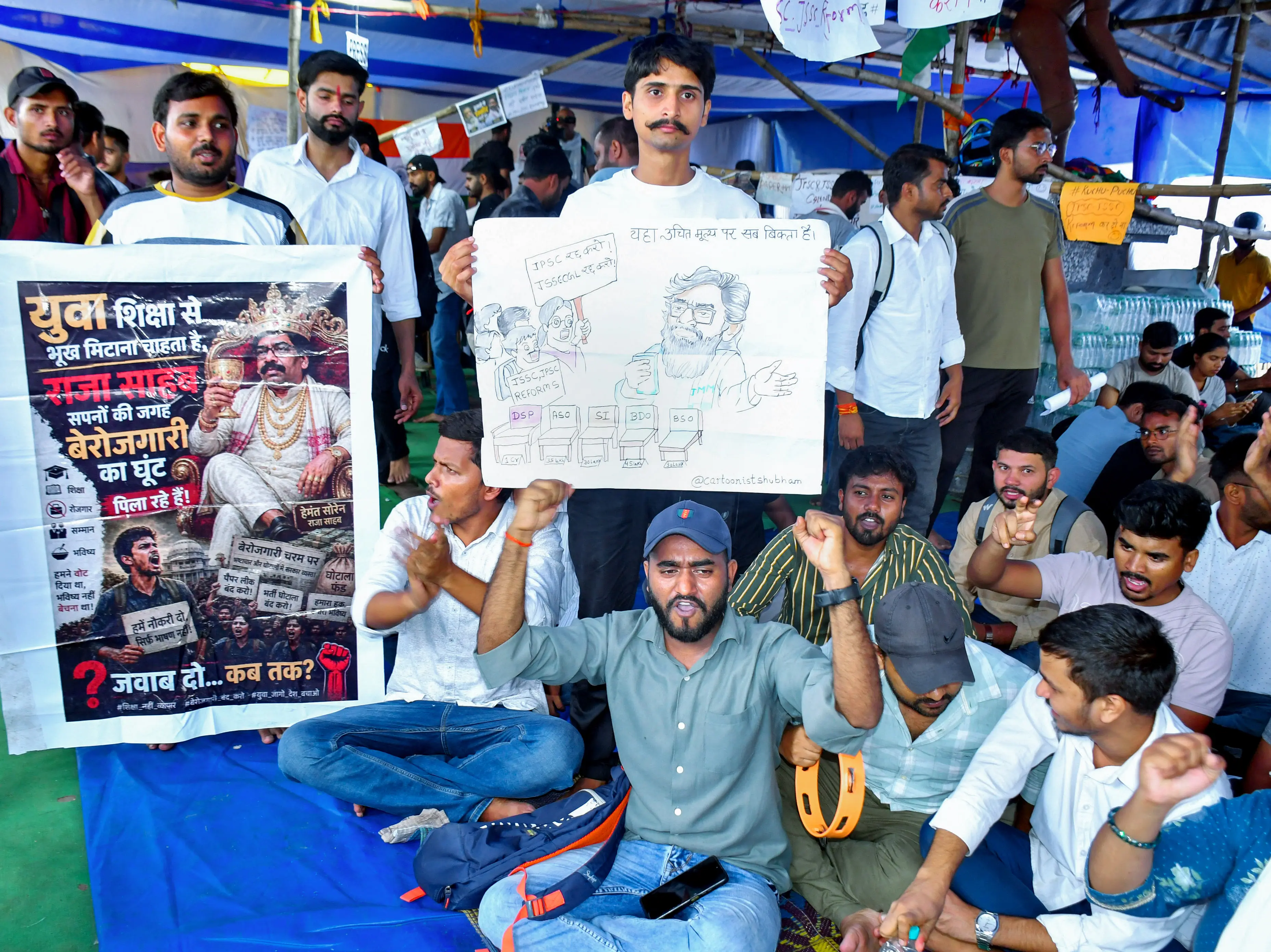)
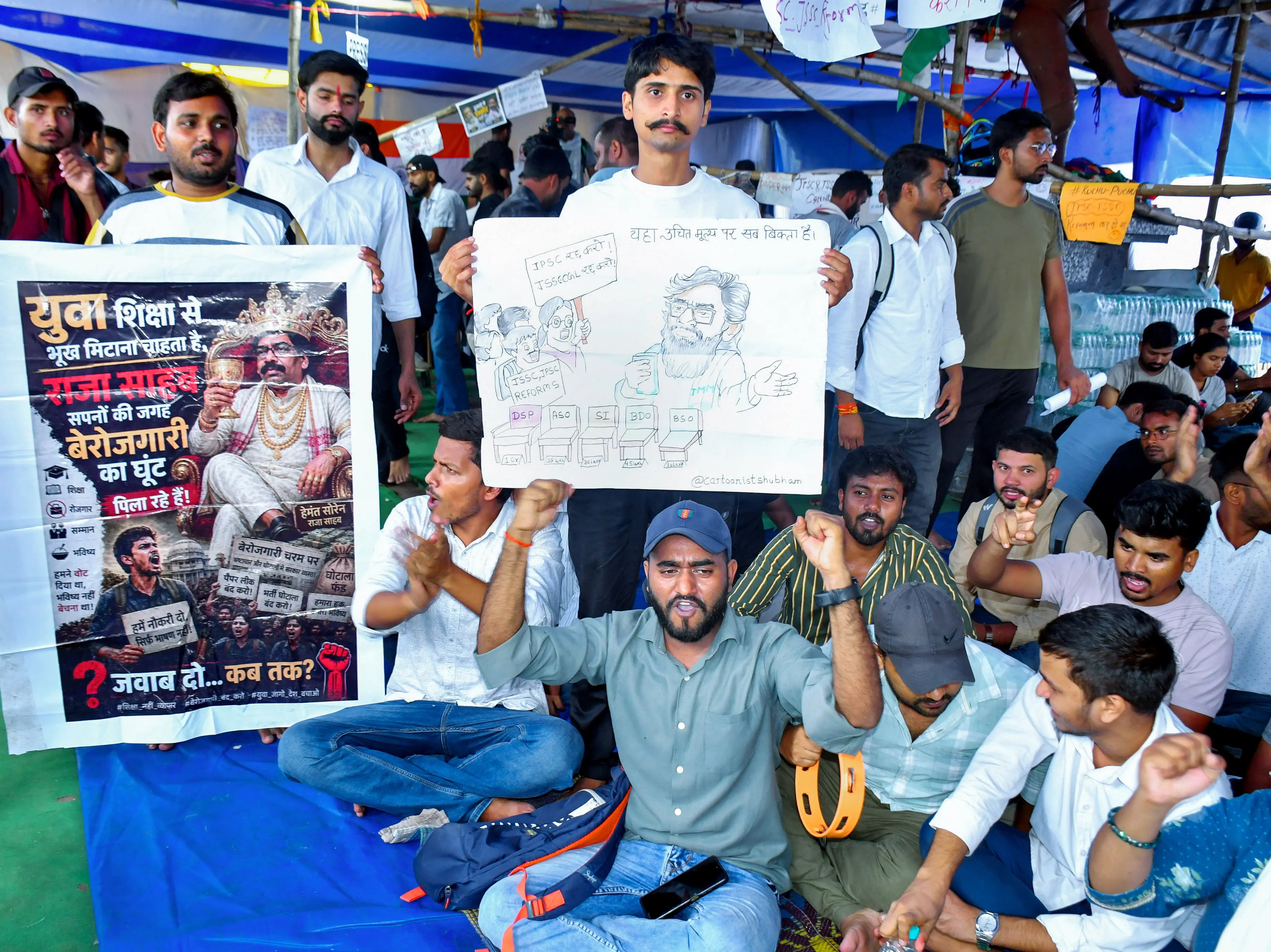
‘We are ready to talk’: Jharkhand CM Hemant Soren reaches out to protesting students
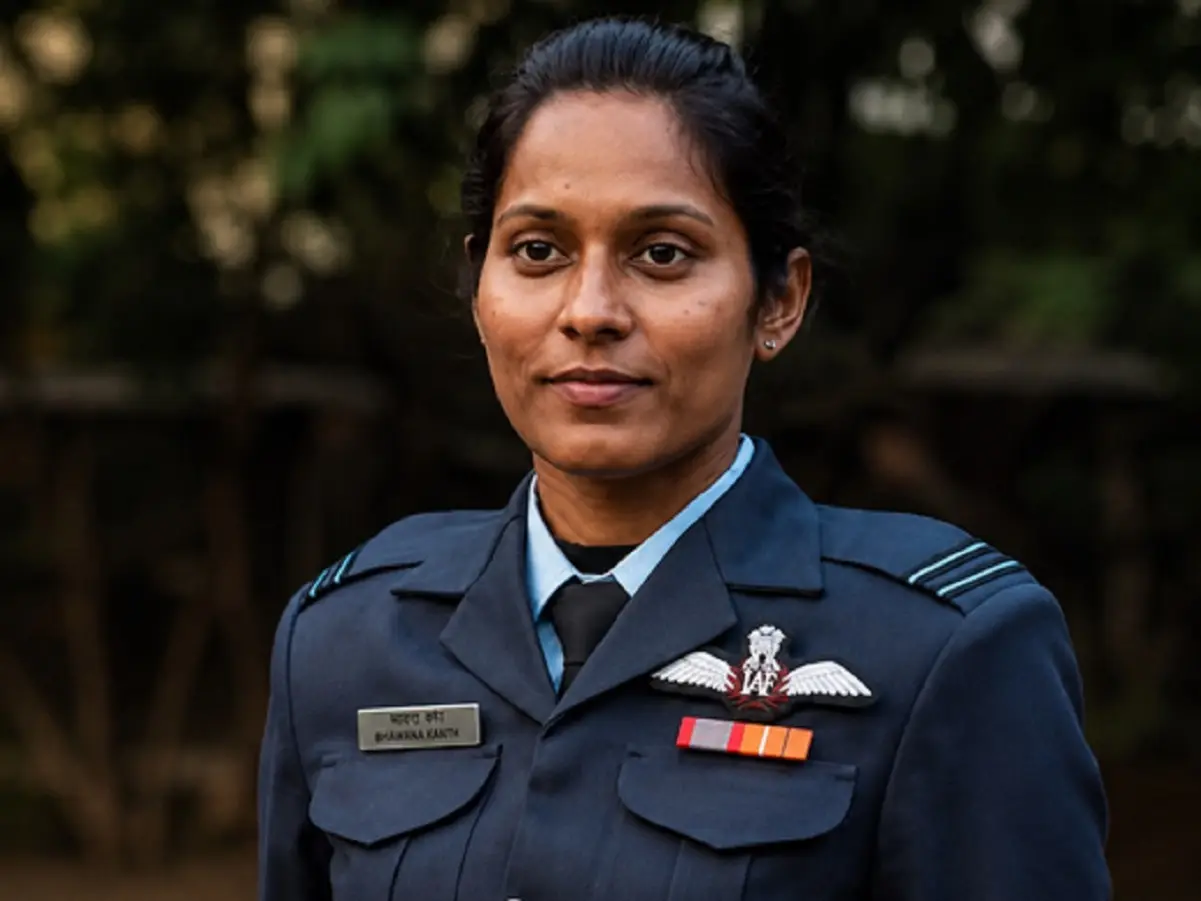)
Squadron Leader Bhawana Kanth scripts history as Indian Air Force gets its first woman ‘Top Gun’ pilot
)
Trump says Iranian school bombing photos could be AI-generated - 'I don’t think...'
)
Bluefly: Priyanka Chopra joins Russell Crowe for new sci-fi action thriller
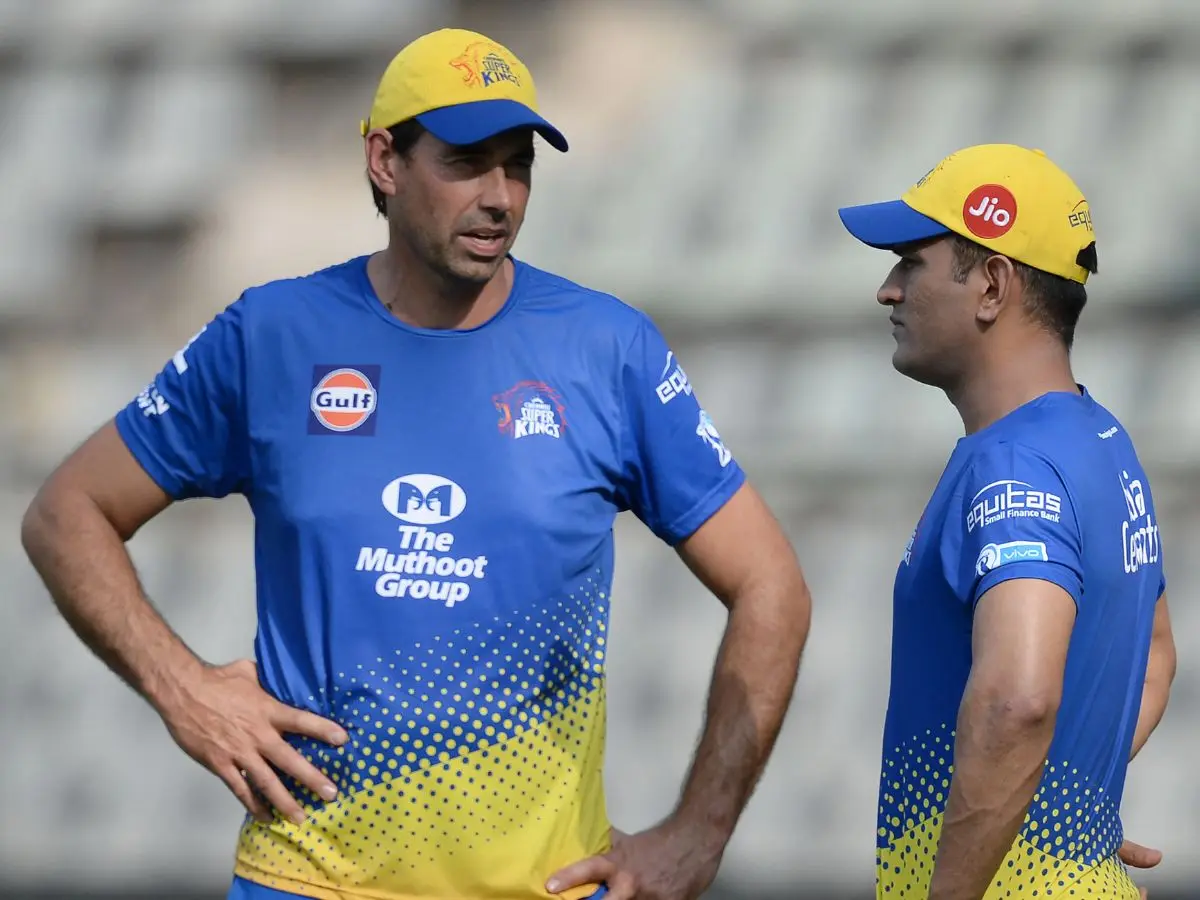)
'Dhoni Made Fleming Great': Panesar says ECB made the wrong choice for England Test coach
&im=FitAndFill=(700,400))
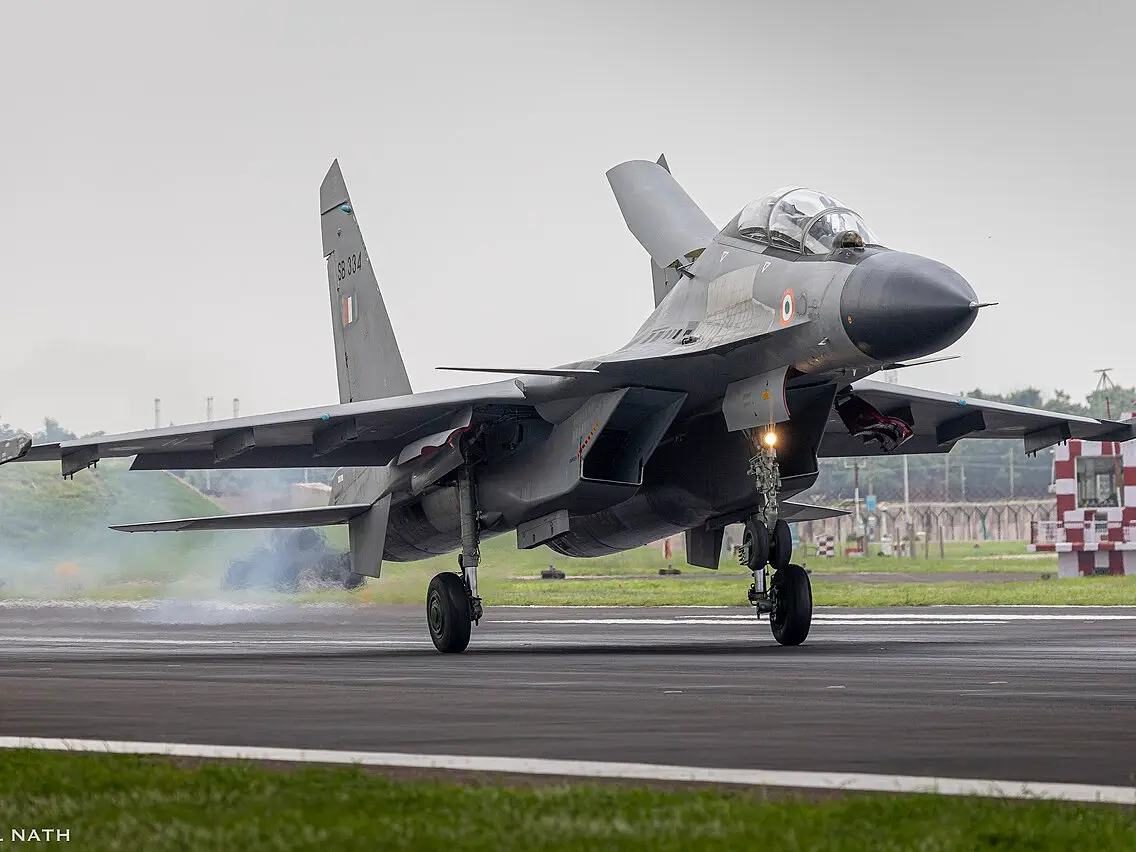
Why the Su-30MKI doesn't need external fuel tanks to fly vast distances
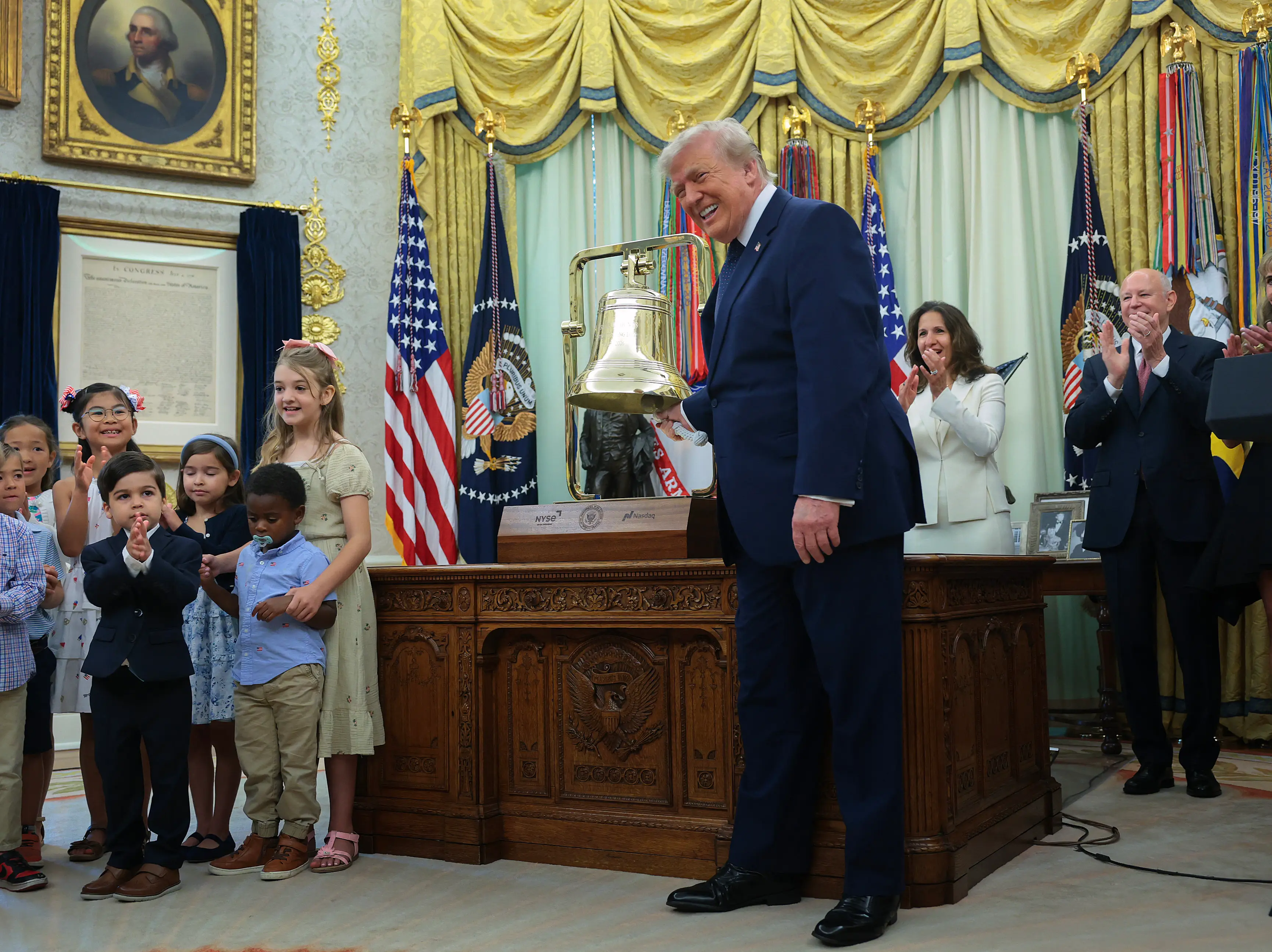)
Born in the USA? Trump targets 'birth tourism' with new birthright citizenship executive order
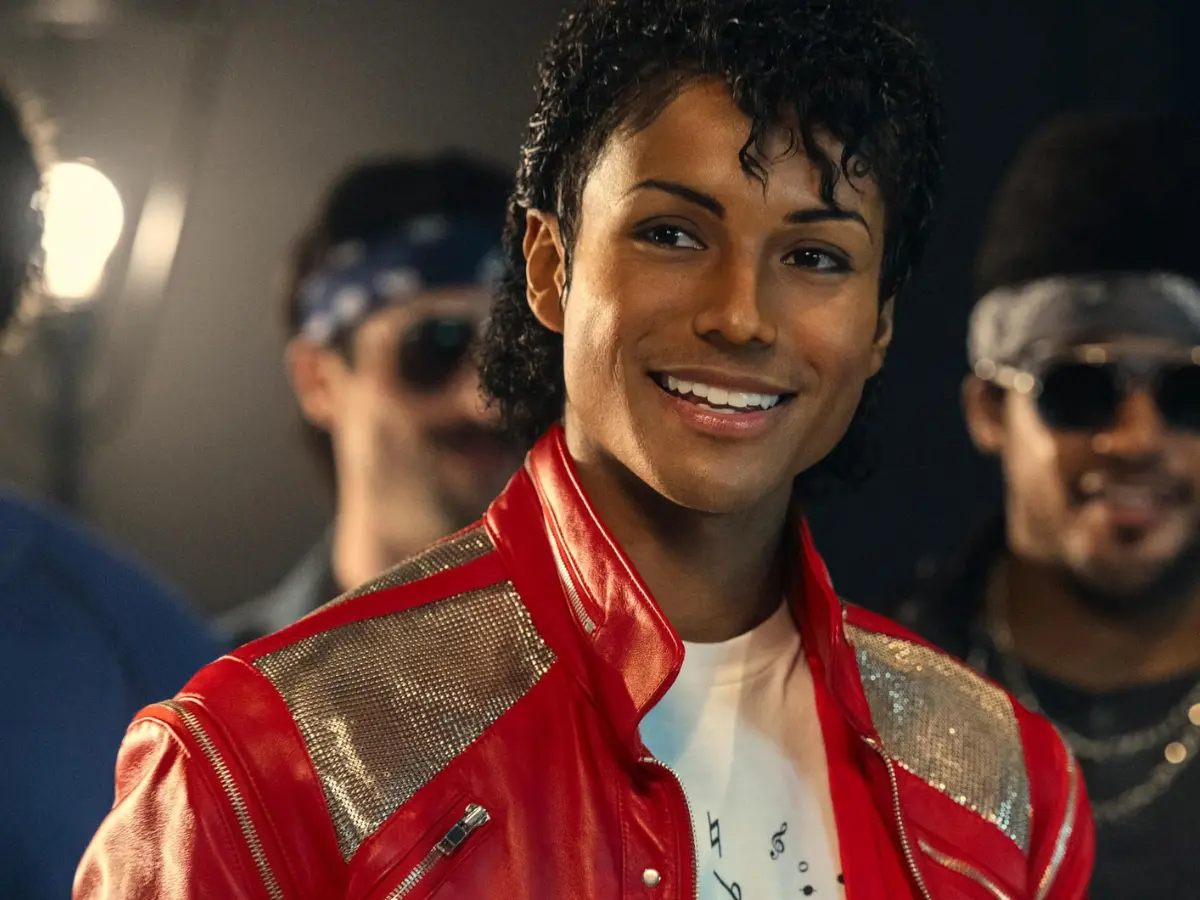)
Michael 2 plans revealed: Makers to start filming soon with THIS release window
)
OpenAI reportedly building donut-shaped ChatGPT smart speaker for homes
)
‘Certain munitions are unlimited, others...’: Did Trump admit some US weapons supplies were limited?
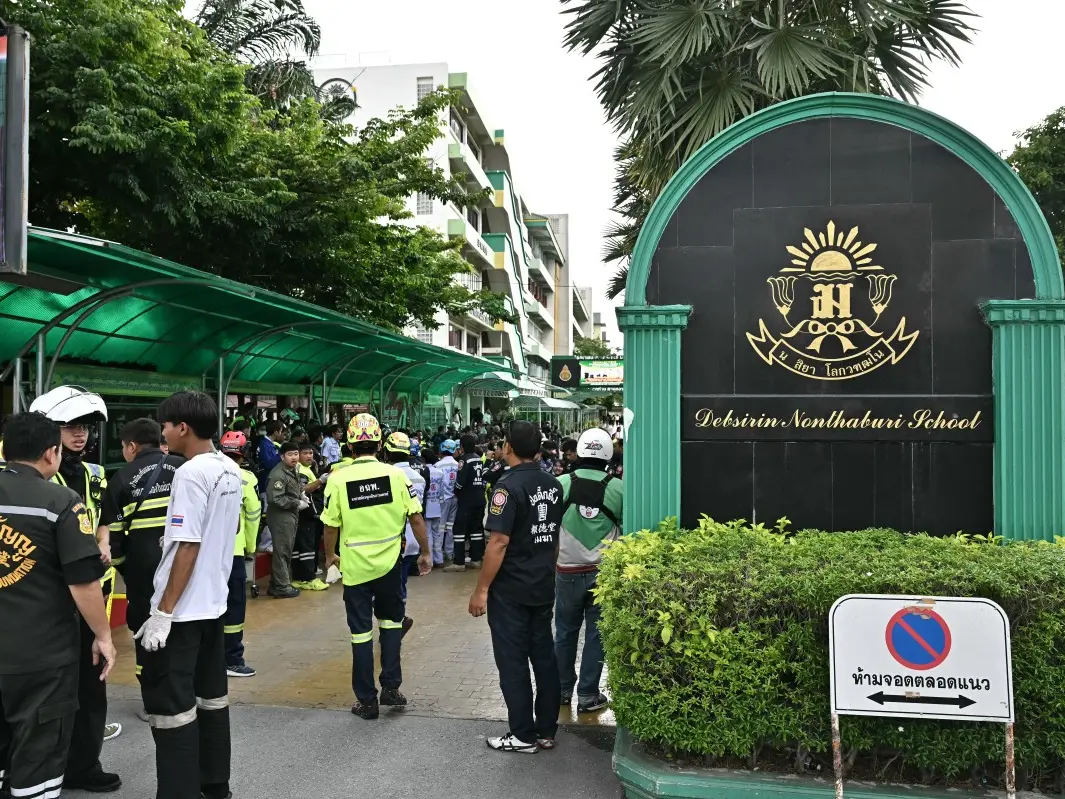)
At least 4 killed 15 injured in shooting at school near Bangkok
)
US may force more visa applicants to make social media accounts public under Trump's new plan
&im=FitAndFill=(700,400))
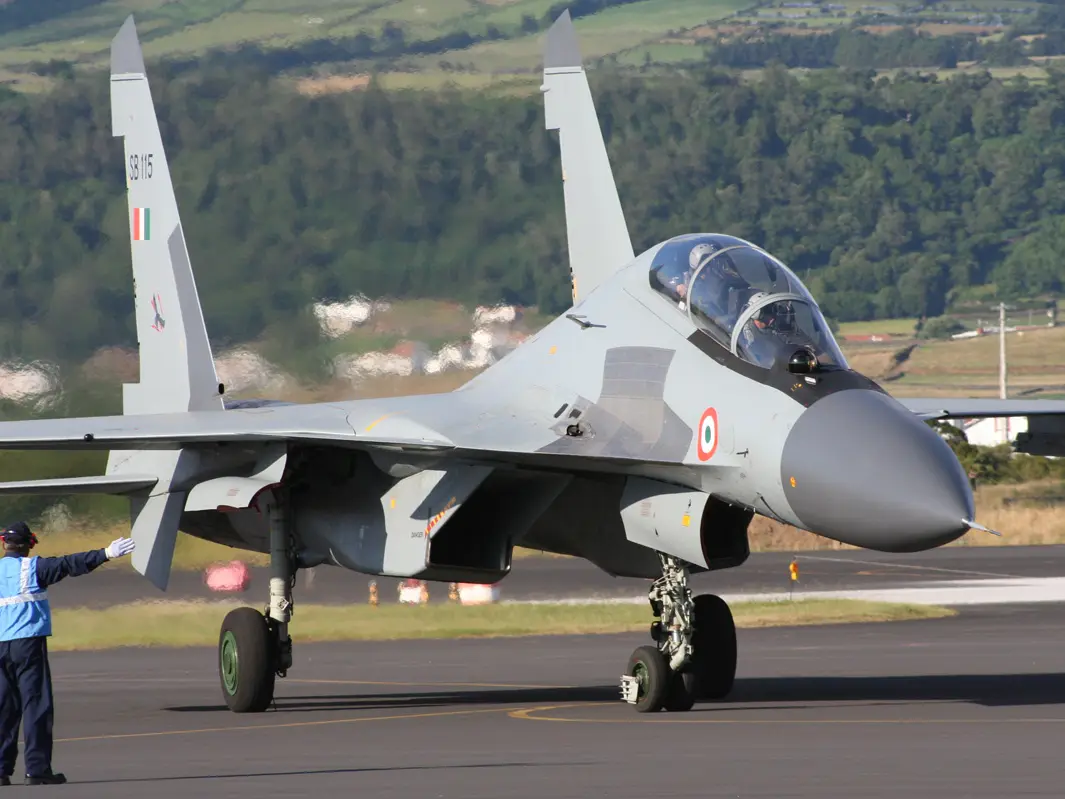
Why the Su-30MKI is one of the heaviest fighters ever built
In this regard, both Japan and India are mutually beneficial to each other. Japan provides the necessary investment for hydrogen and ammonia production while India has immense resource. Japan is also providing advanced technology, while India offers manufacturing potential. The partnership supports both countries' long-term decarbonisation and energy security objectives. India and Japan are developing a dedicated clean energy trade route. Both countries are aligning certification norms, lifecycle analysis and trade rules. The Joint Crediting Mechanism (JCM) enables India to generate carbon credits that Japan can use to meet its climate goals.

