
&imwidth=800&imheight=600&format=webp&quality=medium "What is Taiwan’s 'hellscape' strategy against China and how will it work? WION Decodes")
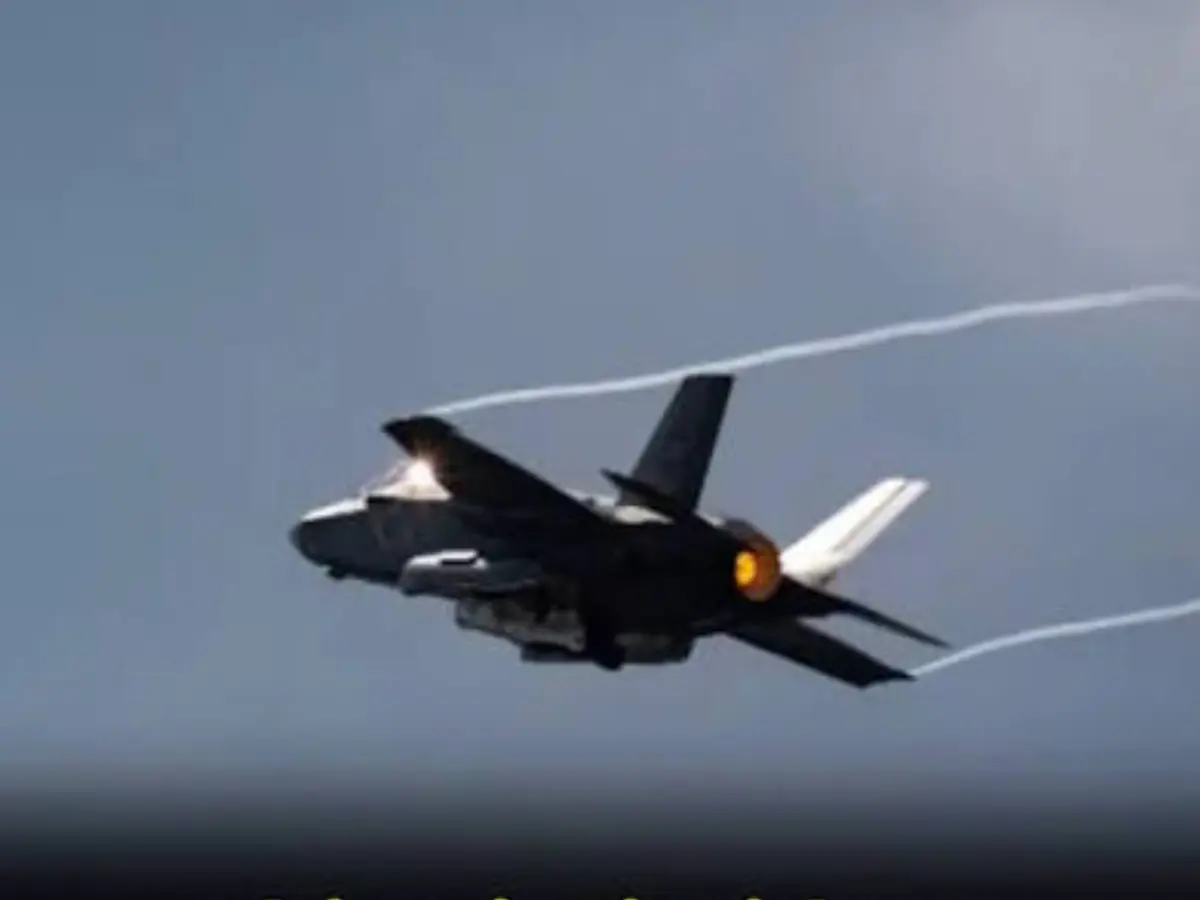
Taiwan is preparing for a possible Chinese attack as Beijing has increased military sortie around Taiwan. Taiwan's Ministry of National Defence (MND) on Monday (August 8) claimed that one sortie of Chinese military aircraft, nine vessels of the People's Liberation Army Navy (PLAN) and eleven official ships have been detected operating around the territorial waters of Taiwan. To tackle this growing threat, Taiwan is investing heavily in drones and other unmanned weapons, but its ‘hellscape’ strategy is in limelight. The government has set a target of producing 100,000 drones a month by 2030, with production intended to serve both domestic defence requirements and international markets. Taiwan's Lt. Gen. Huang Wen-chi told the NY Times, "Our drone and counter-drone efforts started relatively late, and initially we were trying things out as we went along."
What is Taiwan's 'Hellscape' strategy?
The Taiwan “Hellscape” strategy is an asymmetric defence doctrine designed to deter or counter a potential Chinese invasion by flooding the Taiwan Strait with thousands of uncrewed aerial, surface and underwater drones. Originally coined by US Indo-Pacific Command chief Admiral Samuel Paparo, the concept has increasingly been adopted by Taiwan’s military. The core objective is to turn the roughly 110-mile-wide Taiwan Strait into a chaotic battlespace, using autonomous systems to stall, confuse and weaken an invading Chinese force while buying time for Taiwan and potential international partners to respond. According to operational studies by US and Taiwanese defence institutions, including the Center for a New American Security (CNAS), the proposed “Hellscape” concept can be understood as four overlapping defence layers extending from offshore waters to Taiwan’s coastline.

Also Read: Taiwan detects Chinese aircraft, warships near its territorial waters, says Defence Ministry
How it works?
The first layer would operate roughly 80 to 40 km offshore. Long-range aerial, surface and underwater drones would be used to detect and attack incoming Chinese amphibious transport ships. The aim would be to force the People’s Liberation Army (PLA) to use valuable defensive weapons against large numbers of relatively inexpensive unmanned systems, potentially exhausting its high-end missile and air-defence resources.
Trending Stories
)
Trump-Xi Summit: Trade, Taiwan and the red lines shaping US-China talks | Race To Power
)
US citizen injured in Illinois after ICE agents mistook him for fugitive, hospitalised
)
US judge questions Trump’s decision to ban CNN, MS NOW and Politico from White House
)
Afghan woman cyclist who disguised herself as a boy to escape Taliban, wins Asian Games medal
)
Italy hit by floods in the north, drought in the south
)
'There will be elections': Venezuela's interim leader Delcy Rodriguez makes big announcement at UN
)
Would you date an AI? South Korea’s My AI Partner: Strange Love sparks buzz on relationship and intimacy
)
'Arrogant parasites': Milei blasts UN over Falklands dispute, warns Argentina will ‘take matters into our own hands’
)
IIT Bombay CCTV footage emerges: Sahil Wakode seen looking at phone in examination hall
)
Cyclone Arnab: Landfall expected before midnight tomorrow as IMD issues orange alerts across six states
)
9 killed, several injured as tourist bus catches fire on Yamuna Expressway
)
NBA player Steven Adams shares hilarious GTA VI theory
)
WION Iconic Tourism Summit 2026: Union Minister Shekhawat on 'experiential travel', peace diplomacy
)
'AI got into my speech': Prince Harry jokes after teleprompter failure at event in New York
)
Scientists detect first radio signals directly from faraway planet
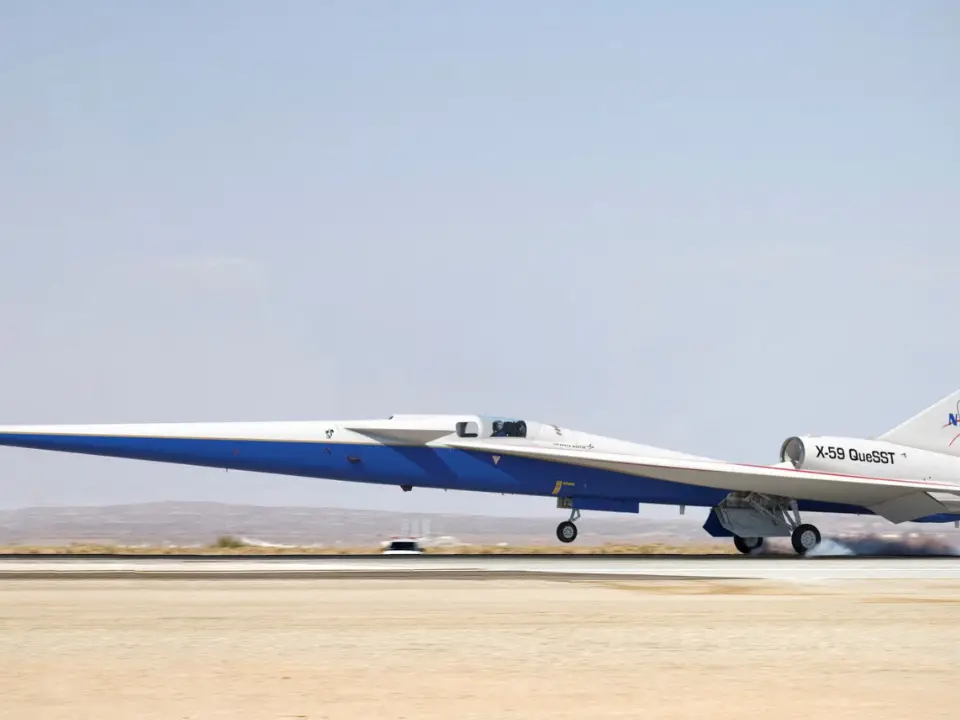)
China to test supersonic jet that moves at Mach 2, double the speed of sound
)
WION Iconic Tourism Summit: 'Hanuman Ansh' Director on blockbuster success
)
'Partners rather than rivals': Xi Jinping's first message after landing in US for Trump summit
)
WION Iconic Tourism Summit: Is India's travel boom outrunning its airports, airlines and hotels?
)
IIT Bombay student suicide case: CCTV from the exam hall hours before suicide
)
2,000-foot tube, laser tests and more: China builds towns to expand nuclear arsenal, satellite images show
)
French court upholds decision to send PSG and Morocco footballer Hakimi to rape trial
)
WION Iconic Tourism Summit and Awards 2026: Key voices to discuss India’s tourism future
&im=FitAndFill=(700,400))
New OTT releases this week (September 21-27, 2026): Shaque: Trust No One, Hunkkaar, Don’t Be Shy- 5 new titles coming to Netflix, Prime Video and more
)
WATCH | China President Xi Jinping lands in US as Trump greets him ahead of high-stakes summit
)
Australian PM Anthony Albanese calls OpenAI AI incident 'unacceptable' after restricted data access
)
Claude Opus 5.5 is here: Anthropic claims it can finish a 680,000-line code migration in less than a day
)
'What kind of confession is this?': Pakistan PM Shehbaz Sharif’s 'terrorists would be roaming New York' remark goes viral, raises alarm online. Watch
)
WION Iconic Tourism Summit: How local tourism MSMEs must upskill for AI integration
)
Eight USS Abraham Lincoln sailors attempted suicide, Acting Navy Secretary says
)
Trump’s Board of Peace unveils $2.45bn Gaza plan,66 projects: But where’s the money?
)
EC appointment law: Why is the 2023 act controversial, and what happens next? WION explains
)
'Putin is patient zero': Zelensky slams Russian president at UNGA, accuses him of using fighters from 47 countries
&im=FitAndFill=(700,400))
National Film Awards 2026: Kartik Aaryan, Mammootty, Yami Gautam, Randeep Hooda and other key winners
)
El Niño 2026 heats up to become strongest in 1,000 years
)
Israeli envoy to US Yechiel Leiter’s son critically injured in West Bank ramming attack
&im=FitAndFill=(700,400))
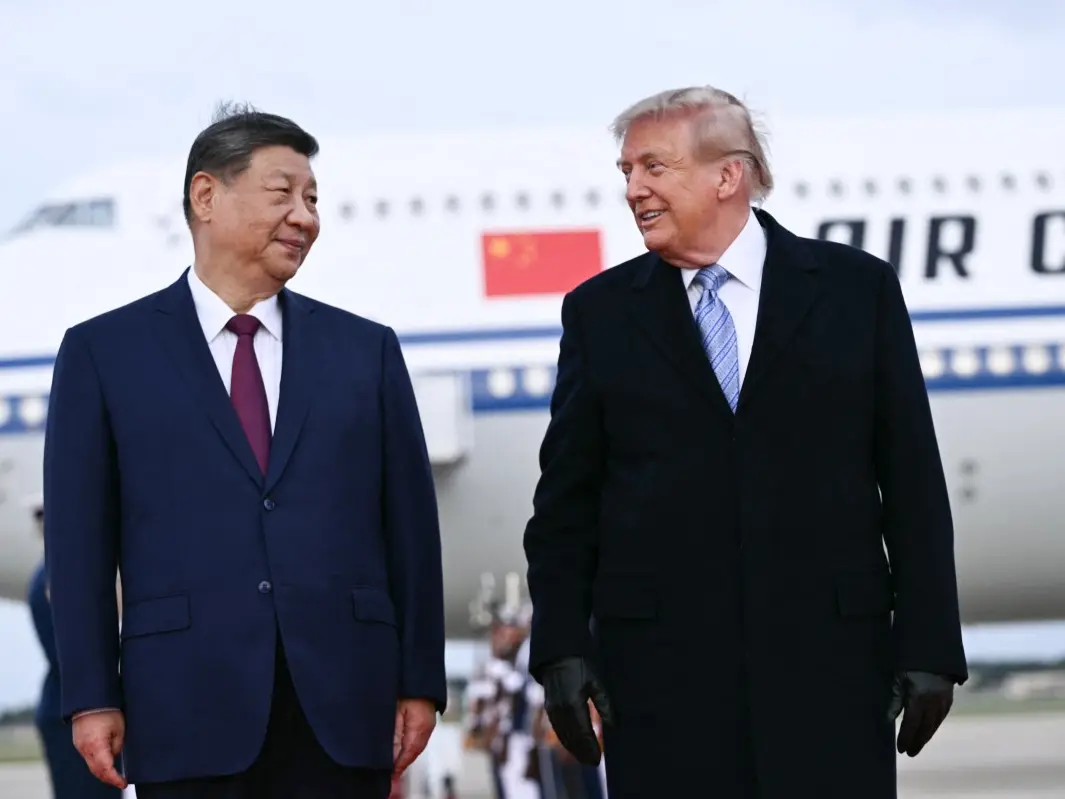
Trump welcomes Xi Jinping in rare airport gesture: Photos from Chinese President's arrival in US
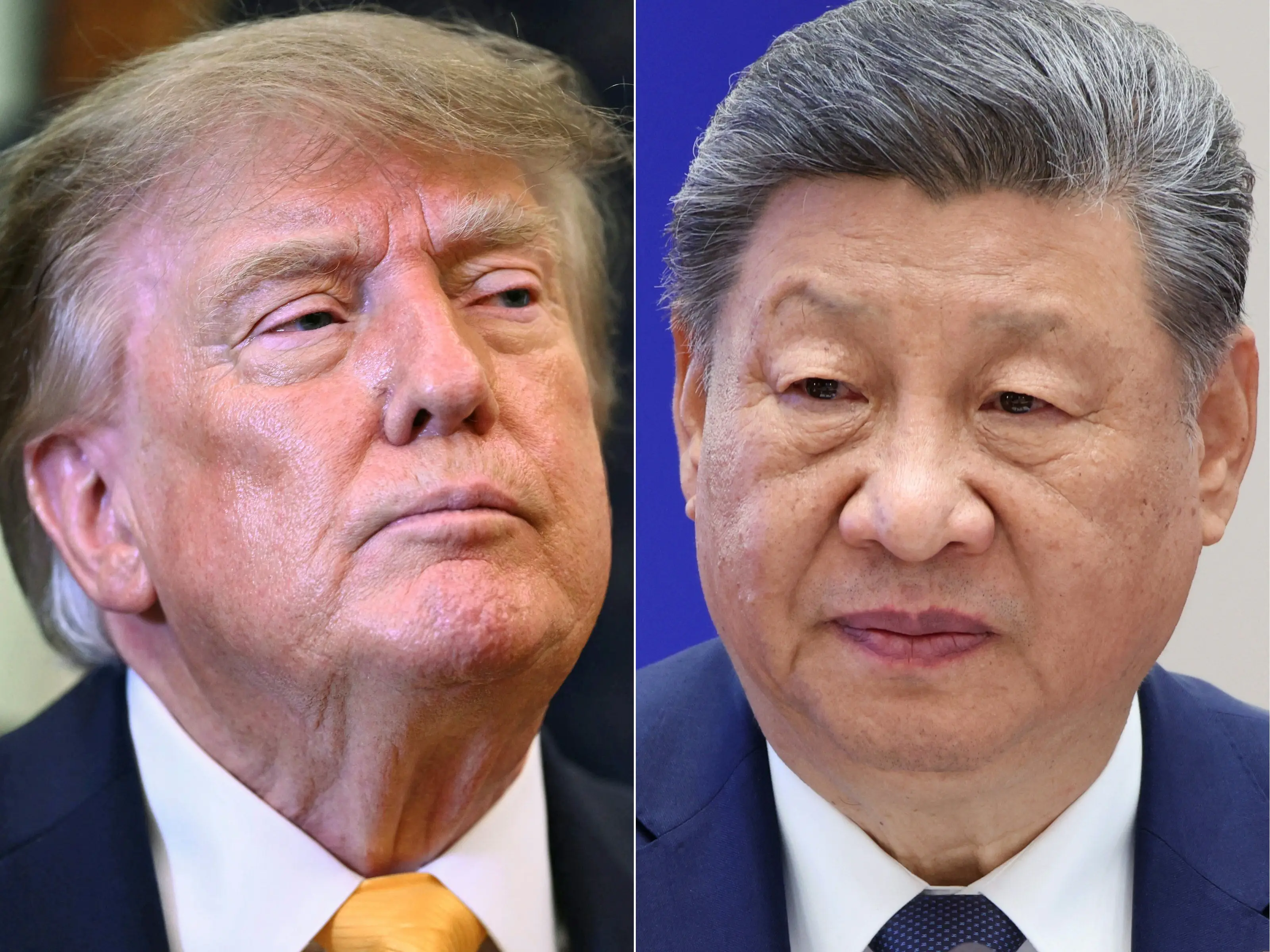)
Xi-Trump meeting: China’s human rights red line and past protests explained
The second layer, extending from around 40 to 5 km offshore, would focus on restricting the movement of Chinese landing forces. Smart sea mines and underwater unmanned systems could be used to narrow available sea routes and channel landing craft into more concentrated areas, where they could become vulnerable to further drone attacks.
The third layer would cover the final stretch between roughly 5 km offshore and the shoreline. Short-range drone systems would be used against landing boats and other approaching forces. The objective would be to create another barrier before Chinese troops could reach Taiwan’s beaches.
The final layer would focus on the coastline itself. Short-range weapons, beach obstacles and small unmanned systems could be used against PLA forces that manage to survive the earlier layers and establish a foothold. Taiwan’s geography, including the limited number of beaches suitable for a large-scale amphibious landing, would form an important part of this defensive approach.
Also Read: Taiwan hopes US to approve $14 billion arms sale 'as soon as possible', China calls deal ‘dead end’
China- Taiwan conflict
China's claim over Taiwan stems from a complex mix of historical, political, and legal arguments, with China maintaining that Taiwan is an inalienable part of its territory — a position reflected in its national policy, domestic laws, and international statements. Taiwan, on the other hand, operates as a distinct entity with its own government, military, and economy. According to the United Service Institution of India, Taiwan's status continues to be a major point of international contention, raising broader questions about sovereignty, self-determination, and non-interference under international law. China's claim to the island traces back to the Qing Dynasty's annexation of Taiwan in 1683, following its defeat of Ming loyalist Koxinga.

