What is Mount Everest’s ‘death zone’, where Indian mountaineer lost his life?

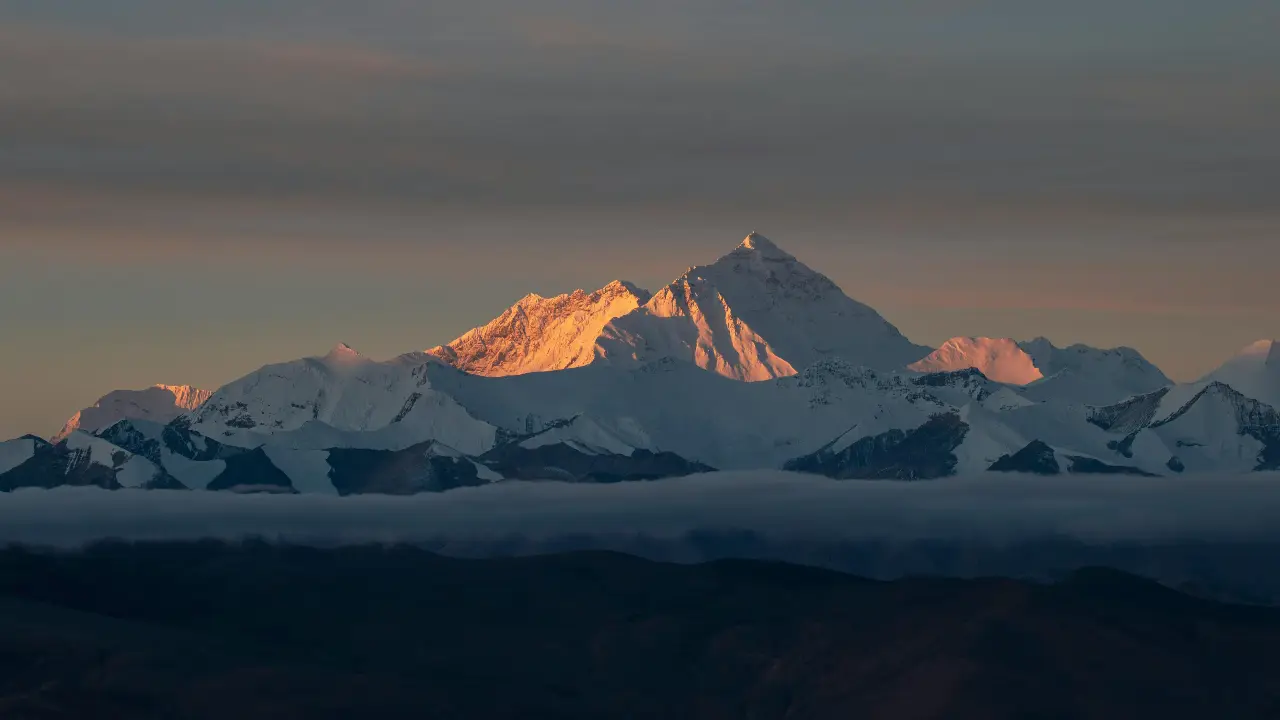
Subrata Ghosh, 45, from India, died on Thursday (May 15) below the Hillary Step while descending from the summit after suffering symptoms of altitude sickness. World | India news
An Indian mountaineer and another from the Philippines died on Mount Everest, marking the first casualties of the world’s highest peak’s spring climbing season this year, said hiking officials on Friday (May 16).
Subrata Ghosh, 45, from India, died on Thursday (May 15) below the Hillary Step while descending from the summit after suffering symptoms of altitude sickness. Philipp II Santiago, 45, from the Philippines, died late on Wednesday at the South Col on his way up the peak.
Bodhraj Bhandari, Managing Director at Snowy Horizon Treks, said that Ghosh died just below the Hillary Step during his descent. He added that he became exhausted and showed signs of altitude sickness, eventually refusing to continue.
“He refused to descend from below the Hillary Step,” said Bodhraj Bhandari of Nepal’s Snowy Horizon Treks and Expedition organising company.
Trending Stories
&im=FitAndFill=(700,400))
)
)
)
)
&im=FitAndFill=(700,400))
)
)
)
)
)
)
)
)
)
)
)
&im=FitAndFill=(700,400))
)
)
)
)
)
&im=FitAndFill=(700,400))
)
)
)
)
)
&im=FitAndFill=(700,400))
)
)
)
“Efforts are underway to bring his body down to the base camp. The cause of his death will be known only after post-mortem,” he added.
Retrieving bodies from the mountain is both expensive and challenging. While many people can’t afford to bring the bodies of their relatives, some who could afford it get refused help from most private companies as it is too dangerous.
Also read | Monstrous structures '100 times higher than Everest' lie underneath Earth. Are they pieces of Theia?
What is ‘death zone’?
The Hillary Step, which is between 8,000 metres (26,250 ft) high South Col and the summit, is located in the ‘death zone’. The level of natural oxygen in the region is inadequate for survival.
Also read | Climbing Mount Everest just got costlier! Understanding the new fee structure and regulations for summits
Most fatalities on Everest occur in this hazardous region, particularly around landmarks like the Hillary Step, which is a 40-foot vertical rock face that sits at 8,790 metres (28,839 ft) and poses one of the final technical challenges before the summit.

