
Climbing Mount Everest just got costlier! Understanding the new fee structure and regulations for summits

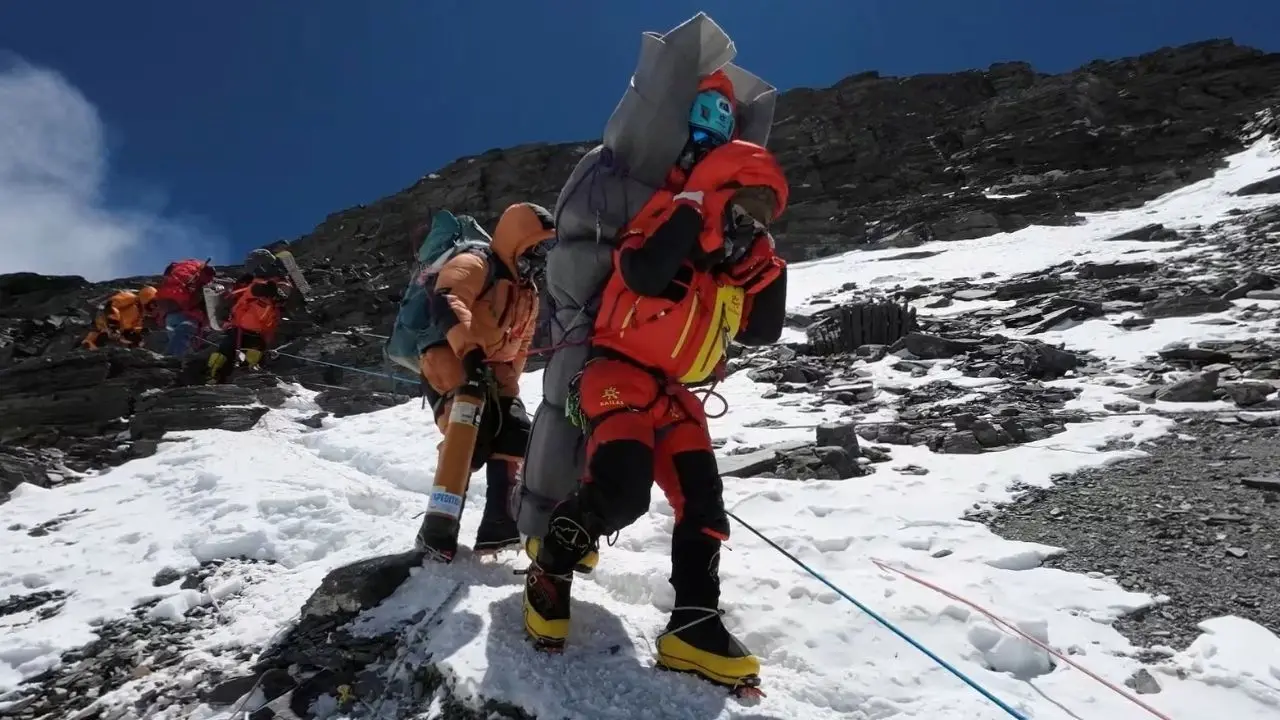
World: The validity of climbing permits has also been reduced from 75 days to 55 days. However, this change will not affect bookings already made for spring 2025 season.
Nepal has announced a hike in the permit fees for climbing Mount Everest, raising the cost by 36 per cent, according to a report. The new fee structure will see foreigners pay $15,000 for climbing the mountain via the south route during the spring season, up from the previous $11,000.
The fee adjustments apply to all seasons. The autumn season will now cost $7,500, up from $5,500 and both winter and monsoon seasons will see an increase from $2,750 to $3,750 per climber. For Nepali climbers, the fee has doubled from $872 to $1744 for the autumn season.
The validity of climbing permits has also been reduced from 75 days to 55 days. However, this change will not affect bookings already made for spring 2025 season. The new rates will officially take effect from September 1, 2025.
“Bookings already confirmed for the spring 2025 expedition will not be affected by this change,” said Indu Ghimire, a joint secretary at the Tourism Ministry.
Considering the environmental measures, the Department of Tourism will also enforce stricter controls on what items climbers can bring.
The new rules mandate that climbers must manage their waste, including bringing waste back to base camp in biodegradable bags. This initiative is part of efforts to reduce the environmental impact on Everest, where waste accumulation has become a significant issue.
Last spring, the Khumbu Pasang Lhamu Rural Municipality introduced mandatory biodegradable waste bags to tackle the garbage problem, distributing 1,700 poop bags. This requirement has now been extended to any individual attempting a climb above 8,000 metres.
Last year, over 400 permits were issued for Everest, with approximately 600 climbers reaching the summit, leading to an estimated 100 tonnes of waste. The new regulations aim to address these challenges while increasing revenue for the government.