Venezuela earthquake: Did delayed military orders, confusion slow rescue operations?

&imwidth=600&imheight=450&format=webp&quality=medium "Venezuela earthquake: Did delayed military orders, confusion slow rescue operations?")
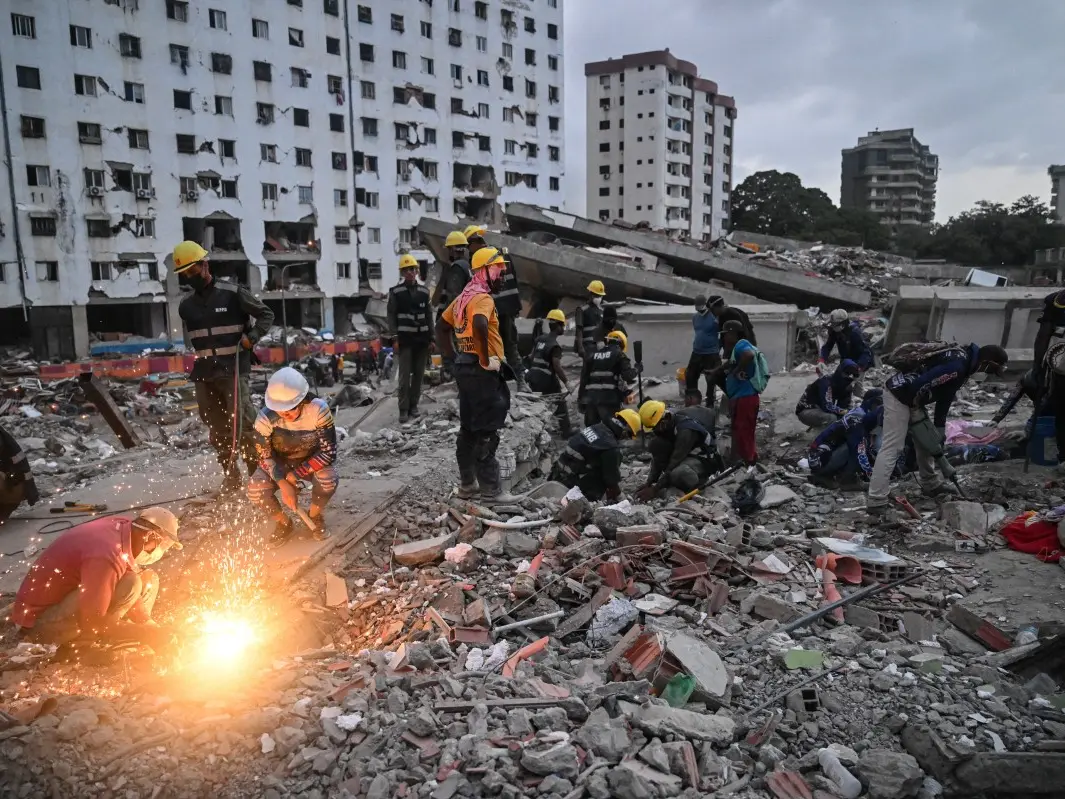
Volunteers and rescuers search for bodies amid debris of buildings damaged by the June 24 earthquakes, in Tanaguarena, state of La Guaira; Venezuela, on July 18, 2026. Photograph: (AFP)
Reuters report says Venezuela’s quake response was slowed by delayed military orders, command confusion and equipment shortages, as civilians led rescue efforts after deadly 7.2 and 7.5 magnitude earthquakes.
The aftermath of two powerful earthquakes in Venezuela has triggered questions over the country’s disaster preparedness, with delays in troop mobilisation, unclear responsibilities and shortages of emergency equipment reportedly slowing rescue efforts.
According to a Reuters report, citing sources familiar with the operation, the Venezuelan military struggled to respond effectively in the first critical days after the earthquakes, highlighting a lack of basic resources and confusion within the chain of command. The 7.2 and 7.5 magnitude quakes struck the country’s coast last month, leaving nearly 5,000 people dead, according to government figures.
The destruction was most severe in La Guaira state, where collapsed residential buildings trapped hundreds of people under debris. The region’s importance – home to the country’s main airport and a major port – made the speed of emergency response crucial for rescue and relief operations.
But instead of an immediate large-scale military mobilisation, local residents and volunteers became the first responders. Many civilians spent hours digging through rubble using basic tools, pulling out survivors and recovering bodies before organised rescue teams reached several affected areas.
Sources cited by Reuters said the military’s slow response was partly due to a lack of a clear emergency plan. Officers reportedly waited for instructions from higher authorities, as troops are required to operate under direct orders. The uncertainty over who was responsible for coordinating the response further delayed action.
The confusion extended to rescue teams arriving from abroad, with one source claiming that delays in assigning search areas wasted valuable time during the period when trapped victims had the highest chance of survival.
Trending Stories
&im=FitAndFill=(700,400)&imwidth=280&imheight=210&format=webp&quality=medium)
&imwidth=280&imheight=210&format=webp&quality=medium)
&imwidth=280&imheight=210&format=webp&quality=medium)
&imwidth=280&imheight=210&format=webp&quality=medium)
&imwidth=280&imheight=210&format=webp&quality=medium)
&imwidth=280&imheight=210&format=webp&quality=medium)
&imwidth=280&imheight=210&format=webp&quality=medium)
&imwidth=280&imheight=210&format=webp&quality=medium)
&imwidth=280&imheight=210&format=webp&quality=medium)
&imwidth=280&imheight=210&format=webp&quality=medium)
&imwidth=280&imheight=210&format=webp&quality=medium)
&imwidth=280&imheight=210&format=webp&quality=medium)
&imwidth=280&imheight=210&format=webp&quality=medium)
&imwidth=280&imheight=210&format=webp&quality=medium)
&imwidth=280&imheight=210&format=webp&quality=medium)
&imwidth=280&imheight=210&format=webp&quality=medium)
&imwidth=280&imheight=210&format=webp&quality=medium)
&imwidth=280&imheight=210&format=webp&quality=medium)
&imwidth=280&imheight=210&format=webp&quality=medium)
&imwidth=280&imheight=210&format=webp&quality=medium)
&imwidth=280&imheight=210&format=webp&quality=medium)
&imwidth=280&imheight=210&format=webp&quality=medium)
&imwidth=280&imheight=210&format=webp&quality=medium)
&imwidth=280&imheight=210&format=webp&quality=medium)
&imwidth=280&imheight=210&format=webp&quality=medium)
&imwidth=280&imheight=210&format=webp&quality=medium)
&imwidth=280&imheight=210&format=webp&quality=medium)
&im=FitAndFill=(700,400)&imwidth=280&imheight=210&format=webp&quality=medium)
&imwidth=280&imheight=210&format=webp&quality=medium)
&imwidth=280&imheight=210&format=webp&quality=medium)
&imwidth=280&imheight=210&format=webp&quality=medium)
&imwidth=280&imheight=210&format=webp&quality=medium)
&imwidth=280&imheight=210&format=webp&quality=medium)
&imwidth=280&imheight=210&format=webp&quality=medium)
&imwidth=280&imheight=210&format=webp&quality=medium)
&imwidth=280&imheight=210&format=webp&quality=medium)
&imwidth=280&imheight=210&format=webp&quality=medium)
&imwidth=280&imheight=210&format=webp&quality=medium)
Beyond coordination issues, Venezuela’s armed forces also faced logistical challenges. Some units reportedly lacked sufficient vehicles, while others did not have essential rescue equipment such as cutting tools, hammers and helicopters suitable for emergency operations.
The crisis has renewed debate over the state of Venezuela’s military, which has expanded significantly over the years but has struggled with economic constraints. Critics say resources have increasingly focused on maintaining personnel rather than improving operational readiness and disaster response capabilities.
Acting President Delcy Rodriguez rejected accusations of government failure, saying thousands of officials were deployed and dismissing claims of chaos as politically motivated criticism. She later announced a central authority to oversee the military response.
However, the earthquake response has raised concerns over whether Venezuela’s security forces are adequately prepared for future emergencies, highlighting the gap between military size and actual disaster-response capacity.

